The Charm of Farm Stays

I remember sitting on a rusted tractor bench in rural Iowa last autumn, the air smelling of crushed clover and damp soil, watching the sun dip behind a silo. There wasn’t a single “curated experience” or designer linen sheet in sight, just the honest, heavy silence of the countryside. Lately, I’ve noticed a trend where people book farm stays expecting a sanitized, boutique version of rural life—something polished enough for a magazine spread but lacking any real soul. They want the aesthetic of the farm without the actual grit of it, and frankly, that’s a missed opportunity to truly connect with the land.

I’m not here to sell you on some overpriced, luxury-lite version of country living. Instead, I want to share what I’ve learned from my own travels: how to find those rare, unpretentious places where the coffee is strong, the rhythms are slow, and the connection to the earth feels entirely real. I’ll be sharing my practical, no-nonsense advice on what to look for, how to avoid the tourist traps, and how to ensure your next getaway actually helps you find that quiet peace we all need.

Table of Contents

Finding Peace in Sustainable Farm Lodging

Finding Peace in Sustainable Farm Lodging.

There is a particular kind of quiet that you can only find when you stay somewhere that actually works for a living. I’ve spent enough years overseeing construction sites to know the difference between a place that is just “decorated” to look rustic and a place that breathes with the land. When I look for sustainable farm lodging, I’m not looking for luxury linens; I’m looking for a sense of stewardship. I want to see the solar panels on the barn roof or the compost heaps tucked neatly away, knowing that the ground I’m walking on is being treated with respect.

It’s about more than just a bed for the night; it’s about participating in a cycle. Some of my favorite agritourism travel experiences have involved waking up before the sun to watch the mist lift off the pastures, knowing that the milk on my breakfast table was in a pail only an hour before. There is a profound, grounding comfort in knowing exactly where your food comes from. It turns a simple meal into a connection to the earth, reminding me that we are all part of something much larger and much older than our busy, modern lives.

Agritourism Travel Experiences for the Soul

Agritourism Travel Experiences for the Soul.

It isn’t just about where you sleep; it’s about what your hands get to do while you’re there. I’ve found that the best agritourism travel experiences aren’t found in a glossy brochure, but in the simple act of helping a farmer sort through the morning’s harvest or learning why a certain soil smells the way it does after a light rain. There is a profound, quiet dignity in working alongside people who understand the seasons, and it grounds you in a way a luxury resort never could.

When I look through my Leica lens, I’m rarely searching for grand monuments. Instead, I find myself drawn to the textures of a working farm—the weathered grain of a barn door or the way the light hits a basket of heirloom tomatoes. These rural retreat destinations offer a chance to trade the relentless hum of the highway for the rhythmic, predictable pulse of the land. It’s a reminder that even when the world feels chaotic, the earth keeps its own steady pace, and there is a deep, restorative magic in simply learning to walk in step with it.

A Few Notes from the Field: How to Make the Most of Your Stay

  • Don’t be afraid to get your boots a little dirty. If the farmer offers to show you the morning milking or the vegetable patch, say yes. The real magic of these places isn’t in the linens, but in the dirt under your fingernails and the connection to where your food actually comes from.
  • Pack for the rhythm of the land, not the city. Leave the stiff dress shoes at home. You’ll want sturdy walking boots for those early morning strolls and a reliable, weather-proof jacket. Out here, the weather dictates the schedule, and you’ll want to be ready when the mist clears or the rain settles in.
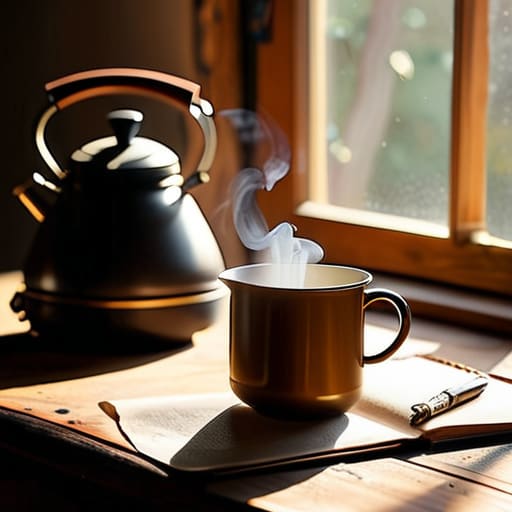
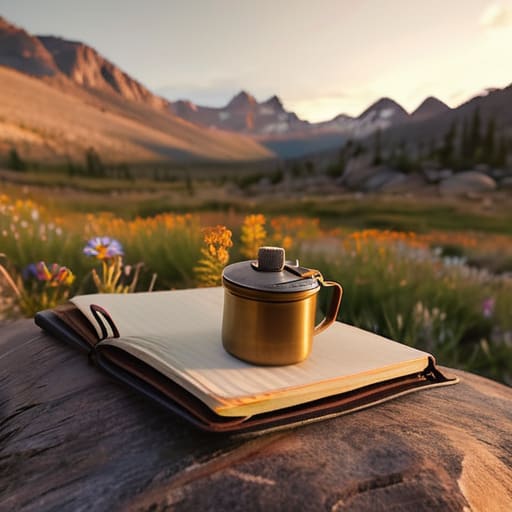
  • Bring a physical notebook and a decent pen. There’s a specific kind of light that hits a pasture just before sunset, or a certain way the steam rises from a bowl of homemade stew, that you’ll want to capture. Digital photos are fine, but sketching a landscape or jotting down a thought in a notebook forces you to actually look.
  • Embrace the quiet, even if it feels heavy at first. Coming from a life of managing loud, busy construction sites, I know how jarring the silence of the countryside can be. Don’t rush to fill it with podcasts or music. Sit on the porch, listen to the wind in the corn, and let your mind settle.
  • Eat with intention. When you’re staying on a farm, the meal is the centerpiece of the day. Ask the hosts about the ingredients, find out which field the tomatoes came from, and eat slowly. It’s much harder to rush through a meal when you know the hands that grew it.

A Few Things to Carry With You

Don’t just visit for the scenery; lean into the rhythm of the place. The real magic happens when you stop checking your watch and start noticing how the light changes over the fields or how the air smells right before a rain.

Seek out the meals that have a story behind them. There is a profound difference between a menu and a meal that was grown just a few yards from where you’re sitting; one fills your stomach, but the other actually feeds your spirit.

Leave room for the unplanned. Some of my best moments on these trips haven’t been the scheduled tours, but the quiet hour spent sitting on a porch or sketching a weathered fence line while the world goes on slowly around you.

The Wisdom of the Soil

“In the city, we measure our days by the ticking of a clock and the urgency of a deadline; but on a farm, you learn to measure them by the tilt of the sun and the patience it takes for a seed to find its way through the dirt.”

Bernard Oyelaran

Finding Your Own Rhythm

Finding Your Own Rhythm on a farm.

Looking back on everything we’ve discussed, it’s clear that a farm stay is much more than just a change of scenery or a place to sleep. Whether you are drawn to the sustainable practices of a small organic farm, the deep connection found in agritourism, or simply the chance to breathe air that hasn’t been filtered through an office vent, these experiences offer a necessary reset for the spirit. We’ve talked about how these stays allow us to reconnect with the source of our food and the natural cycles of the earth, proving that true luxury isn’t found in five-star hotels, but in the honest simplicity of a well-tended field and a quiet morning.

As I sit here in my favorite worn armchair, sketching the light as it hits the garden outside, I am reminded that we don’t need to travel halfway across the globe to find stillness. Sometimes, we just need to find a place where the clocks don’t seem to matter quite so much. I encourage you to seek out those pockets of quiet—those places where you can put down your phone, pick up a fork, and really taste the moment. Life moves fast enough as it is; don’t forget to stop and let the world catch up to you.

Frequently Asked Questions

Do I need to bring my own gear if I want to help out with the morning chores or garden work?

I’d suggest bringing a sturdy pair of old work gloves and perhaps some worn-in boots you don’t mind getting muddy. Most hosts are happy to provide the heavy tools, but having your own gloves makes the transition from coffee to weeding a lot more comfortable. I always keep a small pair of garden shears in my kit; there’s a certain satisfaction in using a tool you know well, even if it’s just for a morning’s work.

How much hands-on involvement should I expect, or can I just enjoy the scenery from a distance?

It really depends on what you’re looking for, but most places are quite flexible. Some hosts will invite you to help gather eggs or walk the perimeter of the orchard, which I find quite grounding. Others understand that you might just want to sit on the porch with a coffee and a sketchbook. You can certainly just be a spectator to the rhythm of the farm, provided you let them know you’re there for the quiet.

Are these types of stays suitable for someone traveling solo who just wants a quiet place to read and sketch?

To be honest, I think they’re perfect for it. I’ve spent many afternoons tucked into a corner of a farmhouse porch, my Leica resting nearby and my notebook open to a fresh page. When you’re alone, you aren’t performing for anyone; you’re just part of the landscape. There’s a certain dignity in being a quiet observer, and on a farm, nobody will ever begrudge you for sitting still for three hours just to capture the light.

The Charm of Traditional Diner Culture

The smell of burnt coffee and maple syrup is something you just can’t replicate in a high-end bistro, no matter how much they charge for the ambiance. I remember sitting in a cracked vinyl booth back in ’84, watching the rain lash against the window of a roadside stop outside of Des Moines, feeling the weight of a massive bridge project finally lifting off my shoulders. There is a specific, unpretentious soul to diner culture that modern “concept” restaurants try so hard to mimic with Edison bulbs and reclaimed wood, but they always miss the mark. They miss the honest rhythm of a place that exists simply to feed you and let you be.

I’m not here to give you a curated list of the trendiest brunch spots or tell you which cafe has the best lighting for your social media feed. Instead, I want to share what I’ve learned from a lifetime of traveling the backroads and seeking out those steady, reliable corners of the world. I’ll show you how to spot a real gem, how to appreciate the quiet dignity of a well-made omelet, and why these greasy spoons are actually the most important anchors in our fast-moving lives.

Table of Contents

Savoring Comfort Food Traditions One Bite at a Time

Savoring Comfort Food Traditions One Bite at a Time.

There’s a particular kind of solace found in an all-day breakfast menu. I’ve found that no matter how far I wander, there is something deeply grounding about sitting down at 2:00 PM to a plate of sourdough toast and eggs over easy. These aren’t just meals; they are part of our comfort food traditions, serving as a culinary anchor in a world that feels increasingly frantic. When the steam rises from a stack of buttermilk pancakes, the noise of the street outside seems to fade into a dull hum, leaving only the rhythmic clink of silverware and the warmth of the kitchen.

I often find myself sketching the way the light hits a half-eaten slice of pie, marveling at how these spaces function as such vital community hubs and social dining spots. You’ll see a construction crew in high-vis vests sharing a booth with a retiree reading the morning paper, both united by the simple, unpretentious joy of a well-made omelet. It’s a rare, democratic kind of comfort that doesn’t ask anything of you other than to pull up a stool and stay a while.

Finding Stillness in All Day Breakfast Menus

Finding Stillness in All Day Breakfast Menus.

There is a particular kind of peace that comes with sitting at a laminate counter at two in the afternoon, watching the sunlight slant through a window while the rest of the world rushes by. Most people think of breakfast as a morning ritual, a frantic fuel-up before the workday begins, but the true magic lies in those all-day breakfast menus. There is something deeply restorative about ordering a stack of buttermilk pancakes or a plate of eggs and hash browns when the sun is high and the streets are quiet. It feels like a small, delicious rebellion against the clock.

As I sit here with my notebook, sketching the way the light hits a half-empty syrup bottle, I realize these meals offer more than just sustenance. They provide a sense of continuity. Whether it’s a solo traveler or a local regular, the counter service dining experience allows us to exist in the moment without the pressure of a formal schedule. In these quiet hours, the diner becomes a sanctuary where time doesn’t seem to matter quite as much as the warmth of the coffee in your hands.

A Few Rules of the Road for the Slow Diner

  • Find your corner. Don’t be afraid to claim a booth in the back or a stool facing the window; there’s a particular kind of peace that comes from watching the world drift by through a pane of glass while you sip your coffee.
  • Leave the phone in your pocket. I’ve realized that if I’m busy scrolling, I miss the way the light hits the chrome or the rhythmic sound of the spatula against the griddle. The diner is a place for presence, not digital distraction.
  • Talk to the folks behind the counter. A quick, genuine “thank you” or a brief word about the weather goes a long way. These people are the heartbeat of the establishment, and they often have the best stories if you’re willing to listen.
  • Embrace the lack of pretension. You don’t need to dress up or worry about which fork to use here. A diner is a level playing field where a man in a suit and a laborer in high-vis gear can sit side-by-side, both seeking nothing more than a decent meal.
  • Take a moment to observe the details. Before you dive into your pancakes, take a second to look at the worn edges of the menu or the way the steam rises from a fresh cup. These small, unpolished details are where the real character lives.

Lessons from the Counter

Don’t rush the menu; the best part of a diner isn’t just the food, but the permission it gives you to sit still and just exist for a while.

Look for the small details, like the way the light hits a cracked vinyl booth or the steam rising from a heavy ceramic mug—that’s where the real character lives.

Treat every meal as a chance to reset, because sometimes a simple plate of eggs and a bit of quiet company are all you need to find your footing again.

The Soul of the Counter

“A diner isn’t just a place to grab a quick bite; it’s a sanctuary of steam and stainless steel where the clock seems to lose its grip, allowing you to sit, sip, and finally hear your own thoughts again.”

Bernard Oyelaran

The View from the Counter

The view from the counter at breakfast.

As I sit here, watching the steam rise from my final cup of coffee and sketching the way the morning light hits the Formica tabletop, I realize that these diners are much more than just places to refuel. We’ve talked about the soul-warming comfort of a classic breakfast and that unique sense of stillness you find in a corner booth, but it’s really about the shared humanity found in these spaces. Whether it’s the steady rhythm of the cook on the grill or the familiar clink of heavy ceramic mugs, these establishments offer a rare, unpretentious sanctuary. They remind us that even in a world that feels increasingly fast and digital, there is still immense value in the tactile and the traditional.

So, the next time you find yourself rushing through a busy morning, I encourage you to pull over. Find a local spot with a bit of character, slide into a booth, and just be still for a while. Don’t worry about the destination for a moment; just focus on the flavor of the toast and the quiet hum of the room. Life is far too short to treat every meal like a pit stop on a highway. Instead, treat them as the destination itself. After all, the best parts of living are often found in the simplest of places.

Frequently Asked Questions

Are there certain regions or parts of the country where the diner experience feels most authentic?

If you’re looking for that true, unvarnished soul, head toward the Rust Belt or the deep stretches of the Midwest. There’s something about the heavy snowfall in Ohio or the long, flat stretches of Nebraska that makes a diner feel like an anchor. In those small towns, the chrome might be a bit duller, but the coffee is hotter and the people actually know your name. It’s where the history feels lived-in.

How can you tell if a diner is a true local staple rather than just a tourist trap?

You look for the things that don’t try too hard. A real staple won’t have a neon sign screaming for your attention or a menu printed on glossy paper. Instead, look for the faded laminated sheets and the regulars who sit at the counter without needing to say a word. If the staff knows a patron’s coffee order before they even sit down, you’ve found the real thing. That’s where the soul lives.

Is there a particular time of day when the atmosphere in a diner changes most significantly?

There’s a distinct shift that happens right around late afternoon, that lull between the lunch rush and the evening crowd. The frantic clatter of silverware settles into a gentle hum, and the sunlight begins to slant through the windows, catching the steam from a fresh pot of coffee. It’s my favorite time; the energy turns contemplative, making it the perfect hour to sit with my notebook and just watch the world drift by.