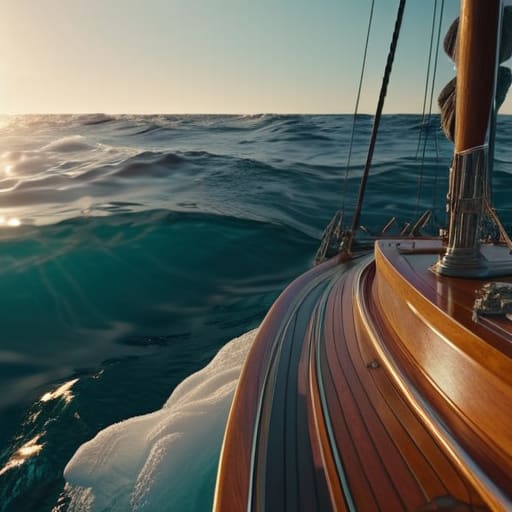
I was sitting on the aft deck of a small freighter last autumn, the kind of vessel that doesn’t care much for gold leaf or velvet curtains, just watching the way the salt spray dried in white crusts on the railing. Most people think ocean travel has to mean a frantic scramble through crowded buffets or paying a premium to sit in a lounge that smells like industrial carpet cleaner. They treat a voyage like a checklist of sights to be ticked off, rushing from one port to the next as if they’re trying to win a race against the horizon. But if you’re moving that fast, you aren’t actually traveling; you’re just relocating yourself with more expensive luggage.
I’m not here to sell you on the glitz or the high-priced excursions that leave you feeling more exhausted than when you left the pier. Instead, I want to share what I’ve learned about finding the quiet rhythm of the sea. I’ll walk you through how to choose a route that actually lets you breathe, how to find the best corner of a deck for sketching, and why the most memorable parts of any journey are often the ones you didn’t plan for.
Table of Contents
Savoring Island Hopping Itineraries and Quiet Sunsets
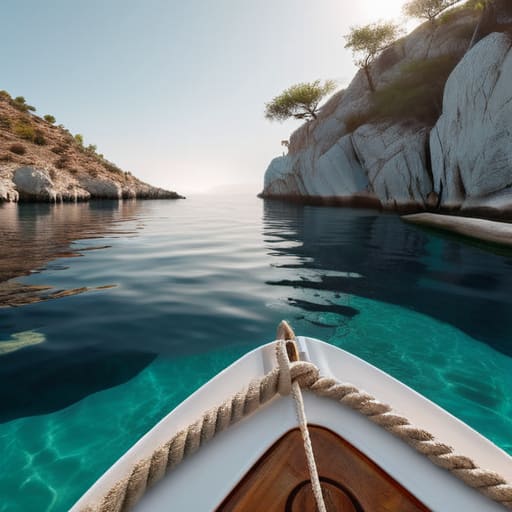
When I look at a map of the Aegean or the South Pacific, I don’t see a checklist of ports to conquer. Instead, I see a collection of possibilities. Most people approach island hopping itineraries like a race, trying to squeeze every bit of “value” out of a single day. But if you ask me, the real magic happens when you choose the smaller, less crowded stops. There is a profound stillness in arriving at a tiny outpost just as the midday heat begins to settle, where the only sound is the rhythmic lap of water against the hull.
I’ve found that the most rewarding days are those that leave room for the unexpected. Perhaps it’s a detour for a bit of scuba diving expeditions to see the reef up close, or simply sitting on a weathered stone pier with my notebook. As the sun begins its slow descent, painting the sky in bruised purples and soft golds, you realize that the destination matters far less than the quietude of the moment. It’s in these fading lights that I truly find my peace.
Sustainable Sea Voyages for a Lighter Soul
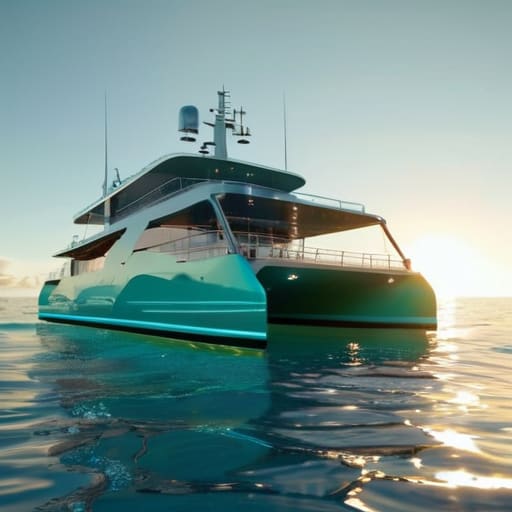
I’ve always believed that as engineers, we have a responsibility to leave things better than we found them. That same principle applies when we step onto a vessel to see the world. Lately, I’ve found myself gravitating toward sustainable sea voyages that prioritize the health of the very waters we’re admiring. It’s not just about the destination; it’s about the footprint we leave behind. I’ve noticed a shift in maritime tourism trends, with more operators focusing on smaller, more efficient ships that respect the delicate balance of our oceans rather than overwhelming them.
There is a profound sense of peace that comes from knowing your journey supports ocean conservation travel. Instead of the massive, sprawling crowds, I prefer the smaller expeditions where you can actually feel connected to the environment. I recently spent an afternoon watching a crew member carefully document local marine life, a reminder that we are merely guests in this blue expanse. Whether you are planning your own route or looking into specialized scuba diving expeditions, choosing a path that honors the sea makes the entire experience feel much more meaningful.
A Few Lessons Learned from the Deck
- Pack light, but pack right. I’ve learned the hard way that a heavy suitcase is just a burden you have to carry up narrow gangways. Stick to linen shirts and sturdy walking shoes; you want clothes that feel like a second skin, not a costume.
- Leave the itinerary mostly blank. It’s tempting to try and see every single cove and port on the map, but some of my best memories came from staying an extra hour on a quiet pier just to watch the local fishermen come in.
- Keep a physical journal by your bedside. There is something about the scratch of a pen on paper that captures a moment better than a smartphone ever could. I find that sketching the silhouette of a distant lighthouse helps me remember the salt in the air.
- Seek out the smaller dining rooms. While the grand buffets have their charm, I much prefer the quiet corners of the ship where the service is slower and you can actually hear the person sitting across from you.
- Embrace the motion of the sea. Instead of fighting the gentle sway of the ship, try to find its rhythm. It’s much like the steady hum of a well-built bridge—a reminder that you are part of something much larger and more ancient than yourself.
Notes from the Railing
Forget the packed excursions and the rush to see every landmark; the real magic happens when you let the ship’s rhythm dictate your day.
Pack a small sketchbook and a good pen, because the way the light shifts over the horizon is something no smartphone camera can truly capture.
Treat your time at sea as a chance to recalibrate, using the vastness of the water to remind yourself that most of our daily worries are far smaller than they seem.
The True Measure of a Voyage
Most people treat a cruise like a checklist of ports to be conquered, but the real magic happens when you stop trying to see everything and finally start noticing something—like the way the horizon softens at dusk or the rhythmic, steady pulse of the hull against the swell.
Bernard Oyelaran
The View from the Railing
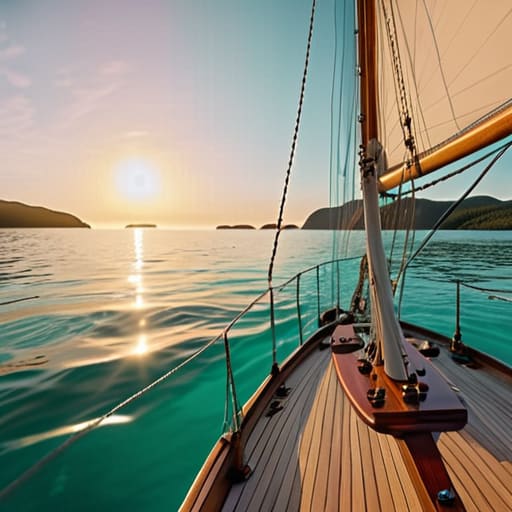
As I look back on these notes, I’m reminded that ocean travel isn’t about checking off a list of exotic ports or rushing through a frantic itinerary. It is about the deliberate choice to step away from the noise of the mainland. Whether you are carefully selecting an island-hopping route that allows for quiet afternoons, or choosing a vessel that respects the very waters it sails upon, the goal remains the same: to move through the world with intention. We’ve talked about finding those slow sunsets and traveling in a way that leaves the sea as beautiful as we found it, because true luxury lies in stewardship and stillness.
I often find myself sitting on the deck long after the sun has dipped below the horizon, just listening to the hull cut through the swells. In those moments, I realize that the ocean has a way of recalibrating your internal clock. It reminds you that there is no need to hurry. So, if you find yourself planning a voyage, my only real advice is this: leave your itinerary behind every once in a while. Let the rhythm of the waves dictate your pace. After all, the most profound discoveries aren’t found on a map, but in the quiet spaces between the destinations.
Frequently Asked Questions
How do I find those smaller, quieter vessels that don't feel like floating cities?
It’s a fair question. To find those smaller ships, you have to look past the big-name cruise lines. I’ve found it best to search for “expedition cruises” or “boutique river cruises”—they tend to favor smaller passenger counts. Look for vessels carrying fewer than two hundred people; that’s where the magic happens. It’s much easier to find a quiet corner and a sense of peace when you aren’t navigating a floating city.
What are some ways to keep my camera gear safe and dry while moving between ports?
I’ve learned the hard way that salt air and sudden squalls are no friend to a vintage Leica. I always pack my gear in a rugged, padded dry bag rather than just a standard camera case. It’s a bit bulky, but it offers peace of mind. I also tuck a few large silica gel packets into my kit to soak up any lingering moisture. Better to carry a little extra weight than to lose a memory to a damp lens.
How can I plan a route that allows for long, slow days rather than a frantic schedule of excursions?
The trick is to stop looking at the shore through a checklist. When I’m looking at a map, I don’t look for the most “must-see” ports; I look for the gaps. Choose itineraries with longer stays in single locations—two or three days in one harbor is worth a week of hopping. It gives you permission to simply sit in a seaside cafe, sketch a bit, and actually feel the rhythm of the place.
