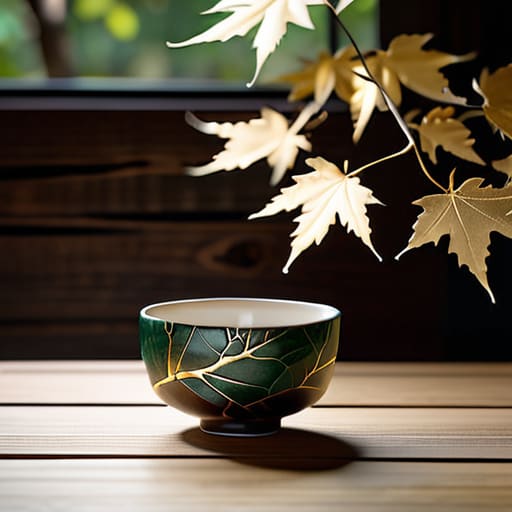
I was sitting in a small, dimly lit tea house in Kyoto last autumn, watching a single drop of water fall from a bamboo spout into a stone basin. There was no grand orchestra, no flashy decorations, just the rhythmic clink of water and the scent of damp earth. It struck me then how much we get wrong about japanese aesthetics back home. We tend to think it means buying expensive, minimalist furniture or stripping our houses until they look like sterile hospital wards. We chase a hollow version of “zen” that’s more about looking expensive than actually feeling peaceful.
I’m not here to sell you a lifestyle brand or a checklist of high-end decor. Instead, I want to share what I’ve gathered from my travels and my years of looking closely at how things are built. I’ll show you how to find the soul in the imperfect and the beauty in the simple, without spending a fortune. My goal is to help you embrace a way of living that prioritizes quiet intention over cluttered perfection. Let’s learn how to slow down and actually see the world again.
Table of Contents
- The Ma Concept of Emptiness and the Space to Breathe
- Embracing Minimalist Zen Design Principles in Daily Life
- Small Ways to Bring a Little Quiet Into Your Own World
- A Few Small Ways to Carry This Quietness With You
- The Beauty of the Unfinished
- Finding the Quiet in the Chaos
- Frequently Asked Questions
The Ma Concept of Emptiness and the Space to Breathe
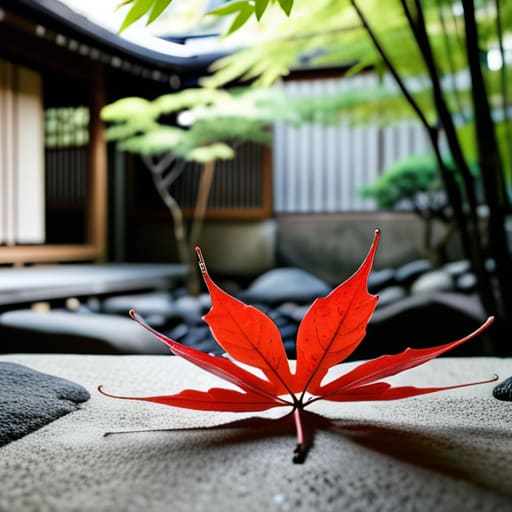
I was sitting in a small tea house in Kyoto last Tuesday, watching a single leaf drift across a stone courtyard, when it finally clicked. We spend so much of our lives—especially back in my engineering days—trying to fill every gap, every empty square inch of a blueprint or a schedule. But there is a profound dignity in what the Japanese call ma. It isn’t just “empty space” in the way we might think of a vacant lot; it is more like the pause between breaths that allows the lungs to actually expand.
This ma concept of emptiness is what gives a room, or even a conversation, its soul. When I look at traditional Japanese interior decor, I notice how the absence of clutter isn’t about deprivation, but about creating a stage for what truly matters. It’s the stillness that allows the light to hit a wooden beam just right, or the silence that makes the sound of a boiling kettle feel significant. It taught me that sometimes, the most important part of a design isn’t what you add, but what you have the courage to leave out.
Embracing Minimalist Zen Design Principles in Daily Life
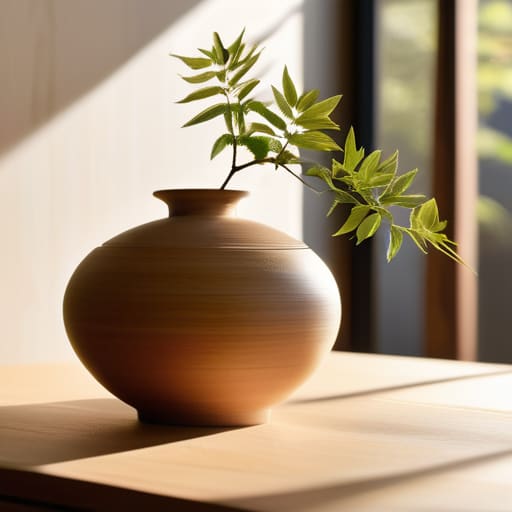
Applying these ideas doesn’t require you to live in a museum or strip your home down to bare floorboards. For me, it started small—just a bit of intentionality with the objects I choose to keep. I’ve found that by leaning into minimalist zen design principles, I can create a sense of calm right in my own living room. It’s about choosing a few meaningful pieces rather than cluttering a shelf with things that don’t serve a purpose or stir the soul. When I clear a surface, I’m not just cleaning; I’m making room for the light to hit the wood just right.
I also find a strange, grounding comfort in the shibui aesthetic meaning, which celebrates a beauty that is understated and unpretentious. It reminds me of my old Leica cameras—they aren’t flashy, but there is a deep, quiet quality to them that reveals itself only when you take the time to look. Instead of chasing the newest, shiniest thing, I’ve started looking for items that age gracefully, showing the soft wear of time. It makes the objects in my life feel less like possessions and more like old friends.
Small Ways to Bring a Little Quiet Into Your Own World
- Don’t be afraid of a little wear and tear. I’ve learned through restoring old cameras that a scratch or a faded patina tells a story; in Japanese design, they call this Wabi-sabi, and it’s a reminder that nothing is perfect, and that’s exactly why it’s beautiful.
- Clear a little breathing room on your surfaces. We tend to clutter our tables with mail and gadgets, but leaving a bit of empty space—that “Ma” we talked about—gives your eyes a place to rest and your mind a chance to settle.
- Choose things that feel good in your hands. Whether it’s a heavy ceramic mug or a smooth wooden spoon, try to surround yourself with objects that have a real, tactile weight to them rather than things that feel flimsy or mass-produced.
- Let nature do the decorating. You don’t need a grand garden to find peace; even just a single, interesting branch in a vase or a small stone on a windowsill can bring that grounding, outdoor energy into a quiet room.
- Focus on the single, intentional act. Instead of multitasking through your morning coffee, try just sitting with the cup. It’s about finding the beauty in the ritual itself, rather than rushing toward the next thing on your to-do list.
A Few Small Ways to Carry This Quietness With You
Don’t fear the empty spaces in your home or your schedule; just as a pause in a piece of music gives the notes meaning, a little breathing room gives your life room to actually happen.
Start looking for the beauty in the “imperfect”—a chipped ceramic mug or a weathered wooden table—and realize that those little marks of use are what make a thing truly worth holding onto.
Practice the art of doing just one thing at a time, whether it’s savoring a cup of tea or watching the light shift across a room, and you’ll find the world feels a lot less rushed.
The Beauty of the Unfinished
I’ve spent most of my life looking at blueprints where everything had to be perfect and precise, but there’s a different kind of grace in the Japanese way—the kind that finds beauty in a weathered wooden bench or the way a shadow falls across a stone path. It’s a reminder that life doesn’t need to be polished to be meaningful; sometimes, the cracks and the quiet gaps are where the real soul of things lives.
Bernard Oyelaran
Finding the Quiet in the Chaos
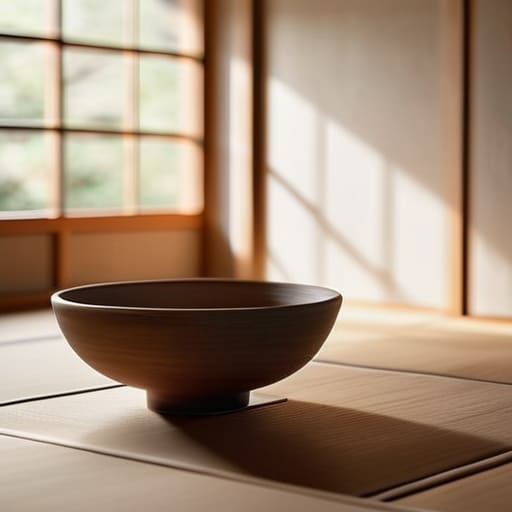
Looking back at everything we’ve discussed—from the intentional use of Ma to create room for the soul, to the way a simple, unadorned room can offer more peace than a cluttered mansion—it becomes clear that Japanese aesthetics aren’t just about how a room looks. It’s about how a space makes you feel. It’s about recognizing that beauty doesn’t have to be loud or expensive; often, it is found in the gaps between things, the texture of a handmade bowl, or the way light hits a bare wooden floor. By embracing these principles, we aren’t just decorating our homes; we are curating our peace of mind.
As I sit here in this small cafe, sketching the way the steam rises from my tea, I’m reminded that we don’t need to move to Kyoto to find this kind of stillness. We can find it right here, in the way we choose to hold our morning coffee or how we decide to clear a single corner of a desk. My hope is that you take a moment today to look past the rush and the noise. Find one small, imperfect detail in your surroundings and simply appreciate it. Life is far too short to spend it rushing past the very things that make it beautiful.
Frequently Asked Questions
How can I start incorporating these principles into a home that already feels cluttered and lived-in?
I’ve stared at many a cluttered blueprint in my time, and I’ll tell you, the solution isn’t a sudden overhaul. Don’t try to strip your home bare overnight; that’s not living, that’s just emptiness. Start small. Pick one corner—maybe your reading chair or a single shelf—and clear it. Let that one spot breathe. It’s about creating pockets of stillness amidst the chaos, one quiet corner at a time.
Is there a way to appreciate the beauty of imperfection without it just feeling like a lack of maintenance?
That’s a fair question. In my engineering days, a crack in a foundation was just a failure, plain and simple. But there’s a difference between neglect and wabi-sabi. To me, it’s about intention. A weathered wooden table that’s been oiled and cared for tells a story; a table covered in dust and grime just looks lazy. It’s the care you put into the upkeep that transforms a “flaw” into a mark of character.
How do I find that sense of stillness in my own daily routine when life still feels so rushed and loud?
It’s a fair question, and one I struggle with myself. I’ve found that you can’t wait for the world to get quiet; you have to carve out small pockets of silence yourself. For me, it’s the ten minutes I spend with my coffee before the house wakes up, or the way I focus entirely on the texture of a piece of bread during lunch. Don’t aim for a lifestyle overhaul—just look for those tiny, intentional pauses.
