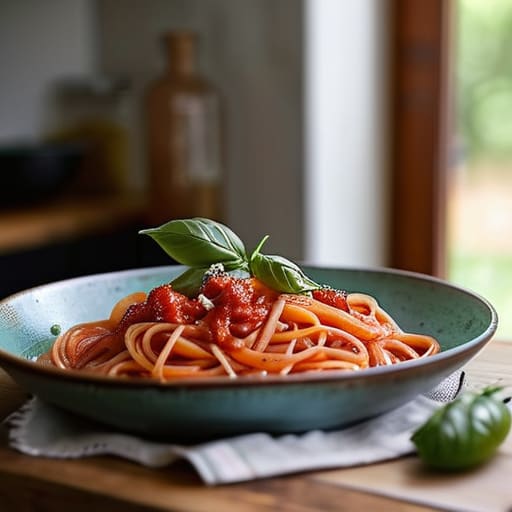
People will tell you that a truly great meal requires a pantry full of exotic ingredients and hours of frantic chopping, but they’ve got it all wrong. I spent thirty years managing complex construction sites where everything had to be perfect on the first go, yet I’ve learned that the best things in life are often the most uncomplicated. You don’t need a culinary degree to master an easy pasta sauce; you just need a bit of patience and a few decent staples. I used to think I needed a complicated recipe to make it feel special, but I was just chasing my own tail.
In this post, I’m not going to give you any flashy tricks or ingredients you can’t find at the local grocer. Instead, I want to share the quiet rhythm of a sauce that actually tastes like something. I’ll show you how to let a few simple components find their own balance while you sit back and enjoy the afternoon. This is about honest, slow cooking that respects your time without sacrificing the flavor. Let’s get into it.
Table of Contents
Recipe Details
Ingredients
- 2 cans (28 oz each) crushed tomatoes
- 3 cloves garlic, minced
- 2 tablespoons extra virgin olive oil
- 1 teaspoon dried oregano
- 1/2 cup fresh basil leaves, torn
- Salt and pepper to taste
Recipe Instructions
Step 1
Start by getting a heavy-bottomed pot—the kind that feels substantial in your hands—and pour in about a quarter cup of good olive oil. Drop in three or four cloves of garlic, smashed just enough to release their oils but left whole, and let them dance in the warmth over a low flame. You want them to turn a soft, golden hue, not brown, so they perfume the oil without turning bitter.
Step 2
Once the garlic smells fragrant, pour in a large can of crushed San Marzano tomatoes. I’ve learned over the years that the quality of the fruit matters more than the complexity of the technique, so don’t be afraid to spend a few extra cents on a decent brand. Stir it gently with a wooden spoon, feeling the weight of the sauce as it begins to settle.
Step 3
Now, add a pinch of sea salt and a healthy crack of black pepper, but the real secret is a small knob of butter stirred in right at the beginning. It rounds out the acidity of the tomatoes and gives the sauce a velvety texture that feels like a warm blanket on a chilly evening. If you have a sprig of fresh basil, toss it in whole; you can pull the stems out later.
Step 4
Turn the heat down to the lowest setting and let it simmer. This is the part where most people rush, but I find there is a certain peace in watching the tiny bubbles rise to the surface. Let it cook for at least thirty minutes, or even forty if you aren’t in a hurry, until the sauce has deepened in color and the kitchen smells like home.
Step 5
Finally, taste it. It’s a simple thing, but it’s the most important step. If it needs more brightness, a tiny splash of balsamic vinegar can do wonders, or perhaps just another pinch of salt. Ladle it over a bowl of pasta that’s been cooked just until it has a bit of a bite, and take your time eating it.
Savoring the Simple Pasta Sauce for Beginners
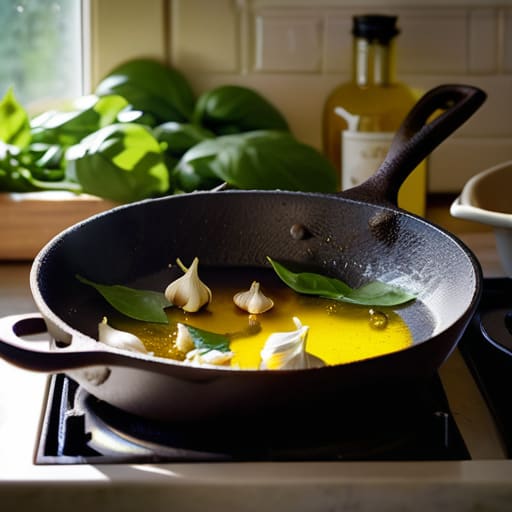
When I first started out in the field, managing construction crews, everything was about speed and precision. But I’ve learned that some things simply cannot be rushed, especially when it comes to a fresh basil and garlic sauce. If you find yourself short on time, you can certainly treat this as a quick marinara sauce recipe, but I always suggest taking an extra five minutes to let the garlic soften in the oil. If you burn the garlic, the bitterness will linger, and that’s a mistake you only make once.
For those just starting out, don’t feel pressured to buy a dozen different spices. The beauty of a simple pasta sauce for beginners lies in its restraint. I’ve found that the best herbs for pasta sauce are often the most basic: a bit of dried oregano and a generous handful of fresh basil torn by hand right before serving. If you’re feeling adventurous, try adding a pinch of red pepper flakes for a little warmth, or a splash of heavy cream if you want something more comforting. It’s about making the ingredients work for you, not the other way around.
A Quick Marinara Sauce Recipe for Quiet Evenings
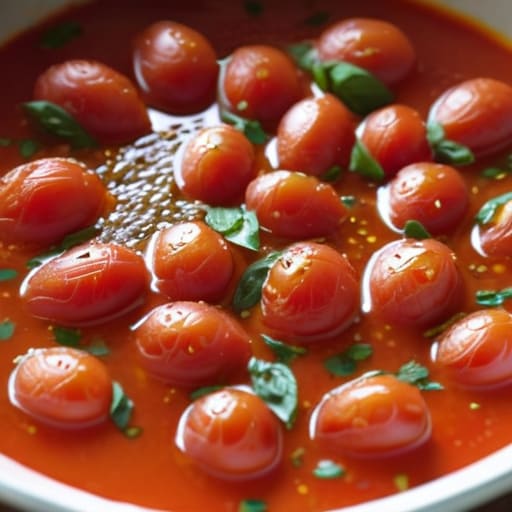
I’ve always found that even the most straightforward meals can be elevated with just a few thoughtful adjustments. If you find yourself short on time but still want something that feels substantial, this quick marinara sauce recipe works wonders. One trick I’ve picked up over the years is to be generous with your olive oil; it carries the flavor of the aromatics through the entire dish. If you have a bit of extra time, try sautéing a pinch of red pepper flakes alongside your garlic to add a subtle warmth that lingers without being overwhelming.
For those who prefer a more garden-fresh profile, I can’t recommend a fresh basil and garlic sauce enough. There is something deeply grounding about tearing the leaves by hand rather than using a knife—it keeps the herb from bruising and releases those essential oils more naturally. If you are looking to experiment with different flavor profiles, adding a splash of balsamic vinegar or a handful of grated parmesan at the very end can transform the sauce from something simple into something truly memorable. It’s these small, intentional touches that turn a quick dinner into a moment worth savoring.
A Few Small Lessons from My Kitchen Counter
- Don’t be afraid of the heat, but respect it; let your garlic soften in the olive oil until it’s fragrant and golden, not brown and bitter.
- Quality matters more than quantity when you’re keeping things simple—if you can, grab a can of San Marzano tomatoes rather than the cheaper, watery sort.
- Keep a pinch of red pepper flakes nearby; sometimes a tiny bit of heat is all a heavy sauce needs to wake up the palate.
- Patience is your best ingredient; even if you’re in a hurry, letting the sauce sit on the lowest flame for an extra ten minutes changes the whole texture.
- Always finish with a splash of the starchy pasta water; it’s a little trick from my engineering days—it helps the sauce bind to the noodles instead of just sliding off.
Lessons from the Simmer
Don’t be in such a hurry to turn up the heat; a gentle bubble does more for the flavor than a frantic boil ever could.
Keep your pantry stocked with the basics—good olive oil and crushed tomatoes are the foundation for a dozen different quiet evenings.
Use the cooking time to step away from the noise; let the scent of garlic and basil fill the kitchen while you simply sit and exist for a moment.
The Wisdom of the Simmer
You don’t need a pantry full of expensive ingredients to make something meaningful; you just need a bit of patience, a little garlic, and the willingness to let a simple sauce find its own rhythm on the stove.
Bernard Oyelaran
The Beauty of a Simple Meal
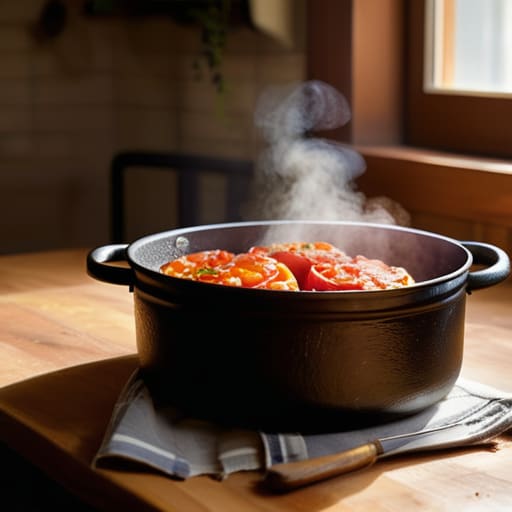
At the end of the day, making a good sauce isn’t about having a pantry full of exotic ingredients or mastering complex culinary techniques. It really comes down to the basics: a few quality tomatoes, a bit of garlic, and the patience to let the flavors marry as they simmer on the stove. Whether you are following the quick method for a busy Tuesday or taking the slow route on a Sunday afternoon, the goal is the same—to create something honest and nourishing. Remember that even the smallest mistakes, like a slightly burnt bit of garlic or a sauce that’s a bit too thin, are just part of the process of learning to cook for yourself.
As I sit here in this little cafe, watching the shadows stretch across the cobblestones, I’m reminded that we spend so much of our lives looking toward the next big thing. We chase promotions, milestones, and grand adventures, often forgetting that the most profound satisfaction usually resides in the small, quiet intervals in between. I hope this simple sauce serves as a gentle reminder to find joy in the mundane. Next time you find yourself standing over a steaming pot, don’t just cook; take a moment to breathe, notice the aroma, and truly savor the stillness.
Frequently Asked Questions
Can I use canned tomatoes instead of fresh ones, or will that change the character of the sauce too much?
To be honest, I often prefer the canned variety. While there’s a certain romance to slicing up sun-ripened tomatoes in mid-August, a good can of San Marzano tomatoes is a reliable friend. They offer a consistent, deep sweetness that fresh ones sometimes lack when they’re out of season. Just make sure you’re buying high-quality ones—look for that rich, crimson color. It won’t ruin the character; it just changes the texture slightly.
Is there a way to add a bit more depth to the flavor if I don't have much time to let it simmer?
If you’re in a bit of a rush, don’t fret. I’ve found that a generous pinch of dried oregano or a tiny bit of red pepper flakes can add that missing depth instantly. If you have it on hand, a spoonful of tomato paste sautéed in the oil for a minute before adding the liquid works wonders. It builds a foundation of flavor that mimics a much longer simmer. Just keep breathing; it’ll be fine.
What kind of pasta shape do you find works best for catching all that sauce without making the meal feel too heavy?
I’ve always found that a good penne or fusilli does the trick. The ridges and twists act like little pockets, catching the sauce just right without weighing you down. If you’re feeling a bit more adventurous, try some conchiglie—those little shells are wonderful for holding onto every bit of flavor. It’s all about finding that balance where the pasta and sauce become one, rather than just two separate things on a plate.
