
I was sitting in a small, sun-drenched café in Florence last Tuesday, watching a young man struggle to find the “perfect angle” for a photo of his espresso. He was so busy trying to capture the moment for a screen that he completely missed the way the steam curled into the light or the rich, nutty scent of the roast. It struck me then that we’ve turned something deeply soulful into a performative chore. People talk about the power of gratitude as if it’s some complex psychological hack or a luxury lifestyle brand you have to buy into, but honestly? That’s just nonsense. It isn’t about curated lists or forced smiles; it’s about the grit and the grace of actually being present.
I’m not here to sell you on a self-help trend or some lofty, untouchable philosophy. What I want to share is a more grounded approach—the kind you learn after thirty years of managing construction sites and a lifetime of watching the seasons change. I’m going to tell you how I use a simple, unpretentious way of noticing to find contentment even when things aren’t perfect. We’re going to skip the fluff and focus on how a little bit of intentionality can turn a mundane afternoon into something truly worth remembering.
Table of Contents
The Neuroscience of Thankfulness and a Calmer Mind
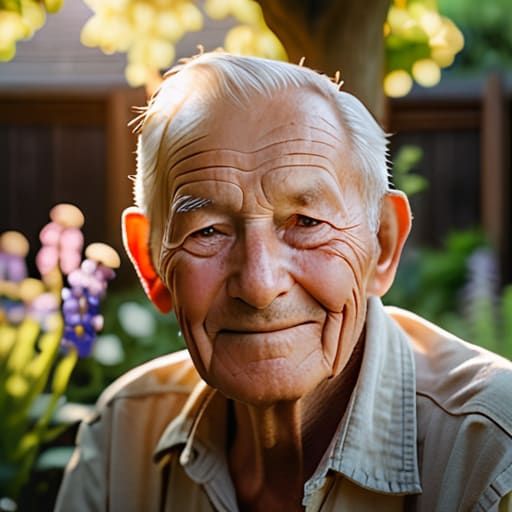
Now, I’m just a retired engineer, not a doctor, so don’t expect me to quote a medical journal. But even in my old days managing construction sites, I noticed how a person’s temperament could change just by shifting their focus. It turns out there is real science behind why a bit of appreciation makes the world feel less heavy. When we take a moment to actually acknowledge something good, we aren’t just being “polite” to the universe; we are physically altering our brain chemistry. The neuroscience of thankfulness suggests that practicing this habit can actually dampen the activity in our amygdala—that little part of the brain that keeps us stuck in a constant state of “fight or flight.”
By intentionally looking for the silver linings, we are essentially rewiring our internal circuitry. It’s much like how I have to carefully calibrate the gears in one of my old Leica cameras; if the tension is off, the whole mechanism struggles. Shifting mindset with gratitude acts as a stabilizer for our mental gears. It moves us away from the frantic, survivalist thinking that keeps us wired and tired, and toward a more steady, grounded state of being.
Shifting Mindset With Gratitude During a Long Walk

There is a specific kind of clarity that only comes when your feet are moving and the world is unfolding at a human pace. Last Tuesday, I found myself walking through a small park on the outskirts of town, the kind of place most people drive right past. Instead of letting my mind race through my “to-do” list, I tried a different approach: shifting mindset with gratitude by simply naming the small things I saw. A particularly vibrant patch of moss on an old oak, the way the light caught the surface of a pond, the steady rhythm of my own breathing.
It isn’t about ignoring life’s troubles, but rather about cultivating mindfulness through gratitude while you move. As I walked, I realized that the heavy feeling in my chest from a stressful morning began to lift. It’s much like my work in engineering; if the foundation is shaky, the whole structure suffers. By focusing on these small, positive observations, I was essentially reinforcing my own internal foundation. It turns out that a bit of intentional noticing can do wonders for your emotional well-being and appreciation for the world around you.
A Few Simple Ways to Keep the Light On
- Keep a small notebook in your pocket, much like the one I use for my sketches. At the end of the day, jot down just three things that didn’t go wrong—the taste of a ripe peach, the way the light hit the lake, or a neighbor’s wave. It trains the eyes to look for the good before the sun goes down.
- When you’re sitting down for a meal, try a moment of silence before the first bite. Don’t think of it as a formal ritual, but just a quiet pause to acknowledge the hands that grew the food and the warmth of the chair beneath you. It turns a simple lunch into something a bit more sacred.
- Practice the art of the “thank you” note, even if it feels a bit old-fashioned. A handwritten card sent to an old friend or a local shopkeeper carries a weight that an email never will. It’s a way of telling someone, “I saw what you did, and it mattered.”
- Use your senses as anchors. When your mind starts racing toward tomorrow’s worries, stop and find one thing you can smell, one thing you can hear, and one thing you can feel. Gratitude is often just a matter of being fully present in your own skin.
- Look for the beauty in the weathered and the worn. Just like the vintage Leica cameras I tinker with, there is a profound grace in things that have endured. Learning to appreciate the cracks and the history in the world around you makes it much easier to be thankful for your own journey.
Lessons from the Slow Path
Gratitude isn’t a grand gesture or a mountain you have to climb; it’s more like the steady, quiet work of maintaining a vintage camera—it requires patience and a willingness to look closely at what’s right in front of you.
When the world feels like it’s moving too fast, use your senses as an anchor. Notice the weight of your notebook, the temperature of your coffee, or the way the light hits a brick wall; these small details are the building blocks of a thankful mind.
Don’t wait for a major milestone to feel successful. If you can find one thing worth noting during a simple walk or a quiet meal, you’ve already won the day.
A Lesson from a Quiet Afternoon
“I’ve spent most of my life looking at blueprints and structural integrity, but I’ve learned that a life’s true strength doesn’t come from what we build, but from our ability to stop and appreciate the light hitting a weathered brick wall or the simple warmth of a shared meal.”
Bernard Oyelaran
A Final View from the Bench
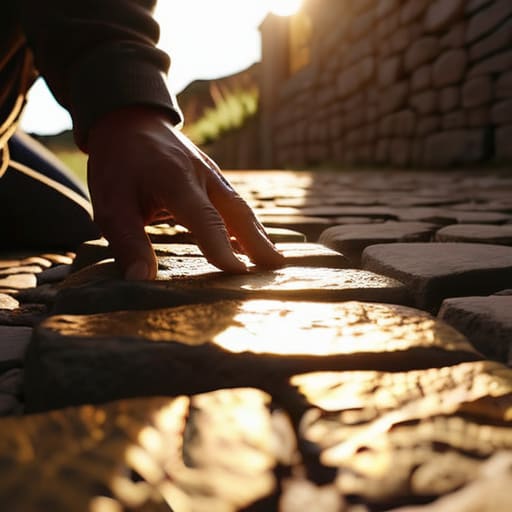
Looking back on everything we’ve discussed, it’s clear that gratitude isn’t just some lofty, abstract concept for philosophers to debate. It’s a practical tool, much like a well-maintained level or a sturdy compass. Whether it’s the way the biology of our brain settles into a calmer rhythm or the simple shift in perspective that happens when you’re mid-stride on a morning walk, these small changes add up. We’ve seen how intentionality can bridge the gap between feeling overwhelmed and feeling truly present. It isn’t about ignoring the cracks in the pavement or the storms on the horizon; it’s about choosing to focus on the light that manages to catch the edges of those things.
As I sit here now, finishing this entry and watching the light fade across the garden, I’m reminded that we don’t need grand gestures to find contentment. You don’t need a promotion or a perfect life to practice this; you just need to be willing to look. So, my suggestion to you is simple: when you finish reading this, don’t immediately rush off to your next task. Instead, take a breath, find one small thing in your immediate reach—a warm mug, a comfortable chair, or even just the steady beat of your own heart—and simply notice it. Life is happening right now, in the quietest of moments, and it is waiting to be savored.
Frequently Asked Questions
How do I practice being grateful when I'm actually going through a really difficult or heavy season of life?
When the clouds are heavy, don’t try to force a smile; that’s just exhausting. Instead, look for the “tiny anchors.” It might be the weight of a warm mug in your hands, the way the light hits a brick wall, or even just the fact that you managed to make a piece of toast. You aren’t ignoring the struggle; you’re just refusing to let it be the only thing in the room.
Are there specific times of day or certain routines that make it easier to actually notice these small details?
I’ve found that the edges of the day are where the magic happens. There’s a particular stillness in the early morning, before the world starts its frantic engine, that makes it easy to notice the way light hits a dew-covered leaf. But for me, it’s often that quiet hour just after dinner. As the house settles, sitting with my notebook and a cup of tea, I find it much easier to catalog the day’s small wins.
Do you find that writing things down in a notebook actually helps, or is just thinking about them enough?
There’s a world of difference between a passing thought and the weight of a pen on paper. When I’m out sketching or just sitting at a café, the act of writing forces me to slow down. A thought can drift away like mist, but once it’s inked into my notebook, it becomes real. It’s a way of anchoring those small, fleeting moments so they don’t just vanish into the rush of the day.
