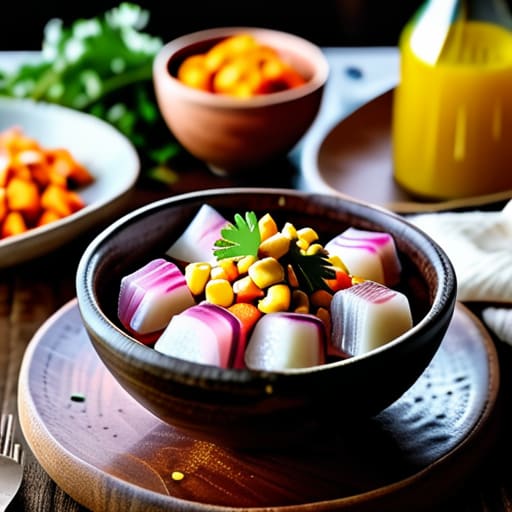
I remember sitting on a weathered wooden stool in a narrow Lima alleyway, the humidity clinging to my skin like a damp wool sweater, when I had my first real encounter with peruvian cuisine. I wasn’t in some white-tablecloth establishment with a tasting menu that costs more than a mid-sized sedan; I was tucked into a corner, watching a man with calloused hands expertly slice sea bass for a ceviche. The air was thick with the sharp, bright scent of lime and the earthy heat of ají amarillo, a smell so honest it made the polished, overpriced fusion restaurants back home feel utterly hollow. It was in that moment, amidst the clatter of plates and the hum of the street, that I realized the true soul of this food isn’t found in a chef’s ego, but in the simplicity of the ingredients.
I’m not here to give you a list of trendy spots that are more about the lighting than the lunch. Instead, I want to share what I’ve gathered from my slow travels through the Andes and along the coast: the real, unvarnished truth about what makes this food special. I’ll guide you toward the flavors that actually matter, helping you find those quiet, perfect meals that stay with you long after the plate is cleared.
Table of Contents
Tracing the Gentle Echoes of Peruvian Gastronomy History
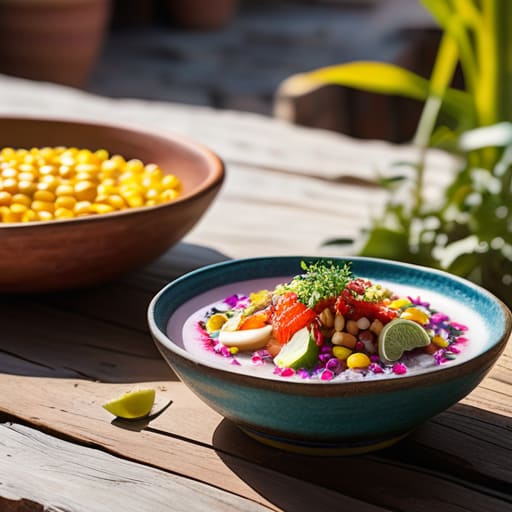
I often find myself sitting in small, sun-drenched plazas, sketching the weathered facades of old buildings while I wait for my coffee. It’s in these quiet moments that I think about how a culture’s history isn’t just found in textbooks, but in the layers of flavor left behind by those who came before us. To understand the heart of this country, one must look at the Peruvian gastronomy history as a living, breathing tapestry. It isn’t a single story, but a slow accumulation of influences—from the ancient civilizations that first cultivated the Andes to the various waves of travelers who brought their own secrets to the table.
What strikes me most is the sheer regional food diversity in Peru. You can taste the shift in the air as you move from the mist-covered mountains to the humid, vibrant edges of the jungle. I’ve spent afternoons marveling at how the Amazonian culinary traditions rely so heavily on the gifts of the rainforest, creating a profile that feels entirely distinct from the coastal breeze. It reminds me of my old engineering days; you can’t understand a structure without knowing the ground it’s built upon. Here, the ground is rich, complex, and deeply delicious.
Savoring the Vibrant Soul of Staple Peruvian Superfoods
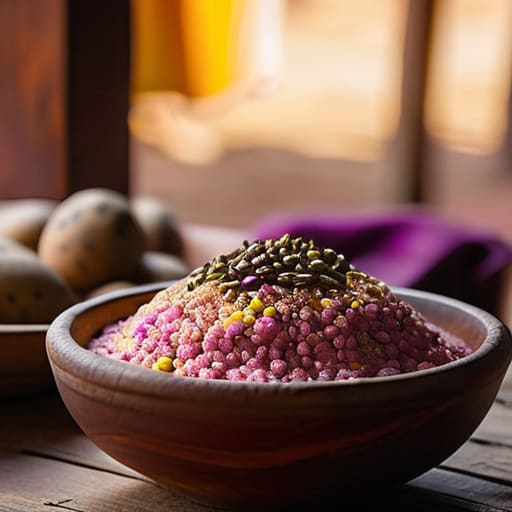
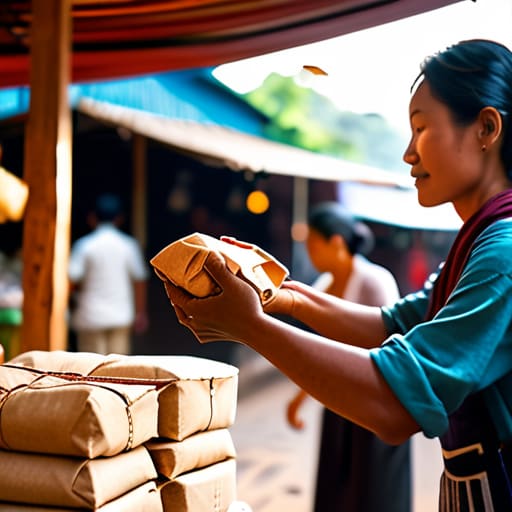
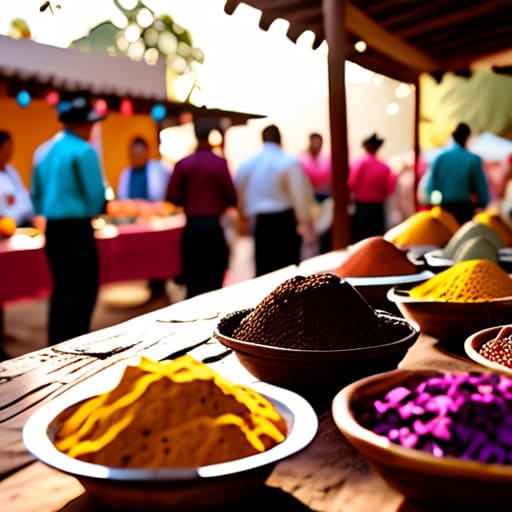
I found myself sitting on a low wooden stool in a small market in Cusco, watching an elderly woman sort through mounds of potatoes. It’s easy to forget that behind every dish is a lineage of earth and sun. These staple Peruvian superfoods, from the tiny, colorful tubers to the ancient grains like quinoa, are more than just nutrition; they are the very heartbeat of the Andes. When you taste a well-prepared quinoa porridge, you aren’t just eating breakfast; you are tasting centuries of survival and mountain wisdom.
It isn’t just about the altitude, though. As I wander further, I see how the regional food diversity in Peru creates a tapestry that no single recipe can capture. In the coastal towns, you feel the influence of the sea, while deeper in the jungle, the heavy, earthy scents of the rainforest take over. There is a certain rhythm to it all—a way the ingredients tell the story of the soil they grew in. It reminds me that, much like the old cameras I tinker with, the best things in life require patience and a respect for the original components.
A Few Small Ways to Truly Taste the Andes
- Don’t be afraid of the heat, but don’t let it rush you either. When you see a jar of Aji Amarillo on the table, take a moment to smell it first. It has a sunny, fruity scent that is just as important as the kick it gives your tongue. Dip your spoon in slowly; there’s no sense in racing through a spice you haven’t yet understood.
- Seek out the small, family-run “picanterías” rather than the polished establishments with the bright lights. You’ll find the real soul of the country in those steam-filled rooms where the recipes have been passed down like family heirlooms. It’s in those unpretentious spaces that the food feels most honest.
- Make a point to try the different varieties of potatoes. Back in my engineering days, I thought a potato was just a potato, but here, they are a map of the mountains. Ask your server what makes the purple or the yellow varieties special; it turns a simple side dish into a bit of a history lesson.
- Embrace the ritual of the slow lunch. In Peru, a meal isn’t something you check off a list between sightseeing stops. Sit down, order a fresh Chicha Morada, and let the world spin without you for an hour. The best flavors often reveal themselves only once you’ve stopped looking at your watch.
- Keep your eyes open for the textures. Peruvian cooking is a beautiful balance of the crisp and the tender. Whether it’s the crunch of a fresh ceviche garnish or the softness of a slow-simmered stew, try to notice how each layer plays together. It’s much like sketching a landscape—you have to see the fine lines to appreciate the whole picture.
Finding the Heart of the Meal
Don’t just eat to be full; look for the history in every bite, from the ancient grains to the spices that tell the story of a changing land.
Slow down and let the ingredients speak for themselves, noticing how a single lime or a handful of cilantro can transform a dish into a memory.
Approach every meal as a way to connect with the local rhythm, remembering that the best flavors are often found when you stop rushing and start observing.
## A Lesson in Patience and Flavor
“I’ve learned that a truly great Peruvian dish isn’t just about the heat of the chili or the freshness of the lime; it’s about the patience required to let those flavors settle, much like waiting for the perfect light to hit a landscape before you press the shutter.”
Bernard Oyelaran
A Final Taste of the Peruvian Spirit
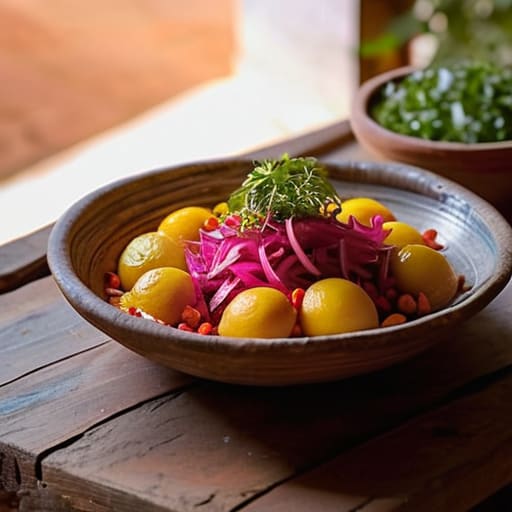
As I sit here in this small courtyard, finishing the last of my coffee and sketching the way the light hits the terracotta tiles, I find myself reflecting on everything we’ve uncovered. From the deep, historical roots that anchor these flavors to the incredible, nutrient-dense superfoods that have sustained this land for centuries, Peruvian cuisine is far more than just a collection of recipes. It is a living, breathing tapestry of human resilience and creativity. We have seen how history isn’t just found in textbooks, but in the way a single spice can bridge the gap between ancient traditions and the modern plate, creating a gastronomic legacy that is as sturdy as any bridge I ever helped build.
If there is one thing I hope you take away from these pages, it is that food is the ultimate excuse to be present. Whether you find yourself in a bustling market in Lima or a quiet village in the Andes, I urge you to resist the urge to rush. Don’t just eat to be full; eat to understand. Let the complexity of a sauce or the texture of a grain tell you a story about the hands that prepared it. In the end, the true magic of Peru isn’t just found in the ingredients, but in the quiet moments of connection that happen when we finally decide to slow down and truly savor the world around us.
Frequently Asked Questions
How do I find the balance between the spicy flavors and the fresh ingredients without feeling overwhelmed?
It’s a bit like balancing a structural load; you can’t let one element overwhelm the foundation. When the heat from an ají pepper starts to climb, don’t reach for water—that just spreads the fire. Instead, look for the cooling counterpoints. A squeeze of lime or a dollop of fresh avocado can steady the palate. Slow down, take a small bite, and let the brightness of the fresh herbs guide you back to center.
Are there certain dishes that are better suited for a quiet, slow lunch rather than a bustling dinner?
For a quiet, slow lunch, I’ve always found that a warm bowl of Locro de Zapallo is incomparable. It’s a creamy squash stew that demands you sit still and let the steam warm your face. While a bustling dinner is grand for Lomo Saltado, there’s a certain peace in a midday meal that doesn’t require a rush. Just you, a soft breeze, and a dish that tastes like a slow afternoon.
For someone who appreciates the history behind a meal, which specific regional styles offer the most interesting stories?
If you’re looking for stories etched into every bite, look toward the coast and the mountains. Lima’s Nikkei cuisine is a beautiful, slow-motion collision of Japanese precision and Peruvian heart—it’s a history of migration you can actually taste. Then, head into the Andes for Criollo cooking. It carries the heavy, soulful weight of colonial influence mixed with indigenous roots. Both regions remind me that a recipe is really just a map of where people have been.