I spent thirty years managing massive construction sites, where everything was measured by deadlines, concrete curing times, and the relentless pressure of a ticking clock. I used to think that “efficiency” was the only metric that mattered, but looking back, I realize I was just rushing through my own life. Lately, I’ve seen this trendy version of the slow living movement popping up all over social media, filled with expensive linen sheets and perfectly curated, minimalist kitchens that look more like museums than homes. It feels a bit hollow to me—as if you need to spend a fortune just to earn the right to breathe.
I’m not interested in the aesthetic or the hype; I’m interested in what actually works when the world gets too loud. In this post, I want to share what I’ve learned about finding a steady rhythm through simple, practical habits that don’t require a lifestyle overhaul or a massive bank account. I’ll be sharing my own honest experiences—from the way a quiet morning walk can reset my focus to the importance of truly tasting a home-cooked meal. My goal isn’t to teach you a new way to live, but to help you notice the details you might be missing.
Table of Contents
Rejecting the Rush My Journey Through Anti Hustle Culture
For thirty years, my life was governed by the relentless ticking of a stopwatch and the rigid demands of project deadlines. In the engineering world, speed is often equated with competence, and I fell into that trap more than once. I spent decades chasing the next milestone, thinking that if I just worked a little harder or moved a little faster, I’d eventually reach some finish line of permanent satisfaction. But looking back, I realize I was just running on a treadmill that had no off switch. Embracing anti-hustle culture hasn’t been about becoming lazy; it’s been about reclaiming my time from a world that demands constant, frantic motion.
Lately, I’ve found that the real joy lies in the things we usually overlook when we’re in a hurry. Instead of checking my phone the moment I wake up, I’ve started practicing simple digital detox practices, like leaving the device in the kitchen while I enjoy my morning coffee. It’s a small shift, but it makes a world of difference. I’m learning that there is a profound dignity in doing one thing at a time, whether that’s repairing a delicate shutter mechanism on an old Leica or simply watching the sunset from a park bench.
The Quiet Joy of Simple Sustainable Living Habits
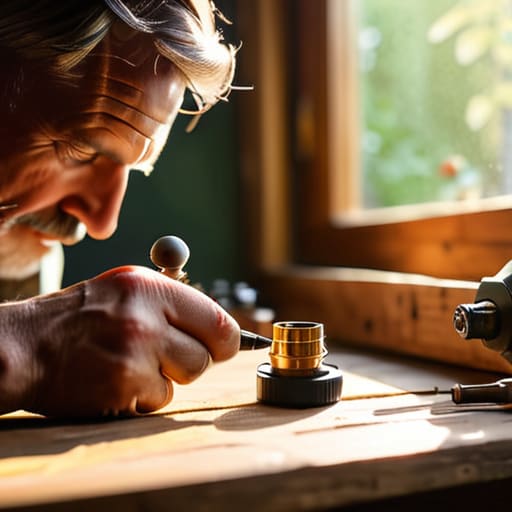
I’ve found that the real magic doesn’t happen in grand gestures, but in the small, rhythmic choices we make every day. Lately, I’ve been leaning into more sustainable living habits, like choosing to repair an old Leica lens rather than ordering a shiny new replacement online. There is a profound sense of satisfaction in tending to what you already own. It turns a chore into a meditation. By embracing a bit of mindful consumption, I’ve noticed the clutter in my mind starts to clear right along with the clutter on my workbench.
It isn’t about deprivation, though; it’s about making room for what actually matters. I’ve started implementing simple digital detox practices, like leaving my phone in a drawer while I sit on the porch with my notebook. Without that constant, buzzing pull of the digital world, I can finally hear the wind in the oaks or notice the way the light hits the valley. It’s these quiet, intentional moments that remind me that life is meant to be felt, not just managed.
Small Ways to Quiet the Noise
- Put the phone in a drawer when you sit down to eat. I’ve found that when I stop scrolling, I actually start tasting the rosemary in the roasted potatoes and noticing the way the light hits the table.
- Take the long way home. Whether it’s a different street or a path through the park, those extra ten minutes of walking allow the mind to settle in a way a highway never will.
- Master one simple, manual task. For me, it’s cleaning the brass fittings on my old Leica cameras; there’s a rhythmic, grounding peace in working with your hands that a screen can’t replicate.
- Learn to sit with silence. We often reach for the radio or a podcast the moment a room goes quiet, but there is a particular kind of clarity that only comes when you let the stillness breathe for a while.
- Keep a notebook nearby. Not for grand plans or to-do lists, but just to jot down a single observation—a particular shade of blue in the sky or the way the wind moves through the oaks—to remind yourself that the world is watching you back.
Lessons from the Slow Lane
Happiness isn’t found in the destination or the completed checklist, but in the ability to actually notice the light hitting the trees or the steam rising from your coffee.
True productivity isn’t about how much you can cram into an hour, but about having the courage to step away from the noise and reclaim your own pace.
Small, intentional rituals—like a long walk or a meal eaten without a screen in sight—are the most reliable tools we have for steadying ourselves in a frantic world.
## On the Value of the Pause
“I spent most of my career looking at blueprints and deadlines, always racing toward the next finished structure. But lately, I’ve realized that the real architecture of a life isn’t found in the grand completions, but in the quiet, unhurried spaces in between—the way the light hits a coffee cup or the steady rhythm of a long walk home.”
Bernard Oyelaran
Finding the Rhythm That Suits You
Looking back on these reflections, I realize that slowing down isn’t about doing nothing; it’s about doing the right things with intention. We’ve talked about shedding the heavy weight of hustle culture and finding solace in those small, sustainable habits that keep us grounded. Whether it’s the way the light hits a vintage lens or the simple satisfaction of a home-cooked meal, these moments are the true architecture of a life well-lived. It isn’t about reaching a destination or completing a checklist, but rather about learning to inhabit the spaces between the milestones that we so often overlook in our haste.
As I sit here in this small cafe, sketching the view from my window, I’m reminded that the world will always demand more of our time, our energy, and our speed. But you don’t have to give it everything. You have the permission to step off the treadmill whenever the air feels too thin. My hope for you is that you find your own version of a quiet afternoon—a moment where the clock doesn’t matter and the only thing that is urgent is the flavor of your coffee or the warmth of the sun on your face. Take it slow. The view is much better from here.
Frequently Asked Questions
How do you find these moments of stillness when you're still dealing with the noise and demands of modern life?
It’s a fair question, and truth be told, the noise doesn’t just vanish. I still get those frantic emails or the sudden urge to “get things done.” But I’ve learned to build small, intentional buffers. For me, it’s picking up my Leica or opening that notebook when the world feels too loud. You don’t wait for the silence to arrive; you create tiny islands of it, one quiet cup of coffee at a time.
Does slowing down mean you have to give up your career or your ambitions entirely?
Not at all. In my engineering days, I thought ambition meant running until you hit a wall. But I’ve learned that you can still build great things without losing your soul to the grind. Slowing down isn’t about abandoning your goals; it’s about changing your relationship with them. It’s the difference between sprinting toward a finish line and taking the time to ensure the foundation you’re building is actually worth standing on.
What are some small, practical ways to start practicing this without feeling like it's just another chore on a to-do list?
The trick is to stop treating “slowing down” like a project to be managed. When I was engineering bridges, everything was about efficiency, but life isn’t a construction site. Don’t add “meditate for twenty minutes” to your list; that just feels like work. Instead, just sit with your coffee for five minutes longer than usual. Or, when you’re walking to the market, leave the podcast off and just listen to your footsteps. It’s about subtraction, not addition.
