
I was sitting in a small cafe in Florence last Tuesday, watching a young man at the next table try to photograph his espresso from six different angles while his coffee went cold. He wasn’t tasting the roast; he was performing for an audience that wasn’t even there. It struck me then how much we’ve traded our actual lives for a digital shadow of them. People keep trying to sell you these expensive, complicated retreats or high-tech apps to manage your screen time, but I’ve found that most of those “expert” digital detox tips are just more noise in an already loud world.
I’m not here to give you a lecture or a complicated schedule to follow. Instead, I want to share a few simple, practical ways I’ve learned to reclaim my attention, much like how I approach restoring one of my old Leica cameras—one small, deliberate movement at a time. I’ll be sharing the honest, no-nonsense methods that actually work for me, from reclaiming my morning walks to finding the courage to leave my phone in a drawer. We aren’t looking for a miracle cure; we’re just looking to find the stillness that’s been there all along.
Table of Contents
Mindful Tech Usage to Rediscover the Present Moment
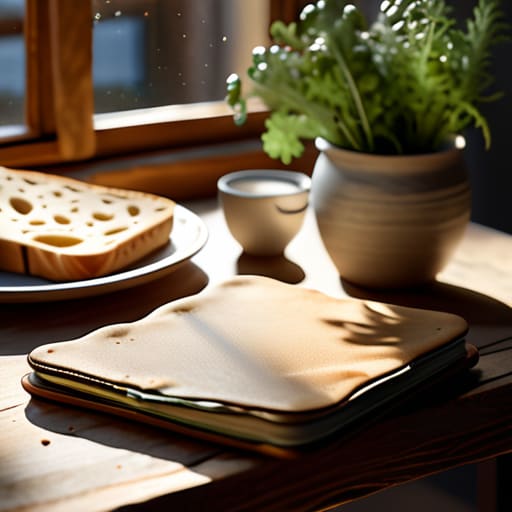
I’ve found that the trick isn’t necessarily to throw the phone into the nearest river, but to change how we hold it. For me, it started with a simple rule: no screens at the dining table. I used to catch myself scrolling through news feeds while eating a sandwich, completely missing the texture of the bread or the way the afternoon light hit the table. Now, I focus on building small digital wellness habits that protect my attention. When I’m out sketching in my notebook, my phone stays tucked away in my bag, out of sight and out of mind.
It’s also about being intentional with the evening hours. I’ve noticed that reducing blue light exposure an hour before bed makes a world of difference in how rested I feel. Instead of a glowing screen, I’ve returned to the tactile joy of a physical book or simply listening to the evening birds. It’s a small shift, but these moments of mindful tech usage allow me to actually inhabit my own life rather than just observing a digital version of it.
Smartphone Addiction Recovery Through Slowing Down

I remember when a walk in the park meant looking at the way the light hit the oak leaves, not checking how many likes a photo of those same leaves received. These days, I see people walking with their heads bowed to their screens, missing the very world they traveled to see. For me, smartphone addiction recovery isn’t about throwing the device in a lake; it’s about reclaiming the rhythm of a slower life. I’ve started leaving my phone in my jacket pocket during lunch, allowing myself to actually taste my soup and watch the pigeons instead of scrolling through a newsfeed that only serves to agitate the spirit.
It’s a gradual process, much like the way I approach restoring an old Leica camera—you can’t rush the delicate parts. I’ve found that establishing small digital wellness habits, like keeping the phone out of the bedroom entirely, has done wonders for my peace of mind. When I stop treating my device like an extra limb, I find I have more room for the quiet things. There is a certain dignity in being unreachable for an hour or two, and frankly, the world keeps turning just fine without our constant supervision.
A Few Simple Ways to Reclaim Your Quiet
- Leave the phone in the car when you go for a walk. I’ve found that if I don’t have that little glowing rectangle in my pocket, I actually look up at the way the light hits the trees instead of checking for notifications that don’t really matter.
- Designate “analog zones” in your home. Try making the dining table or the bedroom a tech-free space. There’s something to be said for sitting down to a meal and actually tasting the food, rather than scrolling through a feed while the steam rises from your plate.
- Buy a real alarm clock. It sounds old-fashioned, I know, but it stops that habit of reaching for your phone the second you wake up. It gives you a few precious minutes of stillness before the rest of the world starts demanding your attention.
- Carry a notebook instead of a device. Whenever I feel the itch to pull out my phone to capture a moment, I reach for my leather-bound one instead. Sketching a landscape or jotting down a thought forces you to slow your hands down to a human pace.
- Schedule “do nothing” time. We spend so much energy trying to be productive or connected that we forget how to just sit. Find a bench, grab a coffee, and let your mind wander without the need to document it for anyone else to see.
Small Steps Toward a Quieter Life
Start small by reclaiming your mealtimes; leave the phone in another room and focus entirely on the flavor of your food and the view from your window.
Learn to embrace the “in-between” moments—the wait for a bus or a slow afternoon—without reaching for a screen to fill the silence.
Use your hands for something tactile, whether it’s sketching in a notebook or tinkering with an old camera, to remind your brain what the real world feels like.
## The View Beyond the Glass
We spend so much time scrolling through the lives of strangers that we forget to actually inhabit our own. Put the phone in your pocket, look up, and let the world settle around you; there is a certain kind of magic in the quiet moments that a screen simply cannot capture.
Bernard Oyelaran
Finding Your Way Back to the Real World

Looking back at what we’ve discussed, it really isn’t about throwing your smartphone into the nearest river or living like a hermit in the woods. It’s much simpler than that. It’s about making those small, intentional choices—like setting a timer for your scrolling or deciding that dinner is a sacred, screen-free zone. By reclaiming our focus and slowing our pace, we stop being mere spectators of other people’s lives and start becoming active participants in our own. We’ve talked about how much we gain when we stop rushing to respond to every ping and start listening to the world around us instead.
As I sit here in this small cafe, sketching the way the afternoon light hits the cobblestones, I’m reminded that the most important things in life don’t come with notifications. They are the things we often miss because we were too busy looking down. So, my challenge to you is this: tomorrow, leave the phone in your pocket for just one hour. Go for a walk, sit on a park bench, or simply watch the clouds drift by. I promise you, the world is far more vivid and textured than any high-definition screen could ever hope to be.
Frequently Asked Questions
How do I stay disconnected during a long trip without feeling like I'm missing out on important updates from family?
I’ve found the best way is to set a schedule. Tell the folks back home, “I’ll be checking in every Tuesday and Friday.” It takes the pressure off. I keep my phone tucked away in my pack most of the day, only pulling it out when I’m sitting down for a quiet meal. That way, I’m not constantly bracing for a notification, but I still get to share the love when it matters.
Are there any simple ways to keep my phone from becoming a distraction during a quiet meal at a restaurant?
I’ve found the best way is to treat my phone like a guest who wasn’t invited to the table. I leave it tucked away in my jacket pocket or, better yet, in my bag. If I can’t see it, I don’t feel the itch to check it. Instead, I focus on the weight of the silverware and the steam rising from the plate. Let the phone wait; the meal won’t.
How can I teach my grandchildren to appreciate the world around them instead of constantly looking at a screen?
Don’t try to lecture them; just lead by example. If they see you sitting on a porch with your notebook, sketching the way the light hits the oak trees, they’ll get curious. Take them on walks where the goal isn’t to get anywhere, but to find something interesting—a peculiar stone or a bird’s nest. Show them that the world is much more vivid when you’re actually looking at it.
