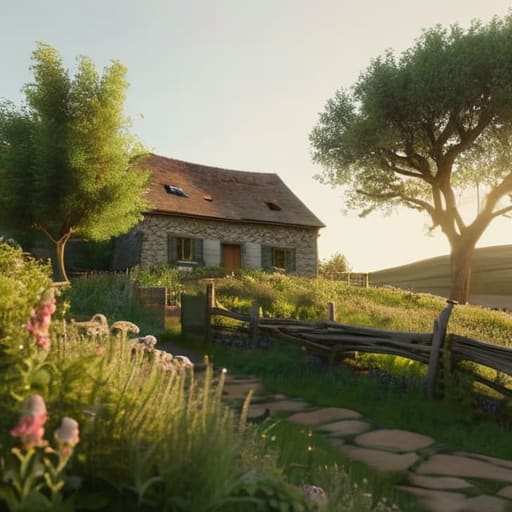
I remember sitting on a rusted tractor bench in rural Iowa last autumn, the air smelling of crushed clover and damp soil, watching the sun dip behind a silo. There wasn’t a single “curated experience” or designer linen sheet in sight, just the honest, heavy silence of the countryside. Lately, I’ve noticed a trend where people book farm stays expecting a sanitized, boutique version of rural life—something polished enough for a magazine spread but lacking any real soul. They want the aesthetic of the farm without the actual grit of it, and frankly, that’s a missed opportunity to truly connect with the land.
I’m not here to sell you on some overpriced, luxury-lite version of country living. Instead, I want to share what I’ve learned from my own travels: how to find those rare, unpretentious places where the coffee is strong, the rhythms are slow, and the connection to the earth feels entirely real. I’ll be sharing my practical, no-nonsense advice on what to look for, how to avoid the tourist traps, and how to ensure your next getaway actually helps you find that quiet peace we all need.
Table of Contents
Finding Peace in Sustainable Farm Lodging
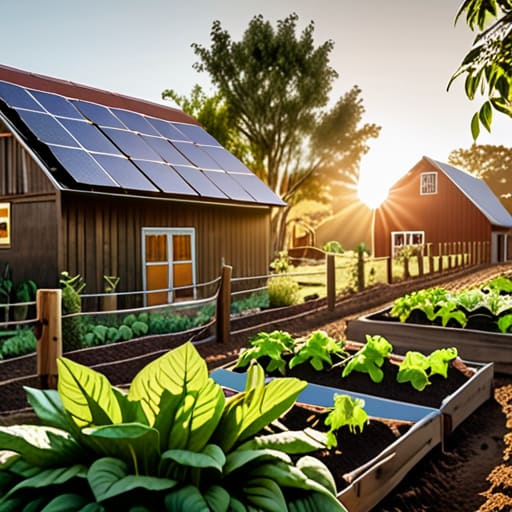
There is a particular kind of quiet that you can only find when you stay somewhere that actually works for a living. I’ve spent enough years overseeing construction sites to know the difference between a place that is just “decorated” to look rustic and a place that breathes with the land. When I look for sustainable farm lodging, I’m not looking for luxury linens; I’m looking for a sense of stewardship. I want to see the solar panels on the barn roof or the compost heaps tucked neatly away, knowing that the ground I’m walking on is being treated with respect.
It’s about more than just a bed for the night; it’s about participating in a cycle. Some of my favorite agritourism travel experiences have involved waking up before the sun to watch the mist lift off the pastures, knowing that the milk on my breakfast table was in a pail only an hour before. There is a profound, grounding comfort in knowing exactly where your food comes from. It turns a simple meal into a connection to the earth, reminding me that we are all part of something much larger and much older than our busy, modern lives.
Agritourism Travel Experiences for the Soul
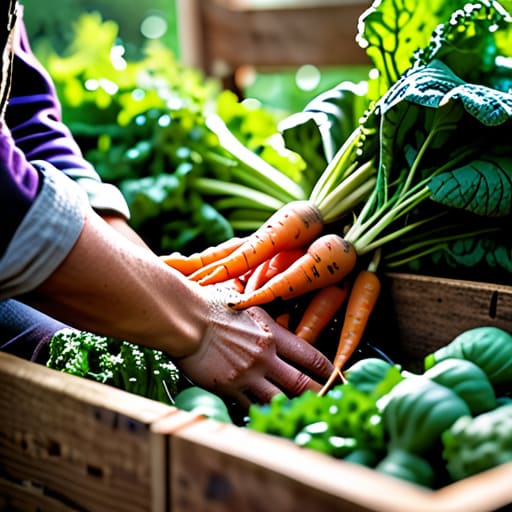
It isn’t just about where you sleep; it’s about what your hands get to do while you’re there. I’ve found that the best agritourism travel experiences aren’t found in a glossy brochure, but in the simple act of helping a farmer sort through the morning’s harvest or learning why a certain soil smells the way it does after a light rain. There is a profound, quiet dignity in working alongside people who understand the seasons, and it grounds you in a way a luxury resort never could.
When I look through my Leica lens, I’m rarely searching for grand monuments. Instead, I find myself drawn to the textures of a working farm—the weathered grain of a barn door or the way the light hits a basket of heirloom tomatoes. These rural retreat destinations offer a chance to trade the relentless hum of the highway for the rhythmic, predictable pulse of the land. It’s a reminder that even when the world feels chaotic, the earth keeps its own steady pace, and there is a deep, restorative magic in simply learning to walk in step with it.
A Few Notes from the Field: How to Make the Most of Your Stay
- Don’t be afraid to get your boots a little dirty. If the farmer offers to show you the morning milking or the vegetable patch, say yes. The real magic of these places isn’t in the linens, but in the dirt under your fingernails and the connection to where your food actually comes from.
- Pack for the rhythm of the land, not the city. Leave the stiff dress shoes at home. You’ll want sturdy walking boots for those early morning strolls and a reliable, weather-proof jacket. Out here, the weather dictates the schedule, and you’ll want to be ready when the mist clears or the rain settles in.
- Bring a physical notebook and a decent pen. There’s a specific kind of light that hits a pasture just before sunset, or a certain way the steam rises from a bowl of homemade stew, that you’ll want to capture. Digital photos are fine, but sketching a landscape or jotting down a thought in a notebook forces you to actually look.
- Embrace the quiet, even if it feels heavy at first. Coming from a life of managing loud, busy construction sites, I know how jarring the silence of the countryside can be. Don’t rush to fill it with podcasts or music. Sit on the porch, listen to the wind in the corn, and let your mind settle.
- Eat with intention. When you’re staying on a farm, the meal is the centerpiece of the day. Ask the hosts about the ingredients, find out which field the tomatoes came from, and eat slowly. It’s much harder to rush through a meal when you know the hands that grew it.
A Few Things to Carry With You
Don’t just visit for the scenery; lean into the rhythm of the place. The real magic happens when you stop checking your watch and start noticing how the light changes over the fields or how the air smells right before a rain.
Seek out the meals that have a story behind them. There is a profound difference between a menu and a meal that was grown just a few yards from where you’re sitting; one fills your stomach, but the other actually feeds your spirit.
Leave room for the unplanned. Some of my best moments on these trips haven’t been the scheduled tours, but the quiet hour spent sitting on a porch or sketching a weathered fence line while the world goes on slowly around you.
The Wisdom of the Soil
“In the city, we measure our days by the ticking of a clock and the urgency of a deadline; but on a farm, you learn to measure them by the tilt of the sun and the patience it takes for a seed to find its way through the dirt.”
Bernard Oyelaran
Finding Your Own Rhythm
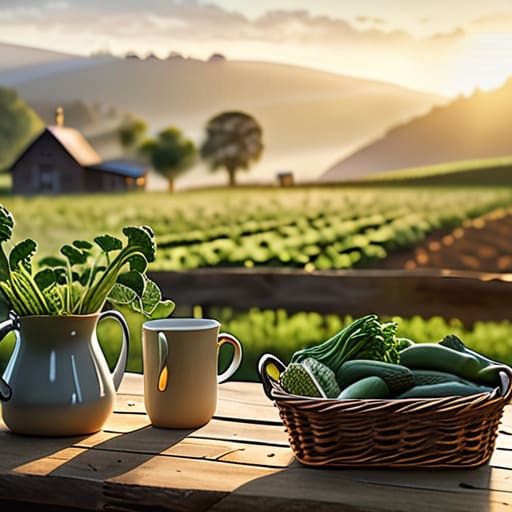
Looking back on everything we’ve discussed, it’s clear that a farm stay is much more than just a change of scenery or a place to sleep. Whether you are drawn to the sustainable practices of a small organic farm, the deep connection found in agritourism, or simply the chance to breathe air that hasn’t been filtered through an office vent, these experiences offer a necessary reset for the spirit. We’ve talked about how these stays allow us to reconnect with the source of our food and the natural cycles of the earth, proving that true luxury isn’t found in five-star hotels, but in the honest simplicity of a well-tended field and a quiet morning.
As I sit here in my favorite worn armchair, sketching the light as it hits the garden outside, I am reminded that we don’t need to travel halfway across the globe to find stillness. Sometimes, we just need to find a place where the clocks don’t seem to matter quite so much. I encourage you to seek out those pockets of quiet—those places where you can put down your phone, pick up a fork, and really taste the moment. Life moves fast enough as it is; don’t forget to stop and let the world catch up to you.
Frequently Asked Questions
Do I need to bring my own gear if I want to help out with the morning chores or garden work?
I’d suggest bringing a sturdy pair of old work gloves and perhaps some worn-in boots you don’t mind getting muddy. Most hosts are happy to provide the heavy tools, but having your own gloves makes the transition from coffee to weeding a lot more comfortable. I always keep a small pair of garden shears in my kit; there’s a certain satisfaction in using a tool you know well, even if it’s just for a morning’s work.
How much hands-on involvement should I expect, or can I just enjoy the scenery from a distance?
It really depends on what you’re looking for, but most places are quite flexible. Some hosts will invite you to help gather eggs or walk the perimeter of the orchard, which I find quite grounding. Others understand that you might just want to sit on the porch with a coffee and a sketchbook. You can certainly just be a spectator to the rhythm of the farm, provided you let them know you’re there for the quiet.
Are these types of stays suitable for someone traveling solo who just wants a quiet place to read and sketch?
To be honest, I think they’re perfect for it. I’ve spent many afternoons tucked into a corner of a farmhouse porch, my Leica resting nearby and my notebook open to a fresh page. When you’re alone, you aren’t performing for anyone; you’re just part of the landscape. There’s a certain dignity in being a quiet observer, and on a farm, nobody will ever begrudge you for sitting still for three hours just to capture the light.
