Choosing the Best Time to Visit Destinations

I was sitting in a small cafe in Vermont last October, watching a group of tourists scramble through the woods, clutching printed itineraries and checking their watches every thirty seconds. They were so preoccupied with hitting every “must-see” viewpoint that they missed the way the light hit the maples or the smell of woodsmoke drifting from a nearby chimney. It struck me then that most people treat seasonal travel like a construction deadline—something to be managed, optimized, and checked off a list. They chase the peak colors or the perfect snow, but in their rush to catch the season, they completely miss the point of being there at all.

I’m not interested in helping you build a more efficient itinerary or finding the most Instagrammable way to see the autumn leaves. Instead, I want to share what I’ve learned about traveling with intention. I’ll offer you some plain-spoken, experience-based advice on how to embrace seasonal travel without the frantic pace. My goal is to help you find those quiet, meaningful pockets of time where the scenery matters less than the stillness you find within it.

Table of Contents

The Quiet Charm of Shoulder Season Advantages
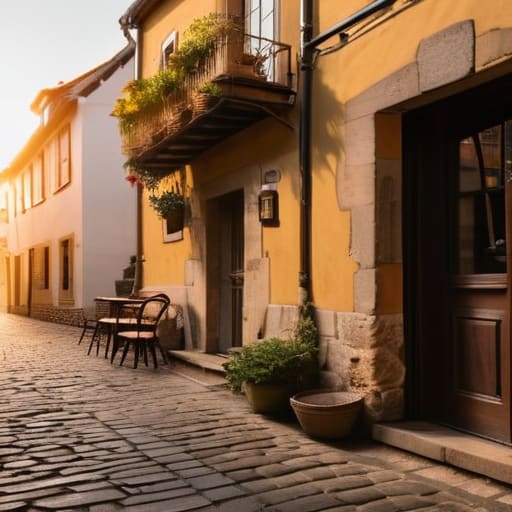
The Quiet Charm of Shoulder Season Advantages.

There is a particular kind of magic that happens when the summer crowds finally thin out and the frantic energy of high season begins to ebb. I’ve always found that the most rewarding trips occur during those transitional months—what many call the shoulder season advantages. When you step off a train or out of a car in a place that isn’t currently being overrun by tour groups, the atmosphere changes. You aren’t fighting for a seat at a local bistro or jostling for a view of a monument; instead, you get to actually speak to the proprietor or watch the light hit a cobblestone street without a sea of selfie sticks in the way.

Beyond the peace and quiet, there is a practical side to this timing that appeals to my engineering brain. Choosing these optimal travel windows allows for a bit of travel budget optimization without sacrificing the quality of the experience. You’ll often find that boutique hotels and local guesthouses offer a more personal touch when they aren’t operating at maximum capacity. It gives you the breathing room to linger over a long lunch or spend an extra hour sketching a particularly interesting facade, knowing that the world isn’t quite in such a hurry.

Optimal Travel Windows for a Slower Pace
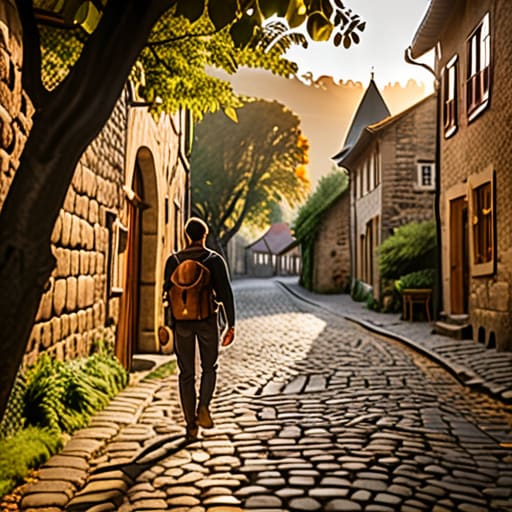
Optimal Travel Windows for a Slower Pace

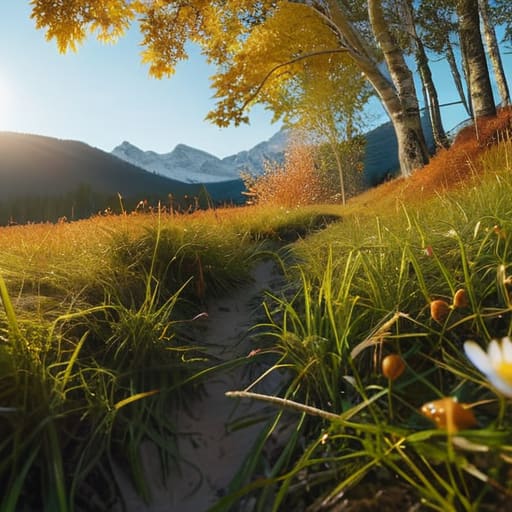
When I was managing construction sites, everything was about the clock—deadlines, efficiency, and beating the frost. But traveling has taught me the opposite. To truly find those optimal travel windows, I’ve learned to look past the glossy brochures that promise summer sun and instead look at the calendar through a different lens. For me, that often means arriving in a new place just as the crowds are thinning out, perhaps in that sweet spot in late September when the air turns crisp but the warmth hasn’t quite vanished.

It isn’t just about avoiding the lines at museums, though that is a lovely perk. It’s really about climate-based destination selection that respects your own rhythm. I find that if I plan my trips around these quieter stretches, I have the headspace to actually sit in a courtyard and sketch, rather than rushing to the next landmark before the sun goes down. There is a certain peace in knowing you aren’t competing with a thousand other travelers for the same view. By embracing these shifts, you aren’t just saving money; you are reclaiming your time.

A Few Lessons Learned from the Road

  • Pack for the transitions, not just the destination. I’ve learned the hard way that a sudden autumn chill or a late spring rain can ruin a good afternoon if you aren’t prepared. A sturdy, lightweight layer and a reliable pair of walking shoes are worth more than any fancy gadget.
  • Let the weather dictate your schedule, not a guidebook. If a morning brings a soft mist over the hills, don’t fight it to reach a landmark. Sit in a local café, pull out your notebook, and watch how the light changes. The best views often happen when you aren’t looking for them.
  • Seek out the local rhythms rather than the tourist calendars. There is a certain magic in arriving when the locals are going about their business, rather than when the crowds are descending. You’ll find the real soul of a place in the quiet moments between the big events.
  • Always carry a way to capture the small things. Whether it’s my old Leica or just a pencil and a scrap of paper, don’t let a beautiful moment pass without trying to hold onto it. It’s the tiny details—the way a shadow falls across a cobblestone street—that stay with you long after the trip ends.
  • Leave room for the unplanned detour. The most memorable parts of my travels haven’t been the famous monuments, but the small bakeries I stumbled upon because I took a wrong turn. If you plan every minute, you leave no space for serendipity to find you.

A Few Things to Carry With You

Don’t let a rigid itinerary dictate your day; leave room for a sudden rain shower or a local cafe that looks too inviting to pass up.

Pack light and choose quality over quantity, much like a well-maintained camera—you only need the essentials that serve a real purpose.

Remember that the best views aren’t always the famous landmarks, but the way the light hits a quiet street just as the sun begins to dip.

The Rhythm of the Road

“Most people travel to check boxes and cross off landmarks, but the real magic happens when you stop fighting the calendar and start moving with it; there is a profound sort of peace found in visiting a place just as it is shedding one skin and preparing for the next.”

Bernard Oyelaran

Finding Your Own Rhythm
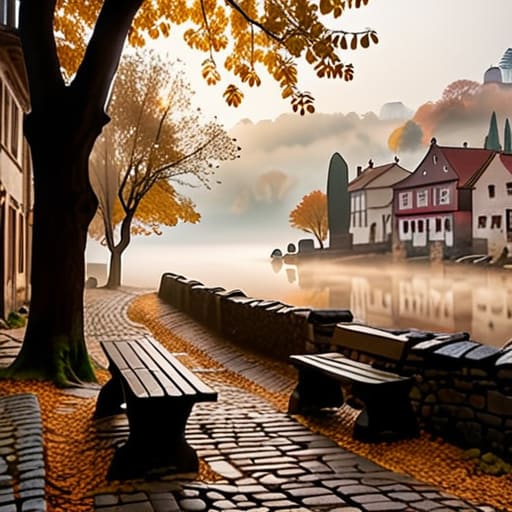
Finding Your Own Rhythm in travel.

As I look back on these different ways to approach the calendar, I’m reminded that there is no single “correct” time to see the world. Whether you find yourself drawn to the quiet, empty streets of the shoulder season or you prefer the crisp, biting air of a late autumn morning, the goal remains the same: to move through a place without feeling like you are merely checking boxes. By choosing your windows with intention, you trade the frantic energy of the crowds for something much more precious—the ability to actually connect with the soul of a destination. It isn’t about seeing the most landmarks in the fewest days; it’s about finding those unhurried moments where the scenery finally settles into your memory.

At the end of the day, my old engineering mind tells me that the most stable structures are built slowly, and I think travel is much the same. Don’t feel pressured to chase the peak summer sun if your heart is calling for a misty morning in a sleepy coastal town. The world doesn’t stop turning just because you decided to sit on a park bench for an hour to watch the light change. So, pack your bags, leave the itinerary a little loose, and remember that the best views aren’t always found at the top of a crowded tourist trail, but in the quiet spaces in between.

Frequently Asked Questions

How do you handle the unpredictable weather when traveling during those quieter shoulder seasons?

I’ve learned the hard way that you can’t engineer the weather, no matter how much you’d like to. I always pack a sturdy, lightweight raincoat and a few extra wool socks—it’s funny how a bit of dampness can sour a good day. My rule is simple: if the clouds roll in, don’t fight it. Find a local café with a good view, open my notebook, and enjoy the rhythm of the rain.

Are there certain destinations where the "off-season" might actually be too quiet or lacking in local charm?

It’s a fair question, and one I’ve pondered while sitting in many a half-empty plaza. There are certainly places where the “off-season” feels less like peace and more like a ghost town. In some coastal villages or mountain resorts, the local charm is tied directly to the bustle; when the shops shutter and the cafes go dark, you lose that vital heartbeat. If the soul of a place is its people, you don’t want to arrive when they’ve all gone home.

Do you have any tips for finding authentic, local meals when the main tourist hubs are less active?

I’ve learned that the best meals aren’t found on a map, but by following your nose and your curiosity. When the crowds thin out, I step away from the main squares and look for where the locals are congregating—usually a small, unassuming spot with a few worn chairs and a handwritten menu. If you see a place where people are eating heartily and not checking their phones, pull up a chair. That’s where the soul is.

The Art of Moroccan Hospitality and Guest Rituals

I remember sitting on a low, hand-carved stool in a dusty alleyway in Fes, my old Leica resting heavy against my chest, when I realized I had completely misread the room. I had expected some grand, choreographed performance of luxury—the kind you see in glossy travel brochures—but true moroccan hospitality isn’t a staged event for tourists. It was much simpler and far more profound: it was the smell of slow-simmering lamb, the steam rising from a chipped teapot, and the calloused hand of a shopkeeper guiding me toward a seat as if I were an old friend returning home. It wasn’t about the price of the riad, but about the unhurried grace of a stranger who simply refuses to let you pass by hungry.

I’m not here to sell you on five-star resorts or the polished version of culture found in guidebooks. Instead, I want to share what I’ve learned from the ground up—the real, unvarnished moments that happen when you actually stop moving. I’ll guide you through the etiquette of the tea pour, how to navigate a shared meal without feeling rushed, and how to truly embrace the slow pace that defines this beautiful way of life.

Table of Contents

The Rhythmic Grace of the Traditional Moroccan Tea Ceremony

The Rhythmic Grace of the Traditional Moroccan Tea Ceremony.

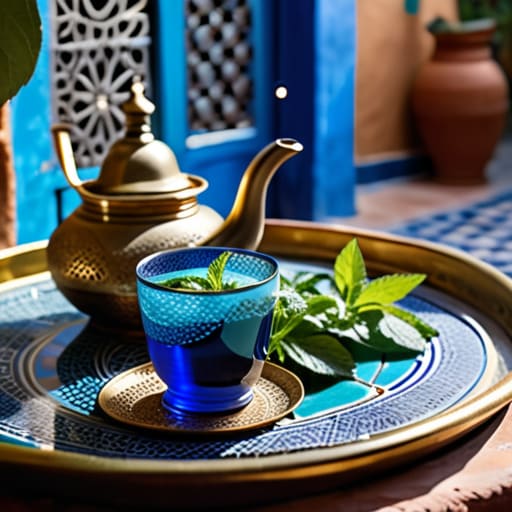
I sat there in a small courtyard in Chefchaouen, my notebook resting on my knee, watching the host prepare for what felt less like a drink and more like a performance. There is a specific, practiced rhythm to the traditional Moroccan tea ceremony that demands your full attention. It begins with the scent—a heavy, sweet cloud of fresh spearmint and gunpowder green tea that seems to settle the very air around you. He didn’t rush; he moved with the steady precision I used to appreciate in a well-constructed blueprint, measuring out the leaves and sugar with a quiet, practiced dignity.

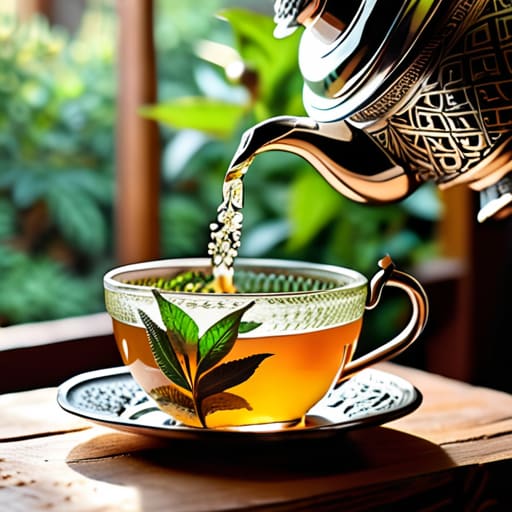
The real magic, however, happens during the pour. He lifted the silver teapot high above the glass, a distance that would make any clumsy hand tremble, creating a thin, aerated stream that frothed perfectly at the surface. This Moroccan tea pouring technique isn’t just for show; it’s a way of aerating the tea and creating that essential layer of foam. As I watched the amber liquid catch the afternoon light, I realized that in these moments, time doesn’t just slow down—it seems to stop entirely.

Understanding the Cultural Significance of Mint Tea

Understanding the Cultural Significance of Mint Tea.

To the uninitiated, it might just look like a sugary infusion of green tea and fresh sprigs, but to understand the true cultural significance of mint tea is to understand the very heartbeat of North African social norms. It isn’t something you gulp down while checking your watch; it is a social contract. When a host offers you a glass, they aren’t just quenching your thirst—they are offering you their time and their respect. In my years managing construction crews, I learned that you can’t build anything lasting without a bit of rapport, and here, that rapport is built one steaming glass at a time.

There is a certain rhythm to the hospitality that I find deeply grounding. Whether you are in a bustling riad or a quiet village home, the Moroccan guest hosting traditions dictate a pace that demands your full presence. You don’t rush the tea, and you certainly don’t rush the conversation. It’s a beautiful, slow dance of politeness that reminds me why I started traveling this way in the first place: to realize that the most important things in life usually happen when we finally stop rushing.

A Few Lessons in the Art of Lingering

  • Don’t rush the pour. When you’re offered tea, resist the urge to check your watch or reach for your phone. The ceremony is slow for a reason; it’s an invitation to settle in, and rushing through it is like trying to read a book by sprinting through the pages.
  • Accept the first offering with grace. Even if you aren’t particularly thirsty, taking that first steaming glass is a gesture of respect toward your host. It’s less about the liquid and more about acknowledging the effort they’ve made to welcome you into their space.
  • Embrace the “extra” helping. In Morocco, hospitality is often measured in refills. If a host keeps offering more, it isn’t a test of your appetite; it’s their way of showing they value your presence. Accepting a second or third glass is a quiet way of saying, “I’m enjoying this company.”
  • Leave the door (and the table) slightly ajar. The best conversations happen in the gaps between the food and the tea. Don’t be afraid to let the meal stretch long into the afternoon. Some of my best sketches were done while sitting around a table long after the tagine had been cleared away.
  • Watch the small gestures. Hospitality here isn’t found in a formal service manual; it’s in the way a host moves to ensure you have the best seat or how they carefully arrange the sweets. Notice these little details—they are the real heartbeat of the culture.

Lessons from the Table

Hospitality in Morocco isn’t a checklist of services; it’s a genuine, slow-paced exchange of warmth that turns a stranger into a guest through the simple act of sharing a meal.

The tea ceremony serves as a vital social anchor, teaching us that the most meaningful connections often happen when we stop rushing and start listening.

To truly experience the heart of the culture, one must embrace the art of lingering—finding the beauty in the steam of a glass and the quiet company of those around you.

## A Lesson in Presence

I’ve spent my life measuring things in steel and concrete, but in Morocco, I’m learning to measure a life by the length of a conversation and the warmth of a shared plate. Hospitality here isn’t a polite gesture; it’s an invitation to finally stop rushing and simply be.

Bernard Oyelaran

The Heart of the Matter

The Heart of the Matter: Moroccan hospitality.

As I sit here in this small courtyard, my leather-bound notebook resting beside a nearly empty glass of tea, I realize that Moroccan hospitality isn’t found in a guidebook or a list of etiquette rules. It is found in the steam rising from a tagine, the deliberate, practiced pour of the mint tea, and the way a stranger’s eyes light up when they invite you to sit. It is a complex tapestry woven from generosity and presence, reminding us that the rituals of sharing food and drink are much more than just sustenance. They are the very threads that hold a community together, turning a simple meal into a profound act of connection.

If there is one thing I have learned from my travels—and perhaps from a lifetime of watching how things are built and maintained—it is that the most lasting structures aren’t made of steel or concrete, but of human kindness. We spend so much of our lives rushing toward the next milestone, always looking at the clock, that we forget how to truly be present with one another. Morocco has taught me to embrace the pause. So, the next time you find yourself in a new place, don’t just pass through. Stop, sit down, and let the world slow down to the pace of a shared cup of tea.

Frequently Asked Questions

How much of the hospitality is a formal tradition versus a genuine, spontaneous gesture from locals?

To be honest, I spent a few days sitting in a small café in Chefchaouen just watching people, and it’s a bit of both. There’s certainly a ritual to the tea—the pouring height, the sugar, the timing—that feels very much like a practiced tradition. But the warmth behind it? That’s entirely real. It isn’t a performance for tourists; it’s a genuine, spontaneous desire to share a moment of stillness with a stranger.

Are there certain social rules or etiquette I should follow when I'm invited into someone's home for a meal?

When you’re invited into a Moroccan home, remember that you aren’t just a guest; you’re a gift. It’s polite to accept the initial offering of tea, even if you’re full—it’s more about the connection than the thirst. If you’re eating with your hands, use only your right; it’s a small detail, but it shows respect for their traditions. Most importantly, don’t rush. Sit, linger, and let the conversation flow as slowly as the tea.

Is it considered impolite to decline a second glass of tea if I've already had enough?

It’s a delicate thing, isn’t it? In my years of traveling, I’ve found that hospitality here is a gentle tug-of-war. If you’re truly full, you don’t have to force it, but a polite, warm refusal is key. A small smile and a hand over your heart while saying “Shukran” (thank you) goes a long way. It’s less about the liquid in the glass and more about acknowledging the kindness behind the pour.

Tips for Gluten Free Cooking

I remember sitting in a small bistro in Florence last autumn, watching a young man stare despondently at a menu because he couldn’t find a single thing to eat. It struck me then how much we’ve turned gluten free cooking into this high-stakes, expensive ordeal filled with strange powders and laboratory-made substitutes that taste more like cardboard than food. We’ve been told that if we want to eat well without wheat, we have to spend a fortune on specialty aisles and follow recipes that look like complex engineering blueprints. It’s a lot of noise, and frankly, it’s exhausting.

I’m not here to sell you on fancy, processed flour blends that cost a week’s worth of groceries. Instead, I want to share what I’ve learned by slowing down and getting back to the basics of what actually tastes good. I’ll be offering you some straightforward, common-sense approaches to the kitchen—the kind of practical wisdom you can use without needing a chemistry degree. My goal is to help you rediscover the joy of a simple, hearty meal, proving that you don’t need to sacrifice flavor to find peace on your plate.

Table of Contents

Discovering Joy Through Naturally Gluten Free Foods

Discovering Joy Through Naturally Gluten Free Foods

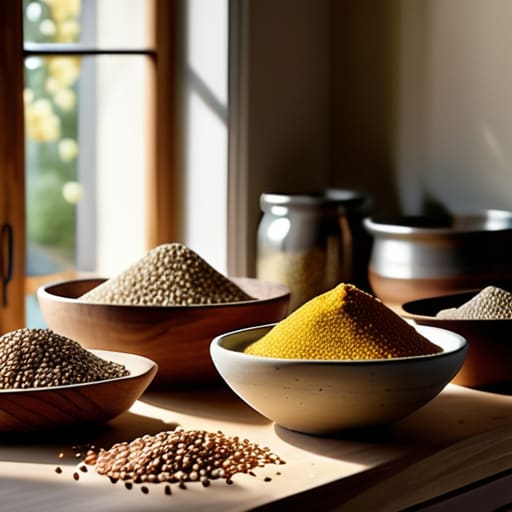
I’ve found that the easiest way to ease into this way of eating is to stop looking for replacements and start looking at what’s already there. For years, I thought a meal wasn’t complete without a heavy roll or a thick slice of bread on the side. But lately, I’ve been leaning into naturally gluten free foods—the kind that don’t require a chemistry degree to understand. There is a certain honesty in a roasted sweet potato, a bowl of steaming quinoa, or a simple pan of seared salmon and seasonal vegetables. These ingredients don’t try to mimic anything else; they simply are what they are.

When I sit down at my small wooden table with my notebook, I find myself appreciating the textures of these whole foods more than I ever did with processed goods. Instead of fussing over complex alternative grains for cooking to replicate a sourdough, I’ve learned to embrace the nutty richness of buckwheat or the lightness of millet. It turns a meal from a chore of substitution into a genuine exploration of flavor. It’s about finding that quiet satisfaction in a plate that feels both nourishing and uncomplicated.

Curating Your Soulful Gluten Free Pantry Staples

Curating Your Soulful Gluten Free Pantry Staples

Setting up a kitchen after deciding to step away from wheat can feel a bit like surveying a new construction site; you need a solid foundation before you can build anything meaningful. I’ve found that the secret isn’t in finding perfect replicas of the bread I used to eat, but in gathering a collection of alternative grains for cooking that actually have some character. I keep a steady supply of quinoa, buckwheat, and perhaps a jar of good polenta on hand. These aren’t just substitutes; they are ingredients with their own stories, textures, and histories to tell.

When I’m browsing the local market, I’ve learned to take my time, often sitting on a bench just to observe the rhythm of the aisles. I’ve become quite adept at reading food labels for gluten, looking past the flashy marketing to see what’s truly inside. It’s a slow process, but there is a certain quiet satisfaction in knowing exactly what is going into my body. I also make sure to keep my dedicated wooden spoons and cutting boards tucked away—a little bit of cross contamination prevention goes a long way in keeping the peace in my kitchen.

Small Rituals for a Flour-Free Kitchen

  • Don’t go hunting for replacements right away; instead, lean into the ingredients that never needed changing in the first place. A roasted sweet potato or a bowl of hearty lentils doesn’t need a fancy substitute to feel complete.
  • Treat your new flour blends like a delicate instrument. When I’m working with almond or coconut flours, I’ve learned you can’t just rush the mixing like you would with standard wheat. It requires a gentler touch and a bit more patience.
  • Keep a close eye on the small things, much like I do when I’m cleaning the gears of an old Leica. Check the labels on your spices and broths; sometimes the gluten hides in the most unexpected corners, tucked away in a thickener or a stabilizer.
  • Embrace the texture. Sometimes, a gluten-free crust might be a little more crumbly or a bread a bit denser than what we grew up with. Don’t fight it. Sit down, pour a cup of tea, and appreciate the unique character of what you’ve created.
  • Season with your heart, not just a recipe. When you aren’t relying on the heavy structure of gluten, the true flavors of your herbs and oils can really sing. Take a moment to smell the rosemary or the garlic before it hits the pan—it’s the best part.

A Few Things to Carry With You

Don’t let the absence of wheat feel like a loss; instead, look at your plate as a new canvas for the vibrant, honest flavors that nature provided from the start.

Treat your pantry like a well-kept workshop—keep only the staples that truly nourish you, and take pride in the quality of the ingredients you choose to bring home.

Above all, remember that the goal isn’t perfection on a plate, but the quiet satisfaction of a meal prepared with intention and eaten without haste.

## A Lesson from the Kitchen Table

“Cooking without gluten isn’t about what you’re stripping away from the plate; it’s about finally having the time to notice the honest, earthy textures of the ingredients that were there all along.”

Bernard Oyelaran

Finding Your Rhythm in the Kitchen

Finding Your Rhythm in the Kitchen.

As I sit here in this small cafe in Florence, watching the light shift across the cobblestones, I’m reminded that transitioning to a gluten-free way of life doesn’t have to feel like a series of subtractions. We’ve talked about leaning into the bounty of nature—those vibrant, whole foods that require very little intervention—and the importance of building a pantry that feels like a well-stocked toolkit rather than a collection of restrictions. Whether it’s the earthy richness of quinoa or the simple reliability of a good almond flour, these ingredients are merely new tools to help you build something beautiful. It isn’t about what you’re missing; it’s about relearning the textures and flavors that truly nourish your body.

If there is one thing my years in engineering taught me, it’s that the most enduring structures are built with patience and attention to detail. The same applies to your kitchen. Don’t let a failed loaf of bread or a gritty sauce discourage you. Instead, take a breath, clean your workspace, and try again tomorrow. Cooking is a practice, not a performance. My hope is that you find more than just a way to eat; I hope you find a new kind of peace in the ritual of preparation. Slow down, enjoy the scent of the spices, and remember that the best meals are seasoned with presence.

Frequently Asked Questions

How do I find those hearty, textured grains that don't feel like I'm just eating sawdust?

That’s the million-dollar question, isn’t it? I remember my first few weeks feeling like I was chewing on nothing but cardboard. The secret is to look past the processed “replacement” bags and seek out the whole grains that have lived a real life. Look for buckwheat, quinoa, or even sorghum. They have a wonderful, earthy bite to them. Don’t be afraid of a little texture; that’s where the soul of the meal lives.

Are there any simple ways to make gluten-free bread that actually tastes like something from a real bakery?

The secret, I’ve found, isn’t in a complex recipe, but in patience and moisture. Most gluten-free breads turn out like bricks because we rush them. Try adding a bit of psyllium husk for that chewy, elastic pull, and don’t be afraid of a little extra hydration. Most importantly, let the dough rest. Just like a good landscape, bread needs time to settle before it’s truly ready to be appreciated.

When I'm traveling and away from my own kitchen, how do I find decent, soulful meals that aren't just processed substitutes?

When I’m off the beaten path, I’ve learned to stop looking for “gluten-free” signs and start looking for real food. I steer clear of the modern cafes and head straight for the local markets or family-run bistros. I look for menus that celebrate things like roasted vegetables, fresh fish, or a hearty bowl of rice and beans. If the ingredients look like they came from the earth rather than a factory, you’re usually in good hands.

Using Creative Expression to Support Mental Health

I was sitting in a small café in Bruges last Tuesday, watching a young man try to film a sunset with a high-end smartphone, his face tight with frustration because the lighting wasn’t “perfect.” It struck me how much we’ve been sold a bill of goods regarding creative expression. We’ve been led to believe that you need expensive gadgets, a formal degree, or some sort of divine spark to truly make something meaningful. To my mind, that’s absolute nonsense. Real creativity isn’t about the gear you own; it’s about the way you choose to look at the world around you when everyone else is looking at their watches.

I’m not here to give you a lecture on art theory or sell you a course on how to become a master painter overnight. Instead, I want to talk about how we can use simple, tactile hobbies—like sketching in a notebook or tinkering with an old Leica—to reclaim our sense of wonder. I’ll be sharing some honest, unpretentious ways to weave more creative expression into your daily routine, focusing on the process rather than the result. My goal is to help you find that same quiet satisfaction I feel when a shutter clicks just right.

Table of Contents

Finding Your Creative Voice in the Quiet Moments

Finding Your Creative Voice in the Quiet Moments.

I’ve found that my best ideas rarely come when I’m sitting at a desk, staring intently at a blank page or a complex blueprint. Instead, they tend to arrive when I’m sitting on a weathered park bench, watching the light shift across a lake, or fiddling with the delicate gears of an old Leica camera. There is a profound sense of mindfulness and artistic creation that happens when you stop trying to force an outcome and simply allow yourself to observe. When the world slows down, the noise in your head tends to quiet as well, making room for something much more authentic to emerge.

For me, this isn’t about producing a masterpiece to hang in a gallery; it’s about the simple act of finding your creative voice through the things you love. Sometimes, that voice is found in the scratch of a pencil against my leather notebook or the way a certain shadow falls across a stone wall. It’s a way of processing the world. When life feels a bit too heavy or cluttered, leaning into these small, quiet acts of making can feel like a long, deep breath for the soul.

The Psychological Benefits of Creativity and Calm

The Psychological Benefits of Creativity and Calm.

I’ve noticed that when I sit down with my notebook or tinker with the gears of an old Leica, the constant hum of worry in my head just… settles. It’s not that the world stops being noisy, but my internal volume dials down. There is a profound emotional release through art that I didn’t quite appreciate during my years managing construction sites. Back then, I was always looking at the finish line, the deadline, the structural integrity. Now, I realize that the act of making something—even if it’s just a messy sketch of a diner breakfast—serves as a way to process the day without needing a single word.

It isn’t about being a master of any craft; it’s about the quiet rhythm of the process itself. I’ve found that the psychological benefits of creativity often stem from this very lack of pressure. When you aren’t trying to impress anyone, you stumble into a state of flow that feels remarkably like meditation. It’s a way of mindfulness and artistic creation working in tandem, allowing you to anchor yourself in the present moment. For me, that’s where the real healing happens—in the steady, unhurried space between the thought and the stroke.

A Few Simple Ways to Let the Creativity Flow

  • Put away the phone and grab something tactile. Whether it’s a charcoal pencil, a piece of wood, or even just a fountain pen, there is a certain magic in the way your hands feel when they are actually making something real.
  • Stop worrying about the end result. When I’m working on an old Leica camera, I’m not thinking about the perfect shot; I’m just enjoying the click of the shutter and the way the gears mesh. Do the same with your hobby—let it be messy.
  • Find a regular “quiet spot.” For me, it’s a particular bench by the lake. Having a dedicated space where the world slows down helps your mind realize it’s finally safe to wander and dream.
  • Observe the small things. Next time you’re sitting at a cafe, don’t just scroll through your newsfeed. Look at how the light hits the coffee steam or the way the shadows stretch across the pavement. Those details are the seeds of every good idea.
  • Don’t wait for inspiration to strike like lightning. Creativity is more like a slow-growing garden; you have to show up every day, even if it’s just for ten minutes, to tend to it.

A Few Things to Carry With You

Don’t wait for a grand occasion or a studio to start creating; a simple sketch in a notebook or a thoughtful note can be just as meaningful as a masterpiece.

Let your creative pursuits be a way to slow down rather than another task on your to-do list—the goal is the process, not the finished product.

Use these quiet moments of expression to reconnect with yourself, allowing the rhythm of your hands to quiet the noise of a busy world.

The Art of Noticing

“Creative expression isn’t about producing a masterpiece for a gallery; it’s more like the steady hand required to fix an old Leica—it’s about the patience to look closely, the willingness to get your hands a little dirty, and the quiet joy of seeing something clearly for the very first time.”

Bernard Oyelaran

A Final Thought from the Porch

A Final Thought from the Porch.

As I look back on what we’ve discussed, it’s clear that creativity isn’t some lofty, unreachable mountain reserved for the “gifted.” It’s much closer to the ground than that. Whether it’s the way you arrange the vegetables on a dinner plate, the steady rhythm of a morning walk, or the way you carefully sketch a crumbling stone wall in your notebook, you are engaging with the world. We’ve seen how these small acts of expression act as an anchor, providing a much-needed buffer against the noise of a frantic life and offering a way to reclaim our internal sense of calm. It really comes down to the simple realization that creating something is a way of truly seeing.

So, my advice to you is this: don’t wait for a grand inspiration to strike before you begin. Don’t worry about whether your sketches are precise or if your writing is profound. Just pick up the pen, the brush, or the camera, and let yourself be a beginner again. There is a profound, quiet dignity in the attempt. Life moves fast enough as it is; don’t let it blur past you without leaving a mark. Find your own way to slow the clock down, and remember that the beauty is often found in the process, not just the finished piece.

Frequently Asked Questions

How do I start being creative if I feel like I don't have a "natural talent" for it?

I used to think the same thing when I first picked up a camera. I thought you had to be born with an “eye” for it. But honestly? Talent is a bit of a trap. It makes us afraid to be bad at something. Don’t aim for a masterpiece; just aim to notice. Pick up a pencil or a spoon and just play. Creativity isn’t about being good; it’s just about being present.

Is it possible to find time for these quiet, creative moments even when life feels incredibly busy?

I used to think I needed a whole afternoon set aside for something meaningful, but that’s a trap. If I waited for a clear schedule, I’d never pick up my camera or my notebook. The trick is to find the gaps. It’s ten minutes with a sketchpad while waiting for coffee, or noticing the light hitting a brick wall on your walk to the car. Don’t wait for time; just steal it.

Do I need to produce something beautiful, or is the act of creating enough on its own?

I used to think that if a project didn’t result in something polished and structurally sound, it was a waste of time. But after years of sketching in this little notebook, I’ve learned better. The beauty isn’t in the final product; it’s in the way your mind settles when you’re focused on the task. If the act of creating brings you a bit of peace, then you’ve already succeeded. The “result” is just a souvenir.

Incorporating Self Care Into Your Busy Life

I’ve seen enough marketing gloss to know that most people treat “self care rituals” like they’re something you have to buy in a fancy glass bottle or schedule between back-to-back meetings. They make it sound like a luxury—something reserved for people with endless bank accounts and a surplus of time. But after thirty years of managing construction crews and high-stakes infrastructure projects, I’ve learned that true restoration doesn’t come from a spa day or a $50 scented candle. It’s much simpler than that. Most of the modern advice out there is just noise designed to make you feel like you’re failing if you aren’t constantly optimizing your soul.

I’m not here to sell you on a lifestyle overhaul or a complicated ten-step routine. Instead, I want to share what I’ve gathered from a lifetime of long walks and quiet mornings: the small, unpretentious habits that actually keep a man steady when the world gets loud. I’ll be talking about the kind of practical, grounded practices that cost nothing but a bit of intention. My goal is to help you find your own way to slow down and notice the small things, because that is where the real healing happens.

Table of Contents

Morning Wellness Routines for a Slower Start

Morning wellness routines for a slower start.

I’ve found that the way we greet the sun sets the tone for everything that follows. In my engineering days, I used to wake up to the shrill, aggressive blare of an alarm, immediately bracing myself for the day’s structural demands. These days, I prefer a gentler approach. I’ve learned that establishing simple morning wellness routines—like sitting on the porch with a heavy ceramic mug of coffee—prevents that frantic feeling from taking root. There is something deeply grounding about watching the mist lift off the grass before the rest of the world starts its engines.

Instead of reaching for my phone to check the news or emails, I spend a few minutes with my leather notebook. I might sketch the silhouette of an oak tree or simply jot down three things I’m grateful for. These small mindfulness practices for stress relief don’t take much time, but they act like a steady foundation for a building. They ensure that when the inevitable chaos of the day arrives, I have a bit of internal stability to lean on.

Holistic Wellness Habits Found in a Long Walk

Holistic wellness habits found in a long walk.

There is a specific kind of clarity that only comes when your boots hit the dirt and the world begins to move at the pace of your own breath. I’ve found that a long walk is perhaps the most underrated of all holistic wellness habits. It isn’t about hitting a certain step count or tracking a heart rate on a glowing screen; rather, it’s about the rhythmic movement of your feet and the way the air feels against your skin. When I’m out on the trail, the heavy, cluttered thoughts that tend to pile up during the week start to settle, much like the dust after a heavy rain.

I often find myself stopping to look at the way the light filters through the canopy or the intricate patterns of frost on a stone. These small moments act as natural mindfulness practices for stress relief, pulling my attention away from yesterday’s regrets and tomorrow’s anxieties. It’s a way of grounding myself in the present. By the time I turn back toward home, the mental fog has usually lifted, leaving me with a sense of quiet composure that no amount of sitting still could ever provide.

Small Anchors to Keep You Steady

  • Put the phone in a drawer for twenty minutes during your meal. There is a certain kind of peace that comes from actually seeing the steam rise from your soup without the distraction of a glowing screen.
  • Keep a physical notebook nearby, even if you aren’t an artist. Jotting down a single thing you noticed that day—the way the light hit a brick wall or the smell of rain—forces you to actually inhabit the moment.
  • Find a “quiet spot” in your own neighborhood. It doesn’t have to be a park; it could just be a specific bench or a corner of your porch. Make it your designated place for doing absolutely nothing at all.
  • Learn the rhythm of a manual task. Whether it’s cleaning a camera lens or tending to a single potted plant, there is a meditative quality to working with your hands that a digital life just can’t replicate.
  • Practice the art of the slow sip. Whether it’s coffee in the morning or a glass of wine in the evening, don’t just gulp it down to get to the next thing. Let the warmth settle. It’s a small way of telling yourself that you are worth the time.

Small Lessons from a Slower Pace

True wellness isn’t found in a grand gesture or an expensive retreat, but in the quiet intention you bring to a morning cup of coffee or a walk through the neighborhood.

Don’t be afraid to disconnect from the rush; sometimes the most productive thing you can do for your spirit is to sit still and simply observe the world around you.

Treat your daily rituals like a well-built structure—give them a solid foundation of patience and consistency, and they will support you when life gets heavy.

The Quiet Work of Staying Whole

Self-care isn’t some grand, expensive project you have to manage; it’s more like the steady maintenance of an old bridge. It’s those small, quiet moments—a slow cup of coffee, a bit of time with a good book, or simply breathing in the morning air—that keep the structure of your spirit from weathering away.

Bernard Oyelaran

Finding Your Own Rhythm

Finding Your Own Rhythm through mindful habits.

As I look back on everything we’ve discussed, from those quiet morning rituals to the simple clarity found on a long afternoon stroll, I’m reminded that self-care isn’t some grand, expensive production. It isn’t about buying the latest gadgets or following a rigid, demanding schedule that only adds more stress to your plate. Instead, it’s about the small, intentional choices—the way you hold your coffee mug, the decision to leave the phone in your pocket while you walk, or simply allowing yourself the grace to breathe. Whether it’s a slow meal or a moment of stillness, these habits are the foundation of a life well-lived.

If there is one thing I’ve learned in my years of managing chaotic construction sites and now navigating the quiet of retirement, it’s that we cannot pour from an empty cup. We spend so much of our lives rushing toward the next milestone that we forget to inhabit the space we are currently in. My hope for you is that you don’t just read these words, but that you actually take the time to linger. Don’t be afraid to slow down; the world will still be there when you get back. After all, life is found in the details, not in the speed at which we pass them by.

Frequently Asked Questions

How do you find time for these small rituals when your daily schedule feels completely overwhelming?

I used to think I needed a wide-open afternoon to find peace, but that’s a luxury we rarely have. Now, I look for the “cracks” in the day. It’s not about adding more to the list; it’s about changing how you handle what’s already there. If you’re stuck in traffic, don’t reach for the news—just listen to the rain or a quiet song. It’s about reclaiming those tiny, stolen moments.

Do you think these habits need to be elaborate, or can they really be as simple as sitting quietly with a cup of tea?

Oh, they can be as simple as that. In fact, I think they ought to be. When I was managing construction sites, I thought everything required a complex blueprint to work. But retirement has taught me otherwise. If you need a three-hour ritual to feel centered, you’re just adding another task to your list. A quiet moment with a cup of tea—just watching the steam rise—is plenty. It’s the stillness that counts.

How do you stay consistent with these routines when you're traveling or away from the comfort of your own home?

I’ve found that the trick isn’t about recreating my home exactly, but about carrying the same spirit with me. I pack my little leather notebook and my favorite pen—those are my anchors. Whether I’m in a bustling train station or a quiet village, I look for one small thing to notice, like the way the light hits a stone wall. If I can find a quiet corner for a meal and a moment to sketch, I feel right at home.

Learning From Indigenous Wisdom and Natural Living

I was sitting in a small, sun-drenched cafe in the high desert last Tuesday, watching a young man at the next table scroll through a self-help app while sipping a twelve-dollar matcha latte. He was reading a headline about how to “manifest” spiritual growth, and it struck me how much we’ve managed to turn indigenous wisdom into just another expensive commodity to be bought, packaged, and consumed in fifteen-minute increments. It’s a bit ridiculous, isn’t it? We try to strip away the history and the struggle, turning ancient, hard-won ways of living into shallow trends that fit neatly into a smartphone screen.

I’m not here to sell you a lifestyle hack or a way to “optimize” your soul. What I want to do is share what I’ve gathered from my own slow travels and the quiet conversations I’ve had with people who actually live in harmony with the land. I want to talk about the practical, unvarnished truths found in indigenous wisdom—the kind that teaches you how to actually listen to the world around you. We’ll skip the fluff and focus on how these old ways can help us find a bit more stillness in a world that won’t stop running.

Table of Contents

Savoring the Earths Bounty via Indigenous Plant Medicine

Savoring the Earths Bounty via Indigenous Plant Medicine

I was sitting by a small stream in the foothills last Tuesday, watching the way the light caught the underside of the willow leaves, when I realized how much we’ve lost by viewing nature as merely a resource. For most of my career, I saw the land as something to be graded, paved, and managed. But as I’ve spent more time observing, I’ve come to see that indigenous plant medicine isn’t just about finding a cure for a headache; it’s about a fundamental understanding of how we fit into the landscape.

There is a profound depth to traditional ecological knowledge that no textbook could ever replicate. It’s a way of knowing that comes from listening—really listening—to the rhythm of the seasons and the specific language of the soil. When we look at how different cultures have used local flora for centuries, we aren’t just looking at old remedies. We are seeing a blueprint for holistic living through heritage, one where the health of the person and the health of the forest are treated as the exact same thing.

The Gentle Rhythm of Intergenerational Oral Traditions

The Gentle Rhythm of Intergenerational Oral Traditions.

I was sitting by a small creek in the foothills last Tuesday, sketching the way the light hit the moss, when I realized how much we lose when we stop listening. In my engineering days, everything was about blueprints and hard data—things you could measure with a ruler. But as I’ve traveled more, I’ve learned that the most vital blueprints aren’t drawn on paper; they are carried in the breath of elders. These intergenerational oral traditions act as a living bridge, passing down more than just facts. They pass down a way of being.

It isn’t just about memorizing names of trees or the timing of the seasons. It’s about the spirit of the story itself. When a grandmother tells a tale about the mountain, she isn’t just entertaining a child; she is weaving a thread of traditional ecological knowledge into their very identity. She is teaching them that the land is a relative, not a resource. There is a profound, quiet strength in that kind of continuity—a reminder that we are part of a much longer, much more beautiful conversation than our hurried modern lives usually allow us to hear.

Small Ways to Walk a Little Closer to the Ground

  • Stop treating the land like a backdrop for your photos. Next time you’re out for a stroll, try to notice the specific way the moss grows on the north side of a tree or how the wind shifts just before a rain. It’s about being a guest in nature, not just a passerby.
  • Listen more than you speak when sitting with elders. I’ve learned that the best lessons aren’t found in a manual or a textbook, but in the pauses between a person’s words and the stories they tell about the places they’ve lived.
  • Eat with intention, not just for fuel. Many indigenous traditions teach us that food is a gift from the earth. Try to find out where your meal came from and take a moment to appreciate the hands that grew it and the soil that nourished it.
  • Practice the art of seasonal living. We spend so much time trying to fight the weather with thermostats and artificial lights. There is a quiet peace in accepting the rhythm of the seasons—letting yourself slow down in the winter and bloom a little more in the spring.
  • Leave things better than you found them, in the smallest sense. It doesn’t have to be a grand gesture; it can be as simple as picking up a stray bit of litter or making sure you haven’t disturbed the quiet of a space. It’s about leaving a soft footprint behind.

Lessons to Carry in Your Pocket

We don’t need to reinvent the wheel; sometimes, the most profound way to live is to simply sit still long enough to listen to the wisdom that’s been whispered through the generations.

Respecting the land isn’t some grand, abstract concept—it’s as simple as treating the soil and the plants with the same quiet reverence you’d show an old friend.

True abundance isn’t found in how much we can gather, but in the slow, intentional way we savor what the earth has already so generously provided.

A Different Kind of Blueprint

“In my old life, I was taught to master the land with steel and concrete, but the old ways teach us something far more enduring: that we aren’t here to impose our will upon the world, but to learn the quiet language of its rhythms and live in harmony with its design.”

Bernard Oyelaran

Finding Our Own Way Back

Finding Our Own Way Back to nature.

Looking back on everything we’ve discussed, it’s clear that indigenous wisdom isn’t some dusty relic to be kept in a museum; it’s a living, breathing way of being. Whether it’s the way a community honors the medicinal properties of the plants right under our feet or the way stories are passed down through the warmth of a shared meal, these practices teach us something vital. They remind us that we aren’t separate from the world, but a part of a delicate, interconnected web. We’ve seen how much we stand to gain by simply listening more and rushing less, turning our attention away from the noise and back toward the natural rhythms that have sustained us for millennia.

As I sit here in this small café, sketching the light hitting the cobblestones, I’m reminded that we don’t have to live in a different era to embrace these truths. We can start right where we are. It might be as simple as walking a bit slower through the park or taking a moment to truly taste the ingredients in your dinner. We don’t need to conquer the world; we just need to learn how to walk beside it. So, I encourage you to find your own quiet moment of connection today. After all, the most profound wisdom is often found in the simplest of silences.

Frequently Asked Questions

How can we practice these ways of living without accidentally turning them into something superficial or performative?

It’s a fair question, and one I’ve wrestled with myself. The trick is to avoid treating these traditions like items on a checklist or a new hobby to show off. It isn’t about “performing” a culture; it’s about the quiet, private discipline of listening. Don’t aim to be an expert overnight. Just sit quietly, learn a single thing deeply, and let it change how you walk through the woods or share a meal.

Are there specific, simple ways to start listening to the rhythms of nature in our own modern, busy backyards?

You don’t need a vast wilderness for this; a small patch of dirt or even a window box will do. Start by sitting still for ten minutes each morning—no phone, no coffee, just you. Watch how the light shifts across the leaves or listen for the specific cadence of the birds in your neighborhood. It’s about noticing the small, repetitive patterns. Once you start looking for them, you’ll realize the rhythm is always there.

How do we balance our desire to learn from these traditions with the need to respect and protect the privacy of the communities they come from?

That’s a heavy question, and a necessary one. I’ve found that when we visit a new place, we shouldn’t walk in like we’re there to take a photograph or a piece of knowledge for our own collection. It’s about being a guest, not a collector. We listen more than we ask, and we accept that some things aren’t meant for outsiders. True respect means realizing that some wisdom is a gift meant to stay home.

Finding Tranquility in Mountain Retreats

I was sitting in a drafty little cabin in the Blue Ridge Mountains last autumn, nursing a lukewarm cup of coffee and watching the mist roll over the ridgeline, when I realized something. Most people approach the idea of mountain retreats like they’re planning a high-stakes corporate merger—scouring glossy brochures for “luxury wellness centers” and overpriced spas that cost more than a decent used sedan. They think they need a five-star itinerary to find peace, but all that expensive fluff usually just ends up being another thing to manage. I’ve spent enough years managing massive infrastructure projects to know that the most solid foundations are often the simplest ones.

I’m not here to sell you on some curated, high-priced fantasy. Instead, I want to share what I’ve learned from years of wandering through the high country with nothing but my old Leica and a notebook. I’ll show you how to find the kind of mountain retreats that actually matter—the ones where the only thing on your schedule is a long walk and a warm meal. We’re going to skip the hype and focus on the quiet, honest places that allow you to finally hear your own thoughts again.

Table of Contents

Finding Stillness in Scenic Hiking Destinations

Finding Stillness in Scenic Hiking Destinations.

There is a specific kind of silence you can only find when you’re halfway up a trail, far enough from the trailhead that the sound of engines fades into nothing. I’ve always found that the best way to clear the cobwebs is to lean into these scenic hiking destinations, where the only rhythm that matters is the steady beat of your own boots on the earth. It isn’t about hitting a personal record or conquering a summit; it’s about the way the light filters through the pines and how the air starts to feel thinner, crisper, and somehow cleaner with every step.

As you climb, you realize that high altitude relaxation isn’t just a fancy term for resting; it’s a physical sensation of letting go. When you finally reach a ridge and look out over those vast, rolling valleys, the small worries that felt so heavy back in the city simply evaporate. I often find myself pulling out my notebook right there on a granite outcrop, trying to capture the exact shade of blue in the distance. It’s in these quiet, uphill struggles that you truly learn to appreciate the stillness that waits at the top.

The Gentle Magic of Alpine Wellness Escapes

The Gentle Magic of Alpine Wellness Escapes

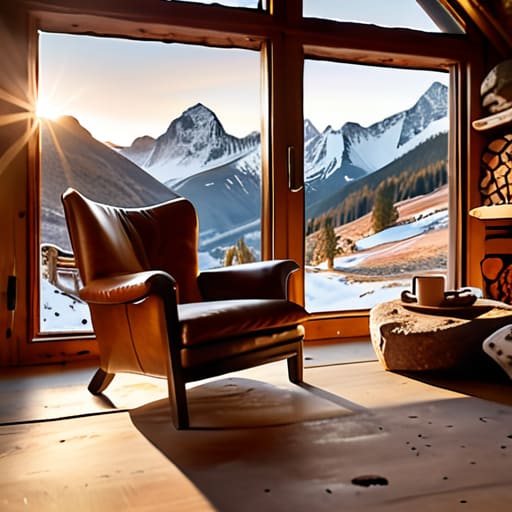
There is a specific kind of quiet that only exists above the tree line, a stillness that seems to settle deep in your bones. I’ve found that these alpine wellness escapes aren’t about the rigorous fitness trends you see in glossy magazines; they are about the luxury of a slow breath. There is something restorative about sitting on a wooden porch, wrapped in a wool blanket, watching the mist roll through the pines. It’s a form of high altitude relaxation that requires nothing from you other than your presence.

I remember a particular morning in a small lodge near the Rockies. I sat there with my notebook, sketching the jagged silhouette of the peaks against a pale blue sky, while the smell of cedar and pine needles drifted through the open window. In those moments, the frantic mental checklists of my engineering days simply evaporated. You don’t need a schedule when you are surrounded by such peaceful mountain landscapes. You just need a warm cup of tea, a comfortable chair, and the permission to simply be.

A Few Lessons Learned from the High Country

  • Pack for the layers, not the forecast. The mountains have a way of changing their mind every twenty minutes, and there’s nothing quite as soul-crushing as being caught in a sudden chill when you’re just trying to enjoy a quiet view.
  • Leave the itinerary at home. I’ve found that the best moments rarely happen when you’re checking a box on a list; they happen when you decide to sit on a particular bench for an extra hour just to watch the light shift across a valley.
  • Bring a physical notebook. There is something about the scratch of a pen on paper that grounds you far more effectively than tapping away at a glowing screen, especially when the wind starts picking up.
  • Seek out the local kitchens. Don’t worry about finding the most “instagrammable” spot; look for the little places where the locals eat. A heavy, honest bowl of stew in a dim room is worth more than any fancy tasting menu.
  • Respect the silence. We spend so much of our lives surrounded by the hum of engines and notifications; when you get to the peaks, treat the quiet like a precious resource. Listen to it.

A Few Things to Carry With You

Leave the itinerary at home; the best moments in the mountains usually happen when you stop trying to check everything off a list and just let your feet lead the way.

Pack for comfort, not for show—a sturdy pair of boots and a warm sweater are far more valuable than any high-tech gadget when you’re watching the fog roll over a valley.

Remember that the goal isn’t to conquer the peak, but to find a quiet spot, open your notebook, and simply exist in the space for a while.

The View from the Slow Lane

“We spend so much of our lives bracing ourselves against the wind of the next deadline, but up in the high country, you realize the mountains aren’t in any hurry at all—and neither should you be.”

Bernard Oyelaran

Bringing the Mountains Home

Bringing the Mountains Home through mountain sketches.

As I sit here in my favorite worn armchair, looking over my sketches from this trip, I’m reminded that these mountain retreats aren’t just about the destination. Whether you are finding your rhythm on a rugged hiking trail or simply letting the quietude of an alpine spa wash over you, the goal is the same: to reclaim your own sense of time. We’ve looked at how the physical challenge of a climb can clear the mind, and how the gentle luxury of wellness escapes can soothe a weary spirit. It really comes down to choosing a different pace, one where the only thing that matters is the steady beat of your own heart and the view right in front of you.

I know we all have a tendency to rush back to our checklists and our digital lives the moment we step off a plane, but I urge you to try something different. Don’t just visit the mountains; let them change you. Carry a bit of that stillness back into your everyday routine. Maybe it’s as simple as sitting with a hot cup of coffee for ten minutes without checking your phone, or noticing the way the light hits the trees in your own backyard. Life is far too short to spend it all in a hurry. Slow down, breathe deep, and remember that the most important scenery is often the one we finally take the time to see.

Frequently Asked Questions

Is it worth bringing my own camera gear, or should I just rely on my phone to capture the views?

Now, if you’re asking me, there’s a world of difference between a snapshot and a photograph. Your phone is wonderful for a quick record, but if you truly want to see the light hitting a ridge or the texture of an old stone wall, bring the gear. There’s a certain discipline in setting up a tripod that forces you to sit still and actually observe. It turns a glance into a memory.

What kind of food should I expect at these smaller, more remote mountain lodges?

Don’t expect anything fancy or overly complicated. In these remote corners, the food is honest—the kind that warms you from the inside out. You’ll mostly find hearty, seasonal fare: thick stews, crusty bread from a local bakery, and perhaps some mountain trout caught that morning. It’s simple, soul-satisfying cooking that relies on what’s nearby. Just grab a seat, a heavy mug of something warm, and let the flavors do the talking.

Do I need to be an experienced hiker to actually enjoy the quiet side of the mountains?

Not by a long shot. In my engineering days, I used to think everything required a blueprint and a heavy-duty toolkit, but the mountains don’t work that way. You don’t need to scale a peak to find peace; sometimes the best views are found on a gentle, winding path near a trailhead. Grab a sturdy pair of boots, a thermos of coffee, and just walk until the air feels different. The quiet is waiting for you.

How to Take Better Food Photos

I was sitting in a small, sun-drenched cafe in Tuscany last autumn, watching a young man spend twenty minutes rearranging his pasta dish with tweezers just to get the perfect shot. He was so preoccupied with the lighting and the angle of his smartphone that by the time he actually took a bite, the sauce had congealed and the steam had long since vanished. It struck me then that we’ve turned food photography into this high-stakes, sterile performance, when it should really be about capturing the soul of a moment. We get so caught up in the technical perfection that we forget the meal was meant to be eaten, not just curated for an audience.

I’m not here to tell you which thousand-dollar lens to buy or how to master complex studio lighting in your kitchen. Instead, I want to share what I’ve learned from years of looking through old analog viewfinders and sketching in my notebook: how to capture the honest beauty of a meal. I’ll show you how to work with the light you already have and how to find the story in the crumbs and the shadows. We’re going to focus on the simple, steady way to take photos that actually make you feel the warmth of the kitchen.

Table of Contents

Mastering Composition in Food Photography to Capture Quiet Moments

Mastering Composition in Food Photography to Capture Quiet Moments

When I’m sitting at a small bistro table, I’ve learned that the best shots rarely come from a perfectly staged set. Instead, they come from observing how the light interacts with the objects around me. To get that sense of intimacy, I often lean into composition in food photography by looking for natural lines—the curve of a spoon or the way a napkin falls casually across the wood. It isn’t about being perfect; it’s about finding a sense of balance that feels earned rather than manufactured.

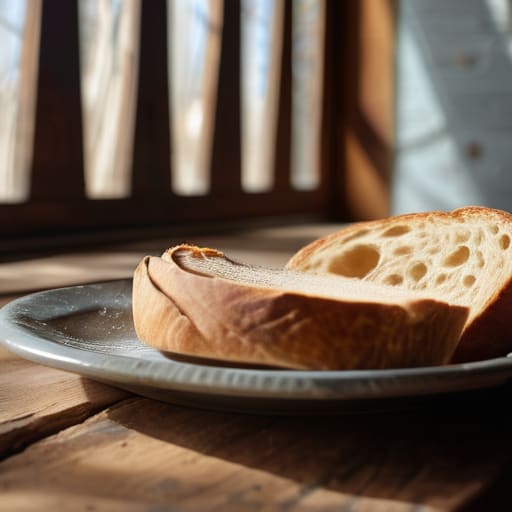
I find that playing with the depth of field in food shots is the quickest way to pull a viewer into the moment. By blurring out the bustling cafe in the background and focusing solely on the texture of a crusty piece of sourdough, you invite people to experience the meal as you are. You don’t need fancy equipment to achieve this; sometimes, just moving a little closer and letting the focus soften around the edges is enough to capture that quiet, solitary feeling of a midday meal.

Finding the Perfect Depth of Field in Food Shots

Finding the Perfect Depth of Field in Food Shots

When I first started tinkering with my old Leica, I learned that not everything needs to be sharp to be meaningful. In fact, sometimes the blur is where the magic lives. When you’re playing with depth of field in food shots, you aren’t just choosing what to focus on; you’re telling the viewer where to rest their eyes. If you’re photographing a crusty loaf of sourdough, you want that focus to land right on the jagged, flour-dusted edge, letting the rest of the table melt into a soft, creamy haze.

It can be a bit finicky at first, especially when you’re dialing in your camera settings for food. I’ve found that opening up your aperture—getting that f-stop number as low as your lens will allow—is the best way to isolate a single, beautiful detail, like a stray crumb or a bead of condensation on a glass. It creates a sense of intimacy, as if you’re leaning in close to share a secret with the plate. Don’t be afraid of a little softness; it’s often the quietest parts of the frame that provide the most comfort.

A Few Lessons Learned Between Bites and Shutter Clicks

  • Don’t be afraid of a little mess. A few stray crumbs on a wooden table or a slight smudge of sauce on the rim of a plate tells a story. It shows that the food was actually enjoyed, rather than just being a sterile prop for a picture.
  • Watch the light, but don’t chase it too hard. I’ve found that the best shots happen when you find a patch of soft, indirect sunlight near a window. Avoid that harsh, midday glare; it’s too unforgiving and tends to wash out the very textures you’re trying to celebrate.
  • Think about the hands that prepared the meal. Sometimes, a shot feels hollow until you add a human element—a hand reaching for a piece of bread or a pitcher pouring tea. It reminds us that food is a connection between people, not just an object.
  • Pay attention to the colors of the season. If I’m eating a hearty stew in November, I want my frame to feel warm and heavy. If it’s a crisp summer salad, let the greens pop against a bright, airy background. Let the palette match the mood of the meal.
  • Slow down and look at the small things before you press the button. Is there a wisp of steam rising from the coffee? Does the glaze on the fruit catch the light? Take a moment to really see the details with your own eyes first; your camera will be better for it.

A Few Reminders Before You Set Down Your Camera

Don’t get so caught up in the technicalities of aperture and shutter speed that you forget to actually taste the food; the best shots come when you’re truly connected to the meal.

Always look for the light, but don’t fight it—if a window provides a soft, natural glow, let that be your guide rather than reaching for a harsh, artificial flash.

Keep your eyes moving between the plate and the surroundings, because sometimes the most telling part of a story is the worn wooden table or the half-empty coffee cup sitting just out of focus.

## Beyond the Surface

“When you’re holding that camera, try to remember that you aren’t just documenting a plate of food; you’re trying to capture the warmth of the room, the steam that tells of a kitchen in motion, and the quiet dignity of a meal shared. A photograph should feel less like a technical achievement and more like a memory you can almost taste.”

Bernard Oyelaran

The Last Bite and the Final Frame

The Last Bite and the Final Frame.

As I sit here in this little café, looking back at the notes in my leather notebook, I’m reminded that good food photography isn’t about technical perfection or expensive gear. It’s about how we’ve learned to see the subject. We’ve talked about how a thoughtful composition can guide the eye, how the right depth of field can pull a single, steaming morsel out of a cluttered table, and how the light—that fickle, beautiful light—can make or break a shot. When you combine these elements, you aren’t just documenting a meal; you are capturing the essence of an experience that would otherwise vanish the moment the last bite is taken.

At the end of the day, my advice is simple: put the camera down every once in a while. Use these techniques to honor the chef and the ingredients, but don’t let the pursuit of the “perfect shot” rob you of the actual flavor. The most meaningful photographs are often the ones where you were truly present in the moment. So, go out there, find a quiet corner, and tell the story of your meal with patience and grace. After all, the goal isn’t just to feed the eyes, but to nourish the soul through the lens.

Frequently Asked Questions

How do I capture the texture of a meal without making the photo look overly processed or artificial?

The trick is to stop chasing that hyper-real, plastic look you see on social media. I’ve found that side-lighting—using a window instead of a bright flash—is your best friend. It casts soft shadows that reveal the crags in a crusty loaf or the glisten of oil without blowing out the details. Let the natural imperfections show. A little bit of grit and shadow is what actually makes a meal feel real.

What can I do when I'm eating at a crowded restaurant and don't have the space to set up a proper scene?

When the table is cramped and the waiter is hovering, don’t fight the chaos—lean into it. I’ve found that a tight, top-down shot (what the kids call “flat lay”) works wonders in tight quarters. It turns a cluttered table into an intentional pattern of plates and glasses. Or, just focus on one small detail—a single fork resting against a bowl. It keeps the shot intimate and avoids the mess of the crowd.

Is it better to rely on the natural light coming through a window, or should I invest in a little extra lighting for those dim, cozy evening meals?

If you’re just starting out, lean into that window light. There’s a softness to it—a way it catches the rim of a coffee cup or the texture of a crusty loaf—that artificial lights struggle to mimic. It feels honest. But if you find yourself sitting down for a quiet dinner as the sun dips low, don’t be afraid to pick up a small, warm lamp. Just keep it soft; we’re looking for atmosphere, not a spotlight.

The Role of Hydration in Daily Wellbeing

I was sitting on a park bench in Bruges last Tuesday, sketching the way the light hit the old stone bridge, when I realized my head was thumping like a rhythmic hammer. I’d spent the morning chasing the perfect angle for a shot with my Leica, completely forgetting that my body isn’t a machine that runs on sheer willpower alone. It’s funny how we get caught up in these expensive, neon-colored electrolyte powders and “smart” water bottles that promise the world, when the actual hydration benefits we need are much more straightforward and unpretentious than that marketing nonsense suggests.

I’m not here to sell you a lifestyle or a subscription to some fancy wellness app. What I want to do is share what I’ve learned from years of working under the hot sun on construction sites and, more importantly, what I’ve discovered about listening to my own body during this slower chapter of my life. I’ll give you the honest, no-nonsense truth about how staying properly hydrated can clear the fog from your mind and steady your hands. Let’s stop overcomplicating the simple things and just focus on feeling human again.

Table of Contents

Noticing the Subtle Signs of Dehydration During Your Walk

Noticing the subtle signs of dehydration during your walk.

When I’m out on a trail, I’ve learned to listen to my body as closely as I listen to the wind in the trees. It isn’t always a sudden, parching thirst that gives you away. More often, it’s a subtle shift in how you feel. You might notice a slight, persistent dullness in your concentration—what some might call the impact of water on cognitive function—making it harder to focus on the intricate patterns of a leaf or the light hitting a stone. If you find your thoughts drifting or feeling a bit “foggy” mid-stride, it’s usually your body’s way of asking for a refill.

I also keep an eye out for physical tells, like a sudden heaviness in my limbs or a dryness in the back of my throat that feels more like a film than a sensation. Sometimes, a mild headache begins to throb behind the eyes, a classic one of those early signs of dehydration that we often ignore in our rush to reach the next vista. I’ve found that if I catch these cues early, I can avoid the heavy fatigue that follows. It’s much better to pause, sit on a fallen log, and drink slowly than to push through and lose the joy of the journey.

Finding Rhythm in Your Optimal Daily Water Consumption

Finding Rhythm in Your Optimal Daily Water Consumption

I’ve learned through years of managing construction sites—and more recently, through long treks through the rolling hills of the countryside—that you can’t just wait until you’re parched to act. By then, you’re already behind the curve. I like to think of my water intake like the steady, rhythmic pace of a well-built bridge; it needs to be consistent to hold weight. Instead of gulping down a liter all at once, I try to sip steadily throughout the morning. Finding your own rhythm for optimal daily water consumption isn’t about following a rigid mathematical formula found in a textbook; it’s about listening to what your body is asking for as the day unfolds.

Sometimes, I find that a simple glass of water isn’t quite enough to shake off that mid-afternoon fog. I’ve noticed that when I add a tiny pinch of sea salt or a squeeze of lemon, it helps maintain my electrolytes and hydration balance much more effectively. It’s a small adjustment, but it makes a world of difference in how clear my head feels when I sit down to sketch in my notebook later.

Small Ways to Keep the Flow

  • Don’t wait for that parched, scratchy feeling in your throat to signal it’s time to drink. By then, you’re already running on empty. I’ve learned to keep a glass of water nearby while I’m sketching or reading, taking small, frequent sips just to keep the rhythm going.
  • Carry a sturdy, reusable bottle—something that feels good in your hand and doesn’t feel like a chore to lug around. I found a well-worn stainless steel one that keeps my water cool even when I’m out exploring a sun-drenched park.
  • Treat your water like a companion on your walks rather than an afterthought. If you find yourself heading toward a new trail or a quiet corner of the city, make sure your canteen is topped off. It’s much easier to enjoy the view when you aren’t preoccupied with a dull headache.
  • Listen to what your body is telling you through its energy levels. Sometimes, that midday slump isn’t a sign you need more caffeine, but rather a sign that your cells are just looking for a bit of moisture. A slow glass of water can be more restorative than a second cup of coffee.
  • Infuse your water with a little bit of life if plain water feels a bit too tedious. A slice of lemon or a sprig of mint from the garden can turn a simple necessity into a small, sensory ritual that makes staying hydrated feel like a treat rather than a task.

A Few Simple Reminders for the Road Ahead

Don’t wait until your throat feels like sandpaper to reach for your flask; listen to those small, early signals your body sends when it’s running low.

Treat hydration not as a chore to check off a list, but as a steady, rhythmic companion to your daily walks and quiet moments.

Whether it’s a cool glass of water at a café or a sip from a canteen mid-trail, allow yourself the grace to pause and truly savor the refreshment.

The Quiet Clarity of a Full Glass

I’ve learned that much of the fog we carry through the day isn’t just age or fatigue; sometimes, it’s simply a body asking for a moment of replenishment. When I stop to drink, it isn’t just about quenching thirst—it’s about clearing the lens so I can see the world as it truly is.

Bernard Oyelaran

A Simple Way to Stay Present

A Simple Way to Stay Present.

As I sit here in this small café in Bruges, watching the light shift across the cobblestones, I’m reminded that staying hydrated isn’t some complex medical chore. It’s really just about listening to your body before it has to shout at you. We’ve talked about recognizing those subtle cues—the slight headache or that unexpected fatigue during a long stroll—and finding a steady, natural rhythm for drinking throughout the day. It isn’t about hitting some arbitrary number on a fitness app; it’s about maintaining that steady internal baseline so you can actually enjoy the journey rather than just enduring it.

At the end of the day, I think we often overlook the most basic necessities because we are too busy chasing the next big milestone. But there is a profound kind of grace in tending to your own simple needs. Whether it’s a glass of cool water after a morning hike or a slow sip of tea while you sketch a landscape, let these moments be an anchor. Don’t rush through them. Take a breath, savor the clarity that comes with feeling truly replenished, and remember that taking care of yourself is the first step toward truly seeing the world.

Frequently Asked Questions

How can I tell if I'm actually drinking enough water, or if I'm just drinking out of habit?

It’s a fair question. I used to think as long as I was reaching for my canteen, I was doing fine. But lately, I’ve learned to listen to my body instead of my routine. If you find yourself feeling a bit foggy, or if your skin feels a little tight after a long afternoon walk, you’re likely lagging behind. Pay attention to your energy levels; true hydration feels like a steady, quiet hum, not a forced habit.

Are there certain times of day, like during a long afternoon walk, when I should be more mindful of my water intake?

I’ve found that the late afternoon is when I need to be most vigilant. When the sun starts to dip and that warmth lingers on your skin, it’s easy to lose track of time—especially if you’re caught up in a good view or a sketch. Don’t wait until you’re parched to reach for your canteen. Make it a habit to take a few slow sips every time you pause to catch your breath.

Does it really matter if the water is ice-cold, or is it better to just sip something at room temperature while I'm out exploring?

I’ve found that when I’m out mid-walk, room temperature is usually my best friend. There’s something about that ice-cold shock to the system that feels good for a second, but it can leave you feeling a bit unsettled if you drink too much too fast. I prefer a gentle, steady sip of something cool but not freezing. It feels more natural, like it’s actually settling in rather than just rushing through.

Techniques for Improving Emotional Regulation

I remember sitting in a cramped, air-conditioned trailer on a construction site outside of Des Moines, listening to the frantic, high-pitched arguing of two site foremen over a misplaced shipment of rebar. The air smelled of stale coffee and diesel exhaust, and the tension was thick enough to choke on. Back then, I thought managing my temper meant white-knuckling my way through the chaos until I could find a quiet corner. I’ve since realized that true emotional regulation isn’t about suppressing a storm or building a dam to hold back the flood; it’s more like learning how to navigate a river without letting the current pull you under.

I’m not here to sell you any expensive wellness retreats or complex psychological jargon that sounds like it was written by someone who’s never had dirt under their fingernails. Instead, I want to share what I’ve learned from decades of managing high-stakes projects and, more importantly, from learning how to slow down once the work was done. I’ll be offering a few practical, no-nonsense ways to find your footing when life gets loud, focusing on the simple, steady habits that actually work when you’re in the thick of it.

Table of Contents

Understanding the Neurobiology of Emotions Through a Slow Lens

Understanding the Neurobiology of Emotions Through a Slow Lens

Now, I’m not a doctor, and my days of looking at blueprints and structural integrity are behind me, but I’ve learned that our brains work a lot like the old bridges I used to manage. They are complex systems designed to handle weight and pressure. When we talk about the neurobiology of emotions, we’re really just talking about how our internal architecture responds to the sudden gusts of life. Sometimes, a sudden surge of frustration or anxiety hits like a heavy wind, and if we haven’t reinforced our foundations, the whole structure starts to shake.

I’ve found that managing intense emotions isn’t about forcing the wind to stop blowing; it’s about strengthening the joints. When the amygdala—that little alarm bell in our brain—starts ringing, it’s easy to get swept up in the chaos. But if we approach our reactions with a bit of patience, almost like waiting for a film to develop in a darkroom, we can learn to steady ourselves. It’s about recognizing that the storm is a physiological event, a temporary shift in our internal landscape that eventually, always, settles.

Mindfulness for Emotional Control Savoring Peace Amidst the Noise

Mindfulness for Emotional Control Savoring Peace Amidst the Noise

I’ve found that the best way to practice mindfulness for emotional control isn’t by sitting cross-legged on a mountain top, but rather in the middle of a Tuesday afternoon when the coffee is cold and the news is loud. For me, it’s about the small, tactile things. I might focus on the weight of my old Leica camera in my hands or the specific way the sunlight hits the grain of a wooden table. These aren’t just distractions; they are anchors. When you tether your attention to something physical, you create a tiny buffer between a sudden surge of frustration and your reaction to it.

It’s a bit like the structural integrity I used to look for in bridge designs—you need a solid foundation to withstand the pressure. Using these simple self-regulation strategies allows you to observe a feeling without being swept away by it. Instead of fighting a wave of anxiety, I try to simply watch it roll in, much like I’d watch the tide come into Lake Michigan. By leaning into the present moment, you aren’t ignoring the chaos; you are simply choosing to not be defined by it.

A Few Simple Ways to Steady the Ship

  • When you feel that familiar tightness in your chest, don’t try to fight it or run from it. Just sit. Find a bench, a sturdy chair, or even a smooth stone by a river, and let the feeling exist without needing to fix it immediately. Sometimes, the best way to manage a storm is to simply wait for it to pass.
  • I’ve found that a long, aimless walk can do more for a heavy heart than any complicated psychological exercise. Leave the phone behind. Focus on the rhythm of your boots on the pavement or the way the light hits the trees. Moving your body helps move the stagnant energy out of your mind.
  • Treat your senses like an anchor. If your thoughts start racing toward some future catastrophe, pull yourself back to the present by noticing three small things: the smell of fresh coffee, the weight of your notebook in your hand, or the cool breeze on your neck. It brings you back to the ground.
  • There is a profound dignity in a slow meal. When things feel chaotic, sit down with something simple—a bowl of soup or a piece of crusty bread—and eat it with intention. Notice the textures and the warmth. It’s a small, quiet way to remind yourself that you are safe in this moment.
  • Keep a record, even if it’s just for yourself. I use my little leather notebook to jot down the things that catch my eye, but I also use it to vent the frustrations that feel too big to carry. Getting the noise out of your head and onto paper makes it much easier to handle.

Small Lessons for a Calmer Mind

Don’t try to outrun your feelings; instead, treat them like a passing weather front—notice them, let them settle, and wait for the sky to clear on its own.

When the internal noise gets too loud, find your anchor in something physical, whether it’s the weight of a camera in your hands or the simple warmth of a cup of coffee.

Real emotional balance isn’t about being perfect; it’s about learning to pause mid-stride so you don’t miss the quiet beauty that exists right beneath the chaos.

The Art of Steadying the Ship

“Emotional regulation isn’t about forcing the storm to stop; it’s about learning to adjust your sails and finding that quiet, steady rhythm within yourself, even when the waves are high.”

Bernard Oyelaran

Finding Your Rhythm Again

Finding Your Rhythm Again through mindfulness.

As I sit here in this small cafe, watching the sunlight shift across the table, I’m reminded that managing our emotions isn’t about building a dam to stop the river; it’s about learning how to navigate the currents. We’ve talked about the biology behind our moods and the quiet power of mindfulness, but at its heart, emotional regulation is simply the art of not letting the storm dictate the direction of your ship. It’s about recognizing those internal shifts early on and choosing to respond with intention rather than reacting in a frantic rush. Whether it’s through understanding our nervous system or finding a moment of stillness, the goal is to create a bit of steady ground beneath our feet when the world feels unsteady.

I’ve learned over the years, both in engineering and in life, that the most durable structures aren’t the ones that refuse to bend, but the ones designed to withstand the pressure. Your mind is much the same. Don’t be too hard on yourself when the waves get high; just remember to breathe through the turbulence and look for the small, quiet joys that remain constant. Life is far too short to spend it fighting against yourself. Instead, try to savor the stillness whenever you can find it. It’s in those slow, intentional pauses that we truly find our way back to ourselves.

Frequently Asked Questions

How can I practice these techniques when I'm in the middle of a busy day and don't have the luxury of a long walk or a quiet meal?

I know that feeling well—the rush of a deadline or the chaos of a crowded station where a long walk just isn’t an option. When the world won’t slow down for you, you have to find the stillness within. I often find it in the smallest things: the weight of my notebook in my hand, or just taking one deliberate, deep breath before answering a phone call. It’s about those tiny, quiet anchors.

Is it possible to overdo the "slowing down" part and end up feeling disconnected from the responsibilities I still have to attend to?

It’s a fair question, and one I’ve wrestled with myself. There is a fine line between intentional presence and mere avoidance. If you use “slowing down” as a way to retreat from the world, you’ll eventually feel that friction. To me, true stillness isn’t about ignoring your duties; it’s about approaching them with a clearer head. Think of it like maintaining an engine—you pause to oil the parts so the work actually runs smoother.

For someone who has spent decades reacting to stress in a certain way, how long does it actually take to rewire those old habits?

It’s a bit like restoring one of those old Leica cameras I tinker with; you can’t just force the gears into place overnight. If you’ve spent forty years reacting with a clenched jaw, your brain has built some pretty deep grooves. It takes time—months of intentional, quiet practice—to pave new paths. Don’t get discouraged if you slip. Just treat it like a long walk: it’s about the steady pace, not the sprint.