I remember sitting on a low, hand-carved stool in a dusty alleyway in Fes, my old Leica resting heavy against my chest, when I realized I had completely misread the room. I had expected some grand, choreographed performance of luxury—the kind you see in glossy travel brochures—but true moroccan hospitality isn’t a staged event for tourists. It was much simpler and far more profound: it was the smell of slow-simmering lamb, the steam rising from a chipped teapot, and the calloused hand of a shopkeeper guiding me toward a seat as if I were an old friend returning home. It wasn’t about the price of the riad, but about the unhurried grace of a stranger who simply refuses to let you pass by hungry.
I’m not here to sell you on five-star resorts or the polished version of culture found in guidebooks. Instead, I want to share what I’ve learned from the ground up—the real, unvarnished moments that happen when you actually stop moving. I’ll guide you through the etiquette of the tea pour, how to navigate a shared meal without feeling rushed, and how to truly embrace the slow pace that defines this beautiful way of life.
Table of Contents
The Rhythmic Grace of the Traditional Moroccan Tea Ceremony
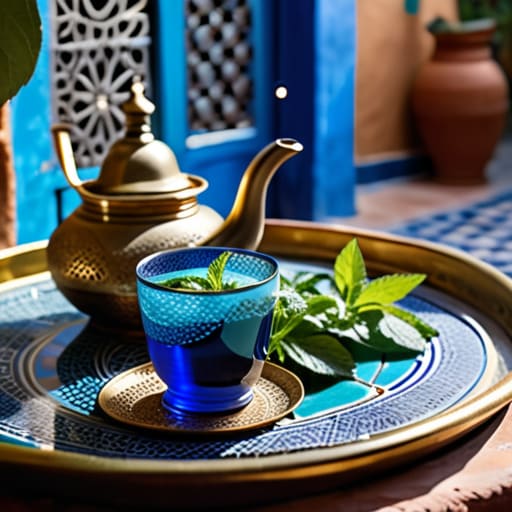
I sat there in a small courtyard in Chefchaouen, my notebook resting on my knee, watching the host prepare for what felt less like a drink and more like a performance. There is a specific, practiced rhythm to the traditional Moroccan tea ceremony that demands your full attention. It begins with the scent—a heavy, sweet cloud of fresh spearmint and gunpowder green tea that seems to settle the very air around you. He didn’t rush; he moved with the steady precision I used to appreciate in a well-constructed blueprint, measuring out the leaves and sugar with a quiet, practiced dignity.
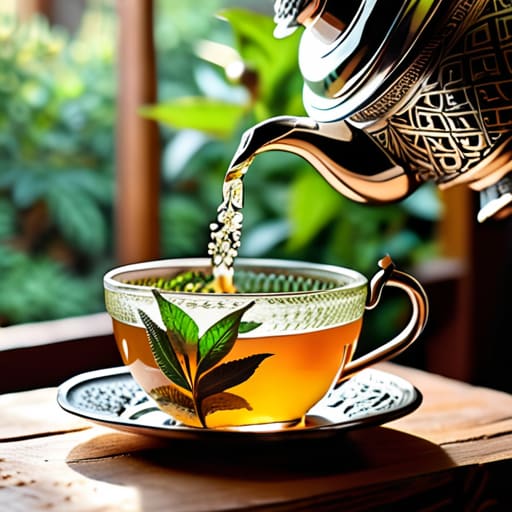
The real magic, however, happens during the pour. He lifted the silver teapot high above the glass, a distance that would make any clumsy hand tremble, creating a thin, aerated stream that frothed perfectly at the surface. This Moroccan tea pouring technique isn’t just for show; it’s a way of aerating the tea and creating that essential layer of foam. As I watched the amber liquid catch the afternoon light, I realized that in these moments, time doesn’t just slow down—it seems to stop entirely.
Understanding the Cultural Significance of Mint Tea
To the uninitiated, it might just look like a sugary infusion of green tea and fresh sprigs, but to understand the true cultural significance of mint tea is to understand the very heartbeat of North African social norms. It isn’t something you gulp down while checking your watch; it is a social contract. When a host offers you a glass, they aren’t just quenching your thirst—they are offering you their time and their respect. In my years managing construction crews, I learned that you can’t build anything lasting without a bit of rapport, and here, that rapport is built one steaming glass at a time.
There is a certain rhythm to the hospitality that I find deeply grounding. Whether you are in a bustling riad or a quiet village home, the Moroccan guest hosting traditions dictate a pace that demands your full presence. You don’t rush the tea, and you certainly don’t rush the conversation. It’s a beautiful, slow dance of politeness that reminds me why I started traveling this way in the first place: to realize that the most important things in life usually happen when we finally stop rushing.
A Few Lessons in the Art of Lingering
- Don’t rush the pour. When you’re offered tea, resist the urge to check your watch or reach for your phone. The ceremony is slow for a reason; it’s an invitation to settle in, and rushing through it is like trying to read a book by sprinting through the pages.
- Accept the first offering with grace. Even if you aren’t particularly thirsty, taking that first steaming glass is a gesture of respect toward your host. It’s less about the liquid and more about acknowledging the effort they’ve made to welcome you into their space.
- Embrace the “extra” helping. In Morocco, hospitality is often measured in refills. If a host keeps offering more, it isn’t a test of your appetite; it’s their way of showing they value your presence. Accepting a second or third glass is a quiet way of saying, “I’m enjoying this company.”
- Leave the door (and the table) slightly ajar. The best conversations happen in the gaps between the food and the tea. Don’t be afraid to let the meal stretch long into the afternoon. Some of my best sketches were done while sitting around a table long after the tagine had been cleared away.
- Watch the small gestures. Hospitality here isn’t found in a formal service manual; it’s in the way a host moves to ensure you have the best seat or how they carefully arrange the sweets. Notice these little details—they are the real heartbeat of the culture.
Lessons from the Table
Hospitality in Morocco isn’t a checklist of services; it’s a genuine, slow-paced exchange of warmth that turns a stranger into a guest through the simple act of sharing a meal.
The tea ceremony serves as a vital social anchor, teaching us that the most meaningful connections often happen when we stop rushing and start listening.
To truly experience the heart of the culture, one must embrace the art of lingering—finding the beauty in the steam of a glass and the quiet company of those around you.
## A Lesson in Presence
I’ve spent my life measuring things in steel and concrete, but in Morocco, I’m learning to measure a life by the length of a conversation and the warmth of a shared plate. Hospitality here isn’t a polite gesture; it’s an invitation to finally stop rushing and simply be.
Bernard Oyelaran
The Heart of the Matter
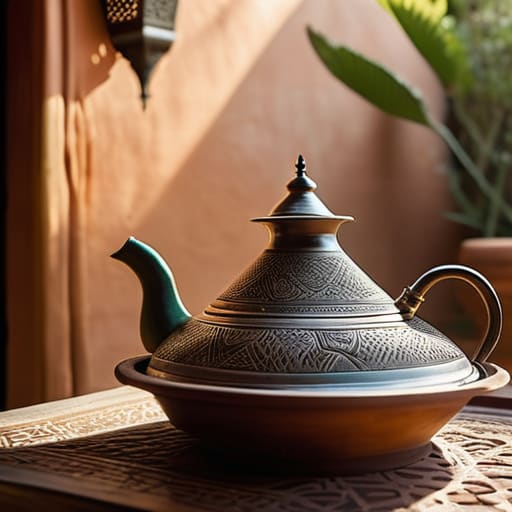
As I sit here in this small courtyard, my leather-bound notebook resting beside a nearly empty glass of tea, I realize that Moroccan hospitality isn’t found in a guidebook or a list of etiquette rules. It is found in the steam rising from a tagine, the deliberate, practiced pour of the mint tea, and the way a stranger’s eyes light up when they invite you to sit. It is a complex tapestry woven from generosity and presence, reminding us that the rituals of sharing food and drink are much more than just sustenance. They are the very threads that hold a community together, turning a simple meal into a profound act of connection.
If there is one thing I have learned from my travels—and perhaps from a lifetime of watching how things are built and maintained—it is that the most lasting structures aren’t made of steel or concrete, but of human kindness. We spend so much of our lives rushing toward the next milestone, always looking at the clock, that we forget how to truly be present with one another. Morocco has taught me to embrace the pause. So, the next time you find yourself in a new place, don’t just pass through. Stop, sit down, and let the world slow down to the pace of a shared cup of tea.
Frequently Asked Questions
How much of the hospitality is a formal tradition versus a genuine, spontaneous gesture from locals?
To be honest, I spent a few days sitting in a small café in Chefchaouen just watching people, and it’s a bit of both. There’s certainly a ritual to the tea—the pouring height, the sugar, the timing—that feels very much like a practiced tradition. But the warmth behind it? That’s entirely real. It isn’t a performance for tourists; it’s a genuine, spontaneous desire to share a moment of stillness with a stranger.
Are there certain social rules or etiquette I should follow when I'm invited into someone's home for a meal?
When you’re invited into a Moroccan home, remember that you aren’t just a guest; you’re a gift. It’s polite to accept the initial offering of tea, even if you’re full—it’s more about the connection than the thirst. If you’re eating with your hands, use only your right; it’s a small detail, but it shows respect for their traditions. Most importantly, don’t rush. Sit, linger, and let the conversation flow as slowly as the tea.
Is it considered impolite to decline a second glass of tea if I've already had enough?
It’s a delicate thing, isn’t it? In my years of traveling, I’ve found that hospitality here is a gentle tug-of-war. If you’re truly full, you don’t have to force it, but a polite, warm refusal is key. A small smile and a hand over your heart while saying “Shukran” (thank you) goes a long way. It’s less about the liquid in the glass and more about acknowledging the kindness behind the pour.
