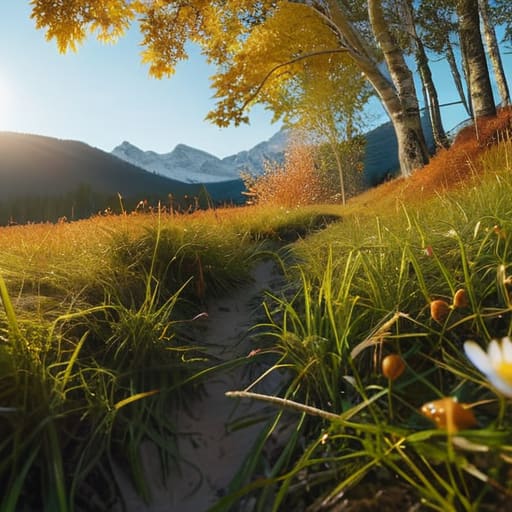
I was sitting in a small cafe in Vermont last October, watching a group of tourists scramble through the woods, clutching printed itineraries and checking their watches every thirty seconds. They were so preoccupied with hitting every “must-see” viewpoint that they missed the way the light hit the maples or the smell of woodsmoke drifting from a nearby chimney. It struck me then that most people treat seasonal travel like a construction deadline—something to be managed, optimized, and checked off a list. They chase the peak colors or the perfect snow, but in their rush to catch the season, they completely miss the point of being there at all.
I’m not interested in helping you build a more efficient itinerary or finding the most Instagrammable way to see the autumn leaves. Instead, I want to share what I’ve learned about traveling with intention. I’ll offer you some plain-spoken, experience-based advice on how to embrace seasonal travel without the frantic pace. My goal is to help you find those quiet, meaningful pockets of time where the scenery matters less than the stillness you find within it.
Table of Contents
The Quiet Charm of Shoulder Season Advantages
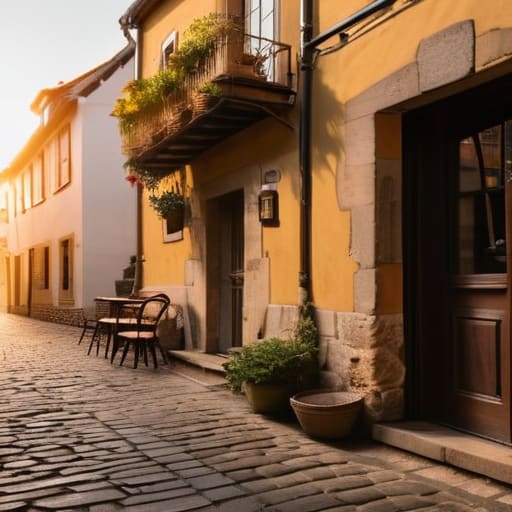
There is a particular kind of magic that happens when the summer crowds finally thin out and the frantic energy of high season begins to ebb. I’ve always found that the most rewarding trips occur during those transitional months—what many call the shoulder season advantages. When you step off a train or out of a car in a place that isn’t currently being overrun by tour groups, the atmosphere changes. You aren’t fighting for a seat at a local bistro or jostling for a view of a monument; instead, you get to actually speak to the proprietor or watch the light hit a cobblestone street without a sea of selfie sticks in the way.
Beyond the peace and quiet, there is a practical side to this timing that appeals to my engineering brain. Choosing these optimal travel windows allows for a bit of travel budget optimization without sacrificing the quality of the experience. You’ll often find that boutique hotels and local guesthouses offer a more personal touch when they aren’t operating at maximum capacity. It gives you the breathing room to linger over a long lunch or spend an extra hour sketching a particularly interesting facade, knowing that the world isn’t quite in such a hurry.
Optimal Travel Windows for a Slower Pace
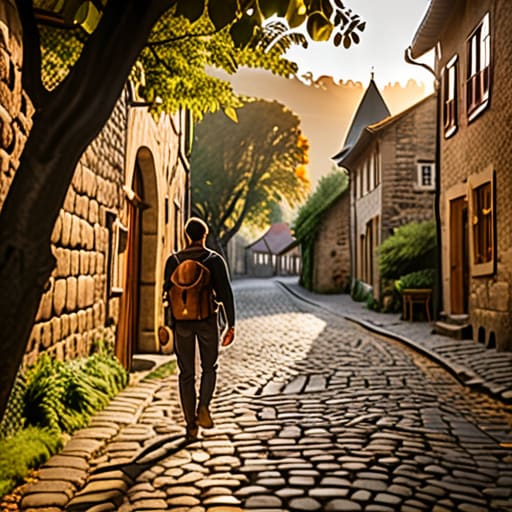
When I was managing construction sites, everything was about the clock—deadlines, efficiency, and beating the frost. But traveling has taught me the opposite. To truly find those optimal travel windows, I’ve learned to look past the glossy brochures that promise summer sun and instead look at the calendar through a different lens. For me, that often means arriving in a new place just as the crowds are thinning out, perhaps in that sweet spot in late September when the air turns crisp but the warmth hasn’t quite vanished.
It isn’t just about avoiding the lines at museums, though that is a lovely perk. It’s really about climate-based destination selection that respects your own rhythm. I find that if I plan my trips around these quieter stretches, I have the headspace to actually sit in a courtyard and sketch, rather than rushing to the next landmark before the sun goes down. There is a certain peace in knowing you aren’t competing with a thousand other travelers for the same view. By embracing these shifts, you aren’t just saving money; you are reclaiming your time.
A Few Lessons Learned from the Road
- Pack for the transitions, not just the destination. I’ve learned the hard way that a sudden autumn chill or a late spring rain can ruin a good afternoon if you aren’t prepared. A sturdy, lightweight layer and a reliable pair of walking shoes are worth more than any fancy gadget.
- Let the weather dictate your schedule, not a guidebook. If a morning brings a soft mist over the hills, don’t fight it to reach a landmark. Sit in a local café, pull out your notebook, and watch how the light changes. The best views often happen when you aren’t looking for them.
- Seek out the local rhythms rather than the tourist calendars. There is a certain magic in arriving when the locals are going about their business, rather than when the crowds are descending. You’ll find the real soul of a place in the quiet moments between the big events.
- Always carry a way to capture the small things. Whether it’s my old Leica or just a pencil and a scrap of paper, don’t let a beautiful moment pass without trying to hold onto it. It’s the tiny details—the way a shadow falls across a cobblestone street—that stay with you long after the trip ends.
- Leave room for the unplanned detour. The most memorable parts of my travels haven’t been the famous monuments, but the small bakeries I stumbled upon because I took a wrong turn. If you plan every minute, you leave no space for serendipity to find you.
A Few Things to Carry With You
Don’t let a rigid itinerary dictate your day; leave room for a sudden rain shower or a local cafe that looks too inviting to pass up.
Pack light and choose quality over quantity, much like a well-maintained camera—you only need the essentials that serve a real purpose.
Remember that the best views aren’t always the famous landmarks, but the way the light hits a quiet street just as the sun begins to dip.
The Rhythm of the Road
“Most people travel to check boxes and cross off landmarks, but the real magic happens when you stop fighting the calendar and start moving with it; there is a profound sort of peace found in visiting a place just as it is shedding one skin and preparing for the next.”
Bernard Oyelaran
Finding Your Own Rhythm
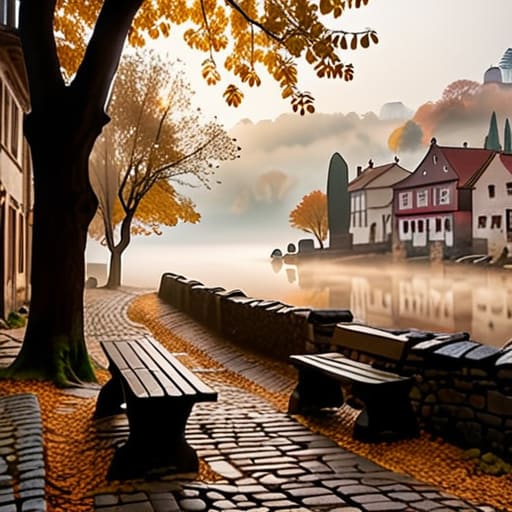
As I look back on these different ways to approach the calendar, I’m reminded that there is no single “correct” time to see the world. Whether you find yourself drawn to the quiet, empty streets of the shoulder season or you prefer the crisp, biting air of a late autumn morning, the goal remains the same: to move through a place without feeling like you are merely checking boxes. By choosing your windows with intention, you trade the frantic energy of the crowds for something much more precious—the ability to actually connect with the soul of a destination. It isn’t about seeing the most landmarks in the fewest days; it’s about finding those unhurried moments where the scenery finally settles into your memory.
At the end of the day, my old engineering mind tells me that the most stable structures are built slowly, and I think travel is much the same. Don’t feel pressured to chase the peak summer sun if your heart is calling for a misty morning in a sleepy coastal town. The world doesn’t stop turning just because you decided to sit on a park bench for an hour to watch the light change. So, pack your bags, leave the itinerary a little loose, and remember that the best views aren’t always found at the top of a crowded tourist trail, but in the quiet spaces in between.
Frequently Asked Questions
How do you handle the unpredictable weather when traveling during those quieter shoulder seasons?
I’ve learned the hard way that you can’t engineer the weather, no matter how much you’d like to. I always pack a sturdy, lightweight raincoat and a few extra wool socks—it’s funny how a bit of dampness can sour a good day. My rule is simple: if the clouds roll in, don’t fight it. Find a local café with a good view, open my notebook, and enjoy the rhythm of the rain.
Are there certain destinations where the "off-season" might actually be too quiet or lacking in local charm?
It’s a fair question, and one I’ve pondered while sitting in many a half-empty plaza. There are certainly places where the “off-season” feels less like peace and more like a ghost town. In some coastal villages or mountain resorts, the local charm is tied directly to the bustle; when the shops shutter and the cafes go dark, you lose that vital heartbeat. If the soul of a place is its people, you don’t want to arrive when they’ve all gone home.
Do you have any tips for finding authentic, local meals when the main tourist hubs are less active?
I’ve learned that the best meals aren’t found on a map, but by following your nose and your curiosity. When the crowds thin out, I step away from the main squares and look for where the locals are congregating—usually a small, unassuming spot with a few worn chairs and a handwritten menu. If you see a place where people are eating heartily and not checking their phones, pull up a chair. That’s where the soul is.
