Category: Wellbeing

  • An Introduction to Herbalism

    An Introduction to Herbalism

    I was sitting on a weathered bench in a small park outside of Ghent last Tuesday, sketching the way the light hit a patch of wild mint, when I realized how much nonsense is out there regarding herbalism basics. You see it everywhere—glossy, expensive bottles in boutique shops promising “miracle cures” for prices that would make a civil engineer wince. It’s all a bit much, isn’t it? People act like you need a PhD or a massive bank account just to understand the simple, quiet power of the plants growing right under your feet. To my mind, it’s never been about the fancy packaging; it’s about knowing which leaf can settle a restless stomach or soothe a weary mind.

    I’m not here to sell you a lifestyle or a subscription to some wellness cult. Instead, I want to share what I’ve gathered from years of slow walking and even slower living: a few honest, straightforward principles for working with nature. We’re going to skip the hype and focus on the practical reality of what these plants can actually do for you. My goal is to help you build a foundation of knowledge that feels as sturdy and reliable as a well-built bridge.

    Table of Contents

    Finding Calm Through Identifying Medicinal Herbs

    Finding Calm Through Identifying Medicinal Herbs

    There is a particular kind of stillness that settles over you when you’re out in the field, eyes scanning the low brush not for what is missing, but for what is there. I’ve found that identifying medicinal herbs requires a similar kind of focus; you can’t just rush through the woods looking for a quick fix. You have to stop, kneel in the dirt, and really look at the serrated edge of a leaf or the specific way a stem holds itself against the wind. It turns a simple walk into a slow, meditative dialogue with the landscape.

    Of course, this curiosity comes with a heavy dose of responsibility. I often tell folks that safety in herbalism is just as important as the harvest itself. You wouldn’t drive a bridge without checking the load-bearing capacity, and you shouldn’t pluck a plant without being absolutely certain of its identity. Taking the time to study a proper botanical identification guide isn’t just a chore; it’s a way of showing respect to the earth. When you finally recognize a plant for what it truly is, there’s a profound sense of connection that stays with you long after you’ve headed home.

    The Slow Wisdom of Traditional Herbal Healing Practices

    The Slow Wisdom of Traditional Herbal Healing Practices.

    I remember sitting on a porch in rural Wisconsin years ago, watching an old neighbor tend to a patch of lavender and mint with a sort of quiet reverence. She wasn’t just gardening; she was maintaining a pharmacy. That was my first real glimpse into traditional herbal healing practices, and it struck me how much we’ve lost by trying to outrun nature. There is a profound, rhythmic patience required when you move away from the quick fix of a pill bottle and toward the slow process of working with the earth.

    Learning the craft isn’t just about the chemistry; it’s about the connection. Whether you are experimenting with different herbal tincture making methods or simply drying chamomile for a restless evening, you are participating in a lineage of care that stretches back centuries. It requires a steady hand and a willingness to listen to what the seasons are offering. It’s a gentle way of living that reminds me, much like my old Leica cameras, that the most meaningful things often require a bit of deliberate, careful attention to truly appreciate.
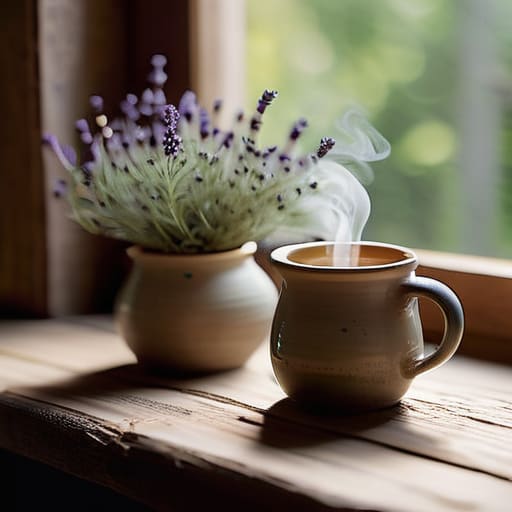
    A Few Simple Habits for the Aspiring Herbalist

    • Start with the familiar. There’s no need to hunt for exotic roots in a distant land when there’s mint growing in your backyard or rosemary sitting in a pot on your windowsill. Get to know the plants that are already sharing your space.
    • Keep a record, just like I do with my sketches. When you find a new leaf or a peculiar scent, jot it down in a notebook. Note the weather, the soil, and how the plant looks in the morning light. It turns a simple walk into a real lesson.
    • Respect the plant’s boundaries. If you’re foraging, never take more than a handful, and never take from a plant that looks like it’s struggling. We are guests in their world, after all.
    • Use your senses, not just a guidebook. Before you decide what something is, smell it, feel the texture of the leaf, and look at the way the stem bends. Nature rarely hides its identity from someone who is actually paying attention.
    • Take it slow with the preparations. Whether you’re steeping a tea or making a simple infusion, don’t rush the process. Let the hot water do its work, and use that quiet time to simply sit and breathe.

    Small Lessons from the Garden Path

    Don’t feel the need to master everything at once; start by learning just one plant, like mint or dandelion, and truly getting to know its shape and scent.

    The real value of herbalism isn’t in a quick fix, but in the quiet, meditative time you spend observing the natural world around you.

    Always approach the earth with respect and patience, remembering that the most potent remedies often come from simply slowing down enough to notice them.

    The Quiet Lesson of the Soil

    “Learning about herbs isn’t about memorizing a textbook; it’s about finally learning how to listen to the ground beneath your feet and realizing that nature has been offering us its remedies all along, if only we’d stop moving long enough to notice.”

    Bernard Oyelaran

    A Quiet Way Forward

    Learning herbalism: A Quiet Way Forward.

    As we’ve discussed, getting started with herbalism isn’t about mastering a complex science or filling your pantry with expensive tinctures overnight. It’s really about the simple act of learning to listen to the world around you. Whether you are identifying a sprig of mint in your backyard or tracing the history of how our elders used elderberry to ward off a chill, you are engaging in a practice that connects you to the seasons. By understanding how to identify these plants and respecting the traditional wisdom passed down through generations, you aren’t just collecting remedies; you are building a deeper relationship with the earth beneath your feet.

    If there is one thing I’ve learned from years of managing heavy machinery and even more years of sitting still with a camera, it’s that the most profound changes often happen in the smallest increments. Don’t feel pressured to become an expert by sunset. Just start by noticing one leaf, one scent, or one quiet ritual. Let your journey with herbs be a way to slow your pace and find a bit of steady ground in a world that feels like it’s moving far too fast. After all, the goal isn’t just to heal the body, but to nurture the soul through the simple, beautiful act of paying attention.

    Frequently Asked Questions

    How can I tell the difference between a helpful herb and something that might actually be harmful if I pick it by mistake?

    That’s the question that keeps me up at night, honestly. When I was working on construction sites, we had strict protocols for a reason; nature is no different. My rule is simple: if you aren’t one hundred percent certain, leave it be. I never rely on just one feature. I look at the leaf shape, the stem, and even the scent. If it doesn’t match my notebook sketches perfectly, it stays in the ground.

    Do I really need a whole garden to start, or can I find what I need in my own backyard or local parks?

    Not by a long shot. In fact, I think starting with a manicured garden is a bit like trying to photograph a landscape through a keyhole—you miss the bigger picture. Most of the treasures I’ve found lately weren’t in a seed packet, but tucked away in the cracks of a sidewalk or growing wild in the park down the street. Just grab your notebook, take a slow walk, and start looking.

    Is there a specific way to prepare these plants—like making a tea versus a tincture—to make sure I'm actually getting the benefits?

    It really depends on what part of the plant you’re holding. For leaves and flowers, a simple tea—or infusion—is usually best; just pour hot water over them and let them steep while you watch the world go by. But if you’re working with tougher bits like roots or bark, you’ll want a decoction, simmering them a bit longer to draw out the goodness. Tinctures are wonderful for later, too, but they take a bit more patience.

  • Finding Hobbies That Help Reduce Stress

    Finding Hobbies That Help Reduce Stress

    I remember sitting in my makeshift workshop last Tuesday, surrounded by the heavy, metallic scent of machine oil and the tiny, stubborn screws of a 1950s Leica. My hands were steady, but my mind was still racing with the phantom echoes of a dozen construction deadlines from my engineering days. It’s funny how even in retirement, that old habit of running at full tilt refuses to quit. Most people think they need a mountain retreat or an expensive gym membership to find peace, but they’re missing the point entirely. Real stress relief hobbies aren’t about adding more tasks to your calendar; they are about finding those quiet, tactile moments that force your brain to finally stop spinning.

    I’m not here to sell you on some complicated wellness regimen or a lifestyle overhaul that requires a credit card. Instead, I want to share what I’ve learned from years of tinkering, walking, and simply observing the world from a porch swing. I’ll be sharing a few honest, low-cost ways to reclaim your headspace through simple, hands-on activities that actually work. We aren’t looking for perfection here—just a way to slow down and breathe while we rediscover the joy in the little things.

    Table of Contents

    Mindfulness Based Activities for a Slower Pace

    Mindfulness Based Activities for a Slower Pace.

    I’ve found that the most effective way to quiet a noisy mind isn’t through grand gestures, but through small, intentional shifts in how we perceive our surroundings. For me, that often means sitting on a park bench and focusing entirely on the texture of the bark on an old oak tree or the way the light hits a puddle. These kinds of mindfulness-based activities don’t require a mountain retreat or a specialized membership; they simply require you to be present. When I’m out with my sketchbook, I’m not trying to create a masterpiece for a gallery. I’m just practicing the art of noticing.

    If you find your thoughts racing toward tomorrow’s deadlines, try engaging in some sensory soothing activities to pull yourself back to the now. It might be the rhythmic sensation of sanding a piece of wood in my workshop, or the simple, grounding warmth of a ceramic mug against your palms. There is a profound, quiet power in focusing on one single sense at a time. It’s a way of telling your nervous system that, for this exact moment, everything is alright.

    Low Cost Relaxation Techniques to Savor the Moment

    Low Cost Relaxation Techniques to Savor the Moment

    One of the things I’ve learned in my retirement is that you don’t need a fancy membership or expensive equipment to find a bit of peace. In fact, some of the most effective low-cost relaxation techniques are the ones we often overlook because they’re so simple. For me, it’s often about the tactile sensation of things—the weight of my old Leica camera in my hands or the scratch of a pencil against paper in my notebook. There is something deeply grounding about focusing on a single, physical task without worrying about the end result.

    I’ve found that creating a calming evening routine can act as a gentle anchor when the world feels a bit too loud. It might be as simple as sitting on the porch with a cup of tea, watching the light change over the trees, or perhaps tending to a small patch of herbs in the garden. These aren’t just ways to pass the time; they are small, intentional acts of sensory soothing activities that remind us we are still here, present in the moment. You don’t need much to find your center—just a little bit of time and the willingness to be still.

    A Few Lessons from My Own Slowing Down

    • Don’t worry about being “good” at something. When I sit down with one of my old Leica cameras, I’m not trying to win a photography award; I’m just trying to see how the light hits a brick wall. If you pick up a hobby just to master it, you’ve turned it into another job. Let it be messy.
    • Find something that works with your hands. There is a particular kind of peace that comes from the tactile sensation of something real—whether it’s kneading dough, sketching in my notebook, or tending to a small garden. It pulls your mind out of the clouds and back down to earth.
    • Set a timer for your “productive” life. I used to live by the stopwatch during my engineering days, but now I make sure to carve out time where the clock doesn’t matter. If you’re reading a book or walking through a park, let the afternoon slip away without checking your phone every five minutes.
    • Look for the quiet corners. Stress often comes from the noise of the world, so choose hobbies that allow you to retreat. A quiet corner in a library or a solitary walk on a trail isn’t lonely; it’s necessary. It’s where you find the space to breathe again.
    • Keep your tools close at hand. I always keep my leather notebook in my jacket pocket. If you have to go searching for your supplies, you’ll likely lose the impulse. Keep your sketchbook, your knitting, or your garden shears within reach so you can seize a moment of calm whenever it presents itself.

    A Few Thoughts to Carry With You

    Don’t wait for a grand vacation to find peace; the best way to settle your mind is often found in the small, quiet rhythms of your own backyard or a local park.

    Whether it’s the mechanical click of a camera or the simple act of sketching, find a hobby that requires your hands and your presence, not just your time.

    Remember that rest isn’t a reward you earn after being productive—it’s a necessary part of living a life that actually feels worth the effort.

    On the Value of a Quiet Hobby

    We spend so much of our lives building things that are meant to last, but we often forget to build the quiet spaces within ourselves. A hobby isn’t just a way to pass the time; it’s a way to reclaim it, one slow, intentional moment at a time.

    Bernard Oyelaran

    Finding Your Own Rhythm

    Finding Your Own Rhythm through mindfulness.

    Looking back at everything we’ve discussed, it’s clear that finding relief doesn’t require a grand gesture or a massive budget. Whether you are practicing mindfulness through a quiet stroll, leaning into a low-cost hobby like sketching, or simply sitting still with a warm cup of coffee, the goal is the same: to break the cycle of constant motion. We’ve talked about how these small, intentional acts can act as an anchor when the world feels a bit too loud. It isn’t about mastering a new skill or checking another box on a list; it is about choosing to be present in the middle of the chaos. Sometimes, the most productive thing you can do is simply stop and breathe.

    As I sit here in this little cafe, watching the light change across the cobblestones, I am reminded that we spend so much of our lives waiting for the “big” moments to be happy. We wait for the promotion, the vacation, or the weekend, while life happens in the quiet gaps in between. My advice to you is to stop waiting. Pick up that old camera, take that long walk, or just sit on your porch and watch the clouds roll by. Life is far too short to be lived at a sprint. I hope you find the courage to slow your pace and realize that the beauty you are searching for is already right there, waiting in the smallest, most ordinary details.

    Frequently Asked Questions

    How do I find time for these slower activities when my daily schedule feels so rushed?

    I used to think I needed a whole afternoon to “unwind,” but that’s a trap. When I was managing construction sites, I learned that if you wait for a gap in the chaos, you’ll be waiting forever. Now, I look for the margins. It’s the ten minutes while my coffee brews or the quiet walk from my car to the front door. Don’t look for big blocks of time; just find the small cracks in your day and step into them.

    Are there any hobbies you'd recommend for someone who feels they aren't particularly "creative" or artistic?

    I get that question quite a bit. People often think “hobby” means being able to paint a masterpiece or play the cello. But honestly? You don’t need a spark of genius to find peace. I’ve found that things like birdwatching, gardening, or even just walking a new trail require nothing more than your presence. It isn’t about creating something beautiful for others to see; it’s just about being there to witness it.

    How can I tell if a hobby is actually helping me relax or if I'm just turning it into another task on my to-do list?

    It’s a fine line, isn’t it? I’ve tripped over it myself. If you find yourself checking your watch, worrying about “mastering” a skill, or feeling a twinge of guilt when you skip a session, you’ve turned a joy into a chore. A real hobby should feel like a deep breath, not a deadline. If it leaves you feeling more depleted than when you started, it’s time to put the notebook down and just walk.

  • Foods That Support Cognitive Function

    Foods That Support Cognitive Function

    I was sitting in a small cafe in coastal Portugal last week, watching a young man scroll through his phone while picking at a bland, processed sandwich, when it hit me how much we’ve lost. We’ve been sold this idea that nutrition for brain health requires expensive powders, complicated supplements, or some high-tech “superfood” that costs a week’s wages. It’s all a bit much, isn’t it? All that noise and marketing just to tell us what our grandmothers already knew: that real, honest food is what keeps the gears turning. I spent thirty years managing complex infrastructure, and if there’s one thing I learned, it’s that you don’t need flashy gadgets to keep a bridge standing; you just need solid foundations.

    I’m not here to sell you a miracle pill or a complicated dietary regimen that requires a PhD to follow. Instead, I want to share what I’ve discovered through years of slow travel and simple living—the kind of practical, common-sense wisdom that actually works when you’re trying to stay sharp and present. We’re going to look at how simple, whole ingredients can nourish your mind without turning your kitchen into a laboratory. No hype, no nonsense, just a straightforward way to eat that honors both your body and your peace of mind.

    Table of Contents

    Finding Clarity Through Neuroprotective Foods and Quiet Moments

    Finding Clarity Through Neuroprotective Foods and Quiet Moments

    I’ve found that my best thinking doesn’t happen while staring at a blueprint or a screen, but rather when I’m sitting quietly with a simple, honest meal. There is a profound connection between what we put on our plates and how we perceive the world around us. I’ve started leaning more heavily into an anti-inflammatory diet for brain health, focusing on things like fatty fish and handfuls of walnuts. It isn’t about following a strict medical regimen; it’s about choosing ingredients that feel like they belong in a body that wants to stay sharp and present.

    When I’m out on a trail or sitting in a small cafe, I notice how much my mental fog lifts when I avoid those sugary, processed snacks that cause such erratic swings in glucose levels and mental focus. Instead, I reach for berries or a bit of dark chocolate. These small, deliberate choices act as a sort of quiet maintenance for the mind. To me, nourishing the brain is much like restoring one of my old Leica cameras—it requires patience, the right tools, and a deep respect for the delicate mechanics of how things actually work.

    How an Anti Inflammatory Diet for Brain Peace Calms the Mind

    How an Anti Inflammatory Diet for Brain Peace Calms the Mind

    I’ve noticed that when I reach for something processed or sugary mid-afternoon, the mental fog rolls in like a heavy Midwestern mist. It’s not just a physical sluggishness; it’s a certain agitation in the mind. I’ve learned that managing my glucose levels and mental focus is much like maintaining an old bridge—you can’t ignore the small stresses until the whole structure begins to sway. By leaning into an anti-inflammatory diet for brain health, I’ve found a way to steady that internal rhythm.

    Instead of the usual quick fix of a doughnut or a heavy pastry, I’ve started reaching for things that feel more grounded. A handful of walnuts or a piece of salmon provides much more than just sustenance; it’s about providing the right building blocks. There is a quiet, steadying power in choosing neuroprotective foods that work with your body rather than against it. It isn’t about strict dieting or counting every single calorie; it’s simply about choosing ingredients that allow the mind to remain as calm and clear as a still lake at dawn.

    Small Changes for a Sharper Mind

    • Don’t underestimate the power of a handful of walnuts; I like to keep a small jar by my sketching desk, and that steady bit of healthy fat feels like a quiet investment in my focus.
    • Try swapping the heavy, processed snacks for something colorful like blueberries or even a bit of dark chocolate—it’s much easier on the system and keeps the mental fog at bay.
    • Make sure you’re drinking enough water throughout the day, because even a little dehydration can make your thoughts feel as sluggish as a rusted gear in an old camera.
    • I’ve found that eating more leafy greens, like a simple spinach salad, provides a steady kind of energy that keeps my mind from wandering when I’m trying to observe the world.
    • Instead of eating while staring at a screen, try sitting quietly with your meal; the act of actually tasting your food helps you stay present and mindful, which is just as important as what’s on the plate.

    Small Changes for a Clearer Mind

    Don’t feel pressured to overhaul your entire pantry overnight; start by simply swapping out a processed snack for something real, like a handful of walnuts or a piece of dark chocolate, while you sit and watch the world go by.

    Treat your meals as a form of mental maintenance rather than just fuel, focusing on colorful, whole foods that nourish your brain while giving you a much-needed excuse to step away from the screens.

    Remember that what you eat is only half the battle; pairing those brain-healthy foods with a moment of stillness—a short walk or a quiet cup of tea—is what truly helps the mind settle and stay sharp.

    ## A Simple Truth for a Clear Mind

    “We often treat our minds like high-performance engines that need constant fuel, but I’ve learned it’s more like tending a garden; you don’t just need the right nutrients, you need the patience to let them settle and the stillness to actually taste the clarity they provide.”

    Bernard Oyelaran

    A Final Thought from My Notebook

    A Final Thought from My Notebook.

    As I sit here at this small café table, looking over my scribbled notes, it all seems to come down to a simple balance. We’ve talked about the importance of fueling our minds with the right building blocks—those colorful berries, the healthy fats from a bit of salmon, and the steady energy of whole grains—but it isn’t just about the chemistry on the plate. It is about the intentionality we bring to the table. By choosing foods that fight inflammation and protect our neurological health, we aren’t just checking a box for longevity; we are actively preserving our ability to engage deeply with the world around us.

    At the end of the day, I don’t want my legacy to be a list of perfectly optimized nutrients, but rather a life lived with a clear mind and a steady heart. Whether you are navigating a busy career or, like me, finding your rhythm in retirement, remember that your brain deserves your kindness. Don’t let the rush of modern life rob you of your mental clarity. Instead, take that extra moment to breathe, eat something real, and savor the quiet. After all, a well-nourished mind is the best lens through which to view the beauty of this life.

    Frequently Asked Questions

    Is it really necessary to change my whole diet, or can I just focus on adding a few specific things to my current meals?

    Look, I’ve spent enough years managing construction sites to know that you don’t tear down a whole bridge just to fix a few cracks. You don’t need to overhaul your entire pantry overnight. For me, it’s more about the small, intentional additions. Maybe it’s tossing a handful of walnuts into your morning oatmeal or swapping the afternoon chips for some blueberries. It’s those little, steady shifts that really add up.

    How much of a difference does the actual environment—like where and how I eat—make compared to just the food on the plate?

    To be honest, the “where” matters just as much as the “what.” I’ve learned that bolting down a salad while staring at a flickering television screen isn’t the same as sitting by a sunlit window with a quiet garden view. When you eat in a calm, intentional space, your body actually settles. It allows you to truly taste the food and, more importantly, lets your mind rest. The setting is the seasoning for your soul.

    Are there certain foods I should try to avoid altogether if I'm feeling particularly foggy or restless?

    When the fog rolls in, I’ve learned that it’s often the things we rush through that cause the most trouble. I try to steer clear of those highly processed sugars and heavy, fried foods that leave me feeling sluggish and heavy. They might offer a quick spark, but the crash is always unkind to my focus. It’s better to skip the sugary pastries and stick to something steady, like a handful of almonds, to keep the mind calm.

  • Selecting Scents to Aid Better Sleep

    Selecting Scents to Aid Better Sleep

    I remember sitting in my old office back in Detroit, staring at blueprints until my eyes burned, only to lie awake at night with my mind racing like a runaway freight train. I’ve seen all the flashy advertisements claiming that a single drop of magic liquid will instantly cure insomnia, and frankly, I’m tired of the nonsense. You don’t need a thousand-dollar diffuser or a subscription to some high-priced wellness club to find rest. I’ve learned the hard way that finding the right essential oils for sleep isn’t about following a trend; it’s about finding those simple, earthy scents that actually signal to your nervous system that the workday is officially over.

    I’m not here to sell you a miracle or some complicated ritual that takes an hour to prepare. Instead, I want to share what has actually worked for me during those long, restless nights when the world felt a bit too loud. I’ll guide you through a few honest, tried-and-true combinations that I’ve tested in my own home. We’re going to keep this practical and straightforward, focusing on how to use these scents to help you finally settle into a quiet, much-needed peace.

    Table of Contents

    The Gentle Grace of Chamomile Oil for Relaxation

    The Gentle Grace of Chamomile Oil for Relaxation

    There is something remarkably grounding about the scent of chamomile. It isn’t sharp or demanding like citrus; rather, it has a soft, apple-like sweetness that feels like a heavy wool blanket on a chilly evening. Whenever my mind feels like it’s still running a marathon long after I’ve finished my dinner, I turn to this particular scent. I’ve found that the benefits of chamomile oil for relaxation aren’t just about the fragrance, but about the ritual of it. It signals to my brain that the day’s heavy lifting is done.

    I usually find that using a diffuser for better sleep in the bedroom works wonders. I’ll set it up about twenty minutes before I intend to turn out the lights, letting the mist drift through the air like a quiet fog. It creates a little sanctuary of calm. It’s one of those simple, natural sleep aids for bedtime that doesn’t feel like a chore, but rather a gentle invitation to finally let go of the day’s blueprints and just breathe.

    Natural Sleep Aids for Bedtime and Slowing Down

    Natural Sleep Aids for Bedtime and Slowing Down

    Beyond the soothing scent of chamomile, I’ve found that a little ritual goes a long way when the sun starts to dip. For me, it isn’t about a quick fix, but about signaling to my body that the workday is truly over. I often find myself using a diffuser for better sleep about thirty minutes before I head to the bedroom. It fills the air with a soft, subtle fragrance that acts like a gentle nudge to my nervous system, telling it that there is no more heavy lifting to be done today.

    I’ve also experimented with a few different combinations, discovering that certain essential oil blends for deep sleep work better than others depending on the season. On a particularly restless night, a drop of sandalwood mixed with a hint of lavender feels like a warm blanket for the mind. It’s these small, intentional choices—the way the light hits the glass bottle or the slow drift of steam—that turn a simple routine into a moment of genuine peace. It’s quite remarkable how much a little scent can help anchor you to the present.

    A Few Simple Ways to Bring These Scents into Your Evening Ritual

    • Don’t feel like you need a fancy setup; a simple ceramic diffuser in the corner of the bedroom is more than enough to let those soft scents drift through the air while you read.
    • If you aren’t a fan of machines, try adding just a drop or two of lavender to a cotton ball and tucking it inside your pillowcase—it’s a subtle, quiet way to invite calm.
    • I’ve found that a warm bath infused with a bit of cedarwood oil can act like a physical reset button, helping the tension of the day simply melt away into the water.
    • Treat your scent routine like a signal; when you smell that familiar lavender or chamomile, it tells your brain, “The work is done, and it is time to rest.”
    • Be mindful of the strength; a little goes a long way, and much like a good meal, you don’t want to overwhelm the senses—you want to gently coax them into stillness.

    A Few Quiet Reminders Before You Close Your Eyes

    Don’t rush the process; treat your bedtime routine like a slow walk through a familiar park, letting the scent of lavender or cedar signal to your body that the day’s work is done.

    Listen to what your senses need—whether it’s the soft, floral note of chamomile or something woodier—and use those small aromas as an anchor to pull you away from a racing mind.

    Remember that sleep isn’t a task to be conquered, but a gentle transition, and using natural oils is just one way to honor that necessary pause in our busy lives.

    A Lesson in Stillness

    “I’ve spent most of my life measuring things in steel and concrete, but I’ve learned that you can’t build a restful night with anything as heavy as a blueprint. Sometimes, it takes something as light as the scent of lavender drifting through an open window to finally convince a restless mind that the work is done for the day.”

    Bernard Oyelaran

    Finding Your Own Quiet Rhythm

    Finding Your Own Quiet Rhythm through scent.

    As I look back on everything we’ve discussed, it’s clear that finding rest isn’t about a complex scientific formula, but rather about creating a small, sensory ritual that signals the end of the day. Whether you find comfort in the soft, apple-like scent of chamomile or prefer the grounding, woody notes of cedarwood to steady your breathing, these oils are merely tools. They are simple ways to bridge the gap between the hectic demands of the afternoon and the stillness required for a deep, restorative slumber. It isn’t about perfection; it’s about finding those tiny, fragrant anchors that help pull you back to yourself when the world feels a bit too loud.

    In my years managing construction sites, I learned that you can’t rush a foundation; it needs time to settle. Sleep is much the same. Don’t be too hard on yourself if you don’t drift off the moment the scent hits the air. Instead, treat these moments as an invitation to simply exist without an agenda. Put down the phone, pick up a book, or perhaps just watch the shadows stretch across your bedroom wall. At the end of the day, the goal isn’t just to sleep, but to honor the quiet transition from doing to being. Sleep well, my friends.

    Frequently Asked Questions

    Are there any specific ways to use these oils if I don't want to use a loud electric diffuser in my bedroom?

    I’m with you on that. I can’t stand the hum of those electric diffusers when I’m trying to settle into a book. If you want something quieter, try putting a few drops of oil on a cotton ball and tucking it inside your pillowcase. Or, if you’re feeling a bit more indulgent, a warm bath with a bit of carrier oil is a wonderful way to let the scent drift up as you soak.

    Since I have sensitive skin, is it safe to apply these oils directly, or should I be mixing them with a carrier oil first?

    Now, listen close on this one—since you mentioned having sensitive skin, I’d urge you to be quite cautious. In my years managing crews, I learned that rushing into something without the right preparation usually leads to trouble. Please, don’t apply those oils directly to your skin. It’s much wiser to mix them with a carrier oil, like sweet almond or jojoba. It softens the impact and lets the scent settle in more gently.

    Can I use these scents during the day to help with stress, or should I save them strictly for when I'm heading to bed?

    That’s a fair question. Honestly, I don’t think you need to save them just for the moonlight. I’ve found that a quick whiff of lavender or cedar during a hectic afternoon can act like a little reset button. It’s not about prepping for sleep; it’s about finding a momentary pocket of stillness. If a scent helps you catch your breath while the world is rushing by, then use it.

  • Using Scent to Influence Your Mood

    Using Scent to Influence Your Mood

    I was sitting in a cramped, dusty workshop last Tuesday, trying to coax a stubborn shutter mechanism back to life on an old Leica, when the smell of old machine oil and cedarwood hit me. It wasn’t some fancy, bottled concoction from a high-end boutique, but it did something to my spirit that no amount of expensive “wellness” marketing ever could. Lately, it seems like everyone treats scent therapy as this mystical, overpriced ritual involving crystal-encrusted diffusers and complicated breathing exercises. To my mind, that’s just more noise in a world that’s already far too loud.

    I’m not interested in selling you on a lifestyle overhaul or some pseudo-scientific miracle cure. What I want to share is how you can use simple, honest aromas to anchor yourself when the day feels like it’s spinning a bit too fast. I’ll be looking at the practical side of things—how a bit of rosemary or the scent of rain on hot pavement can serve as a quiet reset button for your mind. No fluff, no hype; just a few ways to use your senses to find your footing again.

    Table of Contents

    Essential Oils for Relaxation in Small Moments

    Essential Oils for Relaxation in Small Moments

    I’ve found that I don’t need much to shift my mood, just a few well-chosen bottles on the windowsill. When the house feels a bit too quiet or my mind starts racing toward tomorrow’s to-do list, I reach for lavender or sandalwood. These aren’t just pleasant smells; they are tools. I’ve learned that using essential oils for relaxation is less about a grand ritual and more about those tiny, intentional pauses. Sometimes, a single drop on a cotton ball tucked near my sketching notebook is enough to ground me.

    I’ve also taken to experimenting with different scent diffusion techniques depending on the time of day. In the mornings, a bright citrus helps clear the mental fog, but as the sun begins to dip, I prefer the steady, earthy notes of cedarwood. There is a fascinating way the olfactory system and brain connection works—it’s almost like a shortcut to a calmer state of mind. It isn’t magic, but it certainly feels like a gentle hand on my shoulder, reminding me to simply be where my feet are.

    Sensory Wellness Practices to Soften the Day

    Sensory Wellness Practices to Soften the Day

    It isn’t just about the smell itself, though; it’s about how we weave these moments into the fabric of a busy afternoon. I’ve found that the most effective sensory wellness practices don’t require a complete overhaul of your routine. For me, it’s as simple as choosing a specific scent to mark the transition from a hectic morning to a quiet lunch. I might use a small stone diffuser on my desk, letting a few drops of cedarwood drift through the air. It acts as a subtle signal to my mind that the rush is over and it’s time to settle in.

    There is a fascinating bit of science behind why this works, too—something about the olfactory system and brain connection that allows a single breath to bypass our cluttered thoughts and head straight for our emotions. When I’m feeling particularly wound up, I don’t reach for a complicated solution. I just lean into the ritual. Whether it’s a warm compress infused with citrus or simply sitting still with a cup of tea while a scent lingers, these small acts help soften the edges of a demanding day.

    A Few Simple Ways to Bring Scent into Your Daily Rhythm

    • Don’t feel like you need a fancy machine; sometimes a single drop of cedarwood oil on a cotton ball tucked into your pocket is enough to catch a scent when the world feels a bit too loud.
    • I’ve found that timing is everything—try using something bright like citrus when you’re waking up, but save the heavier, earthier scents for that quiet hour just before the sun goes down.
    • Treat it like one of my old cameras; it’s about the ritual. Light the candle or start the diffuser with intention, rather than just letting it run in the background like white noise.
    • Keep a small vial of peppermint or eucalyptus in your travel bag; it’s a wonderful way to clear the mental fog when you’re stuck in a long train ride or a crowded terminal.
    • Always listen to your own nose. If a scent that everyone says is “relaxing” actually makes you feel restless, put it away. The goal is peace, not following a manual.

    A Few Simple Reminders for the Road Ahead

    Don’t wait for a grand occasion to find peace; a single drop of oil on a handkerchief or a quiet moment with a candle is enough to reset your afternoon.

    Use scent as an anchor to pull yourself out of your head and back into the present moment, much like the way a familiar landscape settles the mind.

    Treat these small sensory rituals not as chores to be checked off, but as necessary pauses to help you truly notice the world around you.

    The Memory in a Breath

    “I’ve found that a single, sharp scent—the cedar of an old workshop or the citrus of a peeled orange—can act like a hand on your shoulder, pulling you out of your head and back into the quiet, steady present.”

    Bernard Oyelaran

    Finding Your Own Rhythm

    Finding Your Own Rhythm through sensory rituals.

    As I sit here at this small cafe table, sketching the way the light hits the cobblestones, I’m reminded that these little rituals—whether it’s the sharp, clean scent of eucalyptus to clear a heavy head or the soft drift of lavender at dusk—are more than just pleasant distractions. They are tools. We’ve talked about how specific oils can ground us and how simple sensory practices can act as a buffer against the frantic pace of modern life. It isn’t about creating a complicated wellness regimen or buying every bottle on the shelf; it is simply about choosing a scent that acts as a gentle signal to your nervous system that it is finally okay to let go.

    In my years managing construction sites, I learned that the most important part of any structure isn’t the steel or the concrete, but the foundation that holds it all together. I think our well-being is much the same. These small, fragrant moments are the foundation of a life lived with intention. Don’t feel pressured to master it all at once. Just pick one scent, one moment, and one deep breath. After all, the world will still be spinning when you finish your tea, but you might find you’re much better prepared to meet it if you’ve taken the time to simply be.

    Frequently Asked Questions

    Are there any specific essential oils you’d recommend for someone who is sensitive to strong smells?

    If you find yourself easily overwhelmed by heavy scents, I’d suggest steering clear of the punchier oils like peppermint or eucalyptus. Instead, I usually reach for something much more subtle, like Roman chamomile or a light touch of sweet orange. They don’t demand your attention; they just sit quietly in the background. It’s more about a faint, clean whisper of a scent rather than anything that tries to take over the room.

    Do you find that certain scents work better at specific times of the day, or is it more about how you're feeling?

    I’ve found it’s a bit of both, really. On mornings when my joints feel stiff and the coffee hasn’t quite kicked in, I reach for something bright like citrus to nudge me awake. But if I’m sitting on a park bench feeling a bit restless, I’ll lean toward sandalwood to steady myself. It’s less about a strict schedule and more about matching the scent to the rhythm of the moment.

    I've always been a bit wary of synthetic fragrances—is it better to stick strictly to pure oils when I'm trying to relax?

    I understand that hesitation completely. When I was working on those massive construction sites, everything was grit and chemicals, so I’ve grown to appreciate things that are honest and pure. For what I’m after—true relaxation—I always lean toward pure, single-origin oils. Synthetic scents can sometimes feel a bit loud or “sharp,” like a poorly tuned engine. Pure oils have a depth and a quietness that really lets you settle in.

  • How Reading Impacts Mental Wellbeing

    How Reading Impacts Mental Wellbeing

    I remember sitting in the breakroom of a massive construction site back in ’94, the air thick with the smell of diesel and wet concrete. My ears were ringing from the jackhammers, and my mind was a chaotic mess of structural schematics and deadlines. I reached into my bag for a worn paperback, hoping for just five minutes of peace, but I couldn’t focus; the noise was too loud, and my brain was still running at a hundred miles an hour. We’ve been told that reading for relaxation is this effortless, magical escape, but nobody mentions how hard it is to actually quiet the noise in your head long enough to sink into a story.

    I’m not here to give you some lofty, academic lecture on the cognitive benefits of literature. Instead, I want to share what I’ve learned through years of trial, error, and a lot of slow afternoons in my garden. I’ll tell you how to strip away the distractions and find that quiet, steady rhythm that turns a book into a sanctuary. We aren’t looking for a productivity hack here; we are looking for a way to finally slow down and notice the details.

    Table of Contents

    Finding Solace in the Bibliotherapy Benefits of a Good Story

    Finding Solace in the Bibliotherapy Benefits of a Good Story

    I’ve always found it curious how a well-constructed narrative can act like a physical weight being lifted off your shoulders. There is a certain kind of magic in what some call the bibliotherapy benefits of a good book; it isn’t just about passing the time, but about finding a temporary sanctuary. When I’m deep into a sweeping historical novel, the hum of the refrigerator and the distant drone of traffic simply fade away. It’s a form of escapism through literature that feels far more substantial than mindlessly scrolling through a phone.

    For me, the real shift happens when I commit to mindful reading practices. Instead of tearing through chapters to see how the story ends, I try to settle into the rhythm of the prose. I’ll sit by the window with my tea, feeling the texture of the paper and noticing how the light shifts across the room as the plot unfolds. It’s a slow, deliberate process that forces the world to stand still. In those moments, I’m not just consuming information; I am reclaiming my own quietude.

    Escapism Through Literature a Gentle Departure From the World

    Escapism Through Literature a Gentle Departure From the World

    There is a particular kind of magic in opening a book and feeling the weight of the world simply fall away. For me, it isn’t about fleeing my life, but rather finding a temporary sanctuary where the noise of the modern world—the constant pinging of notifications and the relentless pace of the news cycle—cannot reach. I’ve found that practicing a bit of digital detox reading is essential; I leave my phone in the other room, sit in my well-worn armchair, and let the ink and paper take over. It is a gentle departure, a way to step into someone else’s shoes and walk through landscapes that exist only in the mind.

    This sense of escapism through literature acts as a soft buffer against the frictions of daily life. When I’m deep in a well-told tale, my heart rate slows, and my thoughts stop racing toward tomorrow’s to-do list. It’s a quiet, steady rhythm that brings a sense of peace. It isn’t just a distraction; it is a way to reclaim my own attention and find a stillness that the digital age so often tries to steal from us.

    My Little Rituals for Getting Lost in a Book

    • Put the phone in another room. I’ve learned the hard way that a single buzzing notification is enough to shatter the spell a good author has cast on you. Give yourself permission to be unreachable for an hour.
    • Find your “nook.” It doesn’t have to be fancy—just a chair with decent light or a quiet corner of the porch. There’s something about having a designated spot that tells your brain it’s time to settle down.
    • Don’t feel pressured to finish what you start. If a book feels like a chore, set it aside. Reading for peace shouldn’t feel like a deadline on a construction schedule; if the story isn’t speaking to you, find one that does.
    • Pair it with something tactile. I like to have a warm cup of tea or perhaps a small snack nearby. The warmth of the mug in my hands helps ground me before I dive into the pages.
    • Read something that doesn’t demand too much of you. Sometimes, after a long day, you don’t need a dense historical tome. A bit of light fiction or a collection of essays can be just as restorative without the heavy lifting.

    A Few Things to Carry With You

    Don’t treat a book like a task on a to-do list; let it be a quiet companion that you visit only when the world feels a bit too loud.

    Find your own version of a “reading nook”—whether it’s a worn armchair or a bench in the park—and treat that space as a sanctuary for your mind.

    It doesn’t matter how fast you turn the pages, as long as you’re actually present for the journey the author is taking you on.

    The Quiet Rhythm of the Page

    “There’s a certain kind of peace you can only find when the world stops asking things of you, and the only thing left to do is follow the steady, quiet rhythm of a well-told story.”

    Bernard Oyelaran

    The Quiet Magic of the Final Chapter

    The Quiet Magic of the Final Chapter.

    As I sit here in this small café, watching the afternoon light shift across the table, I’m reminded that reading isn’t just a way to pass the time; it’s a way to reclaim it. We’ve talked about how a well-told story can act as a form of medicine for the soul and how stepping into another world provides that much-needed gentle departure from our own heavy realities. Whether you are seeking the healing power of bibliotherapy or simply looking to lose yourself in a distant landscape, the goal remains the same: to find a moment of stillness in a world that refuses to stop spinning. It is about intentional slowing, one page at a time.

    So, my suggestion to you is simple. Don’t worry about how many books you can check off a list or how fast you can finish a chapter. Instead, treat your next book like a long, scenic walk through a familiar forest. Let the sentences settle, let the characters breathe, and let the rhythm of the prose become your own steady heartbeat. Life is far too loud to spend it rushing through the things that actually nourish us. Pick up a book, find a comfortable corner, and savor the silence that only a good story can provide.

    Frequently Asked Questions

    How do I stop my mind from racing back to my to-do list while I'm trying to get lost in a book?

    I know that feeling well—the mental tug-of-war between the page and the chores waiting at home. When my mind starts racing, I stop fighting it and just grab my notebook. I jot down those nagging tasks to get them out of my head and onto paper. Once they’re “stored” safely, I take a slow breath, settle back into my chair, and give myself permission to simply be present with the story.

    Is there a certain type of book—maybe something light or something heavy—that actually works best for winding down at night?

    I’ve found that the “right” book depends entirely on the state of your mind when you sit down. If your head is spinning from a hectic day, reach for something light—maybe a bit of travel writing or a gentle memoir. It’s like a soft landing. But if you’re feeling restless, a heavy, complex novel can actually ground you, pulling your focus so deeply into another world that the day’s worries simply fade away.

    Should I stick to physical paper books, or is there real value in using an e-reader when I'm traveling?

    There’s a certain tactile joy in a physical book—the scent of the paper and the weight of it in your hands. But when I’m traveling, I’ve learned to embrace the e-reader. It doesn’t take up precious space in a worn leather satchel, and I don’t have to worry about a heavy hardcover weighing down my pack. For me, the value isn’t in the medium, but in the quiet moments the story provides, wherever I happen to be.

  • Connection Between Internal Health and Skin

    Connection Between Internal Health and Skin

    I was sitting in a small cafe in Florence yesterday, watching a young man stare intensely at a shelf of neon-colored serums, looking more stressed than a man on his way to a deadline. It struck me how much we’ve turned something as natural as skin health into this high-stakes, expensive science project. People are being sold the idea that you need a twelve-step ritual and a credit card with no limit just to keep your face from looking weathered. Honestly, it’s nonsense. After thirty years of managing heavy construction sites, I’ve learned that the most durable structures aren’t built with flashy additives, but with solid, fundamental principles.

    I’m not here to sell you a miracle in a bottle or promise that you can turn back the clock. What I want to do is strip away the marketing noise and talk about what actually matters. I’ll be sharing some straightforward, practical wisdom—the kind you gather from a life lived outdoors and a refusal to be fooled by clever packaging. We’re going to look at how simple habits and a bit of patience can do more for your well-being than any overpriced cream ever could.

    Table of Contents

    Nurturing the Skin Microbiome Balance With Patience

    Nurturing the Skin Microbiome Balance With Patience

    I’ve learned through years of working outdoors that you can’t force a structure to hold; you have to respect the foundation. It’s much the same with our skin. We often make the mistake of attacking our complexion with harsh, aggressive scrubs, thinking more is better. But true dermatological wellness isn’t about a battle; it’s about stewardship. We need to focus on nurturing the tiny, invisible ecosystem living on our surface—what the doctors call the skin microbiome balance. When we respect that delicate ecosystem, our skin stops fighting us and starts behaving like a well-maintained garden.

    It’s a slow process, much like waiting for a vintage film to develop in a darkroom. You can’t rush the chemistry. Instead of looking for a quick fix, I’ve found peace in a steady, preventative skincare routine that emphasizes gentleness. Incorporating things like ceramides for skin barrier support is less about vanity and more about reinforcing the walls of a home. When the barrier is strong, moisture stays where it belongs, and that natural glow comes from a place of stability rather than a temporary sheen.

    A Preventative Skincare Routine for Quiet Mornings

    A Preventative Skincare Routine for Quiet Mornings

    I’ve found that the best way to approach a preventative skincare routine is much like approaching a complex engineering project: you don’t rush the foundation. In my younger years, I might have splashed some cold water on my face and rushed out the door to a job site, but these days, I prefer a more deliberate pace. I sit by the window with my coffee, letting the morning light settle in, and treat my skin with the same steady care I once gave to structural blueprints. It isn’t about vanity; it’s about maintaining the integrity of what we have.

    I’ve learned to look for products that prioritize ceramides for skin barrier support, rather than anything that promises a miracle overnight. There is a certain quiet satisfaction in applying a gentle moisturizer, feeling the texture, and knowing I am protecting my body against the elements. It’s a small, rhythmic ritual that anchors my morning. By focusing on gentle, consistent care, I’m not just fighting time—I’m simply honoring the vessel that allows me to keep walking these beautiful trails.

    Small Gestures for a Lifetime of Care

    • Listen to what your skin is telling you. Just as I learned to read the subtle shifts in a landscape before a storm, your skin will signal when it’s thirsty or overwhelmed. If it feels tight or irritated, don’t fight it with more products; simply step back and give it a moment to breathe.
    • Hydration is more than just a glass of water. While staying hydrated from the inside is vital, I’ve found that applying a good moisturizer while your skin is still slightly damp from a wash helps lock that moisture in, much like how a well-sealed joint preserves a structure.
    • Don’t neglect the sun, even on those overcast Midwest afternoons. I spent years working outdoors, and I can tell you that a bit of daily protection isn’t just about avoiding a burn; it’s about respecting the skin you’re in for the long haul.
    • Treat your face with a gentle hand. There’s no need for vigorous scrubbing or harsh motions. Think of it like cleaning a delicate vintage camera lens—use soft, circular movements and a light touch to avoid disrupting the natural balance you’ve worked so hard to build.
    • Find joy in the tactile experience. Instead of rushing through your evening routine to get to bed, take a minute to actually feel the texture of your cream and the warmth of the water. Turning a chore into a quiet ritual makes the care feel less like a task and more like a gift to yourself.

    A Few Small Reminders for the Journey

    Don’t treat your skincare like a checklist to be cleared; treat it as a quiet moment of connection with yourself before the day gets loud.

    Consistency beats intensity every time—it’s better to do a little bit with intention than to chase miracle cures that disrupt your natural balance.

    Listen to what your skin is telling you through the seasons, and allow yourself the grace to adjust your rhythm as the world changes around you.

    ## A Lesson from the Slow Road

    “I’ve learned through years of inspecting old bridges and weathered stone that you can’t force strength or beauty through sheer pressure; skin, much like a well-tended landscape, responds far better to the steady, gentle hand of patience than to the rush of modern miracles.”

    Bernard Oyelaran

    The Beauty in the Slow Reveal

    The Beauty in the Slow Reveal skin.

    Looking back at everything we’ve discussed, it’s clear that skin health isn’t about chasing some impossible standard of perfection or buying every new gadget on the shelf. It’s really about the small, consistent things: respecting your microbiome, choosing gentle products that don’t strip you bare, and carving out those quiet moments in the morning to actually tend to yourself. Much like the old bridges I used to oversee, your skin requires steady, reliable maintenance rather than sudden, drastic repairs. If you approach your routine with patience and intention, you’ll find that the results aren’t just seen in the mirror, but felt in your overall sense of well-being.

    As I sit here at this small cafe, sketching the way the light hits the cobblestones, I’m reminded that the most beautiful things in life aren’t rushed. Your skin is a living, breathing record of your journey, and it deserves to be treated with kindness rather than criticism. Don’t let the frantic pace of the modern world convince you that self-care is a chore to be checked off a list. Instead, let it be a gentle ritual—a way to pause, breathe, and honor the vessel that carries you through this world. After all, life is far too short to spend it rushing through the very moments meant to sustain us.

    Frequently Asked Questions

    How much of a difference does the water quality in my local area actually make for my skin's daily health?

    It’s a fair question, and one I didn’t think much about during my years on construction sites. But I’ve learned that the small things matter. Hard water, filled with minerals like calcium, can act like a grit that strips away your skin’s natural oils, leaving it feeling tight and thirsty. If your local water feels heavy or leaves spots on your glass, it’s likely taking a toll on your skin’s quiet equilibrium.

    Is it worth investing in expensive products, or should I stick to the simple, reliable basics I've used for years?

    I’ve learned through years of managing complex projects that the fanciest tools aren’t always the most effective. In skincare, as in engineering, consistency beats flashiness every time. If your current basics are gentle and working, there’s no need to chase expensive trends. Save your money for a good meal or a train ticket. A reliable, simple routine applied with intention is worth far more than a gold-flecked cream that promises the world.

    How can I tell if my skin is reacting to a new product or if it's just a natural part of getting older?

    It’s a tricky distinction to make, isn’t it? When I’m working on an old Leica, a sudden hitch in the mechanism is usually a sign of wear, but a new lens might just need a bit of settling in. If your skin feels hot, itchy, or breaks out in tiny red bumps right after a new cream, that’s likely a reaction. Aging, though, is more of a slow, quiet shift—a gradual loss of that youthful bounce.

  • Finding Balance Between Work and Personal Life

    Finding Balance Between Work and Personal Life

    I remember sitting in a cramped site trailer back in ’94, the smell of damp concrete and stale coffee hanging heavy in the air while my phone buzzed incessantly with “urgent” updates from the home office. I was managing a bridge project that felt like it would never end, convinced that if I just pushed through one more late night, I’d finally earn the right to breathe. We’ve been sold this grand, complicated lie that worklife balance is something you achieve through expensive retreats or complex scheduling apps, when in reality, it’s usually just a matter of deciding what is actually worth your time.

    I’m not here to give you a list of productivity hacks or tell you to “optimize your workflow” like some Silicon Valley guru. Instead, I want to share what thirty years of managing chaos and a few decades of slow travel have taught me about reclaiming your days. I’ll be sharing some plain-spoken, honest observations on how to stop letting your career swallow your sunlight, focusing instead on the small, vital habits that ensure you actually show up for your own life.

    Table of Contents

    Protecting Your Peace With Firm Remote Work Boundaries

    Protecting Your Peace With Firm Remote Work Boundaries

    When I was managing construction sites, there was a clear line between the grit of the job and the quiet of my home. Nowadays, with so many of us working from our kitchen tables, that line has become a smudge. It’s easy to let the glow of a laptop screen bleed into your evening, but I’ve learned that without remote work boundaries, the house never truly feels like a sanctuary again. I make it a point to physically close the office door—even if it’s just a folding screen in the corner—to signal to my brain that the day is done.

    It isn’t about being difficult; it’s about preserving your mental health at work and at home alike. I’ve noticed that if I don’t set a hard stop, I start to see the early signs of exhaustion creeping in. Instead of checking one last email at 8:00 PM, I reach for my leather notebook or my Leica. Setting these limits isn’t a sign of laziness; it is a vital part of a healthy productivity and rest cycle that keeps you from running on empty.

    Decoding the Quiet Signs of Employee Burnout

    Decoding the Quiet Signs of Employee Burnout

    In my years managing construction crews, I learned that a bridge doesn’t just snap; it groans and shifts long before the collapse. People are much the same. We often miss the early signs of employee burnout because they don’t look like a sudden breakdown. Instead, they show up as a subtle thinning of character. You might notice a once-vibrant colleague becoming uncharacteristically cynical, or perhaps that quiet, reliable team member starts retreating into a shell of silence during meetings. It’s a slow erosion of enthusiasm, often masked by a mask of “just staying busy.”

    I’ve come to realize that this exhaustion isn’t just about hours clocked; it’s a fundamental disruption of the productivity and rest cycle. When the line between our living rooms and our offices vanishes, we lose the ability to truly decompress. You can see it in the way eyes glaze over during a video call or the way a person’s sense of humor seems to dry up. We have to look closer at these quiet shifts, because ignoring that initial fatigue is how we eventually lose the person to the grind.

    Small Anchors to Keep You From Drifting Away

    • Reclaim your lunch hour. I used to think eating at my desk made me more efficient, but all it did was make me feel like a cog in a machine. Now, I step away—even if it’s just to a park bench—to actually taste what I’m eating and look at the sky.
    • Build a “transition ritual” to mark the end of the workday. When I was managing construction sites, the drive home was my buffer. If you work from home, try a short walk around the block or even just changing your clothes. It tells your brain the heavy lifting is done for the day.
    • Learn the art of the “graceful no.” You don’t have to attend every meeting or answer every late-night email to prove your worth. A steady, reliable worker is much more valuable than one who is constantly running on empty.
    • Put the digital world on a leash. Technology is a wonderful tool, but it’s a terrible master. Pick a time in the evening when the phone goes into a drawer, and don’t let the glow of a screen steal the quiet of your evening.
    • Schedule your stillness. We schedule meetings and deadlines with precision, so why not schedule time for nothing at all? Put a block in your calendar for a long walk or a slow coffee. If it isn’t planned, the world will find a way to fill it with noise.

    Finding Your Own Rhythm

    Finding Your Own Rhythm through mindfulness.

    Set hard stops for your workday, just like the way I set boundaries on a construction site; once the tools are down, the work stays behind.

    Learn to listen to your body’s quiet signals, like the subtle wear on a camera lens, before a small problem becomes a total breakdown.

    Prioritize the small, restorative rituals—a long walk or a slow meal—to remind yourself that you are more than just your output.

    ## The View from the Table

    We spend our lives building structures meant to last for decades, yet we often forget to build a life that we actually want to live inside of. Don’t let the pursuit of more leave you with nothing left for the moments that actually matter.

    Bernard Oyelaran

    Finding Your Own Rhythm

    At the end of the day, finding that equilibrium isn’t about mastering a complex productivity system or checking off a list of wellness apps. It’s about the practical, often difficult work of setting boundaries when you’re working from home and learning to recognize when your own spirit is starting to fray at the edges. We talked about the importance of protecting your time and the subtle, quiet ways burnout starts to settle in like a winter chill. It isn’t always a sudden crash; more often, it’s a slow erosion of joy. By staying mindful of these signals and guarding your personal space, you aren’t just being “efficient”—you are protecting the very essence of who you are outside of your job title.

    As I sit here in this small café, watching the light shift across the cobblestones, I’m reminded that the world doesn’t stop turning just because we pause. In fact, it’s often when we stop running that we finally see the world for what it actually is. Don’t let the relentless pursuit of “more” rob you of the quiet beauty that exists in the present. Whether it’s a long walk through the park or a meal eaten without the distraction of a screen, make time for the things that make you feel human. After all, we aren’t here to simply finish our tasks; we are here to savor the journey along the way.

    Frequently Asked Questions

    How do you actually pull yourself away from the screen when you know there's still more work to be done?

    I used to think finishing everything was the goal, but in engineering, there’s always one more bolt to tighten. Now, I use a physical ritual. When the clock hits a certain point, I close the laptop, put it in a drawer, and step outside. I grab my notebook and head for a walk. If the work is still there tomorrow, it’ll be fine. The sunset, however, won’t wait for your inbox.

    Is it possible to maintain these boundaries if your boss or your team expects you to be available at all hours?

    It’s a tough spot to be in, and I’ve seen many good people lose their spark trying to please a demanding boss. It isn’t always about saying a hard “no,” but about managing expectations early. I’ve found that being clear about your “offline” hours—and actually sticking to them—builds more respect than being a constant, exhausted shadow. If the culture demands constant availability, you aren’t just fighting for balance; you’re fighting for your soul.

    How can I tell if I'm genuinely burnt out or if I just need a better routine?

    It’s a fine line, isn’t it? If a weekend of good food and a long walk leaves you feeling recharged, you likely just need a better rhythm—a bit more structure to keep the chaos at bay. But if the idea of returning to your routine feels like a heavy weight on your chest, even after rest, that’s burnout talking. One is a lack of fuel; the other is a broken engine.

  • Using Writing to Organize Your Thoughts

    Using Writing to Organize Your Thoughts

    I was sitting in a small, sun-drenched café in Florence last Tuesday, watching the light hit the cobblestones, when I realized how much noise I’d been carrying around in my head. For years, I thought people made it sound so complicated—as if you needed a $50 leather planner and a strict morning ritual to make any progress. I’ve seen enough “productivity gurus” try to sell expensive, color-coded systems that do nothing but add more clutter to an already crowded desk. But the truth is, journaling for clarity isn’t about perfection or following some rigid, aesthetic template you saw on the internet. It’s much simpler than that; it’s just about getting the dust off the lens so you can actually see what’s in front of you.

    I’m not here to give you a lecture or a list of complicated prompts that feel like homework. Instead, I want to share what has actually worked for me, from my days managing heavy construction sites to my quiet mornings now. I’ll show you how to use a simple pen and a scrap of paper to quiet the internal roar and find a bit of stillness. We’re going to keep this practical, honest, and entirely unpretentious.

    Table of Contents

    Cognitive Decluttering Methods to Savor the Present

    Cognitive Decluttering Methods to Savor the Present

    I’ve found that my mind can sometimes feel like a construction site after a heavy rain—muddy, cluttered, and difficult to navigate. To clear the silt, I’ve leaned heavily into stream of consciousness writing. There’s no pressure to be profound or even grammatically correct; I simply open my notebook and let the ink flow. It’s a bit like sweeping a workshop floor; you aren’t building anything new in that moment, you’re just clearing enough space to actually see the workbench.

    If you find yourself struggling to start, I’ve had great success with certain mindfulness journaling techniques that focus on the immediate senses. Instead of worrying about the future, I’ll write down the weight of the pen in my hand, the smell of the coffee cooling beside me, or the way the light hits the oak tree outside. These small acts of cognitive decluttering methods act as an anchor, pulling my focus away from the mental noise and back to the steady, quiet reality of the present moment. It isn’t about solving life’s problems on paper, but about making room to breathe.

    Morning Pages Benefits for a Gentler Start

    Morning Pages Benefits for a Gentler Start.

    I’ve always found that the first hour of the day carries a certain weight, a sort of mental fog that lingers long after the coffee has been poured. For years, I’d rush straight into the news or the day’s to-do list, effectively inviting the chaos in before I’d even had a chance to wake up. Now, I practice what many call stream of consciousness writing, often referred to as morning pages. It’s nothing fancy—just three pages of whatever nonsense is rattling around in my head. Some days it’s a grocery list; other days, it’s a lingering worry about a bridge project from twenty years ago.

    The real magic, I’ve discovered, lies in the emotional regulation through writing that happens when you don’t filter yourself. By letting those frantic, unpolished thoughts spill onto the paper, you’re essentially performing a bit of early-morning housekeeping. It’s a way to clear the cobwebs so that when you finally step out the door, you aren’t carrying the heavy, invisible baggage of your own anxieties. It makes the transition from sleep to the world feel less like a collision and more like a gentle unfolding.

    A Few Ways to Make the Practice Stick

    • Don’t worry about the grammar or making it sound profound. Just let the ink hit the paper like rain on a tin roof—messy, unscripted, and honest. If you try to edit yourself while you’re writing, you’ll lose the very clarity you’re looking for.
    • Find a physical companion for your thoughts. I’ve found that using a real pen and a paper notebook—something with a bit of weight to it—forces me to slow my hand down to match my breathing. It’s much harder to rush through a thought when you’re physically moving a pen across a page.
    • Use your surroundings as a prompt. If you’re feeling stuck, look out the window or focus on the steam rising from your coffee. Describe one small, tangible thing in front of you. It’s a simple way to anchor your mind when it feels like it’s drifting too far into the clouds.
    • Set a timer, but keep it short. You don’t need an hour of solitude to find some peace. Even ten minutes sitting on a porch swing or at the kitchen table can be enough to clear the cobwebs out of your head before the day gets too loud.
    • Be kind to your entries. Some days the pages will be filled with deep insights, and other days they’ll just be a list of things that annoyed you. Both are useful. The goal isn’t to write a masterpiece; it’s just to clear the clutter off the table so you can see the view again.

    A Few Things to Carry With You

    Don’t worry about making it perfect or sounding profound; just treat your notebook like a pressure valve to let the day’s noise escape.

    Find a ritual that fits your own pace, whether it’s a quiet cup of coffee in the morning or a few minutes on a park bench after lunch.

    Remember that the goal isn’t to finish a task, but to clear enough space in your head to actually notice the world around you.

    Finding the Stillness Between the Lines

    Writing things down isn’t about making a grand record of your life; it’s more like cleaning a dusty lens on an old Leica—once you wipe away the smudge of a busy mind, the world suddenly comes back into focus, sharp and beautiful.

    Bernard Oyelaran

    Finding Your Own Rhythm

    Journaling to help in Finding Your Own Rhythm.

    Looking back at everything we’ve discussed, it’s clear that journaling isn’t about producing a masterpiece or keeping a perfect historical record. Whether you’re using it to clear out the mental cobwebs in the morning or employing specific methods to declutter your thoughts during a busy afternoon, the goal is simply to create space. By moving those swirling, often chaotic ideas from your head onto a physical page, you stop being a passenger to your own anxieties and start becoming an observer. It’s about finding the signal in the noise, allowing yourself the grace to see your life for what it actually is, rather than how fast it’s moving.

    As I sit here in this small cafe, watching the light shift across the cobblestones, I’m reminded that the most important thing is to simply start where you are. You don’t need a fancy desk or a pristine journal to begin; a scrap of paper and a moment of honesty will do just fine. Don’t worry about the grammar or whether your thoughts make sense to anyone else. Just pick up the pen, breathe, and let the ink flow. Life has a way of becoming much clearer when you finally give yourself permission to sit still and listen to what your own heart is trying to say.

    Frequently Asked Questions

    I’ve never been much of a writer; do I really need to write full sentences, or is just jotting down fragments enough?

    Don’t let the prospect of “writing” intimidate you. I’m no novelist; I’m just a man with a notebook. If you’re sitting at a café and a thought strikes, don’t worry about grammar or even finishing a sentence. Fragments, bullet points, or even a messy sketch with a few words tucked beside it—it all counts. The goal isn’t to produce literature; it’s to clear the cobwebs. Just get it down.

    Is there a specific time of day that works best, or should I just wait until the thoughts actually start feeling heavy?

    There isn’t a right or wrong answer, really. I used to think I needed a set schedule, like a blueprint, but life doesn’t always follow one. If you find yourself sitting at a cafe or watching the sunset and your mind feels particularly crowded, grab that notebook. Don’t wait for a crisis, but don’t force it either. Just listen to when the silence starts feeling a little too loud. That’s usually your cue.

    What do I do when I sit down with my notebook and find that my mind is too cluttered to even know where to begin?

    When the pages feel too daunting and the mental fog is thick, don’t try to write a masterpiece. Just start with the physical. Write down three things you can see right now—the chipped paint on the windowsill, the steam rising from your coffee, the way the light hits the floor. It’s like clearing the debris off a construction site before you can even think about the blueprints. Just anchor yourself to the room first.

  • Choosing Herbal Teas for Relaxation

    Choosing Herbal Teas for Relaxation

    I was sitting on a park bench in Bruges last Tuesday, watching the mist roll off the canal, when I realized how much noise there is surrounding the idea of wellness. You see it everywhere—expensive, neon-colored powders and “miracle” supplements that promise to rewrite your DNA if you just pay fifty dollars a jar. It’s all a bit much, isn’t it? I’ve never been one for the hype, and frankly, I think most of the marketing around herbal tea benefits is designed to make you feel like you’re missing something, when really, the answer is much simpler. You don’t need a laboratory-grade elixir; sometimes, you just need a bit of dried peppermint and a moment of actual silence.

    I’m not here to sell you on a lifestyle overhaul or some scientific breakthrough that’s going to change your life overnight. What I want to do is share what I’ve learned from years of slowing down and paying attention to how these simple infusions actually feel in the body. I’ll walk you through the real, unpretentious ways that different herbs can help settle a restless mind or a heavy stomach. No fluff, no fancy jargon—just honest observations from a man who has learned that the best remedies are often the ones that require nothing more than a kettle and a bit of patience.

    Table of Contents

    The Antioxidant Properties of Herbal Infusions in Every Sip

    The Antioxidant Properties of Herbal Infusions in Every Sip

    I’ve always been a man of mechanics—gears, trusses, and structural integrity. But as I’ve aged, I’ve come to realize that our bodies have their own complex systems that require a gentler kind of maintenance. When I sit down with a steaming mug of hibiscus or rosehip, I’m not just looking for a flavor profile; I’m leaning into the antioxidant properties of herbal infusions. These little plant-based powerhouses work quietly in the background, helping to sweep away the oxidative stress that accumulates from a lifetime of hard work and city living.

    It isn’t about a sudden, dramatic transformation, though. It’s more about the steady, cumulative effect of choosing something pure. I find that incorporating these botanicals into my daily routine feels like a form of preventative maintenance for the soul. Whether it’s the bright punch of peppermint or the soft, earthy notes of chamomile, there is a certain peace in knowing that you are nourishing your cells with the very best nature has to offer. It’s a small, simple way to embrace holistic wellness through tea, one slow sip at a time.

    A Gentle Path Toward Holistic Wellness Through Tea

    A Gentle Path Toward Holistic Wellness Through Tea

    I’ve always found that engineering is as much about balance as it is about structural integrity. The same holds true for how we treat our bodies. We often try to fix things with loud, aggressive interventions, but I’ve learned that true holistic wellness through tea is much more subtle. It isn’t about a sudden transformation; it’s about the small, consistent choices we make when the world feels a bit too heavy.

    For me, that often means leaning into the therapeutic properties of botanicals when my mind is racing. There is a certain rhythm to it—the kettle whistling, the scent of dried lavender or peppermint filling the kitchen, and that first, slow sip. If I’m having a particularly restless night, I’ve found that certain blends serve as excellent natural remedies for sleep, acting as a gentle signal to my system that the day is finally done. It’s a quiet way to reclaim a sense of peace, one cup at a time.

    A Few Simple Ways to Make the Most of Your Steep

    • Don’t rush the process. I’ve learned that if you pull the tea bag out too early, you’re missing the soul of the plant. Let it sit for a full five to seven minutes; it’s a good excuse to just sit there and watch the steam rise.
    • Watch your water temperature. If you’re brewing something delicate like chamomile, you don’t need water that’s screaming off a rolling boil. A gentle simmer is much kinder to the leaves and the flavor.
    • Keep a little notebook nearby. I find that different blends affect my mood in different ways—some help me focus while I’m sketching, others help me settle down after a long walk. Note down what works for you.
    • Try pairing your tea with a moment of stillness. A cup of peppermint is wonderful, but it’s even better if you actually step away from your phone and just listen to the birds or the wind for a few minutes.
    • Listen to your body. There’s no rulebook that says you have to drink a specific tea just because it’s “healthy.” If peppermint makes your stomach feel settled, drink it. If lavender makes you feel drowsy, save it for the evening. Trust your own rhythm.

    A Few Small Reminders for Your Next Steep

    More Than Just a Warm Drink

    I’ve learned that a cup of herbal tea isn’t just about the vitamins or the antioxidants; it’s about that forced pause in the middle of a busy afternoon that tells your soul it’s finally okay to catch up with your body.

    Bernard Oyelaran

    A Final Steep

    A Final Steep of herbal tea.

    As I sit here by the window, watching the light shift across my sketchbook, I’m reminded that these infusions offer so much more than just a bit of chemistry. We’ve talked about the antioxidants that protect our bodies and the gentle, holistic ways these plants support our overall sense of well-being. But beyond the science, there is the simple reality that choosing a cup of tea is a way of choosing yourself. Whether it’s the soothing properties of chamomile or the bright clarity of peppermint, these herbs provide a natural, rhythmic support for the physical and mental demands we face every day.

    If there is one thing I have learned from years of managing chaotic construction sites and now navigating the quiet of retirement, it’s that we cannot pour from an empty vessel. Taking ten minutes to brew a pot and simply sit is not a luxury; it is a necessity. I hope you find your own version of this ritual. Don’t just drink the tea—really taste it. Let the warmth of the mug settle your nerves and allow the steam to clear your mind. In the end, it isn’t just about the health benefits; it’s about finding a moment of stillness in a world that refuses to stop moving.

    Frequently Asked Questions

    Is it better to steep these teas for a long time to get the most out of them, or does that make them too bitter to enjoy?

    That’s a fair question, and one I’ve wrestled with myself while sitting on many a porch. It’s a bit of a balancing act. If you leave them too long, you often pull out those harsh, astringent tannins that make your mouth feel dry. I’ve found that for most herbs, sticking to five to seven minutes is the sweet spot. You get the goodness without losing the gentle, soothing flavor that makes the ritual worthwhile.

    Are there certain times of day when I should avoid specific herbs so they don't interfere with my sleep?

    It’s a fair question, and one I’ve had to learn the hard way. I once thought a cup of peppermint tea was the perfect way to wind down, only to find it kept me tossing and turning well past midnight. I’ve found it’s best to steer clear of anything too stimulating—like yerba mate or even certain green teas—once the sun starts to dip. Stick to the chamomile or lavender in the evening; let them be your signal to slow down.

    Can I mix different types of herbs together, or is it better to stick to one single blend at a time?

    I’ve often found myself standing in the kitchen, staring at a shelf of different tins, wondering if I should stick to the plan. Personally, I find a bit of mixing to be quite rewarding. There’s a certain joy in blending a bright peppermint with a mellow chamomile—it’s like composing a small, quiet melody. Just don’t overcomplicate it. Start with two or three herbs so you can actually taste the individual notes.