
I remember sitting in the trailer of a massive highway construction site back in ’94, clutching a lukewarm thermos of coffee like it was my only lifeline. I thought that jittery, heart-pounding rush was just the price of doing business, a necessary fuel to keep the gears turning. But looking back, I realize I wasn’t actually more productive; I was just running faster in place. We’ve been sold this idea that we need constant chemical stimulation to face the day, and I’m tired of seeing people treat limiting caffeine like some complicated medical regimen or a punishing lifestyle overhaul. It shouldn’t be a battle of willpower against a dark roast; it should be about reclaiming your own natural rhythm.
I’m not here to give you a list of expensive wellness supplements or tell you to switch to some overpriced herbal tea that tastes like boiled hay. Instead, I want to share what I’ve learned through trial, error, and a lot of quiet mornings by the window. I’ll tell you how I managed the transition without losing my mind, and why finding a steady pace is far more rewarding than chasing that artificial spike.
Table of Contents
Navigating the Fog of Caffeine Withdrawal Symptoms

I’ll be the first to admit that the first few days of reducing stimulant intake felt a bit like trying to navigate a construction site through a heavy Michigan fog. My head felt heavy, my focus was shot, and that familiar, dull ache behind my eyes wouldn’t quit. It’s one thing to read about caffeine withdrawal symptoms in a textbook, but it’s quite another to feel them while you’re trying to enjoy a quiet morning in a new city.
I found myself reaching for my old habits just to clear the mental cobwebs, but I forced myself to sit with the discomfort instead. I started paying closer attention to how my body was reacting, realizing that the jittery highs I was chasing were actually masking a deeper exhaustion. I began looking for natural energy boosters—like a brisk walk through the local park or a cold glass of water—to bridge the gap. It wasn’t easy, and there were moments I thought I’d missed my window, but I learned that the fog eventually lifts, leaving behind a much clearer, more steady sense of self.
Understanding the Cortisol and Caffeine Connection
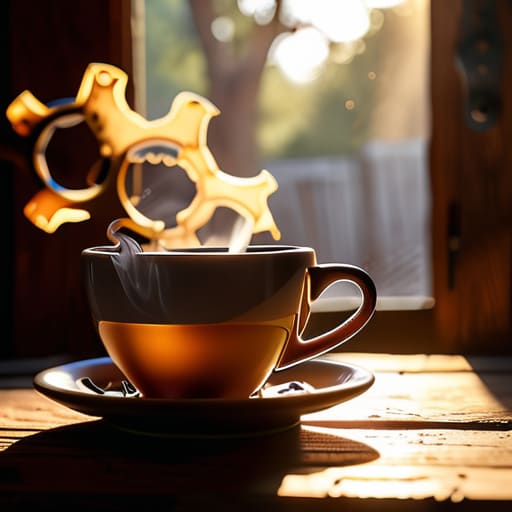
It took me a few weeks of tinkering with old camera shutters to realize that I was trying to force a mechanism that just wasn’t built for constant tension. Our bodies are much the same. I started reading up on the cortisol and caffeine connection, and it clicked: by constantly leaning on that morning brew, I was essentially hijacking my body’s own alarm system. Caffeine tricks the brain into thinking we are under stress, which keeps our cortisol levels hovering uncomfortably high long after the sun has come up.
Instead of riding that artificial wave, I’ve been trying to focus on improving my circadian rhythm by letting my natural rhythms take the lead. When you stop artificially spiking your stress hormones, you stop living in a state of perpetual “ready-for-action” that never actually arrives. It’s a bit like trying to run an engine at redline all day; eventually, something is going to rattle loose. I’m finding that by reducing stimulant intake, I’m actually teaching my body how to find its own steady, quiet strength again.
A Few Small Adjustments to Find Your Rhythm
- Don’t try to quit cold turkey; that’s a recipe for a headache that’ll ruin a perfectly good afternoon. Instead, try cutting your intake by just half a cup every few days. It’s a slow process, much like letting concrete cure, but it’s far kinder to your system.
- Swap that second or third cup of coffee for a warm mug of herbal tea. I’ve found that peppermint or chamomile gives me something to hold onto during those mid-morning lulls without the jittery spike that follows the caffeine.
- Pay attention to your hydration. I used to think I was tired when I was actually just thirsty. Keeping a glass of cool water on the desk helps settle the cravings and keeps the brain fog at bay when the caffeine starts to wear off.
- Timing is everything. I used to drink coffee right up until lunch, but I’ve learned that stopping by two in the afternoon makes a world of difference for my sleep. It’s much easier to enjoy a quiet evening when you aren’t fighting your own racing heart.
- Find a new morning ritual that doesn’t involve a stimulant. Rather than reaching for the kettle immediately, I’ve started sitting on my porch for ten minutes with my notebook. Watching the light hit the trees is a much better way to wake up the soul than a shot of espresso.
Small Steps Toward a Calmer Rhythm
Don’t expect a sudden shift; treat the withdrawal like a slow structural repair, giving your body the grace and time it needs to adjust without rushing the process.
Listen to your body’s internal signals rather than forcing a caffeine fix, and try replacing that frantic energy with a quiet moment, like watching the morning light through a window.
Focus on managing your stress levels naturally by understanding how caffeine plays with your cortisol, aiming for a steady state of being rather than the artificial highs and lows.
The Quiet After the Buzz
“I spent years thinking that energy was something you had to manufacture with a steaming mug and a quick fix, but I’ve learned that true vitality isn’t found in the jittery rush of a caffeine spike; it’s found in the steady, quiet clarity that comes when you finally let your own rhythm take over.”
Bernard Oyelaran
Finding My Own Rhythm

Looking back on the last few weeks, I’ve realized that cutting back on caffeine wasn’t just about avoiding the headaches or the midday jitters. It was about untangling myself from that constant, artificial sense of urgency. By understanding how much my morning brew was actually messing with my cortisol levels, I’ve been able to navigate those foggy withdrawal days with a bit more patience. It turns out that when you stop forcing your body into a state of high alert, you start to find a more natural, steady baseline that doesn’t require a stimulant to maintain. It’s been a process of trial and error, but the clarity I’ve gained is worth more than any caffeine kick.
As I sit here by the window, sketching the way the afternoon light hits the oak tree in my yard, I feel a sense of calm that I haven’t known in years. We spend so much of our lives trying to outrun the clock, using coffee as a sort of fuel to keep up with a world that never stops moving. But I’ve learned that there is a profound strength in slowing down. I hope you find your own way to reclaim those quiet moments. Whether it’s trading that third espresso for a long walk or simply sitting in silence, remember that the best parts of life aren’t found in the rush, but in the stillness.
Frequently Asked Questions
How do I manage the headaches and irritability without feeling like I'm losing my edge during the day?
It’s a tricky balance, isn’t it? I felt that same edge slipping away during my first week. My advice is to don’t go cold turkey; that’s just asking for trouble. Instead, try tapering down—maybe switch to half-caf for a while. And when that irritability starts to flare, step away from the desk. A short walk or even just some deep breaths can do more for your focus than a frantic caffeine fix ever could.
Are there specific herbal teas or natural alternatives that actually taste good and don't leave me feeling sluggish?
I’ve found that peppermint tea is a real lifesaver; it’s crisp, refreshing, and has a way of clearing the head without the jitters. If you’re looking for something a bit more grounding, a good ginger tea provides a lovely warmth that feels quite restorative. I also keep some rooibos on hand—it’s earthy and rich, almost like a black tea, but much kinder to my nervous system in the afternoons.
Should I try cutting it out all at once, or is it better to slowly taper down my intake over a few weeks?
Now, I’ve never been one for radical, overnight changes—I learned that the hard way managing construction sites. If you try to quit cold turkey, you’ll likely spend a week feeling like you’re walking through waist-deep mud. I’d suggest a slow taper. Maybe swap one cup for decaf or tea each week. It’s a bit more patience, sure, but it lets your system adjust without the sudden, jarring crash.
