How to Go Backpacking Through Europe

I remember sitting on a weathered wooden bench in a tiny piazza outside of Florence, my hands slightly stained with ink from my notebook, watching the light fade over the terracotta rooftops. I wasn’t checking a GPS or rushing to catch a high-speed rail; I was simply watching a local baker close up his shop for the evening. Most people approach backpacking europe as if it were a high-stakes engineering project—a frantic race to check off every monument from the Eiffel Tower to the Colosseum before their budget runs dry. They treat travel like a checklist to be completed rather than a life to be lived, and frankly, it’s a heartbreaking way to see the world.

I’m not here to sell you on some glossy, curated itinerary designed by a travel agency. Instead, I want to share what I’ve learned about finding the real soul of the continent through the lens of a slow traveler. I’ll provide you with honest, practical guidance on how to navigate the logistics without losing your sense of wonder. My goal is to help you master the art of intentional wandering, ensuring you spend less time staring at a map and more time savoring the quiet details that make a journey truly unforgettable.

Table of Contents

Finding Quiet Routes and the Best European Backpacking Routes
Finding Quiet Routes and the Best European Backpacking Routes.

When I was managing construction sites, I learned that the most reliable paths aren’t always the most direct ones. The same applies to wandering through the continent. While most people flock to the heavy hitters like Paris or Rome, I’ve found that the true soul of a journey lies in the gaps between the landmarks. If you are looking for the best european backpacking routes, I suggest looking toward the smaller rail lines through Slovenia or the rugged coastal paths of Portugal. These routes allow you to step off the train in a village where no one is rushing, and the only thing on your agenda is deciding which local bakery has the freshest pastries.

Navigating these quieter corners doesn’t mean you have to sacrifice comfort or security. I always tell my friends that backpacking europe on a budget is less about deprivation and more about intentionality. It’s about choosing a small, family-run guesthouse over a sterile hostel, or using your interrail pass benefits to take the scenic, winding route instead of the high-speed line. It takes a little more patience, but that’s exactly the point. You aren’t just moving from point A to point B; you are actually living in the space between them.

Unlocking Freedom Through Interrail Pass Benefits and Slow Trains
Unlocking Freedom Through Interrail Pass Benefits and Slow Trains

There is a particular kind of magic in watching the landscape shift through a train window while the rhythmic clack-clack of the tracks settles into your bones. When I first considered how to navigate the continent, I thought about the efficiency of flights, but I quickly realized that’s just another way of rushing. Instead, I leaned into the interrail pass benefits, which offered something far more valuable than mere transport: the permission to change my mind. If I find a small village in the Luberon that looks particularly inviting, I don’t need to consult a rigid itinerary. I simply check the next departure and let the rails decide my direction.

Taking the slow trains allows you to see the true character of the land, far from the sterile terminals of major hubs. It’s a much more soulful way of backpacking Europe on a budget, as it encourages you to settle into the rhythm of the journey rather than the destination. I’ve found that the best moments aren’t found in the famous landmarks, but in those long, contemplative afternoons spent staring at the rolling hills of Tuscany or the mist over the Alps, with nothing but a notebook and a lukewarm coffee for company.

A Few Lessons Learned from a Heavy Pack and a Light Schedule

  • Pack for the person you are, not the person you think you should be. I used to think more was better, but after a few miles on cobblestones, I realized that a heavy bag is just a burden on your spirit. Stick to the essentials—a good pair of boots, a sturdy raincoat, and that little leather notebook of mine. Everything else can be bought if you truly need it.
  • Don’t let a map dictate your joy. It’s easy to get caught up in seeing every major monument, but some of my favorite afternoons have been spent sitting on a bench in a town that wasn’t even on my itinerary, just watching the light change on an old stone wall. If a path looks interesting, take it, even if it leads nowhere in particular.
  • Eat where the locals linger. If a restaurant has a laminated menu in five languages and a host standing outside beckoning you in, keep walking. Look for the small, family-run places where the tablecloths might be a bit worn and the menu is handwritten. That’s where you’ll find the soul of the place, and usually, the best bread.
  • Embrace the art of the “buffer day.” When you’re traveling, it’s tempting to move every two days to see more, but you’ll end up exhausted and seeing nothing. I’ve learned to schedule days where I do absolutely nothing but sit in a cafe, sketch a landscape, and read. You haven’t wasted a day if you’ve actually taken the time to feel where you are.
  • Keep your eyes up, not down. It’s easy to spend your trip staring at a smartphone for directions or photos, but the magic of Europe is in the details—the way the ivy clings to a doorway or the specific shade of blue in a Mediterranean cove. Use your phone for the logistics, then tuck it away and let your senses do the heavy lifting.

A Few Things I’ve Learned Along the Way

Don’t let a rigid itinerary become your master; leave room in your schedule for the unplanned detour or the extra hour spent sitting in a sun-drenched plaza.

The journey is just as important as the destination, so embrace the slow pace of the rails and let the changing landscapes do the heavy lifting for your soul.

Pack light, but carry the essentials for noticing the small things—a good notebook, a steady pair of walking shoes, and a willingness to be a spectator rather than just a tourist.

The View From the Window

“Backpacking through Europe isn’t about how many borders you can cross in a week; it’s about that singular, quiet moment when you’re sitting on a train, a half-eaten pastry in hand, watching the sun dip behind a Tuscan hillside and realizing you haven’t thought about your watch in hours.”

Bernard Oyelaran

The View from the End of the Line
The View from the End of the Line.

Looking back on everything we’ve discussed, it really comes down to a choice of how you want to experience the continent. You can certainly rush through the major capitals, checking off monuments like items on a grocery list, but you’ll miss the soul of the place. By choosing those quieter, less-trodden routes and leaning into the rhythmic, slow pace of the Interrail lines, you aren’t just moving from point A to point B. You are actually engaging with the landscape. Whether it’s the way the light hits a stone wall in a mountain village or the simple ease of a long train ride through the countryside, these choices are what transform a mere trip into a truly meaningful journey.

As I sit here in a small cafe, sketching the way the shadows fall across the cobblestones, I’m reminded that the best parts of travel aren’t found in a guidebook. They are found in the unplanned pauses—the extra hour spent over a glass of local wine or the unexpected conversation with a stranger on a platform. Don’t be afraid to let your itinerary breathe. If you find yourself lost or delayed, don’t fret; just pull out a chair, find a good view, and savor the moment. After all, the goal isn’t to see everything, but to really see what is right in front of you.

Frequently Asked Questions

How do you manage to keep your gear light enough for long walks without sacrificing the comforts of a decent meal or a good book?

It’s a delicate balance, isn’t it? I’ve learned the hard way that every ounce counts when your feet are doing the heavy lifting. I stick to a “one-in, one-out” rule for gear, focusing on multi-purpose items. I don’t pack a library; I choose one sturdy, well-loved paperback. As for meals, I skip the heavy cooking kits and rely on local markets. A fresh baguette and some local cheese weigh next to nothing but taste like heaven.

Are there specific regions in Europe where the pace of life feels more authentic and less like a tourist treadmill?

If you’re looking to escape the treadmill, steer clear of the major capitals and head toward the Peloponnese in Greece or the Alentejo region in Portugal. There’s a stillness there that’s hard to find elsewhere. I found myself in a tiny village in the Dordogne last autumn, where the only real “schedule” was the local market day. It’s in those quieter corners—where the bread is crusty and the locals actually have time to talk—that Europe truly breathes.

What’s your advice for staying safe and finding those quiet, tucked-away spots when you're traveling solo?

When I’m traveling alone, I rely on my gut more than any guidebook. If a street feels too frantic or a crowd feels too heavy, I turn a corner. To find those quiet spots, I look for the places where the locals linger—a small bakery with a single wooden table or a park bench facing a fountain. Stay aware, keep your wits about you, but don’t be afraid to get lost. That’s usually where the magic happens.


Tips for Managing Frequent Business Trips

I remember sitting in a cramped terminal in Chicago back in ’94, surrounded by people frantically checking their watches and shouting into heavy mobile phones. Back then, I was managing bridge projects, and I thought business travel was supposed to be a high-octane sprint of efficiency and prestige. But looking back through the lens of a retired engineer, I see it was mostly just a lot of wasted motion and expensive, lukewarm coffee. We’ve been sold this idea that being “on the road” means living out of a suitcase in a blur of meetings, but that’s a recipe for burnout, not success.

I’m not here to give you a list of the best lounge hacks or how to maximize your frequent flyer miles. Instead, I want to share what I’ve learned about reclaiming your humanity while moving from point A to point B. I’ll show you how to find those small, quiet pockets of peace amidst the chaos, ensuring that even the most grueling trip allows you to actually experience the places you visit. Let’s talk about how to travel with purpose, rather than just traveling to work.

Table of Contents

Mastering Business Trip Planning Without Losing Your Soul

Mastering Business Trip Planning Without Losing Your Soul

When I was managing construction crews, I learned that a project lives or dies by its foundation. The same applies to your itinerary. Most people approach business trip planning like a frantic race against a clock, trying to squeeze every possible minute of productivity out of a flight or a taxi ride. But if you spend your entire trip staring at a laptop screen in a sterile hotel lobby, you aren’t actually traveling; you’re just working in a different zip code.

I’ve found that the trick is to build in “buffer zones.” Instead of obsessing over every minute of your corporate travel management requirements or worrying about whether you’re strictly adhering to a rigid business travel expense policy, try to find the small wins. Choose a hotel that isn’t just a standard corporate accommodation, but one that sits near a park or a local bakery. If you can secure a room that feels like a sanctuary rather than a temporary cell, you’ll find it much easier to reclaim your sense of self once the meetings finally conclude.

Finding Quiet Moments Within Corporate Accommodation Standards

Finding Quiet Moments Within Corporate Accommodation Standards.

There is a certain sterile uniformity to most hotels that fall under strict corporate accommodation standards. You walk into the lobby, see the same beige carpeting and the same generic art, and you can almost feel your sense of place evaporating. It’s efficient, certainly, and it makes following a business travel expense policy much simpler for the accounting department, but it can feel a bit hollow. I’ve learned that if you don’t make a conscious effort, these rooms become nothing more than high-end waiting rooms between meetings.

To counter that, I try to look for the small, human textures that the big chains often overlook. Instead of staying in the heart of the frantic business district, I use my loyalty program benefits to scout for properties just a few blocks away—places that might have a small courtyard or a breakfast nook with a view of a local park. I keep my leather notebook handy to sketch the way the light hits the curtains in the morning. It’s a small thing, but finding that quiet pocket of stillness amidst the standardized furniture is what keeps me grounded.

Small Ways to Keep Your Feet on the Ground When You're Living Out of a Suitcase

  • Pack a physical book or that old notebook of mine. When the Wi-Fi in the hotel lounge is acting up or the flight is delayed, don’t reach for your phone immediately. There is a certain dignity in being unreachable for an hour, just letting your mind wander while you wait.
  • Seek out a local market instead of the hotel breakfast buffet. I’ve found that even a twenty-minute walk to find a decent loaf of bread or a piece of seasonal fruit connects you to the rhythm of a new city far better than any continental breakfast ever could.
  • Treat your walking shoes as your most important piece of equipment. I spent years overseeing construction sites where comfort was non-negotiable, and travel is no different. If your feet are aching, you won’t notice the architecture or the way the light hits the cobblestones.
  • Make it a point to eat at least one meal entirely alone, without a screen in front of you. Order something that looks interesting, sit by a window if you can, and just observe. It’s in those quiet, solitary meals that you actually begin to process where you are.
  • Find a “third place” that isn’t your office or your hotel room. Whether it’s a quiet park bench or a small corner cafe, having a spot that feels like a sanctuary helps prevent that strange, drifting sensation that comes with constant movement.

A Few Small Reminders for the Road

Don’t let the itinerary become your master; leave a little breathing room in your schedule for a spontaneous stroll or a quiet coffee, even if it feels counterintuitive to your boss.

Seek out the local flavor rather than the hotel buffet; a meal shared with a local or even just eaten at a corner bistro can ground you when the corporate world feels too sterile.

Carry a way to disconnect from the digital noise—whether it’s my old Leica or a simple notebook—to remind yourself that there is a world existing outside of your inbox.

The View from the Terminal

A business trip shouldn’t just be a series of closed doors and sterile conference rooms; it’s an opportunity to step outside the itinerary and find the soul of a city in a single, quiet cup of coffee or the way the light hits a cobblestone street at dusk.

Bernard Oyelaran

Bringing It All Home

Finding peace and Bringing It All Home.

At the end of the day, managing a trip full of meetings and tight schedules doesn’t have to mean turning yourself into a mere cog in a corporate machine. We’ve talked about how a bit of intentional planning can save your sanity, and how finding that one quiet corner in a hotel lobby or a local bistro can act as an anchor when the world feels too fast. It isn’t about ignoring your responsibilities; it’s about protecting your inner peace amidst the logistics. When you balance the necessity of the work with the small, deliberate acts of self-care—like a long walk after a presentation or a slow breakfast—you ensure that you aren’t just surviving the trip, but actually living through it.

As I sit here in this small cafe, sketching the light hitting the cobblestones outside, I’m reminded that even the most grueling itinerary contains hidden pockets of grace. Don’t let the rush to the next gate or the next boardroom blind you to the world passing by your window. If you can learn to find the beauty in the transit, the quiet rhythm of a new city, and the simple comfort of a well-cooked meal, you’ll find that business travel becomes something much more than a chore. It becomes an opportunity to slow down and notice that even in the middle of the grind, there is always something worth savoring.

Frequently Asked Questions

How can I keep my sense of routine and well-being when my schedule is constantly changing from city to city?

I’ve found that the trick isn’t trying to control the chaos, but carrying a few small constants with you. Whether it’s a specific brand of tea you brew in your hotel room or a twenty-minute walk at dawn, those tiny anchors keep you grounded. Don’t try to replicate your whole life on the road; just find one or two rituals that belong solely to you, and hold onto them tightly.

Are there ways to find authentic, local dining experiences when I'm stuck in those predictable hotel food courts and airport lounges?

I’ve learned the hard way that the best meals aren’t found behind a badge or a buffet line. When I’m stuck in a terminal, I put the phone away and look for the small, family-run spots tucked into the side streets—the ones with handwritten menus and a bit of character. If you’re truly stranded, look for the local grocery stores. A fresh loaf of bread, some local cheese, and a bench in a park can turn a lonely business trip into a moment worth remembering.

How do you balance the pressure to be "always on" for work with the need to actually see and experience the places you're visiting?

It’s a tug-of-war, isn’t it? That constant digital hum in your pocket makes it feel like you’re anywhere but where your feet actually are. I’ve learned to set a hard boundary: the “golden hour.” Once the sun starts to dip, the laptop stays shut. I head out—even if it’s just for twenty minutes—to find a local bakery or a park bench. You can’t see the soul of a city through a backlit screen.

Using Scent to Influence Your Mood

I was sitting in a cramped, dusty workshop last Tuesday, trying to coax a stubborn shutter mechanism back to life on an old Leica, when the smell of old machine oil and cedarwood hit me. It wasn’t some fancy, bottled concoction from a high-end boutique, but it did something to my spirit that no amount of expensive “wellness” marketing ever could. Lately, it seems like everyone treats scent therapy as this mystical, overpriced ritual involving crystal-encrusted diffusers and complicated breathing exercises. To my mind, that’s just more noise in a world that’s already far too loud.

I’m not interested in selling you on a lifestyle overhaul or some pseudo-scientific miracle cure. What I want to share is how you can use simple, honest aromas to anchor yourself when the day feels like it’s spinning a bit too fast. I’ll be looking at the practical side of things—how a bit of rosemary or the scent of rain on hot pavement can serve as a quiet reset button for your mind. No fluff, no hype; just a few ways to use your senses to find your footing again.

Table of Contents

Essential Oils for Relaxation in Small Moments

Essential Oils for Relaxation in Small Moments

I’ve found that I don’t need much to shift my mood, just a few well-chosen bottles on the windowsill. When the house feels a bit too quiet or my mind starts racing toward tomorrow’s to-do list, I reach for lavender or sandalwood. These aren’t just pleasant smells; they are tools. I’ve learned that using essential oils for relaxation is less about a grand ritual and more about those tiny, intentional pauses. Sometimes, a single drop on a cotton ball tucked near my sketching notebook is enough to ground me.

I’ve also taken to experimenting with different scent diffusion techniques depending on the time of day. In the mornings, a bright citrus helps clear the mental fog, but as the sun begins to dip, I prefer the steady, earthy notes of cedarwood. There is a fascinating way the olfactory system and brain connection works—it’s almost like a shortcut to a calmer state of mind. It isn’t magic, but it certainly feels like a gentle hand on my shoulder, reminding me to simply be where my feet are.

Sensory Wellness Practices to Soften the Day

Sensory Wellness Practices to Soften the Day

It isn’t just about the smell itself, though; it’s about how we weave these moments into the fabric of a busy afternoon. I’ve found that the most effective sensory wellness practices don’t require a complete overhaul of your routine. For me, it’s as simple as choosing a specific scent to mark the transition from a hectic morning to a quiet lunch. I might use a small stone diffuser on my desk, letting a few drops of cedarwood drift through the air. It acts as a subtle signal to my mind that the rush is over and it’s time to settle in.

There is a fascinating bit of science behind why this works, too—something about the olfactory system and brain connection that allows a single breath to bypass our cluttered thoughts and head straight for our emotions. When I’m feeling particularly wound up, I don’t reach for a complicated solution. I just lean into the ritual. Whether it’s a warm compress infused with citrus or simply sitting still with a cup of tea while a scent lingers, these small acts help soften the edges of a demanding day.

A Few Simple Ways to Bring Scent into Your Daily Rhythm

  • Don’t feel like you need a fancy machine; sometimes a single drop of cedarwood oil on a cotton ball tucked into your pocket is enough to catch a scent when the world feels a bit too loud.
  • I’ve found that timing is everything—try using something bright like citrus when you’re waking up, but save the heavier, earthier scents for that quiet hour just before the sun goes down.
  • Treat it like one of my old cameras; it’s about the ritual. Light the candle or start the diffuser with intention, rather than just letting it run in the background like white noise.
  • Keep a small vial of peppermint or eucalyptus in your travel bag; it’s a wonderful way to clear the mental fog when you’re stuck in a long train ride or a crowded terminal.
  • Always listen to your own nose. If a scent that everyone says is “relaxing” actually makes you feel restless, put it away. The goal is peace, not following a manual.

A Few Simple Reminders for the Road Ahead

Don’t wait for a grand occasion to find peace; a single drop of oil on a handkerchief or a quiet moment with a candle is enough to reset your afternoon.

Use scent as an anchor to pull yourself out of your head and back into the present moment, much like the way a familiar landscape settles the mind.

Treat these small sensory rituals not as chores to be checked off, but as necessary pauses to help you truly notice the world around you.

The Memory in a Breath

“I’ve found that a single, sharp scent—the cedar of an old workshop or the citrus of a peeled orange—can act like a hand on your shoulder, pulling you out of your head and back into the quiet, steady present.”

Bernard Oyelaran

Finding Your Own Rhythm

Finding Your Own Rhythm through sensory rituals.

As I sit here at this small cafe table, sketching the way the light hits the cobblestones, I’m reminded that these little rituals—whether it’s the sharp, clean scent of eucalyptus to clear a heavy head or the soft drift of lavender at dusk—are more than just pleasant distractions. They are tools. We’ve talked about how specific oils can ground us and how simple sensory practices can act as a buffer against the frantic pace of modern life. It isn’t about creating a complicated wellness regimen or buying every bottle on the shelf; it is simply about choosing a scent that acts as a gentle signal to your nervous system that it is finally okay to let go.

In my years managing construction sites, I learned that the most important part of any structure isn’t the steel or the concrete, but the foundation that holds it all together. I think our well-being is much the same. These small, fragrant moments are the foundation of a life lived with intention. Don’t feel pressured to master it all at once. Just pick one scent, one moment, and one deep breath. After all, the world will still be spinning when you finish your tea, but you might find you’re much better prepared to meet it if you’ve taken the time to simply be.

Frequently Asked Questions

Are there any specific essential oils you’d recommend for someone who is sensitive to strong smells?

If you find yourself easily overwhelmed by heavy scents, I’d suggest steering clear of the punchier oils like peppermint or eucalyptus. Instead, I usually reach for something much more subtle, like Roman chamomile or a light touch of sweet orange. They don’t demand your attention; they just sit quietly in the background. It’s more about a faint, clean whisper of a scent rather than anything that tries to take over the room.

Do you find that certain scents work better at specific times of the day, or is it more about how you're feeling?

I’ve found it’s a bit of both, really. On mornings when my joints feel stiff and the coffee hasn’t quite kicked in, I reach for something bright like citrus to nudge me awake. But if I’m sitting on a park bench feeling a bit restless, I’ll lean toward sandalwood to steady myself. It’s less about a strict schedule and more about matching the scent to the rhythm of the moment.

I've always been a bit wary of synthetic fragrances—is it better to stick strictly to pure oils when I'm trying to relax?

I understand that hesitation completely. When I was working on those massive construction sites, everything was grit and chemicals, so I’ve grown to appreciate things that are honest and pure. For what I’m after—true relaxation—I always lean toward pure, single-origin oils. Synthetic scents can sometimes feel a bit loud or “sharp,” like a poorly tuned engine. Pure oils have a depth and a quietness that really lets you settle in.

The Versatile Use of Citrus in Cooking

I was sitting in a small, sun-bleached café in coastal Italy last spring, watching a young man struggle with a menu that listed “artisanal citrus infusions” at prices that would make a civil engineer weep. It struck me then how much we’ve overcomplicated something so fundamentally simple. We’ve turned citrus fruits into these expensive, high-concept health trends, wrapped in fancy packaging and marketing jargon, when all they really are is a burst of sunlight captured in a rind. You don’t need a specialized workshop or a gourmet certification to appreciate them; you just need a sharp knife and a bit of patience.

In the pages ahead, I’m not going to bore you with nutritional charts or complicated recipes that require a trip to a specialty market. Instead, I want to share what I’ve learned from years of wandering through local markets and simple kitchens: how to truly taste the difference between a seasonal orange and a supermarket dud, and why the zest is often better than the juice. This is about finding the quiet joy in a simple slice of fruit, stripped of the hype and returned to its honest, bright self.

Table of Contents

Discovering Citrus Varieties and Flavors in Every Bite

Discovering citrus varieties and flavors in every bite.

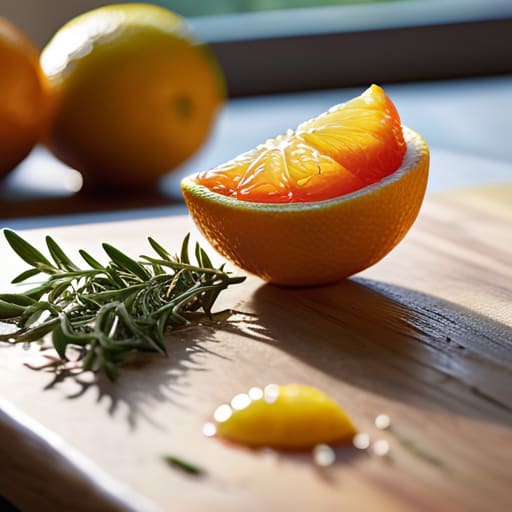
When I first started exploring the local farmers’ markets in this part of the world, I realized I knew far less about these bright, sun-colored fruits than I ever cared to admit. I used to think a lemon was just a lemon, but there is a whole world of citrus varieties and flavors waiting if you bother to look. I remember sitting on a park bench last Tuesday, peeling a blood orange that was so deep a crimson it looked like a gemstone. The juice was tart, yet carried a subtle, berry-like sweetness that a standard Navel simply can’t match.

It’s these nuances that make the experience worthwhile. I’ve even begun experimenting with citrus peel culinary uses, finding that the zest from a lime adds a brightness to a simple roasted chicken that no amount of salt could replicate. There is a certain rhythm to it—learning when the Meyer lemons are at their peak or when the grapefruit offers that perfect, bracing acidity. It isn’t just about eating; it’s about learning the subtle language of the seasons, one slice at a time.

A Seasonality Guide to Finding Natures Perfect Ripe Moment

A Seasonality Guide to Finding Natures Perfect Ripe Moment

I’ve learned over the years that timing is everything. In my engineering days, we lived by strict schedules and blueprints, but nature doesn’t care for a stopwatch. If you want to truly appreciate the depth of different citrus varieties and flavors, you have to learn the rhythm of the seasons. There is a profound difference between a lemon plucked in the height of its season and one forced through a greenhouse in the dead of winter; the former carries a brightness that feels almost alive.

I find myself checking the local markets more closely now, looking for that specific window when the skins are heavy and the scent is intoxicating. Following a simple citrus fruit seasonality guide has changed how I shop. Instead of grabbing whatever looks shiny on the supermarket shelf, I wait for the late winter arrival of blood oranges or the early spring sweetness of tangerines. It’s a lesson in patience. When you wait for that perfectly ripe moment, the reward isn’t just better taste—it’s the quiet satisfaction of being in sync with the world around you.

Small Rituals for a Better Harvest

  • When you’re at the local market, don’t just look at the color. Give a lemon or an orange a gentle squeeze; you’re looking for a bit of give, like a ripe peach, which tells you the juice is tucked tight inside the skin.
  • I’ve found that the zest is where the real soul of the fruit lives. Instead of rushing to juice everything, take a moment to grate a little bit of that bright, fragrant peel over your morning yogurt or a piece of toast.
  • If you find a fruit that feels a bit too firm or stubborn, don’t toss it. Let it sit in a small bowl of room-temperature water for a few minutes; it can sometimes coax a little more life back into the rind.
  • Don’t be afraid of the scent. I often find myself just sitting with a sliced grapefruit, letting the sharp, clean aroma fill the air before I even take a bite. It’s a simple way to clear the mental cobwebs.
  • To keep your citrus fresh for more than a few days, keep them out of the refrigerator if you can. A cool, dry spot on the counter—away from the direct glare of the sun—keeps them tasting much more like they were just picked.

Savoring the Small Things

Don’t rush the process; let the scent of a freshly peeled orange or a squeeze of lime be a signal to slow your breathing and just be present.

Respect the seasons by seeking out fruit when it’s truly ready, as the patience required for the right moment always yields a sweeter reward.

Treat every piece of fruit as a sensory experience rather than just a snack, noticing the texture of the rind and the bright, sharp burst of flavor.

## A Small, Bright Reminder

There’s a certain kind of honesty in a piece of fruit—the way a sun-warmed orange yields its scent the moment you break the skin, reminding you that the best things in life don’t need to be complicated, they just need to be tasted slowly.

Bernard Oyelaran

A Bittersweet and Bright Farewell

A Bittersweet and Bright Farewell with citrus.

As I sit here in this small cafe, finishing the last few segments of a blood orange, I’m reminded of how much we’ve covered. From navigating the subtle differences between a tart lime and a honeyed tangerine to understanding the simple rhythm of when each fruit reaches its peak, it really comes down to one thing: paying attention. Whether you are hunting for the perfect grapefruit at a local market or simply slicing a lemon to brighten a weekday meal, knowing the nuances of these bright, zesty treasures makes the experience so much richer. It turns a simple snack into a small, intentional discovery.

I often think back to my days on construction sites, where everything was about speed, precision, and meeting the next deadline. But these days, I find more satisfaction in the slow peel of a clementine or the way the sunlight catches a glass of freshly squeezed juice. Don’t let the rush of the world rob you of these tiny, fragrant joys. Next time you find yourself reaching for a piece of fruit, I encourage you to slow down. Take a moment to smell the zest, feel the texture, and truly taste the season. After all, life is found in the details.

Frequently Asked Questions

How can I tell if a citrus fruit is truly ripe and sweet just by holding it in my hands?

I’ve learned over the years that you can’t rush a good thing, and that applies to fruit, too. When I’m at a local market, I don’t just look at the color; I pick them up. You’re looking for weight. A ripe orange should feel heavy for its size, as if it’s brimming with juice. Give it a gentle squeeze—it should have a bit of give, like a firm cushion, rather than feeling like a hard stone.

Are there any simple ways to use the leftover peels so they don't just end up in the compost?

I’ve always felt that tossing a peel is a bit like throwing away a small piece of art. If you have a bit of extra time, I like to toss some zest into a jar of sugar; it creates a lovely, fragrant rub for baking. Or, if you’re feeling more practical, simmering peels in a bit of white vinegar makes a wonderful, bright-smelling cleaner for the kitchen counters. It’s a small way to honor the whole fruit.

Which citrus varieties tend to hold up best if I'm planning to bring them along on a long walk or a picnic?

If you’re packing a bag for a long afternoon wandering the trails, I’d steer clear of anything too delicate. I usually reach for clementines or easy-peelers; they’re sturdy enough to survive a bit of jostling in my satchel and don’t require a knife to enjoy. Or, if you don’t mind a little mess, a firm navel orange is a reliable companion. Just tuck them into a small container so they don’t bruise while you’re walking.

Applying Permaculture Principles to Home Wellbeing

I was sitting on my back porch last Tuesday, watching a heavy rain soak into the flowerbeds, when I saw another one of those glossy, expensive “permaculture kits” being hauled into my neighbor’s yard. It felt a bit like watching someone try to build a skyscraper with nothing but a handful of fancy, pre-packaged bricks and a dream. There is this modern misconception that mastering permaculture principles requires a massive upfront investment in high-tech gadgets or a degree in ecological engineering. To my mind, that’s just noise. We’ve been taught to believe that nature needs to be managed with expensive tools, when in reality, the most profound lessons usually come from simply observing how the water finds its own way home.

I’m not here to sell you on a lifestyle overhaul or a complicated system that requires you to spend every waking hour in the dirt. Instead, I want to share what I’ve learned by watching the seasons turn and the soil settle. I promise to give you some straightforward, practical wisdom on how to work with the land rather than against it. We’ll skip the jargon and focus on the slow, steady rhythms that actually make a garden thrive.

Table of Contents

Finding Peace Through Permaculture Design Ethics

Finding Peace Through Permaculture Design Ethics.

When I first sat down with my notebook in a small community garden outside of Ann Arbor, I realized that these ideas weren’t just about where to plant the tomatoes. At the heart of it all are the permaculture design ethics, which act much like the blueprints I used to rely on in my engineering days—only much more soulful. It isn’t about conquering a piece of land; it’s about tending to a relationship between yourself and the earth. You start by learning to care for the place, then for the people around you, and finally, for the future.

I’ve found that this mindset shifts how you see a simple backyard. Instead of seeing a mess of weeds, you start to see the potential for biodiversity in food forests, where every insect and bird has a purpose. It’s a way of working with nature rather than against it. When you stop trying to force the landscape into a rigid, artificial shape, you finally begin to notice the quiet, steady rhythm of the seasons. It turns a chore into a form of meditation.

The Quiet Art of Permaculture Zone Planning

The Quiet Art of Permaculture Zone Planning.

When I first started looking into permaculture zone planning, I’ll admit I approached it like one of my old engineering projects—with a ruler, a blueprint, and a rigid sense of efficiency. I thought I needed to map out every square inch to ensure maximum productivity. But as I sat on my porch watching the way the light hit the garden, I realized that nature doesn’t work in straight lines or strict grids. It works in circles, and more importantly, in layers of frequency.

The real trick isn’t about forcing the land into a specific shape; it’s about placing things where they actually belong in your daily rhythm. I’ve started moving my most finicky herbs and salad greens closer to the kitchen door—what they call Zone 1—so I can check on them while the kettle boils. Meanwhile, the heavier lifting, like the fruit trees and more robust biodiversity in food forests, can stay further out where they can grow undisturbed. It’s less about managing a site and more about designing for ease, ensuring that the garden works with your movements rather than against them.

Five Ways to Listen to the Land

  • Stop trying to conquer the terrain. When I was managing construction sites, we always wanted to flatten everything out, but nature doesn’t work that way. Instead, look at how the water naturally flows across your yard and work with those dips and rises rather than fighting them with concrete.
  • Observe before you act. It’s tempting to run out and buy a dozen different plants on a whim, but I’ve learned it’s better to sit on the porch with my notebook for a few weeks first. See where the sun actually hits in July and where the wind bites hardest in November.
  • Embrace the “messy” edges. We often think a tidy garden is a healthy one, but there’s a lot of life happening in those unkempt borders where the hedge meets the meadow. Those little pockets of wildness are often where the most interesting work gets done.
  • Think in cycles, not straight lines. In my old job, everything was about a start date and an end date, but a garden is a circle. What looks like waste today—like fallen leaves or kitchen scraps—is really just the fuel for next year’s growth.
  • Start small enough to actually enjoy it. There is no sense in digging up half an acre if it’s just going to become another chore on a list. Pick one small corner, get to know the soil there, and let the rest of the garden grow out of that single, successful spot.

Lessons Learned from the Soil

Don’t try to outsmart nature with heavy machinery or rigid blueprints; instead, spend time observing how the light hits your patch of earth and let the land tell you where it wants to breathe.

True sustainability isn’t about a complex system of gadgets, but about creating small, interconnected loops where nothing is wasted and every element has a quiet purpose.

Approach your garden—and your life—with patience, understanding that the most resilient growth happens when we stop forcing the pace and start working with the natural rhythms already in motion.

## On Listening to the Land

“Permaculture isn’t about imposing your will upon a patch of dirt; it’s more like sitting on a porch and finally learning how to listen to what the wind and the soil have been trying to tell you all along.”

Bernard Oyelaran

The Slow Work of Growing Together

The Slow Work of Growing Together.

Looking back at what we’ve discussed, it’s clear that permaculture isn’t just a set of technical rules for arranging plants or managing water. It is a way of seeing. By leaning into the ethics of care, respecting the natural zones of our lives, and understanding how every small element connects to the next, we move away from the old way of forcing nature to obey. Instead, we begin to work with the rhythms that are already there. Whether you are planning a small raised bed or just rethinking how you interact with your local environment, the goal is to build a system that is resilient, thoughtful, and deeply integrated with the world around it.

As I sit here in this little cafe, sketching the way the light hits the cobblestones, I’m reminded that nothing worth having happens overnight. A garden, much like a well-lived life, requires patience and a willingness to observe before acting. Don’t feel like you have to transform your entire backyard by the end of the weekend. Just start by noticing the details—the way the wind moves through the trees or how the soil feels between your fingers. If you take it one small, intentional step at a time, you might find that you aren’t just growing a garden; you are cultivating a sense of peace that stays with you long after the sun goes down.

Frequently Asked Questions

How do I start applying these principles if I only have a small patio or a few window boxes rather than a large plot of land?

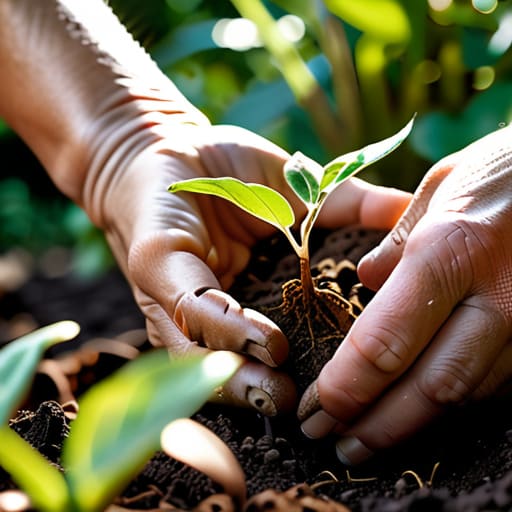
Don’t let a lack of acreage fool you; permaculture isn’t about the size of the dirt, but the intention behind it. I’ve found that even a few window boxes can become a tiny, thriving ecosystem. Start by observing how the sun hits your patio throughout the day—that’s your first lesson in design. A single pot of herbs or a small container garden is plenty to begin practicing that slow, steady rhythm of working with nature.

Does following these natural rhythms mean I have to give up the traditional look of a manicured garden?

Not at all. I used to think a “good” garden had to look like a blueprint—straight lines and perfectly trimmed hedges. But after years of looking at rigid structures, I’ve learned that nature has its own kind of order. You can certainly have a tidy space; it just looks a bit more intentional and less forced. Think of it as guiding the growth rather than policing it. It’s about grace, not chaos.

How much time and physical energy does it actually take to maintain a system like this once it's established?

That’s the question that usually stops people in their tracks, isn’t it? After thirty years of managing heavy construction, I’ve learned that the hardest work is often the setup. Once the system finds its rhythm, the heavy lifting fades. You aren’t fighting the land anymore; you’re just tending to it. It shifts from grueling labor to a gentle, daily ritual—a bit of pruning here, a check on the soil there. It’s restorative, not exhausting.

An Introduction to Different Cheese Varieties

I was sitting in a small, sun-drenched deli in the hills of Tuscany last Tuesday, watching a young man try to explain the “complex molecular structure” of a simple wedge of Pecorino to his companion. It was all sorts of pretentious jargon, the kind of high-flown nonsense that makes a simple pleasure feel like a chore. People have a funny way of making things complicated just to justify a higher price tag, but the truth is, you don’t need a degree to appreciate the vast world of cheese varieties. You just need a bit of patience and a willingness to actually taste what’s in front of you without the lecture.

I’m not here to give you a lecture or a list of overpriced trends that will be forgotten by next season. Instead, I want to share what I’ve learned from years of slow travel and even slower meals: how to recognize the soul of a good cheese. I’ll walk you through several distinct cheese varieties based on how they actually feel on the palate and how they pair with a quiet afternoon. My goal is to help you find those honest, reliable flavors that make a simple cracker and a slice of cheddar feel like a feast.

Table of Contents

The Gentle Rhythm of Milk Types in Cheesemaking

The Gentle Rhythm of Milk Types in Cheesemaking

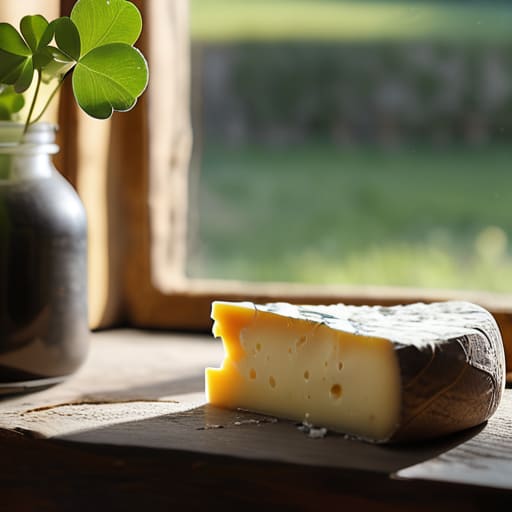
I’ve always found that understanding the foundation of a good wedge starts with the source. When I’m sitting in a quiet cafe, sketching the light hitting a window, I find myself thinking about the subtle shifts in milk types in cheesemaking. It isn’t just about the animal; it’s about the season and the pasture. A cow grazing on lush, spring clover will produce a milk that yields a creamier, more floral result than one eating dry hay in late August.

There is a certain honesty in how the milk dictates the final character. Sheep’s milk, for instance, carries a richness that feels almost heavy on the tongue, perfect for those more robust cheese flavor profiles I enjoy during a long lunch. Goat’s milk offers that bright, tangy snap that cleanses the palate. Whether you are leaning toward the delicate nature of an aged goat cheese or the pillowy softness of a fresh buffalo mozzarella, it’s these fundamental differences that create the beautiful variety we see on our plates. It’s a reminder that even the most complex things have very simple, grounded beginnings.

A Slow Study of Diverse Cheese Flavor Profiles

A Slow Study of Diverse Cheese Flavor Profiles

When I sit down with a new wedge, I find it best to start with the extremes. There is a certain honesty in the contrast between aged vs fresh cheese that reminds me of the difference between a sturdy old bridge and a new garden path. A fresh goat cheese is bright and fleeting, almost like a morning mist, while an aged Gruyère demands your full attention with its crystalline crunch and deep, nutty resonance. I’ve learned that you can’t rush through these nuances; you have to let them sit on your palate until the complexity reveals itself.

As I sketch the shadows lengthening across my table, I often find myself contemplating the vast spectrum of cheese flavor profiles. It isn’t just about salt or cream; it’s about the story of the land. Some cheeses carry a sharp, grassy tang that speaks of spring pastures, while others offer a mellow, earthy funk that feels like a warm hearth on a cold Michigan evening. To truly understand them, you have to embrace the slow, deliberate act of tasting, letting each note linger just a moment longer than necessary.

Five Small Ways to Savor Your Next Cheese Board

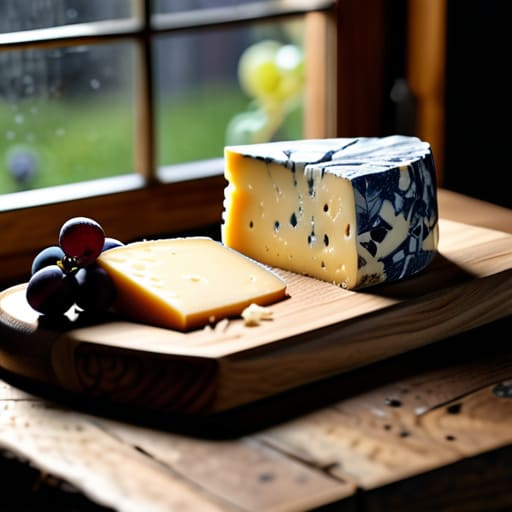
  • Don’t rush the temperature; let your cheese sit out on the counter for about thirty minutes before you dive in. Cold cheese hides its character, but at room temperature, those subtle notes of cream and earth finally find their voice.
  • Try to find a bit of contrast to keep your palate awake. If you’ve picked out a sharp, aged cheddar, pair it with something soft like a ripe pear or a dollop of honey to balance that bite.
  • Pay attention to the textures. I always find that a good spread needs a mix—something crumbly, something velvety, and perhaps something firm. It makes the whole experience feel more substantial.
  • Keep your knife selection simple but intentional. Using the same knife for a soft Brie and a hard Gruyère can muddy the flavors, much like using a heavy-duty wrench when a fine screwdriver is what the job calls for.
  • Most importantly, leave the phone in your pocket. Pick a piece, look out the window, and actually taste the nuance. There’s no prize for finishing the plate quickly.

Finding the Heart of the Cheese Board

Don’t rush the tasting; let a piece of cheese sit on your tongue for a moment to see how the flavor shifts from sharp to creamy.

Pay attention to the story behind the milk, whether it’s the richness of a cow’s cream or the distinct tang of a goat’s milk, as it dictates the soul of the cheese.

Use your cheese selection as an excuse to slow down, pairing a simple wedge with a quiet corner and a bit of uninterrupted time.

## The Architecture of a Single Bite

You don’t need a grand banquet to understand the world; sometimes, all it takes is sitting quietly with a wedge of something well-aged and realizing that a single, sharp note of salt or a hint of cream is just as complex and storied as any landscape I’ve ever sketched.

Bernard Oyelaran

Finding the Heart of the Board

Finding the Heart of the Board cheese.

As I sit here by the window, looking over my notes, it becomes clear that choosing a cheese isn’t just about picking a snack; it’s about understanding the entire journey from the pasture to the plate. We’ve looked at how the simple type of milk—be it the creaminess of cow’s milk or the tang of goat’s—sets the foundation, and how those distinct flavor profiles can range from a sharp, biting blue to a soft, yielding brie. It is a complex, beautiful architecture of taste that mirrors the very infrastructure I used to build, only far more delicious and nuanced.

My advice to you is simple: the next time you find yourself standing in the deli aisle, don’t just grab the first thing that looks familiar. Slow down. Pick up a wedge of something you can’t quite name, take it home, and give it the respect of a quiet moment. Whether it’s a hard, crystalline aged cheddar or a velvety Camembert, let it tell you its story. After all, life is far too short to rush through the things that are meant to be truly savored. Just remember, a little patience and a good cracker can make even the simplest afternoon feel like a small triumph.

Frequently Asked Questions

How can I tell if an aged cheese is truly worth the extra time and effort it takes to find a good piece?

Look for the small things. When I’m at a local creamery, I look for those tiny, crunchy crystals—those little bursts of tyrosine that signal a cheese has truly matured. If the texture feels alive, moving from a firm bite to a slow, creamy melt on your tongue, you’re on the right track. If it leaves a lingering, complex finish that makes you want to sit quietly for a moment longer, it’s worth every penny.

Are there certain types of cheese that pair particularly well with a quiet afternoon of sketching or reading?

When I’m sitting with my notebook, I tend to reach for something mellow—a creamy Brie or a mild Gruyère. You don’t want a pungent Roquefort distracting you from the lines of a landscape or a good chapter. I find that a soft, nuttier cheese allows the mind to wander without being overwhelmed. It’s about finding that balance where the flavor complements the silence rather than competing with it.

When I'm at a local market, how can I distinguish between a mass-produced cheese and one that has been made with a bit more soul and intention?

When I’m wandering through a local market, I don’t look at the labels first; I look at the edges. Mass-produced cheese is too perfect, too uniform, like a blueprint with no room for error. But a cheese with soul? It has character. Look for slight irregularities in the rind or a texture that isn’t perfectly smooth. Most importantly, ask the maker about the season. If they can tell you how the pasture changed, you’ve found something special.

How Reading Impacts Mental Wellbeing

I remember sitting in the breakroom of a massive construction site back in ’94, the air thick with the smell of diesel and wet concrete. My ears were ringing from the jackhammers, and my mind was a chaotic mess of structural schematics and deadlines. I reached into my bag for a worn paperback, hoping for just five minutes of peace, but I couldn’t focus; the noise was too loud, and my brain was still running at a hundred miles an hour. We’ve been told that reading for relaxation is this effortless, magical escape, but nobody mentions how hard it is to actually quiet the noise in your head long enough to sink into a story.

I’m not here to give you some lofty, academic lecture on the cognitive benefits of literature. Instead, I want to share what I’ve learned through years of trial, error, and a lot of slow afternoons in my garden. I’ll tell you how to strip away the distractions and find that quiet, steady rhythm that turns a book into a sanctuary. We aren’t looking for a productivity hack here; we are looking for a way to finally slow down and notice the details.

Table of Contents

Finding Solace in the Bibliotherapy Benefits of a Good Story

Finding Solace in the Bibliotherapy Benefits of a Good Story

I’ve always found it curious how a well-constructed narrative can act like a physical weight being lifted off your shoulders. There is a certain kind of magic in what some call the bibliotherapy benefits of a good book; it isn’t just about passing the time, but about finding a temporary sanctuary. When I’m deep into a sweeping historical novel, the hum of the refrigerator and the distant drone of traffic simply fade away. It’s a form of escapism through literature that feels far more substantial than mindlessly scrolling through a phone.

For me, the real shift happens when I commit to mindful reading practices. Instead of tearing through chapters to see how the story ends, I try to settle into the rhythm of the prose. I’ll sit by the window with my tea, feeling the texture of the paper and noticing how the light shifts across the room as the plot unfolds. It’s a slow, deliberate process that forces the world to stand still. In those moments, I’m not just consuming information; I am reclaiming my own quietude.

Escapism Through Literature a Gentle Departure From the World

Escapism Through Literature a Gentle Departure From the World

There is a particular kind of magic in opening a book and feeling the weight of the world simply fall away. For me, it isn’t about fleeing my life, but rather finding a temporary sanctuary where the noise of the modern world—the constant pinging of notifications and the relentless pace of the news cycle—cannot reach. I’ve found that practicing a bit of digital detox reading is essential; I leave my phone in the other room, sit in my well-worn armchair, and let the ink and paper take over. It is a gentle departure, a way to step into someone else’s shoes and walk through landscapes that exist only in the mind.

This sense of escapism through literature acts as a soft buffer against the frictions of daily life. When I’m deep in a well-told tale, my heart rate slows, and my thoughts stop racing toward tomorrow’s to-do list. It’s a quiet, steady rhythm that brings a sense of peace. It isn’t just a distraction; it is a way to reclaim my own attention and find a stillness that the digital age so often tries to steal from us.

My Little Rituals for Getting Lost in a Book

  • Put the phone in another room. I’ve learned the hard way that a single buzzing notification is enough to shatter the spell a good author has cast on you. Give yourself permission to be unreachable for an hour.
  • Find your “nook.” It doesn’t have to be fancy—just a chair with decent light or a quiet corner of the porch. There’s something about having a designated spot that tells your brain it’s time to settle down.
  • Don’t feel pressured to finish what you start. If a book feels like a chore, set it aside. Reading for peace shouldn’t feel like a deadline on a construction schedule; if the story isn’t speaking to you, find one that does.
  • Pair it with something tactile. I like to have a warm cup of tea or perhaps a small snack nearby. The warmth of the mug in my hands helps ground me before I dive into the pages.
  • Read something that doesn’t demand too much of you. Sometimes, after a long day, you don’t need a dense historical tome. A bit of light fiction or a collection of essays can be just as restorative without the heavy lifting.

A Few Things to Carry With You

Don’t treat a book like a task on a to-do list; let it be a quiet companion that you visit only when the world feels a bit too loud.

Find your own version of a “reading nook”—whether it’s a worn armchair or a bench in the park—and treat that space as a sanctuary for your mind.

It doesn’t matter how fast you turn the pages, as long as you’re actually present for the journey the author is taking you on.

The Quiet Rhythm of the Page

“There’s a certain kind of peace you can only find when the world stops asking things of you, and the only thing left to do is follow the steady, quiet rhythm of a well-told story.”

Bernard Oyelaran

The Quiet Magic of the Final Chapter

The Quiet Magic of the Final Chapter.

As I sit here in this small café, watching the afternoon light shift across the table, I’m reminded that reading isn’t just a way to pass the time; it’s a way to reclaim it. We’ve talked about how a well-told story can act as a form of medicine for the soul and how stepping into another world provides that much-needed gentle departure from our own heavy realities. Whether you are seeking the healing power of bibliotherapy or simply looking to lose yourself in a distant landscape, the goal remains the same: to find a moment of stillness in a world that refuses to stop spinning. It is about intentional slowing, one page at a time.

So, my suggestion to you is simple. Don’t worry about how many books you can check off a list or how fast you can finish a chapter. Instead, treat your next book like a long, scenic walk through a familiar forest. Let the sentences settle, let the characters breathe, and let the rhythm of the prose become your own steady heartbeat. Life is far too loud to spend it rushing through the things that actually nourish us. Pick up a book, find a comfortable corner, and savor the silence that only a good story can provide.

Frequently Asked Questions

How do I stop my mind from racing back to my to-do list while I'm trying to get lost in a book?

I know that feeling well—the mental tug-of-war between the page and the chores waiting at home. When my mind starts racing, I stop fighting it and just grab my notebook. I jot down those nagging tasks to get them out of my head and onto paper. Once they’re “stored” safely, I take a slow breath, settle back into my chair, and give myself permission to simply be present with the story.

Is there a certain type of book—maybe something light or something heavy—that actually works best for winding down at night?

I’ve found that the “right” book depends entirely on the state of your mind when you sit down. If your head is spinning from a hectic day, reach for something light—maybe a bit of travel writing or a gentle memoir. It’s like a soft landing. But if you’re feeling restless, a heavy, complex novel can actually ground you, pulling your focus so deeply into another world that the day’s worries simply fade away.

Should I stick to physical paper books, or is there real value in using an e-reader when I'm traveling?

There’s a certain tactile joy in a physical book—the scent of the paper and the weight of it in your hands. But when I’m traveling, I’ve learned to embrace the e-reader. It doesn’t take up precious space in a worn leather satchel, and I don’t have to worry about a heavy hardcover weighing down my pack. For me, the value isn’t in the medium, but in the quiet moments the story provides, wherever I happen to be.

Visiting Significant Historical Landmarks

I was sitting in a crowded cafe in Rome last Tuesday, watching a tour group rush past a crumbling archway like they were trying to win a sprint. They had their eyes glued to their phone screens, checking off a digital list, completely oblivious to the way the sunlight was hitting the weathered travertine. It struck me then that most people treat historical sites like items on a grocery list rather than living, breathing stories. We’ve been conditioned to believe that if you haven’t stood in the longest queue or paid the highest entry fee, you haven’t truly “seen” it, but that’s a hollow way to travel.

I’m not interested in the polished, postcard version of history that’s been scrubbed clean for the masses. In this series, I want to share how you can find the real soul of a place—the quiet corners, the textures of the stone, and the stillness that most people simply walk right past. I’ll offer you no-nonsense advice on how to navigate these landmarks without the frantic rush, focusing instead on how to actually feel the weight of time beneath your feet.

Table of Contents

Savoring the Quiet Echoes of Ancient Civilizations History

Savoring the Quiet Echoes of Ancient Civilizations History.

There is a particular kind of silence that settles over you when you stand amidst the remnants of an ancient civilization’s history. It isn’t the absence of sound, but rather a heavy, meaningful stillness. Last Tuesday, while wandering near the edge of a recent archaeological excavation site, I found myself sitting on a sun-warmed limestone block, just listening. You realize quickly that these stones have seen more sunrises than your entire family tree combined. It makes your own modern worries feel a bit… well, unnecessarily loud.

I’ve always been drawn to these world heritage wonders, not because I want to check them off a list, but because I want to understand the hands that built them. I sat there with my notebook, sketching the way a crumbled archway framed the valley, thinking about the immense effort required to move such weight without our modern machines. It’s easy to get caught up in the logistics of travel, but the real magic happens when you stop moving and let the weight of time settle into your bones.

Lost in the Details of Unesco World Heritage List Wonders

Lost in the Details of Unesco World Heritage List Wonders.

There is a specific kind of weight you feel when standing before a place officially recognized on the UNESCO World Heritage List. It isn’t just the scale of the monuments, though that can be breathtaking; it’s the realization that these stones have been watched over by generations of people who cared enough to keep them standing. I remember sitting on a low stone wall near a site in Greece, watching a group of researchers discuss cultural preservation efforts nearby. It struck me then that these places aren’t just museum pieces; they are living testaments to our stubborn desire to be remembered.

I tend to drift away from the crowded tour groups, preferring to find a corner where the wind whistles through the gaps in the masonry. While others are busy checking items off a list of world heritage wonders, I find myself captivated by the small things—the way a tool mark from a thousand years ago is still visible in the granite, or how the local wildflowers have reclaimed a fallen column. It’s in these tiny, unscripted moments that the true spirit of the past reveals itself, far away from the noise of the modern world.

A Few Lessons from the Road: How to Truly See a Place

  • Leave the guidebook in your bag for a while. I’ve found that the most profound connections to a site happen when you stop trying to check off a list of dates and facts, and instead just sit on a stone wall to watch how the shadows move across the ruins.
  • Pack a sturdy pair of boots and a bit of patience. These old places weren’t built for paved walkways; they demand a certain level of physical engagement, and your feet will thank you for the extra support when the terrain gets uneven.
  • Carry a small notebook, even if you aren’t an artist. There is something about the act of sitting down to sketch a crumbling archway or jot down a single observation that forces you to slow your pace and actually look at the texture of the history beneath your hands.
  • Go early, or stay late. The midday crowds have a way of rushing through a site like they’re running a race, but in the soft light of dawn or the quiet of dusk, you can almost feel the weight of the years settling around you.
  • Don’t forget to eat nearby. After a long morning of walking through history, I always find that a slow lunch at a local, unpretentious cafe helps ground the experience, turning a mere sightseeing trip into a memory that feels whole.

Lessons from the Long Way Around

Don’t let the guidebook dictate your pace; the real magic of a historical site usually happens in the quiet corners where the crowds don’t bother to go.

Bring a notebook and a bit of patience, because seeing how light hits an old stone wall can tell you more about a place than any plaque ever could.

Remember that these ruins were once living, breathing places, and if you sit still long enough, you might just catch a glimpse of the humanity behind the history.

The Weight of the Stones

“When I stand before these old walls, I don’t see a checklist of monuments to conquer; I see the thumbprints of people who lived, breathed, and built things to last, long before we all became so obsessed with moving fast.”

Bernard Oyelaran

A Final Thought from the Path

A Final Thought from the Path.

As I sit here in this small café, looking over my sketches of the crumbling arches I visited this morning, I realize that these historical sites aren’t just about the grand architecture or the dates etched into stone. They are about the layers of human experience that remain long after the people themselves have gone. Whether it was the quiet dignity of the ancient ruins or the intricate, small-scale wonders of a UNESCO site, the lesson remains the same: every stone tells a story if you are willing to sit still long enough to hear it. We don’t visit these places just to check them off a list; we visit them to find a sense of continuity in a world that often feels far too fast.

So, the next time you find yourself standing before something old and weathered, I encourage you to put your phone away for a moment. Don’t just snap a photo and move on to the next landmark. Instead, take a deep breath, feel the texture of the air, and allow yourself to simply be present. Life isn’t found in the frantic rush to see everything, but in the quiet realization that we are part of a much larger, much older tapestry. Slow down, look closely, and let the past remind you that there is beauty in the enduring, the broken, and the still.

Frequently Asked Questions

How do you manage to find those quiet, tucked-away corners of a site when the crowds seem to be everywhere?

It’s a bit of a skill, really—more about patience than a map. I’ve learned to look for the paths that aren’t paved or well-lit. Usually, if you follow a trail that looks a little overgrown, or just step a few yards away from the main courtyard, the noise drops away. I find that if I sit still for twenty minutes, the crowds eventually drift toward the next “must-see” landmark, leaving the silence to me.

Are there any particular historical spots you’ve found that are better experienced at dawn or dusk rather than in the midday heat?

I’ve always found that the midday sun can be a bit too harsh, both for the eyes and the spirit. Last autumn, I sat by the ruins of an old abbey just as the sun began to dip. The long shadows stretched across the stone, making the carvings pop in a way they never do at noon. It’s in those golden hours that you truly feel the weight of time.

When you're visiting these places, do you find it difficult to balance the urge to sketch in your notebook with actually just sitting and taking it all in?

It’s a constant tug-of-war, to be honest. There are moments when my hand practically aches to reach for my pencil, wanting to capture the exact way a shadow falls across a ruin. But I’ve learned that if I spend the whole time looking through a lens or focusing on a sketch, I miss the actual feeling of the place. Now, I try to sit still first. I let the site settle into my bones before I ever open my notebook.

The Meditative Process of Handmade Pottery

I was sitting in a small café in the Cotswolds last Tuesday, watching a young man try to take the perfect photo of his breakfast for social media. He was hovering over a piece of mass-produced, factory-stamped stoneware, trying to make it look “artisanal.” It struck me then how much we’ve lost the ability to actually feel the objects we use every day. People often treat handmade pottery like some high-brow status symbol or a luxury investment meant for a glass display case, but that’s a load of nonsense. To me, a piece of clay shouldn’t be a trophy; it should be a tool that feels right in your hand when you’re halfway through a morning coffee.

I’m not here to sell you on expensive collections or teach you how to curate a “lifestyle.” Instead, I want to talk about why the slight wobble in a rim or the grit of the glaze actually matters. I’ll share what I’ve learned about finding pieces that possess a real soul, focusing on the utility and the quiet beauty of the maker’s mark. We’re going to look at how to spot quality without the pretension, so you can find items that truly make a house feel like a home.

Table of Contents

Finding Peace in Wheel Thrown Ceramic Techniques

Finding Peace in Wheel Thrown Ceramic Techniques

I remember watching a potter at a small studio in Vermont last autumn. There was no frantic energy, just a rhythmic, almost meditative focus. Watching someone master wheel-thrown ceramic techniques is a bit like watching a seasoned engineer steady a bridge; it’s all about the balance of pressure and patience. You see the clay resisting at first, fighting the centrifugal force, until the potter finds that precise center. It’s a quiet battle won through steady hands and a calm mind.

There is a particular grace in how the clay rises between the fingers, transforming from a heavy lump into something delicate and purposeful. I’ve always been fascinated by the stoneware vs porcelain differences—the way stoneware holds a rugged, earthy weight that feels right in the palm of a hand, while porcelain demands a level of precision that borders on the spiritual. Whether it’s a sturdy mug for my morning coffee or a slender vase, these pieces carry the literal imprint of the maker’s touch, reminding us that beauty is often found in the slight imperfections of a life well-lived.

Stoneware vs Porcelain Differences Choosing Your Morning Vessel

Stoneware vs Porcelain Differences Choosing Your Morning Vessel

I’ve spent many mornings sitting on my porch, watching the light shift over the hills, and I’ve realized that the weight of the cup in my hand changes the entire experience. When I’m looking for something to hold a heavy, dark roast, I usually reach for stoneware. It has a certain ruggedness to it—a density that feels honest and unpretentious, much like the landscapes I try to sketch in my notebook. There is a subtle, earthy grit to the texture that reminds you of the ground itself.

Porcelain, on the other hand, is a different sort of magic altogether. It’s delicate, almost ethereal, and possesses a translucent quality that seems to catch the morning sun. While the stoneware vs porcelain differences might seem technical to a stranger, to me, it’s about the soul of the vessel. Porcelain demands a certain reverence; you hold it differently, as if you’re protecting a small piece of captured light. Whether you prefer the sturdy reliability of a thick mug or the refined grace of a fine teacup, the choice dictates the rhythm of your morning.

A Few Small Lessons from the Kiln and the Kitchen

  • Don’t be afraid of the imperfections; a slightly uneven rim on a coffee mug is just a reminder that a real person, not a machine, shaped it to fit your hands.
  • When you’re looking to buy, feel the weight of the piece; a good vessel should feel substantial and balanced, never like it’s going to tip over during your morning ritual.
  • Pay attention to the glaze texture; there’s a world of difference between a slick, factory-smooth finish and the tactile, earthy grit of a natural mineral glaze.
  • Treat your pieces with a bit of respect—handmade stoneware isn’t meant to be tossed into a chaotic dishwasher cycle, so give it a gentle hand-wash to keep the soul of the clay intact.
  • Start small with your collection; you don’t need a whole cupboard of ceramics, just one or two truly special pieces that make you want to sit a little longer at the table.

Lessons from the Kiln: What My Hands Learned

Don’t rush the process; just as a bridge needs a solid foundation, a piece of pottery requires patience and a steady hand to truly find its shape.

Choose your vessels based on how they feel in your hands, not just how they look on a shelf—a heavy stoneware mug offers a much-needed sense of grounding during a quiet morning.

Embrace the imperfections, because those slight wobbles in a hand-thrown bowl are what remind us that there is beauty in things that aren’t perfectly manufactured.

The Weight of the Maker's Hand

There is a certain honesty in a bowl that hasn’t been smoothed over by a machine; you can feel the slight wobble of the wheel and the pressure of a thumb, a quiet reminder that something real was made by a person, just like us.

Bernard Oyelaran

Bringing the Clay Home

Bringing the Clay Home with handmade ceramics.

As I sit here in this small cafe in Florence, watching the light shift across my table, I realize that choosing between the rugged reliability of stoneware and the delicate grace of porcelain isn’t just about utility. It’s about deciding how you want to interact with your morning ritual. Whether you find comfort in the heavy, earthy weight of a wheel-thrown mug or prefer the refined elegance of a porcelain tea bowl, these pieces serve as a bridge between the maker’s hands and your own. We’ve looked at how the technique defines the soul of the piece and how the material dictates its purpose, but ultimately, the true value lies in how these objects anchor you to the present moment.

I often think back to my years on construction sites, where everything was measured by rigid tolerances and steel-cold precision. But life, I’ve found, is much more interesting in the imperfections. When you hold a piece of handmade pottery, you aren’t just holding a vessel; you are holding a moment of someone’s stillness. I encourage you to look for those small, intentional details in your next purchase. Don’t just buy something because it’s functional; buy it because it makes you want to slow down and linger just a little bit longer over your coffee. After all, the best things in life are rarely the most perfect ones—they are the ones that make us feel truly at home.

Frequently Asked Questions

How do I know if a handmade mug is actually safe to use in the microwave or dishwasher?

It’s a practical concern, isn’t it? I’ve learned the hard way that not every beautiful piece plays well with modern convenience. The best way is simply to ask the maker—they know their glazes best. If you can’t, look for a “dishwasher safe” stamp on the bottom. Otherwise, I prefer to treat my favorites with a little care: hand-wash them and skip the microwave. A bit of extra effort keeps the piece lasting longer.

Is there a significant difference in how a piece feels in my hands if it's finished with a matte glaze versus a shiny one?

Oh, there’s a world of difference. I’ve spent many mornings sitting on a porch, just holding a mug and watching the light change. A shiny glaze feels smooth, almost clinical, like a polished stone. But a matte finish? That’s another story. It has a slight, earthy grit that feels more honest under your fingers. It catches the light softly, rather than bouncing it back, which makes the whole experience feel much more grounded.

If I'm looking to start a small collection, should I focus on finding a single artist's style or try to mix different textures and shapes?

I’ve always found that a bit of variety keeps the table interesting. If you stick to just one artist, your cupboard might start to feel a bit clinical, like a showroom. I prefer to mix things up—a rugged, speckled stoneware mug paired with a smoother, more delicate bowl. It’s like a good landscape; the beauty comes from the contrast between the rough edges and the soft light. Mix the textures; it makes every meal feel new.

Ways to Improve Your Photography

I was sitting in a small, sun-drenched café in Tuscany last autumn, watching a young man struggle with a massive, tripod-mounted DSLR. He was frantically scrolling through menus, his brow furrowed, completely missing the way the golden light was hitting the crumbling stone wall right next to him. It struck me then that most of the photography tips you find online are just noise—a loud, expensive distraction designed to make you believe you need more gear rather than more patience. We’ve been sold this idea that better images come from faster processors or sharper lenses, when in reality, the best shots usually happen when you finally stop trying to outsmart the light.

I’m not here to talk to you about aperture settings or sensor megapixels in some clinical, textbook way. Instead, I want to share what I’ve learned from decades of looking closely at the world, both through a viewfinder and a sketchpad. I’ll offer you a few practical, no-nonsense ways to see more clearly, focusing on the soul of a scene rather than the specs of a camera. My goal is to help you find those quiet, meaningful moments that are worth capturing, even if you’re just using an old film camera or a simple phone.

Table of Contents

Finding Peace Through Natural Light Photography

Finding Peace Through Natural Light Photography.

There is a specific kind of stillness that only arrives when the sun begins its slow descent, casting long, honey-colored shadows across the landscape. I’ve found that leaning into natural light photography is less about technical perfection and more about a willingness to wait. When I’m out with one of my old Leica cameras, I don’t look for the brightest spot; I look for how the light softens the edges of the world. It’s in those quiet, diffused moments that the textures of a weathered fence or the moss on a stone truly come to life.

Instead of fighting the environment, try to work with what the sky provides. If you’re attempting to capture a quiet scene, you don’t need a studio setup—just a bit of patience. I often find that adjusting my depth of field mastery allows me to blur out the distractions of the modern world, leaving only the subject bathed in that gentle, golden glow. It reminds me that sometimes, the best way to see clearly is to stop trying to control everything and simply let the light do the heavy lifting.

Mastering Depth of Field Mastery to Frame the Quiet Moments

Mastering Depth of Field Mastery to Frame the Quiet Moments.

When I’m out in the field, whether I’m sitting on a park bench or a weathered pier, I find myself constantly playing with how much of the world I want to show at once. There is a particular kind of magic in depth of field mastery that allows you to peel away the distractions of a busy street or a cluttered tabletop. By widening that aperture, you can make a single, dew-covered leaf or a chipped ceramic mug stand out in sharp relief, while the rest of the world simply melts into a soft, creamy blur. It’s a way of telling the viewer, “Look here. This is the part that matters.”

I’ve learned through years of tinkering with my old Leica that you don’t need to capture everything to tell a complete story. In fact, trying to keep every detail in focus often muddies the soul of the image. Instead, I try to use a shallow focus to create a sense of intimacy. It’s much like how I approach a meal; I don’t need to think about the noise of the restaurant to enjoy the flavor of the bread. Focusing on the small things helps you find the heartbeat of a scene.

A Few Lessons from My Leather-Bound Notebook

  • Don’t chase the “perfect” shot; instead, look for the way a shadow stretches across a cobblestone street or how the light hits a half-empty coffee cup. The best images usually come from the things we’d normally walk right past.
  • Treat your camera like a tool, not a gadget. I’ve found that knowing exactly where your dials sit by touch alone allows you to keep your eyes on the horizon rather than staring down at a screen.
  • Embrace the imperfections of a handheld shot. Sometimes, a slight softness or a bit of grain tells a much more honest story of a moment than a clinically sharp, digital masterpiece ever could.
  • Slow your breathing before you press the shutter. It sounds a bit silly, I know, but that small moment of stillness helps steady your hands and, more importantly, settles your mind so you can actually see what’s in front of you.
  • Keep a small notebook nearby to jot down the feeling of a place. A photograph captures the light, but your notes capture the scent of the rain or the hum of the distant traffic—the details that make a memory truly stick.

A Few Things to Carry With You

Don’t get caught up in the technical jargon or the latest digital gadgets; instead, focus on how the light actually feels on your skin and how it settles on the world around you.

Remember that a photograph isn’t just a record of a place, but a record of how you felt being there, so take a breath and wait for that moment of stillness before you lift the camera.

Treat your lens like a window rather than a tool—use it to find the small, overlooked details, like the way a shadow falls across a weathered wooden table, because those are the stories worth telling.

## Beyond the Lens

“A camera is just a box of glass and metal until you decide to stop rushing; the real trick isn’t learning how to focus the lens, but learning how to focus your own soul on the stillness of the moment.”

Bernard Oyelaran

The View Through the Lens

The View Through the Lens: café light.

As I sit here in this little café, watching the light shift across the cobblestones, I’m reminded that photography isn’t really about the gear we carry or the technical specs on a box. It’s about what we do with the tools we have. We’ve talked about leaning into the softness of natural light and using depth of field to guide the eye, but those are just methods to an end. The real work lies in learning to wait. Whether you are adjusting a lens or simply adjusting your own perspective, the goal is to capture the essence of a moment before it slips away into the rush of the afternoon.

If there is one thing I’ve learned from years of managing heavy machinery and now tinkering with delicate old cameras, it’s that the best things in life require a bit of patience. Don’t get discouraged if your shots don’t look like the glossy magazines; those images are often stripped of their soul. Instead, aim for something that feels true. I hope you take your camera out today—not to hunt for the perfect shot, but to find the beauty in the ordinary. Slow down, take a deep breath, and let the world reveal itself to you one frame at a time.

Frequently Asked Questions

How do I manage to get those soft, natural shots when the sun is too harsh or mid-day?

That’s the old midday struggle, isn’t it? When the sun is high and unforgiving, it tends to wash everything out. Personally, I’ve learned to seek out “dappled” light—find a leafy tree or a porch overhang to act as a natural diffuser. If you can’t find shade, try shooting toward the shadows rather than the light itself. It’s about finding those soft pockets where the harshness retreats and the details can finally breathe.

I struggle with my hands feeling a bit shaky when I'm trying to focus on small details; are there ways to steady myself without heavy equipment?

I know that feeling well; my hands aren’t quite as steady as they were when I was out in the field thirty years ago. Instead of reaching for a tripod, try the “elbow tuck.” Press your elbows firmly against your ribs and hold your breath for just a second as you click. You can also lean your shoulder against a tree or rest your camera on a stone wall. It’s about using what’s around you to find stillness.

When I'm out walking, how do I know when a moment is actually worth stopping for, rather than just rushing to the next spot?

That’s the million-dollar question, isn’t it? For me, it’s a feeling in my chest—a sudden stillness. When the world stops feeling like a series of tasks and starts feeling like a scene, that’s your cue. If you see a certain way the light hits a weathered brick wall, or if a shadow stretches just right across a sidewalk, don’t fight the urge. Stop. Pull out that notebook, take a breath, and just stay a while.