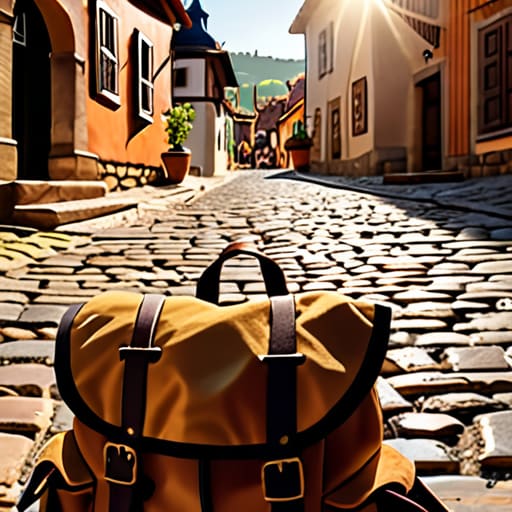
I remember sitting on a weathered wooden bench in a tiny piazza outside of Florence, my hands slightly stained with ink from my notebook, watching the light fade over the terracotta rooftops. I wasn’t checking a GPS or rushing to catch a high-speed rail; I was simply watching a local baker close up his shop for the evening. Most people approach backpacking europe as if it were a high-stakes engineering project—a frantic race to check off every monument from the Eiffel Tower to the Colosseum before their budget runs dry. They treat travel like a checklist to be completed rather than a life to be lived, and frankly, it’s a heartbreaking way to see the world.
I’m not here to sell you on some glossy, curated itinerary designed by a travel agency. Instead, I want to share what I’ve learned about finding the real soul of the continent through the lens of a slow traveler. I’ll provide you with honest, practical guidance on how to navigate the logistics without losing your sense of wonder. My goal is to help you master the art of intentional wandering, ensuring you spend less time staring at a map and more time savoring the quiet details that make a journey truly unforgettable.
Table of Contents
- Finding Quiet Routes and the Best European Backpacking Routes
- Unlocking Freedom Through Interrail Pass Benefits and Slow Trains
- A Few Lessons Learned from a Heavy Pack and a Light Schedule
- A Few Things I’ve Learned Along the Way
- The View From the Window
- The View from the End of the Line
- Frequently Asked Questions
Finding Quiet Routes and the Best European Backpacking Routes
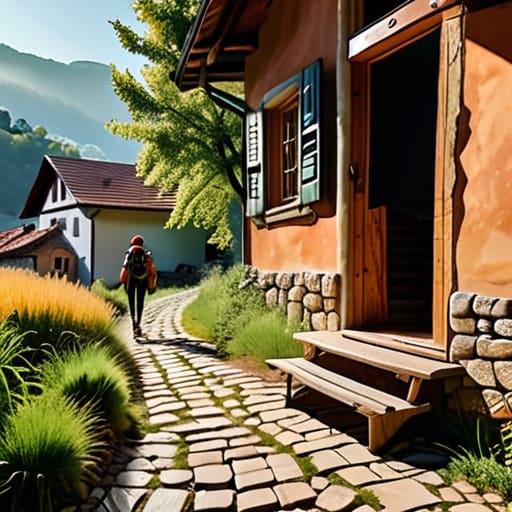
When I was managing construction sites, I learned that the most reliable paths aren’t always the most direct ones. The same applies to wandering through the continent. While most people flock to the heavy hitters like Paris or Rome, I’ve found that the true soul of a journey lies in the gaps between the landmarks. If you are looking for the best european backpacking routes, I suggest looking toward the smaller rail lines through Slovenia or the rugged coastal paths of Portugal. These routes allow you to step off the train in a village where no one is rushing, and the only thing on your agenda is deciding which local bakery has the freshest pastries.
Navigating these quieter corners doesn’t mean you have to sacrifice comfort or security. I always tell my friends that backpacking europe on a budget is less about deprivation and more about intentionality. It’s about choosing a small, family-run guesthouse over a sterile hostel, or using your interrail pass benefits to take the scenic, winding route instead of the high-speed line. It takes a little more patience, but that’s exactly the point. You aren’t just moving from point A to point B; you are actually living in the space between them.
Unlocking Freedom Through Interrail Pass Benefits and Slow Trains
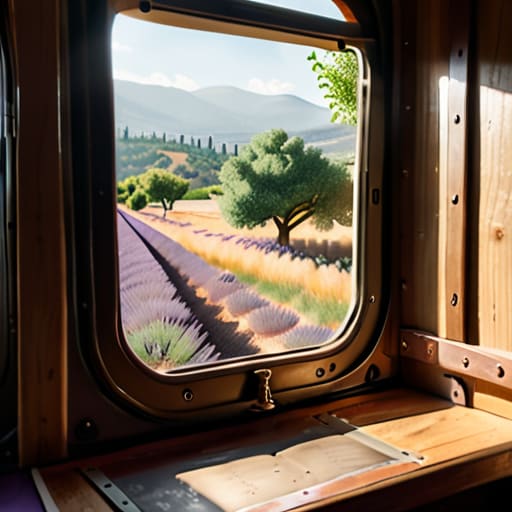
There is a particular kind of magic in watching the landscape shift through a train window while the rhythmic clack-clack of the tracks settles into your bones. When I first considered how to navigate the continent, I thought about the efficiency of flights, but I quickly realized that’s just another way of rushing. Instead, I leaned into the interrail pass benefits, which offered something far more valuable than mere transport: the permission to change my mind. If I find a small village in the Luberon that looks particularly inviting, I don’t need to consult a rigid itinerary. I simply check the next departure and let the rails decide my direction.
Taking the slow trains allows you to see the true character of the land, far from the sterile terminals of major hubs. It’s a much more soulful way of backpacking Europe on a budget, as it encourages you to settle into the rhythm of the journey rather than the destination. I’ve found that the best moments aren’t found in the famous landmarks, but in those long, contemplative afternoons spent staring at the rolling hills of Tuscany or the mist over the Alps, with nothing but a notebook and a lukewarm coffee for company.
A Few Lessons Learned from a Heavy Pack and a Light Schedule
- Pack for the person you are, not the person you think you should be. I used to think more was better, but after a few miles on cobblestones, I realized that a heavy bag is just a burden on your spirit. Stick to the essentials—a good pair of boots, a sturdy raincoat, and that little leather notebook of mine. Everything else can be bought if you truly need it.
- Don’t let a map dictate your joy. It’s easy to get caught up in seeing every major monument, but some of my favorite afternoons have been spent sitting on a bench in a town that wasn’t even on my itinerary, just watching the light change on an old stone wall. If a path looks interesting, take it, even if it leads nowhere in particular.
- Eat where the locals linger. If a restaurant has a laminated menu in five languages and a host standing outside beckoning you in, keep walking. Look for the small, family-run places where the tablecloths might be a bit worn and the menu is handwritten. That’s where you’ll find the soul of the place, and usually, the best bread.
- Embrace the art of the “buffer day.” When you’re traveling, it’s tempting to move every two days to see more, but you’ll end up exhausted and seeing nothing. I’ve learned to schedule days where I do absolutely nothing but sit in a cafe, sketch a landscape, and read. You haven’t wasted a day if you’ve actually taken the time to feel where you are.
- Keep your eyes up, not down. It’s easy to spend your trip staring at a smartphone for directions or photos, but the magic of Europe is in the details—the way the ivy clings to a doorway or the specific shade of blue in a Mediterranean cove. Use your phone for the logistics, then tuck it away and let your senses do the heavy lifting.
A Few Things I’ve Learned Along the Way
Don’t let a rigid itinerary become your master; leave room in your schedule for the unplanned detour or the extra hour spent sitting in a sun-drenched plaza.
The journey is just as important as the destination, so embrace the slow pace of the rails and let the changing landscapes do the heavy lifting for your soul.
Pack light, but carry the essentials for noticing the small things—a good notebook, a steady pair of walking shoes, and a willingness to be a spectator rather than just a tourist.
The View From the Window
“Backpacking through Europe isn’t about how many borders you can cross in a week; it’s about that singular, quiet moment when you’re sitting on a train, a half-eaten pastry in hand, watching the sun dip behind a Tuscan hillside and realizing you haven’t thought about your watch in hours.”
Bernard Oyelaran
The View from the End of the Line
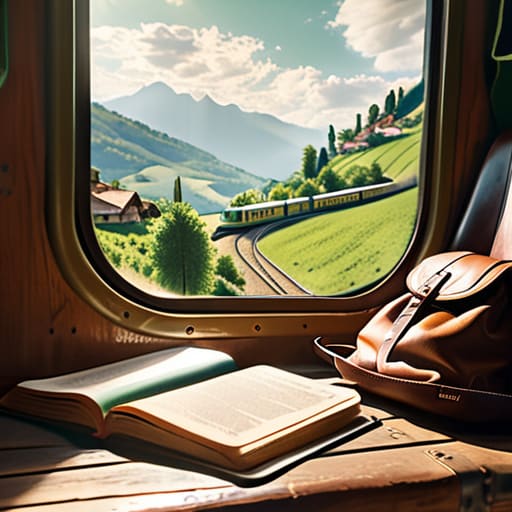
Looking back on everything we’ve discussed, it really comes down to a choice of how you want to experience the continent. You can certainly rush through the major capitals, checking off monuments like items on a grocery list, but you’ll miss the soul of the place. By choosing those quieter, less-trodden routes and leaning into the rhythmic, slow pace of the Interrail lines, you aren’t just moving from point A to point B. You are actually engaging with the landscape. Whether it’s the way the light hits a stone wall in a mountain village or the simple ease of a long train ride through the countryside, these choices are what transform a mere trip into a truly meaningful journey.
As I sit here in a small cafe, sketching the way the shadows fall across the cobblestones, I’m reminded that the best parts of travel aren’t found in a guidebook. They are found in the unplanned pauses—the extra hour spent over a glass of local wine or the unexpected conversation with a stranger on a platform. Don’t be afraid to let your itinerary breathe. If you find yourself lost or delayed, don’t fret; just pull out a chair, find a good view, and savor the moment. After all, the goal isn’t to see everything, but to really see what is right in front of you.
Frequently Asked Questions
How do you manage to keep your gear light enough for long walks without sacrificing the comforts of a decent meal or a good book?
It’s a delicate balance, isn’t it? I’ve learned the hard way that every ounce counts when your feet are doing the heavy lifting. I stick to a “one-in, one-out” rule for gear, focusing on multi-purpose items. I don’t pack a library; I choose one sturdy, well-loved paperback. As for meals, I skip the heavy cooking kits and rely on local markets. A fresh baguette and some local cheese weigh next to nothing but taste like heaven.
Are there specific regions in Europe where the pace of life feels more authentic and less like a tourist treadmill?
If you’re looking to escape the treadmill, steer clear of the major capitals and head toward the Peloponnese in Greece or the Alentejo region in Portugal. There’s a stillness there that’s hard to find elsewhere. I found myself in a tiny village in the Dordogne last autumn, where the only real “schedule” was the local market day. It’s in those quieter corners—where the bread is crusty and the locals actually have time to talk—that Europe truly breathes.
What’s your advice for staying safe and finding those quiet, tucked-away spots when you're traveling solo?
When I’m traveling alone, I rely on my gut more than any guidebook. If a street feels too frantic or a crowd feels too heavy, I turn a corner. To find those quiet spots, I look for the places where the locals linger—a small bakery with a single wooden table or a park bench facing a fountain. Stay aware, keep your wits about you, but don’t be afraid to get lost. That’s usually where the magic happens.
