The Link Between Sunlight and Mood Regulation

I was sitting on a bench in a small plaza in Florence last Tuesday, watching a group of tourists scramble to find the perfect “aesthetic” angle for a photo, when it hit me. Everyone is so obsessed with the latest gadgets, the expensive vitamin supplements, and the complicated biohacking apps designed to track every single minute of sunlight exposure. It’s a bit ridiculous, isn’t it? We’ve turned something as simple and ancient as the sun into a complex science project that requires a subscription fee. Honestly, I think we’ve lost the plot by trying to measure what we should simply be feeling.

I’m not here to give you a lecture on UV indices or sell you on some high-tech wearable. What I want to do is share what I’ve learned from decades of working outdoors and years of traveling slowly: how to actually reconnect with the light. I’ll tell you about the simple, unpretentious ways I use the sun to steady my mood and clear my head. No hype, no expensive gear—just a few honest observations on how to let the morning warmth do the heavy lifting for your soul.

Table of Contents

Serotonin Production Benefits a Gentle Awakening for the Soul

Serotonin Production Benefits a Gentle Awakening for the Soul

I’ve always found it curious how a bit of morning brightness can shift my entire disposition. Back when I was overseeing construction sites, I’d often rush straight into the office, fueled by nothing but black coffee and a sense of urgency. Now, I’ve learned that there is a profound, biological rhythm at play when we step into the light. There is a certain magic in the way serotonin production benefits our mood; it’s as if the light itself is a gentle nudge to the brain, telling it that it is safe to wake up and be present.

It isn’t just about feeling “happy,” though that’s a part of it. It’s a steadying sensation, a way of grounding oneself before the day’s complexities take hold. I’ve noticed that seeking out optimal morning sun exposure acts like a quiet reset button for my temperament. Instead of the frantic energy I used to chase, I find a calm readiness. It turns out that the sun doesn’t just illuminate the landscape for my sketches; it illuminates the internal landscape, too, helping to settle the mind in a way that no amount of caffeine ever could.

Natural Light and Sleep Quality Setting the Evening Rhythm

Natural Light and Sleep Quality Setting the Evening Rhythm

I’ve found that my best nights often begin long before I ever step foot in the bedroom. There is a certain rhythm to the day that I didn’t fully appreciate back when I was rushing between construction sites. It turns out that the sunlight and melatonin cycle is a delicate thing; by getting enough brightness in the early hours, I’m essentially setting a timer for my body to wind down later. When I make a point to seek out optimal morning sun exposure, I notice that my mind feels less cluttered when the evening finally rolls around.

As the sun begins its slow descent, I try to step away from the harsh, artificial glow of my tablet or the kitchen lights. There is a profound difference between the blue glare of a screen and the soft, amber hues of dusk. Embracing this transition helps maintain the connection between natural light and sleep quality, allowing the body to recognize that the day’s work is done. It’s about honoring that internal clock, letting the world dim so that my own thoughts can finally settle into a peaceful, restorative quiet.

Small Ways to Let the Light In

  • Try to catch the early morning rays before the world gets too noisy. Even ten minutes out on the porch with a cup of coffee can settle the mind for the day ahead.
  • Don’t be afraid to step away from the desk mid-afternoon. A quick stroll around the block, even when you’re busy, lets the sun reset your internal clock.
  • If you find yourself working indoors, try to position your chair near a window. It’s a small thing, but watching the light shift across the room makes the hours feel less heavy.
  • Leave the sunglasses inside for a little while when you’re walking. There is something grounding about feeling the true brightness of the sky on your face.
  • Make a habit of watching the sunset, even if it’s just from your backyard. It’s a gentle way to signal to your body that it’s time to transition from doing to being.

A Few Simple Reminders for the Journey

Don’t feel like you need to chase the sun; even ten minutes of quiet morning light on your porch can do wonders for your spirit.

Try to keep your evenings soft and dim; giving your body a chance to settle into the natural rhythm of the dark is the best way to ensure a restful night.

Listen to your own pace, not the clock—use the changing light of the day as a gentle nudge to step outside and simply breathe.

The Wisdom in a Sunbeam

I’ve spent most of my life looking at blueprints and concrete, but I’ve learned that the most important thing we can build isn’t made of steel; it’s the way we let the morning light settle on our skin, reminding us that we are very much alive and part of something much larger than our daily to-do lists.

Bernard Oyelaran

Finding Your Own Rhythm in the Light

Finding Your Own Rhythm in the Light

When I look back at everything we’ve discussed, it’s clear that sunlight isn’t just something that helps us see the path ahead; it’s a fundamental part of how we function. From the way it nudges our brains to produce that much-needed serotonin to the way it helps set our internal clocks for a restful night, the connection is profound. We often treat light as a mere utility, something we consume through a window or a screen, but it is truly a biological necessity. By making a conscious effort to step into the sun, we aren’t just checking a box for health; we are aligning ourselves with the natural world in a way that feels deeply restorative.

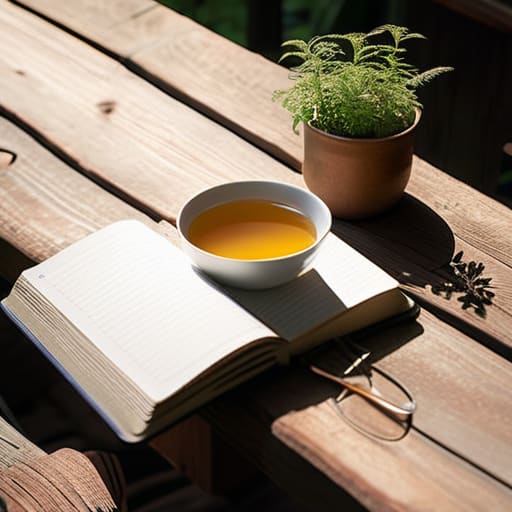
As I sit here in my garden, watching the light shift across the pages of my notebook, I’m reminded that we don’t need much to feel whole again. You don’t need a grand itinerary or an expensive retreat to find balance. Sometimes, all it takes is a five-minute walk or sitting on a porch with a cup of coffee while the morning sun warms your face. My advice is simple: don’t let the rush of the day rob you of these small, golden opportunities. Slow down just enough to feel the warmth, and remember that life is best lived in the light.

Frequently Asked Questions

Is there a specific time of day when the light is best for catching those quiet moments without being too harsh on the eyes?

If you’re looking for that perfect, soft glow, aim for the “golden hours”—just after sunrise or shortly before the sun dips below the horizon. I’ve found that mid-morning, around ten, is also quite kind; the light is bright enough to see the world clearly but lacks that punishing, midday glare. It’s the best time to sit with your notebook and just breathe without squinting at the page.

How much time do you think is actually enough to feel that sense of calm without worrying about too much sun on the skin?

I’ve found that fifteen or twenty minutes is usually my sweet spot. I like to sit on a park bench during that soft, mid-morning light—it’s enough to feel that warmth settle into my bones without feeling like I’m roasting. If I’m worried about the skin, I’ll just keep my hat on or find a spot under a leafy oak. It’s more about the feeling of the light than the duration, really.

Do you find that even a few minutes of light through a window is enough to make a difference on those gray, overcast afternoons?

I’ve found that even on those heavy, slate-gray afternoons, there’s a particular kind of solace in sitting by a window. It might not be the brilliant gold of a summer morning, but that soft, diffused light still carries a certain weight to it. I usually pull out my notebook and just watch the shadows shift. It isn’t much, but it’s enough to keep the gloom from settling too deeply in my bones.


Finding the Best Luxury Accommodations

I was sitting in a velvet armchair in a lobby that cost more than my first three cars combined, staring at a gold-leafed ceiling, and feeling absolutely nothing. Most luxury hotel reviews you’ll find online will tell you about the thread count of the sheets or the prestige of the concierge, but they rarely mention the hollow feeling of a place that prioritizes spectacle over soul. I’ve spent thirty years looking at the bones of structures, and I’ve learned that a building can be architecturally perfect yet feel entirely lifeless if it doesn’t know how to welcome a person.

In the pages that follow, I’m not going to bore you with a checklist of amenities or fancy adjectives. Instead, I want to share what actually matters when you’re looking for a sanctuary: the way the morning light hits your breakfast table, the quietness of a well-designed hallway, and whether the staff treats you like a guest or a transaction. I promise to provide honest, unvarnished perspectives on these high-end stays, focusing on the small, human details that turn a mere hotel room into a place where you can finally breathe deeply.

Table of Contents

Luxury Hotel Reviews: At a Glance

A collection of curated guides that help a traveler find those rare, quiet corners of the world where luxury meets genuine soul.

Overall Rating: 8/10

Key Specs

  • Focus: Slow travel and meaningful experiences
  • Tone: Observational and unhurried

Pros

  • Prioritizes the atmosphere and the "feeling" of a place over mere thread counts
  • Helps uncover hidden gems that aren't just flashy, but actually restorative

Cons

  • Might feel a bit too slow for those looking for a high-octane, tourist-heavy itinerary
  • Occasionally focuses so much on the quiet moments that the practical logistics feel secondary

First Impressions Design

Understated elegance and First Impressions Design.

Stepping through the heavy oak doors, I felt that familiar, immediate shift in atmosphere. It wasn’t just the scent of sandalwood or the hushed acoustics; it was the sense that the frantic pace of the outside world had simply ceased to exist. As a man who spent decades looking at the structural integrity of bridges and highways, I tend to notice the way a space holds a person. Here, the architecture didn’t shout for attention. Instead, it leaned into a quiet, understated elegance that reminded me of the old libraries I used to frequent back in Ann Arbor.

The lobby avoided the flashy, hollow trends I often see in modern upscale hospitality trends. There were no neon accents or jarring geometries. Instead, they used natural stone and soft, warm lighting to create a sense of permanence. I found myself sitting in a high-backed velvet chair for a good twenty minutes, just watching how the light moved across the floorboards. It’s rare to find a place that understands that true luxury is often found in the absence of noise. Even as guests drifted in and out, the design managed to feel both grand and deeply intimate, setting a standard that felt less like a performance and more like a well-earned sanctuary.

Key Features in Action

Luxury concierge services: Key Features in Action.

It wasn’t until I actually sat down in the lounge that the true value of the property became clear. I’ve spent a lifetime looking at how things are built—the bones of a structure—but here, the focus was on how the service felt. I found myself testing the limits of their luxury concierge services by asking for something a bit unconventional: a quiet spot nearby to sketch the riverbank without the crowds. Instead of a rehearsed, scripted response, the staff offered a hand-drawn map of local paths that most tourists completely overlook.

That kind of attention to detail is what separates a mere building from a true sanctuary. Later, during dinner, I noticed how the staff navigated the room; they weren’t hovering, yet my water glass was never empty, and the bread arrived exactly when the conversation dipped. It’s a subtle dance that aligns perfectly with modern upscale hospitality trends, where the goal is to feel cared for without feeling watched. I spent nearly two hours just watching the light shift across the dining room table, realizing that the real luxury wasn’t the gold leaf on the ceiling, but the permission to be still.

Real World Performance

Real World Performance of five star accommodation.

It’s one thing to look at glossy brochures, but it’s quite another to see how a place holds up when the sun goes down and the real rhythm of travel sets in. For me, the true test of any stay isn’t the marble in the lobby, but how the staff handles the small, unscripted moments. During my stay, I found that the property didn’t just meet the expected five star accommodation standards; it anticipated them.

When I asked the desk for a recommendation for a quiet spot to sketch the coastline, the staff didn’t just point to a map. They suggested a specific bench tucked away from the main path, away from the midday crowds. That kind of intuition is what separates a mere building from a true sanctuary. I also put their luxury concierge services to the test, requesting a last-minute reservation at a local bistro that was notoriously difficult to get into. They didn’t just make the call; they ensured the host knew I was coming and even arranged for a quiet corner table.

In my decades of engineering, I learned that a structure is only as good as its maintenance and its ability to function under pressure. This hotel operates like a well-oiled machine, yet it never feels clinical. It feels human.

Comparison With Alternatives

Now, I’ve spent enough years on construction sites to know that a blueprint is only as good as the materials used to build it. The same holds true when you’re weighing your options for a getaway. I’ve stayed in plenty of places that claim to meet the highest five star accommodation standards, but there is a vast difference between a hotel that is merely expensive and one that actually understands the art of hospitality.

Compared to the more rigid, corporate-feeling chains I encountered last year in the city, this property feels fundamentally different. While many large-scale resorts focus on a sort of polished perfection that can feel a bit sterile, this place leans into something more soulful. I found that while other high-end spots rely heavily on flashy, tech-driven gadgets to impress, the value here lies in the human element—the way a staff member remembers your name or how the light hits the breakfast nook.

Some of the more mainstream exclusive resort experiences can feel a bit like a choreographed performance, almost as if you’re watching a play rather than living your life. Here, however, the service is seamless without being intrusive. It doesn’t feel like they are trying to sell you a lifestyle; they are simply providing the quiet space needed to actually enjoy it.

Who Is This Product for

I’ve spent a good portion of my life looking at blueprints and structural integrity, so I tend to look at travel through a similar lens. I’m not interested in the flash or the gold-plated faucets just for the sake of showing off. I’m looking for the soul of a place.

Because of that, I think this particular experience is best suited for the traveler who has finally realized that time is their most precious commodity. If you are someone who finds genuine joy in the quiet precision of luxury concierge services—the kind that anticipates you need a taxi before you’ve even reached for your wallet—then you will feel right at home here. It’s for those who want to step out of the frantic pace of modern life and into something that feels intentionally paced.

It isn’t quite for the backpacker looking to save a buck, nor is it for the high-octane business traveler who is constantly checking their watch. Instead, this is for the person seeking exclusive resort experiences that allow for deep reflection. Whether you are a retiree like myself, finally seeing the world without a deadline, or a couple looking to reconnect away from the noise, this setting honors the art of simply being present.

Value for Money Final Verdict

When I look at the bill at the end of a stay, I don’t just see a number; I look for the weight of the experience. In my years managing construction crews, I learned early on that you truly pay for the integrity of the foundation. The same applies here. While the price tag for this level of stay is certainly steep, you aren’t just paying for a soft bed and a high thread count. You are paying for the seamlessness of the service and the absence of friction.

The true worth lies in the unseen details—the way the staff anticipates your need for a quiet corner or how the luxury concierge services manage to secure a table at a bistro that’s been booked for months. If a hotel provides nothing more than a shiny lobby, it isn’t worth the premium. But when the hospitality feels intuitive, it becomes an investment in your own peace of mind.

Ultimately, this isn’t a place for those looking to check boxes or follow the latest upscale hospitality trends just for the sake of prestige. It is for the traveler who understands that time is our most precious commodity. If you are looking to trade the chaos of the world for a few days of absolute stillness, this is a worthy investment in yourself.

What I Look For When the World Slows Down

  • The Sound of Silence: A luxury hotel shouldn’t just look expensive; it should feel quiet. I pay close attention to whether the heavy drapes actually muffle the street noise or if the hallway footsteps keep you from truly settling into your own thoughts.
  • The Texture of the Details: As an engineer, I appreciate how things are built. I look past the gold leaf and check the weight of the silverware, the grain of the wood, and the way a door closes with a solid, satisfying thud rather than a hollow rattle.
  • Service That Anticipates, Not Interrupts: There is a fine line between attentive and intrusive. The best stays are those where a fresh pot of tea appears just as you realize you’re thirsty, but the staff never makes you feel like you’re being watched.
  • The Ritual of the Morning: A hotel’s true character often reveals itself at breakfast. I look for a place that treats a simple meal with reverence—freshly pressed linens, sunlight hitting the table just right, and coffee that tastes like it was brewed with intention.
  • A Sense of Place: I have little interest in hotels that could be anywhere in the world. I want to see the local history reflected in the art on the walls or the ingredients on the menu; a hotel should feel like a gateway to its surroundings, not a bubble disconnected from them.

A Few Final Thoughts From My Notebook

It isn’t just about the thread count or the marble in the lobby; it’s about the way the space allows you to finally set your shoulders down and just exist.

While the price tag is certainly steep, you aren’t just paying for a room—you’re paying for the rare luxury of uninterrupted silence and a pace of life that feels human again.

If you are looking for a high-energy hub to check off a bucket list, look elsewhere, but if you need a place to sit, sketch, and remember who you are, this is it.

Beyond the Polished Surface

A true luxury review isn’t about counting the threads in the linens or the number of stars in the lobby; it’s about whether the space allows you to finally set down your heavy bag, sit still, and feel the world slowing down just enough for you to catch your breath.

Bernard Oyelaran

A Final Thought Before I Depart

Looking back on my time here, it isn’t the thread count of the linens or the polished marble in the lobby that stays with me. It was the way the morning light hit the breakfast table and the seamless, quiet way the staff anticipated my need for a moment of solitude. While the amenities are certainly impressive and the service is top-tier, the true value of this stay lay in the effortless marriage of comfort and character. It is rare to find a place that manages to feel both grand and deeply personal, but this hotel succeeds by focusing on the small, often overlooked details that make a guest feel truly seen.

As I pack my notebook and my Leica, I find myself thinking about the difference between merely visiting a place and actually experiencing it. We spend so much of our lives rushing toward the next milestone, the next meeting, or the next destination, that we often forget to inhabit the present. Whether you choose to book a room here or find your own sanctuary elsewhere, I hope you remember to savor the stillness. Don’t just check in and check out; stay a while, watch the shadows stretch across the floor, and let the world slow down just enough for you to catch your breath.

Frequently Asked Questions

Does the quietness of the room actually hold up when the hotel is at full capacity?

I’ll be honest, I was skeptical. I’ve stayed in plenty of places where “luxury” just means expensive wallpaper that does nothing to stop the sound of a neighbor’s heavy footsteps. But here, even with the hotel humming at full capacity, the silence held. I sat in my armchair with my notebook, listening for that telltale hallway chatter, and heard nothing but the wind. It’s rare, but the peace actually holds up.

Is the service genuinely attentive, or does it feel a bit too rehearsed and impersonal?

It’s a fine line, isn’t it? In my years managing crews, I learned that there’s a world of difference between a polished script and genuine care. Here, the service leans toward the polished side, which might feel a bit stiff at first. However, it isn’t robotic. When I mentioned a slight smudge on my vintage Leica, the staff didn’t just nod; they actually listened. It’s professional, yes, but it has a heartbeat.

For someone traveling at a slower pace, are there enough comfortable nooks and quiet corners to simply sit and read?

I spent a good hour tucked into a velvet armchair by the floor-to-ceiling windows in the library wing. There’s something about the way the light hits the wood grain there that makes it impossible to rush. Between the quiet alcoves near the garden and the small, sun-drenched nooks in the breakfast room, I found plenty of places to lose myself in a book. It’s a sanctuary for anyone looking to simply exist.

The Joys of Slow Travel

I was sitting in a bustling plaza in Florence last spring, watching a young couple frantically rotate a paper map while checking their watches every thirty seconds. They had “seen” the Duomo, the Uffizi, and the Accademia all before lunch, yet they looked more exhausted than when they started. It struck me then that most people treat slow travel like a competitive sport, a frantic race to check off landmarks as if they were items on a construction punch list. They spend so much time rushing from one monument to the next that they completely miss the soul of the place—the way the light hits the cobblestones at dusk or the specific scent of roasting coffee drifting from a side alley.

I’m not here to sell you on some expensive, curated “mindfulness retreat” or a complicated itinerary. What I want to share is the practical, unvarnished reality of how I actually navigate the world now that I’ve traded project deadlines for intentional wandering. I’ll tell you how to find the best local meals without a guidebook, how to settle into a new city without feeling like a stranger, and why the most memorable parts of a journey are often the ones you didn’t plan for at all.

Table of Contents

Why Mindful Travel Practices Mend a Weary Soul

Why Mindful Travel Practices Mend a Weary Soul

I’ve spent most of my life working against the clock, managing crews and meeting deadlines that felt like life or death. But when you’re constantly chasing the next milestone, you lose the ability to actually be where your feet are. I’ve found that shifting toward mindful travel practices acts as a sort of balm for the spirit. Instead of treating a new city like a checklist of monuments to be conquered, I try to treat it like an old friend I’m finally getting to know. It’s the difference between seeing a cathedral through a bus window and sitting on a stone bench nearby, just watching how the light hits the carvings.

There is a profound quietness that comes when you stop rushing. By seeking out off-the-beaten-path destinations, you strip away the frantic energy of the tourist traps and find something much more substantial. It’s in those unplanned moments—a conversation with a shopkeeper or a long, aimless walk through a residential neighborhood—that the mental fog finally begins to lift. You realize that the goal isn’t to see everything, but to truly feel something in the places you do visit.

Chasing Authentic Travel Experiences Instead of Checklists

Chasing Authentic Travel Experiences Instead of Checklists.

I spent most of my career looking at blueprints and strict timelines, where every minute had to be accounted for and every milestone had to be hit. It’s a hard habit to break, even in retirement. We often approach a new city with that same engineer’s mindset—a frantic checklist of cathedrals, museums, and monuments to be ticked off before the sun goes down. But when you’re racing to see everything, you end up seeing nothing at all. You’re just a blur passing through a landscape, never truly touching it.

Instead, I’ve found that the real magic happens when you trade the itinerary for a bit of curiosity. I’ve learned to seek out authentic travel experiences by simply following my nose toward a small, crowded bakery or a quiet side street that looks like it hasn’t changed in fifty years. These off-the-beaten-path destinations don’t offer the polished perfection of a tourist brochure, but they offer something much better: a sense of place. When you stop trying to conquer a destination and instead focus on local community engagement—like chatting with a shopkeeper over a coffee—the world starts to feel a lot smaller and much more welcoming.

A Few Ways to Actually Feel the Place You’re Visiting

  • Pick one home base and stay put. Instead of hopping between three cities in a week, find a small apartment or a quiet guesthouse in a single neighborhood. When you see the same baker every morning, you stop being a tourist and start feeling like a neighbor.
  • Leave the guidebook in your bag for a day. I’ve found that my best afternoons happen when I simply walk in a direction that looks interesting and see where the cobblestones lead. The best views aren’t always on a map; sometimes they’re just around a corner you weren’t looking for.
  • Eat like a local, not a critic. Skip the restaurants with the laminated menus and the pictures of the food out front. Find the place where the locals are sitting, the one that smells of garlic and old wood, and take your time. A meal shouldn’t be a task to check off; it should be the highlight of your day.
  • Carry a notebook, not just a camera. While I love capturing a landscape with my Leica, there is something about sitting on a bench and sketching a doorway or jotting down the sound of a distant bell that forces you to truly look. It slows your hands down, which in turn slows your mind.
  • Embrace the “do nothing” days. It sounds counterintuitive, but some of my most meaningful travel moments have been spent sitting in a sun-drenched plaza with nothing to do but watch the world go by. If you’re too busy trying to see everything, you’ll end up seeing nothing at all.

A Few Things to Carry in Your Pocket

Leave the rigid itinerary at home; allow yourself the grace to change your mind when a cobblestone street or a quiet café catches your eye.

Prioritize the local flavor over the famous landmarks, because a conversation with a baker often tells a better story than a museum guidebook ever could.

Remember that true discovery happens in the pauses, so don’t be afraid to sit still long enough to actually see where you are.

The View from the Sidelines

We spend so much time trying to see everything that we end up seeing nothing at all; true travel isn’t about how many miles you cover, but how much of the world you actually let settle into your bones.
Bernard Oyelaran

The View from the Slow Lane

The View from the Slow Lane.

As I look back on these reflections, it becomes clear that slow travel isn’t about being lazy or missing out; it’s about choosing depth over distance. We’ve talked about why mending a weary soul requires more than just a change in scenery, and how trading that frantic checklist for genuine, unscripted moments can change the very fabric of a trip. When we stop treating destinations like items to be checked off a list, we finally give ourselves permission to actually inhabit them. It’s the difference between seeing a monument through a bus window and sitting on a stone bench nearby, watching how the light hits the carvings as the afternoon fades.

So, the next time you find yourself planning a getaway, I urge you to leave a little room for the unplanned. Don’t be afraid to miss the museum if it means you get to spend an extra hour in that little bakery on the corner, or if you find a quiet park that calls to you. At the end of the day, we don’t remember the miles we covered or the stamps in our passports as much as we remember how we felt in those quiet, stolen moments. Pack light, bring your notebook, and remember: the best parts of the journey are often found in the spaces between the landmarks.

Frequently Asked Questions

How do you actually manage to see the "must-see" sights without feeling like you're rushing through a checklist?

I’ve learned to treat the “must-sees” like the main course of a long dinner, not a snack to be gulped down. I pick just one landmark for the morning, then leave the rest of the day wide open. If I find a charming courtyard or a quiet bakery near the site, I stay there. You don’t need to see every monument to understand a city; you just need to see one, deeply.

Is slow travel more expensive since it involves staying in one place for longer, or does it actually save a bit of money?

It’s a common worry, but I’ve found the opposite to be true. When you aren’t rushing from one landmark to the next, you stop paying those “convenience taxes”—the pricey airport shuttles, the rushed tourist lunches, and the frantic taxi rides. Staying put lets you shop at local markets and cook a few meals in a rental kitchen. To me, it’s not about cutting corners; it’s about trading expensive gimmicks for real, affordable living.

How do you deal with the occasional feeling of boredom or restlessness when you aren't constantly on the move?

To be honest, those restless moments used to rattle me. I spent decades chasing deadlines, so stillness felt like failure. Now, when that itch to “do something” kicks in, I reach for my notebook or my Leica. I’ve learned that boredom is often just an invitation to look closer. Instead of rushing to the next landmark, I try to find something small—the way light hits a cobblestone street or the scent of baking bread—and just sit with it.

How to Reduce Mental Clutter

I remember sitting in a cramped construction trailer back in ’94, surrounded by blueprints, half-empty coffee cups, and the constant, rhythmic thrum of heavy machinery outside. Even though the physical site was organized, my head felt like a congested intersection during rush hour. It wasn’t just the deadlines; it was the sheer weight of a thousand tiny, unfinished thoughts swirling around, creating a thick fog of mental clutter that no amount of caffeine could clear. You can have the most efficient project management software in the world, but if your internal landscape is a mess, you’re never going to find your footing.

I’m not here to sell you a complex ten-step system or some expensive mindfulness retreat that promises enlightenment by Tuesday. I’ve found that the best way to clear the fog is much more grounded and practical than that. In the following pages, I want to share a few simple, tried-and-true ways I’ve learned to quiet the noise—the kind of things that involve putting down the gadgets, picking up a pen, and learning how to simply breathe again.

Table of Contents

Recognizing the Heavy Weight of Cognitive Overload Symptoms

Recognizing the Heavy Weight of Cognitive Overload Symptoms.

It’s a bit like when I used to oversee a bridge construction site; if too many different signals, radio calls, and heavy machines are moving at once, everything starts to grind to a halt. You can feel it in your own body before you even realize your mind is overwhelmed. For me, it usually starts as a dull, persistent tightness in my temples or a strange sense of being perpetually behind, even when I have nowhere to be. You might find yourself staring at a grocery list for five minutes, unable to decide between two brands of bread, or realizing you’ve read the same paragraph three times without absorbing a single word.

These cognitive overload symptoms aren’t just minor annoyances; they are your brain’s way of signaling that the internal machinery is overheating. I’ve noticed that when I’m in that fog, my patience wears thin, and even the simple joy of a sunset feels out of reach because my thoughts are too jagged to settle. It’s a heavy, restless feeling—a sort of mental static that makes it nearly impossible to find any real stillness.

Gentle Mental Decluttering Techniques for the Overwhelmed Soul

Gentle Mental Decluttering Techniques for the Overwhelmed Soul

I’ve found that when the noise in my head gets too loud, the best remedy isn’t a grand gesture, but a series of small, deliberate shifts. One of my favorite mental decluttering techniques involves the simple act of “externalizing” the chaos. I keep that little leather notebook of mine handy for a reason; when I feel a sense of dread creeping in, I sit down and write out every single task, worry, or stray thought swirling around. Moving those items from my brain onto paper acts like a pressure valve, releasing the tension that comes from trying to hold everything at once.

Another way I manage the weight of it all is by practicing what I call “micro-silence.” Instead of reaching for my phone the moment I feel restless, I try to engage in a few minutes of mindful awareness practices. I might just sit on a park bench and focus entirely on the rhythmic sound of a nearby fountain or the way the light hits the brickwork of an old building. It’s not about solving your problems, but rather about creating a small pocket of stillness where you can finally hear yourself think again.

A Few Simple Ways to Lighten the Load

  • Keep a “brain dump” page in that notebook of yours. Whenever a nagging thought or a grocery list item starts circling your mind like a persistent fly, write it down immediately. Once it’s on paper, your mind doesn’t have to work so hard to hold onto it.
  • Practice the art of single-tasking. In my engineering days, we talked about structural integrity; your mind has its own version. When you’re eating, just eat. When you’re walking, just walk. Trying to do three things at once is a quick way to feel fractured.
  • Create a “digital sunset.” An hour before you turn in for the night, put the phone in a drawer. The constant stream of news and notifications is like a layer of dust on a lens—it just makes everything harder to see clearly.
  • Learn to say no to the “good” so you have room for the “great.” We often clutter our schedules with obligations we don’t actually care about. It’s perfectly alright to decline an invitation if your soul just needs a quiet afternoon in the garden.
  • Find a regular, rhythmic task that requires no deep thought. For me, it’s cleaning the glass on my old Leica cameras. There’s something about the repetitive, steady motion that helps the mental noise settle into a quiet hum.

A Few Small Reminders for the Road Ahead

Don’t try to clear the whole forest at once; just focus on pulling one weed or clearing one small patch of ground at a time.

Listen to your body when it tells you it’s full—whether that’s a restless mind or a tired spirit, it’s usually just asking for a moment of stillness.

Keep a way to capture the quiet, whether it’s through a sketch in a notebook or a slow walk, to remind yourself that the world is still turning beautifully outside of your head.

The View Through the Lens

Trying to think clearly when your mind is cluttered is a lot like trying to focus a vintage Leica with a lens smeared in grease; you know the beautiful landscape is out there, but all you can see are the blurs and the streaks. You don’t need more information to fix it; you just need to wipe the glass clean and wait for the light to settle.

Bernard Oyelaran

Finding the Quiet Center

Finding the Quiet Center through mindfulness.

At the end of the day, clearing away mental clutter isn’t about achieving some perfect, sterile state of mind where nothing bothers you. It’s more about learning to recognize when the weight of too many thoughts is starting to pull you under, and having the tools to set that burden down. Whether it’s through the simple act of writing in a notebook, stepping away from a glowing screen, or just sitting still for five minutes, these small habits act like a gentle clearing of the brush on an overgrown path. We can’t stop the world from being loud or busy, but we can certainly choose how much of that noise we allow to settle in our homes and our hearts.

I often think back to my years on construction sites; you can’t build anything lasting if the foundation is buried under debris and scrap. Our minds are much the same. If you find yourself feeling overwhelmed this week, please don’t be too hard on yourself. Just take a breath, find a comfortable chair, and focus on the single, immediate thing in front of you. Maybe it’s the warmth of your coffee or the way the light hits the floor. Life is far too precious to spend it all lost in the fog of a crowded mind. Slow down, dear friend, and let the dust settle.

Frequently Asked Questions

How do I tell the difference between just being a bit busy and actually being mentally overwhelmed?

It’s a fine line, isn’t it? Being busy is like a heavy workload on a job site—it’s taxing, but you can see the finish line. Overwhelmed, however, feels more like trying to navigate through a thick fog. When you’re just busy, you’re tired but capable. When you’re overwhelmed, even the simplest decisions—like what to have for lunch—feel like climbing a mountain. If your mind feels stuck in the mud, it’s more than just a full schedule.

Is it possible to declutter my mind without having to completely step away from my daily responsibilities and work?

You don’t need to move to a cabin in the woods to find some peace. I’ve found that you can build little “islands of quiet” right in the middle of a hectic day. It might be as simple as taking three slow breaths before answering an email, or letting your eyes rest on the horizon for a minute while the coffee brews. It’s about finding those tiny gaps in the noise.

Once I start finding these quiet moments, how do I keep that sense of calm from slipping away when the world gets loud again?

Building a sense of calm isn’t about building a wall against the world; it’s more like learning to steady a camera lens. You don’t stop the wind from blowing, you just find your focus. I’ve found that carrying those small anchors—like my notebook or a specific song—helps. When the noise returns, I take one deliberate, deep breath and remind myself: the chaos is temporary, but the quiet is always there, waiting for me to return.

Exploring the Unique Vietnamese Coffee Culture

I was sitting on a low, chipped plastic stool in a narrow alleyway in Hanoi last Tuesday, my old Leica resting on the table, when I realized I’d finally found it. Most travel guides will try to sell you on some polished, high-end cafe experience, but that isn’t what vietnamese coffee culture is actually about. It’s about the rhythmic, heavy drip… drip… drip… of a metal phin filter, the humid air, and the way the world seems to pause just long enough for you to catch your breath. There is no rush here, no frantic steaming of milk or complex orders; there is only the slow patience of the brew and the steady hum of the street.

I’m not here to give you a lecture on bean origins or fancy brewing equipment you don’t need. Instead, I want to share what I’ve learned from sitting on those sidewalks and watching the locals. I’ll show you how to find the real soul of the coffee scene, from the best street-side stalls to the simple art of doing absolutely nothing while you wait for your cup.

Table of Contents

Mastering the Patient Phin Coffee Filter Method

Mastering the Patient Phin Coffee Filter Method.

You can’t rush a phin. I learned that quite quickly during my first week in Hanoi. If you try to hurry the process, you lose the very thing that makes the ritual worthwhile. The phin coffee filter method is less about caffeine delivery and more about a lesson in patience. You start with a generous scoop of dark, intense grounds—usually a heavy-bodied Robusta—and press the metal filter gently over them. Then, you wait. You watch those first few dark droplets fall into the glass, one by one, like a slow-motion countdown to a moment of peace.

Once the filter has done its work, the real magic happens with the addition of sweetened condensed milk. I often find myself sitting at one of those weathered street coffee stalls in Vietnam, watching the steam rise against the morning light. When you stir that thick, creamy sweetness into the bitter brew, you create something much more than a drink. It becomes a perfectly balanced ritual that demands you sit still, put down your phone, and simply exist in the present.

The Bold Soul of Robusta Bean Characteristics

The Bold Soul of Robusta Bean Characteristics.

If you’re used to the thin, acidic brightness of the Arabica beans we tend to favor back in the States, your first encounter with the robusta bean characteristics found here will come as a bit of a shock. It’s a heavy, unapologetic kind of coffee. There’s a deep, earthy bitterness to it—almost like dark chocolate or toasted grain—that hits you immediately. But it isn’t an unpleasant punch; rather, it’s a sturdy foundation. To my engineer’s mind, it feels like the bedrock of the whole experience. It has a certain structural integrity that allows it to stand up to the heavy elements that follow.

In many of the street coffee stalls Vietnam offers, this boldness is essential. You aren’t just drinking a beverage; you’re engaging with something potent. When you pair this intense roast with a thick pour of sweetened condensed milk, you get that iconic ca phe sua da that defines a morning in Hanoi. The sweetness doesn’t mask the coffee; instead, it dances with that dark, nutty grit. It’s a marriage of opposites that requires you to sit still and respect the strength of the brew.

A Few Lessons Learned from the Sidewalk

  • Don’t fight the clock; the Phin filter is designed to be slow, so use that time to watch the street life unfold around you.
  • If you find the Robusta too intense, ask for “Cà Phê Sữa Đá”—the thick, sweetened condensed milk is the perfect, creamy companion to that bold bitterness.
  • Look for the low plastic stools; they might be uncomfortable for a man of my years, but they put you at the perfect eye level to truly see the city.
  • Embrace the humidity; a cold glass of coffee with plenty of ice is more than a treat, it’s a necessary ritual to stay grounded in the heat.
  • Keep your eyes off your phone and on your notebook; the best part of Vietnamese coffee isn’t the caffeine, it’s the quiet observation that comes with the wait.

A Few Things I’ve Learned from the Slow Drip

Don’t rush the process; the phin filter isn’t a machine to be mastered, but a lesson in patience that rewards you with a much richer flavor.

Embrace the strength of the Robusta bean—it’s bold, unapologetic, and far more interesting than the watered-down brews we often settle for back home.

The best part of the coffee isn’t just the caffeine, but the permission it gives you to sit still, watch the street life unfold, and just be.

The Art of Waiting

“In my old engineering days, we were always racing against the clock to finish a job, but here, the coffee teaches you a different lesson. You can’t rush a phin filter; you just have to sit there, watch the slow drip, and realize that the best things in life require a little bit of patience and a very comfortable chair.”

Bernard Oyelaran

More Than Just a Caffeine Kick

More Than Just a Caffeine Kick.

Looking back on everything we’ve discussed, it’s clear that Vietnamese coffee is so much more than a simple morning ritual. It is a delicate balance between the unyielding strength of the Robusta bean and the quiet discipline required to master the Phin filter. Whether you are navigating the intense, chocolatey depths of a traditional brew or finding solace in the sweetness of condensed milk, you are participating in a tradition that prizes patience over speed. It isn’t just about the caffeine hitting your system; it is about the intentionality of the process and the way it forces you to wait for the very best results.

As I sit here in this small corner cafe, sketching the passing motorbikes in my notebook, I’m reminded that the world is full of these small, beautiful rhythms. We spend so much of our lives trying to optimize every second, rushing from one task to the next without ever truly arriving. But if there is one thing a cup of Vietnamese coffee can teach you, it is that the best things in life are rarely instant. So, the next time you find yourself in a hurry, I hope you’ll choose to sit down, find a sturdy stool, and simply let the coffee drip at its own pace.

Frequently Asked Questions

If I'm traveling through the smaller towns, how can I tell the difference between a quick roadside stall and a proper local coffee spot?

In the smaller towns, don’t look for fancy signs; look for the rhythm. A quick roadside stall is usually all about utility—people standing, drinking fast, and moving on. But a proper local spot? That’s where you’ll see the low stools clustered together and folks lingering over a second or third cup. If you see people watching the street or tucked into a corner with a book, you’ve found the real soul of the place.

Is it common to enjoy these strong brews with milk, or is there a more traditional way to drink it black?

It’s a bit of both, really. If you’re looking for the classic experience, you can’t go wrong with cà phê sữa đá—that rich, dark brew poured over thick, sweetened condensed milk and plenty of ice. It’s indulgent and perfect for a humid afternoon. But don’t overlook the beauty of drinking it black. It’s much more intense, allowing you to truly taste those earthy, chocolatey notes of the Robusta bean without any distraction.

Besides the coffee itself, what's the best way to approach the social etiquette of sitting in these crowded sidewalk cafes?

Don’t worry about being too formal; these sidewalk cafes aren’t fine dining. The best approach is to simply lean into the chaos. Find a stool, tuck your notebook under your arm, and settle in. A polite nod to the server is plenty. Most importantly, resist the urge to hover or look rushed. Just sit, observe the passing motorbikes, and let yourself become part of the city’s living room. It’s more about presence than protocol.

Essential Homemade Sauce Recipes

I remember sitting in a cramped site trailer halfway through a bridge project in Michigan, staring at a lukewarm, pre-packaged meal that tasted more like cardboard than food. It was one of those days where everything felt rushed and hollow, and I realized then that a meal is only as good as the soul you put into it. Most people treat cooking like another deadline to meet, reaching for those complicated, ingredient-heavy sauce recipes that require a degree in chemistry and a grocery list longer than a blueprint. They think you need exotic spices and three hours of frantic whisking to make something worthwhile, but they’ve missed the point entirely.

I’m not interested in the culinary theater or the expensive, unnecessary fluff you see on those flashy cooking shows. What I want to share with you are a few honest, reliable ways to bring a dish to life without losing your peace of mind. These are the kinds of sauce recipes I’ve gathered over the years—simple, sturdy, and designed to be savored. I promise to give you nothing but the essentials, focusing on flavors that actually matter so you can spend less time hovering over a stove and more time enjoying the view.

Table of Contents

Mastering Culinary Sauce Making Techniques One Simmer at a Time

Mastering Culinary Sauce Making Techniques One Simmer at a Time

In my years managing construction sites, I learned that a structure is only as reliable as its foundation. Cooking is much the same. You can have the finest cuts of meat or the freshest vegetables, but without a proper base, the meal lacks soul. When I look at different base sauce recipes, I see them as the blueprints of a dish. Whether you are starting with a simple roux or a reduction of stock, the goal is to build layers of flavor that don’t just sit on top of the food, but actually integrate with it.

I’ve found that the real magic happens when you stop watching the clock and start watching the pot. Mastering these culinary sauce making techniques requires a bit of patience—the kind of patience I used to spend waiting for concrete to cure. You have to watch for the way a liquid thickens or how the color deepens from a pale cream to a rich, golden hue. It’s a slow process, but there is a profound peace in watching a sauce transform under a gentle flame. It reminds me that the best things in life require a bit of time.

Base Sauce Recipes That Form the Foundation of a Quiet Evening

Base Sauce Recipes That Form the Foundation of a Quiet Evening

There is a certain comfort in knowing that once you have a few reliable foundations in your pantry, the rest of the evening tends to unfold with much less stress. I often find that starting with a simple, classic tomato reduction or a velvety béchamel can transform a basic meal into something that feels truly intentional. These base sauce recipes aren’t just about flavor; they are about creating a sense of stability in the kitchen. When I’m sitting by the window watching the light fade, I like to think of these sauces as the steady architecture of a good meal—much like the structural beams I used to oversee in my engineering days.

Once you have mastered these basics, you can begin to experiment with easy sauce variations to suit your mood. A dash of smoked paprika in a cream sauce or a handful of fresh basil in a red reduction can completely change the character of the dish without requiring a frantic amount of effort. It’s about finding that balance between simplicity and depth, allowing the ingredients to speak for themselves while you simply enjoy the process of creation.

Small Gestures for a Deeper Flavor

  • Don’t be afraid to let things sit. Just like waiting for the right light to capture a landscape with my old Leica, a sauce often needs time to settle. A quick simmer is fine for a Tuesday, but a slow, low heat allows the flavors to truly introduce themselves to one another.
  • Keep your pantry stocked with the basics, but look closer at the details. A splash of high-quality vinegar or a pinch of coarse sea salt can be the difference between a sauce that merely coats a meal and one that actually makes you stop and take a breath.
  • Watch the texture, not just the clock. I spent years watching how concrete set, and cooking is much the same. Use your spoon to feel the weight of the sauce; it should coat the back of it smoothly, like a gentle mist over a quiet lake, rather than running off like water.
  • Trust your senses over a measuring spoon. Recipes are wonderful guides, but they aren’t the law. Taste as you go. If a sauce feels a bit hollow, it might need a touch of fat—a knob of butter or a swirl of olive oil—to give it some soul.
  • Clean as you go, but don’t rush it. There is a certain peace in tidying a kitchen while something is simmering on the stove. It prevents the chaos of a messy workspace from stealing the joy out of the meal you’re about to enjoy.

A Few Thoughts to Carry With You to the Kitchen

Don’t let the clock dictate your cooking; the most profound flavors often emerge only when you give a sauce the grace of time and a gentle simmer.

Treat your ingredients like the details in a landscape—each one has a specific role to play, and it’s the careful layering of those small elements that creates a masterpiece.

Remember that a sauce isn’t just a way to coat food, but a way to slow down the meal and turn a simple dinner into a moment worth savoring.

## The Soul in the Simmer

“A recipe is just a set of instructions, but a sauce—that is where the patience lives. It’s the quiet alchemy of watching colors deepen and aromas bloom, reminding us that the most meaningful things in life rarely happen all at once.”

Bernard Oyelaran

Finding Your Own Rhythm in the Kitchen

Finding Your Own Rhythm in the Kitchen.

As we pull our chairs up to the table, I hope these recipes serve as more than just instructions on a page. We’ve looked at how a steady simmer can transform simple ingredients into something profound, and how mastering those foundational bases gives you the freedom to wander creatively. Whether you are whisking a silky cream sauce or letting a tomato reduction deepen in color, remember that the goal isn’t perfection; it’s about understanding the patience required to coax out true flavor. Once you grasp the basics of heat and timing, you’ll find that you aren’t just following a recipe—you are building a culinary toolkit that stays with you long after the stove is turned off.

At the end of the day, the best sauce isn’t the one that looks most impressive in a photograph, but the one that makes you pause mid-bite to simply exist in the moment. I’ve spent a lifetime managing rigid structures and deadlines, but I’ve learned that the most rewarding things—much like a well-developed sauce—require a bit of gentle, unhurried attention. So, the next time you find yourself rushing through a meal, I encourage you to slow down. Grab a spoon, taste your progress, and remember that life is best enjoyed one small, flavorful spoonful at a time.

Frequently Asked Questions

Is there a way to make these sauces ahead of time so I don't feel rushed when I sit down to eat?

That’s a wonderful question, and honestly, it’s one of my favorite ways to approach a meal. I’ve found that preparing a batch of sauce on a quiet Sunday afternoon—when there’s no pressure—makes the actual dinner feel much more intentional. Most of these sauces actually settle and deepen in flavor if they sit in the fridge for a day or two. It takes the frantic edge off the evening, leaving you more time to simply sit and enjoy.

How can I tell if a sauce has simmered long enough to get that deep, rich flavor without overdoing it?

It’s a bit like waiting for the light to hit a landscape just right—you can’t force it, you can only observe. I usually look for two things: the scent and the viscosity. When that sharp, raw smell of onions or garlic softens into something sweet and mellow, you’re getting close. Then, watch the surface. When the bubbles slow down and turn heavy, like a lazy summer afternoon, that’s when the soul of the sauce has finally arrived.

If I've made a mistake and the sauce is a bit too thin or too salty, is there a gentle way to fix it?

Don’t let a little mishap sour your evening; even the best meals have their hiccups. If your sauce is running a bit thin, just give it more time over a low flame—letting it simmer slowly allows the flavors to concentrate and the texture to find itself. If it’s turned a bit too salty, try adding a small, peeled potato to simmer with it, or a splash of cream to soften the edge. Just breathe, and keep stirring.

The Importance of Active Recovery for Wellbeing

I remember sitting on a rusted folding chair outside a construction site in Des Moines back in ’94, my knees throbbing after a twelve-hour shift on a bridge foundation. I was convinced that the only way to “fix” a tired body was to sit perfectly still in a recliner until the ache vanished. But I’ve learned the hard way that total stillness can be just as stiffening as the work itself. People today try to turn active recovery into some high-tech, expensive science involving specialized compression gear and fancy recovery drinks that cost more than a decent steak. Honestly, most of that is just noise.

I’m not here to sell you on a complicated regimen or a gym membership you don’t need. Instead, I want to share what I’ve discovered through years of walking, tinkering with old cameras, and simply listening to what my body actually requires. I’ll be laying out a few straightforward, practical ways to approach active recovery that focus on gentle movement and patience. My goal is to help you find that sweet spot where you aren’t pushing your limits, but you aren’t letting yourself rust over, either.

Table of Contents

Low Intensity Exercise Benefits for a Quiet Mind

Low Intensity Exercise Benefits for a Quiet Mind

I’ve found that my best thinking doesn’t happen when I’m staring at a blueprint or rushing through a checklist, but rather when I’m mid-stride on a gentle trail. There is a certain magic in these low-intensity exercise benefits that goes far beyond the physical. When I opt for a slow walk through the local botanical gardens instead of a grueling gym session, I notice my thoughts begin to settle. It’s as if the rhythmic movement helps clear the mental cobwebs, turning what could be a stressful day into something much more manageable.

Beyond the mental clarity, there’s the simple, practical reality of how my body feels. I’ve learned that gentle movement is remarkably effective at improving blood circulation, which helps flush out that heavy, sluggish feeling after a more strenuous outing. It’s not about breaking a sweat or hitting a new personal best; it’s about reducing muscle soreness through steady, easy motion. For me, these quiet moments of movement serve as a bridge, helping my mind and body find their way back to center before the next adventure begins.

Improving Blood Circulation While Noticing the View

Improving blood circulation while noticing the view.

I’ve found that the best way to keep the body moving without the strain of a heavy lifting session is to simply walk. I remember back in my engineering days, I’d spend hours on my feet at construction sites, and I learned early on that a gentle stroll does wonders for improving blood circulation. When I’m out on the trails now, I don’t look at my watch or track my pace. Instead, I focus on the way the light hits the oak trees or the subtle shift in the wind. This gentle movement helps in reducing muscle soreness from my more strenuous days, acting as a natural lubricant for the joints.

There is a certain rhythm to it—a steady, unhurried gait that allows the heart to pump without the frantic urgency of a sprint. I often pull out my little leather notebook during these sessions, pausing by a creek or a stone wall to sketch. These small, deliberate pauses are some of my favorite rest day activities. They turn a simple physical necessity into a moment of genuine connection with the world around me.

Five Ways to Ease Into a Slower Pace

  • Don’t mistake movement for a chore; a gentle, twenty-minute stroll through a local park is often more restorative than any high-intensity workout.
  • Keep your stretches light and rhythmic, much like the steady pace of a pendulum, focusing on breathing rather than pushing for a new personal record.
  • Use your recovery time to engage your hands—whether it’s tending to a small garden or cleaning a camera lens—to help quiet the mind while the body rests.
  • Listen to your body’s subtle cues; if your joints feel stiff, opt for a slow swim or a gentle walk rather than forcing yourself through a standard routine.
  • Pair your light activity with observation, like sketching a tree or watching the light change, to turn physical recovery into a moment of mental stillness.

Small Lessons from a Slower Pace

Don’t mistake stillness for laziness; giving your body a gentle, low-impact movement is often more productive for long-term health than forcing a grueling workout.

Use your recovery time to reconnect with your surroundings, whether it’s the texture of a leaf or the light hitting a building, to settle a restless mind.

Listen to your body’s quiet signals rather than your ego’s desire to push harder, and remember that a restorative walk can be just as vital as a heavy lift.

On the Value of a Slow Pace

We often mistake stillness for laziness, but there is a profound kind of work found in a gentle stroll or a quiet stretch; it’s not about doing nothing, it’s about giving the body and the mind the grace to catch up with themselves.

Bernard Oyelaran

The Beauty of the Slow Down

The Beauty of the Slow Down.

When I look back on my years managing construction sites, I realize we spent so much time obsessed with the “push”—the deadlines, the heavy lifting, and the constant forward momentum. But as we’ve discussed, true progress isn’t just about the intensity of the effort; it’s about how we handle the pauses. Whether it’s a gentle stroll to get the blood moving or a light stretch that lets you actually feel your breath, active recovery is about honoring the body’s need to recalibrate. It’s the bridge between the exertion of today and the strength you’ll need for tomorrow, ensuring that you aren’t just moving, but moving with intention.

At the end of the day, I hope you take this to mean more than just a physical protocol. I hope it serves as a reminder that there is profound value in the stillness between the strides. Don’t be so quick to rush through your recovery just to get back to the grind; instead, use that time to notice the way the light hits the trees or the taste of a well-made cup of tea. Life is far too short to spend it only in a state of high-gear tension. Sometimes, the most productive thing you can do is simply learn to linger in the quiet moments.

Frequently Asked Questions

How can I tell if I'm actually practicing active recovery or if I'm accidentally pushing myself too hard again?

It’s a fine line, isn’t it? I used to think more was always better, but my body eventually learned to speak up. If you’re checking your heart rate or feeling a dull ache, that’s one thing. But if you find yourself checking your watch, feeling breathless, or rushing to finish, you’ve veered off course. Real active recovery should feel like a gentle conversation with your surroundings, not a negotiation with your limits.

Is there a specific type of movement that works best if my joints are feeling a bit stiff from a long day of walking?

When my knees start to feel a bit creaky after a long afternoon of exploring, I’ve found that nothing beats a gentle, rhythmic swim or even just some slow, deliberate stretching in the garden. It isn’t about the sweat; it’s about loosening the gears. I like to find a patch of grass, sit quietly, and just move through some basic motions. It’s much like oiling an old camera lens—it just needs a little care.

Can I still call it active recovery if I'm mostly just sitting in a cafe and sketching, or does it have to involve some kind of physical movement?

If we’re being strictly technical, your doctor might disagree. But if we’re talking about the soul? Absolutely. To me, recovery isn’t just about flushing lactic acid out of your muscles; it’s about letting the mental tension drain away. If sitting in a sun-drenched cafe with a sketchbook allows you to breathe deeper and reset your rhythm, then you’ve recovered more than most people do during a heavy gym session. Slow down and enjoy that coffee.

How to Cook With Ancient Grains

I was sitting in a small, sun-drenched cafe in Florence last Tuesday, watching a young man struggle with a bowl of what the menu called a “superfood medley.” He was staring at his plate as if it were a complex blueprint for a bridge, clearly baffled by the textures and the price tag. It reminded me how much we’ve overcomplicated things lately; we’ve taken simple, honest ingredients like ancient grains and wrapped them in layers of marketing nonsense and pretension. To be honest, I’m tired of seeing these staples treated like some mystical discovery rather than what they actually are: dependable, hardworking food that has sustained people for centuries.

I’m not here to sell you on a lifestyle trend or a way to “optimize” your biology. Instead, I want to share what I’ve learned through years of slow travel and even slower meals. I’ll show you how to recognize the real stuff, how to cook it without making a mess of your kitchen, and why a simple bowl of farro or spelt can be the most grounding part of your entire day. No hype, no jargon—just honest food for a life lived at a better pace.

Table of Contents

Finding Peace in Ancient Grains vs Modern Grains

Finding Peace in Ancient Grains vs Modern Grains

I remember the days on construction sites when everything was about speed—getting the concrete poured, the steel set, and the project finished ahead of schedule. We were always racing against the clock. It’s a bit like how our modern food system works; we’ve traded character for convenience, settling for highly processed, stripped-down flours that get the job done quickly but leave us feeling hollow. When I look at the comparison of ancient grains vs modern grains, I see a similar divide. Modern wheat has been engineered for massive yields and easy processing, but it lacks the soul and the substance of the older varieties.

There is a certain honesty in things that take their time to grow. When I sit down with a bowl of warm millet or a handful of amaranth, I’m reminded that true nourishment isn’t rushed. These older seeds carry a superfood nutritional profile that hasn’t been diluted by industrial demands. They offer a texture that demands you chew, a flavor that demands you notice, and a sense of stability that a piece of white toast simply can’t provide. It’s a small, edible way to reconnect with a slower pace of life.

The Superfood Nutritional Profile of a Gentle Life

The Superfood Nutritional Profile of a Gentle Life.

I’ve never been one for the flashy, neon-colored labels you see in the supermarket aisles, promising instant miracles. To me, the true superfood nutritional profile isn’t found in a pill or a processed powder, but in the quiet integrity of a bowl of warm millet. When I sit down with a steaming dish of amaranth, I’m not just eating; I’m fueling myself with something that has survived the test of time. These tiny seeds are packed with more than just calories; they offer a steady, slow-burning energy that keeps my mind clear during a long afternoon of tinkering with my old Leica cameras.

There is a certain honesty in these fiber-rich grain varieties that modern, highly processed wheat simply lacks. I find that choosing these older staples helps me avoid that mid-afternoon slump that used to plague my working years. Whether it’s the earthy depth of quinoa or the subtle sweetness of sorghum, these foods seem to respect the body’s natural rhythm. It’s a way of practicing whole grain health benefits without making it a chore; it’s just about choosing ingredients that feel as substantial and enduring as the landscapes I try to sketch.

A Few Simple Ways to Bring These Grains into Your Daily Rhythm

  • Don’t feel you have to overhaul your entire pantry overnight. Start small, perhaps by swapping your morning oatmeal for a bowl of warm, nutty spelt or buckwheat. It’s a gentle way to let your palate adjust to those deeper, more honest flavors.
  • Patience is your best friend when cooking these. Unlike the quick-fix grains we’re used to, things like farro or barley take a bit more time on the stove. I find there’s something quite meditative about watching the water simmer while the kitchen begins to smell of earth and grain.
  • Use them as a canvas for what’s in season. A handful of quinoa tossed with roasted root vegetables or a bit of wild rice mixed with autumn squash makes for a meal that feels intentional rather than rushed.
  • Keep a little jar of toasted amaranth or millet on hand. They add a wonderful, subtle crunch to a simple yogurt or a piece of fruit, making even a quick snack feel like a moment worth pausing for.
  • Remember that these grains are meant to be enjoyed, not just “consumed.” When you sit down with a bowl, leave the phone in the other room. Let the texture and the warmth be the focus of your meal.

Small Lessons from the Grain

Choosing ancient grains isn’t just about nutrition; it’s about choosing a slower, more intentional way of eating that honors the time it takes to grow and prepare real food.

Embracing these hearty, unrefined textures helps us reconnect with the earth and find a sense of grounding that modern, processed convenience often strips away.

Let your meals be an invitation to pause—use the simple act of chewing a piece of spelt or farro as a reminder to step out of the rush and back into the present moment.

A Lesson in Patience

“Modern life tries to rush everything, even our food, but these old grains don’t care for our hurry; they demand a bit of patience and a slower simmer, reminding us that the best things in life aren’t built for speed, but for substance.”

Bernard Oyelaran

A Final Thought Before the Next Meal

A Final Thought Before the Next Meal.

Looking back at what we’ve discussed, it’s clear that choosing ancient grains is about much more than just checking off a nutritional box. It’s a conscious decision to step away from the highly processed, rushed convenience of the modern world and return to something more honest and substantial. By embracing the complex textures of spelt, millet, or farro, we aren’t just feeding our bodies with essential minerals and slow-burning energy; we are reclaiming a connection to the earth and a slower way of living. It is a way to bridge the gap between the frantic pace of today and the steady, reliable rhythms of the past.

As I sit here in this small cafe, watching the light shift across my notebook, I’m reminded that our lives are built from these small, intentional choices. You don’t need to overhaul your entire pantry overnight to make a difference. Just start with one bowl, one meal, and one moment of true presence. Whether it’s the nutty crunch of amaranth or the comforting weight of a hearty grain porridge, let it be an invitation to sit still. After all, we aren’t just consuming fuel; we are gathering the strength to savor the view.

Frequently Asked Questions

Since I'm not used to the heavier texture of grains like farro or spelt, are there any tips for preparing them so they aren't too tough on the teeth?

I remember my first encounter with spelt; I thought I’d bitten into a handful of pebbles. If the texture feels a bit too stubborn, try soaking the grains overnight in cold water before cooking. It softens the outer hull beautifully. Also, don’t be afraid to let them simmer a little longer than the package suggests—a bit of extra time in the pot goes a long way toward a gentle, tender bite.

I find myself wandering into local markets more often these days; is there a simple way to tell if these grains are truly whole and unprocessed?

I’ve learned that the best way to tell is to trust your hands and your eyes. When I’m browsing the stalls, I look for texture; truly whole grains like spelt or rye shouldn’t look uniform or polished like the stuff in a plastic bag. They should have a bit of character—varying shapes, a dusty finish, and a certain weight. If it looks too perfect, it’s likely been stripped of its soul.

For someone who enjoys a slow morning, which of these grains work best for a warm, comforting porridge rather than just being tossed into a salad?

If you’re looking to start your morning with a bit of stillness, I’d steer you toward steel-cut oats or farro. There’s a real, honest satisfaction in the way steel-cut oats bloom on the stove; they take their time, but the texture is worth the wait. Farro is lovely too—it has a wonderful, nutty chew that feels substantial. Both make for a warm, grounding bowl that invites you to just sit and breathe.

Starting Your Day With Morning Yoga

I’ll be honest with you: when I first heard the term “morning yoga,” I rolled my eyes harder than a rusted gear on an old Leica. I pictured those expensive, high-tech studios with the neon lights and the instructors telling you to “align your chakras” while you struggle to touch your toes. To a retired engineer who spent decades dealing with the hard, unyielding realities of steel and concrete, that whole scene felt like a lot of unnecessary fluff. I didn’t need a designer mat or a subscription to a wellness app to find some peace; I just needed a way to stop my joints from creaking like a settling foundation the moment I stepped out of bed.

I’m not here to sell you on a spiritual transformation or a way to become a human pretzel. What I want to share is how a few simple, unpretentious movements have become my way of claiming the day before the rest of the world starts shouting. I’ve stripped away the jargon and the hype to focus on what actually works for a body that’s seen its fair share of miles. This is about using practical movement to find a little bit of stillness, ensuring that when I finally sit down with my coffee, I’m actually present enough to enjoy it.

Table of Contents

A Gentle Morning Stretches Ritual to Savor

A Gentle Morning Stretches Ritual to Savor.

I don’t expect to end up in a complicated pose or twisting myself into a pretzel. For me, it’s really just about a few gentle morning stretches to shake off the stiffness that comes with age. I usually start right there on the rug, letting my spine lengthen slowly. There is something deeply grounding about focusing on the sensation of my breath before the rest of the world starts demanding my attention. It’s less about the workout and more about a mindful morning movement that signals to my body that the day has officially begun.

Once I feel a bit more fluid, I like to move through a few slow, deliberate motions. I’ve found that incorporating a simplified version of the sun salutation helps quite a bit; the sun salutation benefits are hard to deny when you’re trying to wake up your muscles without overtaxing them. It isn’t a race to reach the finish line, but rather a way to find a bit of yoga for joint mobility that carries me through my morning walk. I just take it one movement at a time, enjoying the quiet.

Sun Salutation Benefits for a Quiet Soul

Sun Salutation Benefits for a Quiet Soul

I used to think that movement had to be strenuous to count—something that left you breathless and sweating before the first cup of coffee. But as I’ve gotten older, I’ve learned that there is a profound difference between working your body and simply waking it up. This is where the sun salutation comes in. It isn’t about perfect form or looking like a gymnast; for me, it’s a rhythmic way to greet the light. Incorporating these flows into a morning yoga routine for beginners allows you to find a steady cadence that mirrors the rising sun itself.

There is a particular magic in the way the sequence flows from one pose to the next. As I move through the transitions, I feel a sense of mindful morning movement that settles the mental clutter from the night before. Beyond the physical stretch, the real sun salutation benefits lie in that quiet internal shift—a gradual awakening of the senses. It provides a natural yoga for energy boost that feels much more sustainable than a caffeine jolt, leaving me steady and ready to observe the world with clear eyes.

A Few Simple Ways to Keep Your Practice Grounded

  • Don’t worry about the fancy poses you see on those glowing screens; just focus on how your muscles feel when you reach for the sky. If it feels good, you’re doing it right.
  • Keep your mat in a spot where the morning light hits just right. There’s something about that soft, early sun that makes it much easier to stay present and quiet.
  • Treat your breath like a steady metronome. I’ve found that matching my movement to a slow, rhythmic inhale and exhale keeps my mind from racing toward the day’s to-do list.
  • Listen to your body’s “engine,” so to speak. Some mornings you’ll feel as sturdy as a bridge, and other days you’ll feel a bit creaky—and both are perfectly fine.
  • Keep a small glass of water and your notebook nearby. If a particularly good thought or a sense of peace hits you mid-stretch, you can jot it down before the world gets too loud.

A Few Thoughts to Carry With You

Don’t worry about being flexible or looking like a professional; it’s more about how the movement feels in your own body than how it looks to anyone else.

Treat your morning practice like a slow cup of coffee—something to be savored and respected, rather than another task to check off a list.

Use these quiet moments to anchor yourself before the world starts rushing in, giving you a little bit of steady ground to stand on all day long.

The Quiet Before the Rush

I used to think productivity was about how much ground you could cover before noon, but these morning stretches have taught me something different; it’s about finding a bit of steady ground within yourself before the rest of the world starts pulling at you.

Bernard Oyelaran

Finding Your Own Rhythm

Finding Your Own Rhythm through morning stretches.

As I sit here with my notebook, watching the light shift across the floor, I’m reminded that these morning stretches aren’t about hitting a certain pose or achieving perfect flexibility. It’s really just about the intentional transition from sleep to wakefulness. Whether you are moving through a full sun salutation or simply reaching for the ceiling to feel the stretch in your spine, the goal is the same: to acknowledge your body and give it a moment of grace before the world starts demanding things from you. We’ve talked about the physical benefits and the mental clarity that comes with it, but at its heart, it is simply about creating a small pocket of peace in an otherwise frantic schedule.

If you’re feeling hesitant to start, my advice is to keep it simple. You don’t need a fancy studio or a complicated routine; you just need a bit of floor space and the willingness to be still. Life has a way of moving far too fast, and if we aren’t careful, we spend our entire lives sprinting toward a finish line that doesn’t exist. Use these quiet moments to anchor yourself in the present. After all, the most important part of the day isn’t what you accomplish by noon, but how you choose to greet the morning.

Frequently Asked Questions

Do I really need a fancy mat and expensive gear to get started, or can I just use the rug in my living room?

Honestly, you don’t need a single piece of fancy equipment to start. I’ve spent plenty of mornings practicing right on the rug in my living room, and it’s worked just fine. If the surface is stable and doesn’t slide, that’s all that matters. Don’t let the thought of buying expensive gear become another thing on your to-do list. Just find a quiet patch of floor and begin. The practice is in the movement, not the mat.

Is it possible to do these stretches if my joints feel a bit stiff from years of hard work?

Oh, I know that feeling well. After thirty years of hauling gear and managing job sites, my knees and lower back certainly have a way of reminding me of the work I’ve done. Please, don’t push through sharp pain. Think of it more like warming up an old engine; move slowly, listen to what your body is telling you, and only go as far as feels comfortable. It’s about the movement, not the flexibility.

How long should I actually spend on this before it starts feeling like another chore on my to-do list?

That’s a fair question. I used to approach everything like an engineering project—fixed timelines, strict deadlines. But if you start timing your stretches with a stopwatch, you’ve already lost the point. Don’t aim for a perfect hour. Even fifteen minutes of quiet movement is plenty. If it starts feeling like a box to check, stop. Walk away. Come back when it feels less like a task and more like a gift.

The Calming Influence of Zen Gardening Principles

I spent thirty years looking at blueprints and managing massive concrete pours, so I have a low tolerance for anything that feels like unnecessary fluff. Lately, I’ve seen a lot of folks treating zen gardening like it’s some high-priced, mystical ritual that requires expensive imported stones and a degree in philosophy just to get started. It’s a bit ridiculous, isn’t it? You don’t need a mountain retreat or a designer budget to find a bit of peace; you just need a patch of dirt and the willingness to actually sit still for five minutes.

In the pages ahead, I’m not going to sell you on any complicated spiritual enlightenment or overpriced landscaping trends. Instead, I want to share what I’ve learned from my own quiet mornings spent with a rake in hand. I’ll give you the straightforward, practical side of zen gardening—the kind of honest, hands-on approach that focuses on the rhythm of the work rather than the perfection of the result. We’re going to look at how to build a small sanctuary that serves your soul, not your social media feed.

Table of Contents

Finding Mindfulness Through Gardening in the Morning Light

Finding Mindfulness Through Gardening in the Morning Light

There is a particular kind of stillness that only exists at six in the morning, just as the sun begins to pull the mist off the ground. I usually find myself out there with a cup of black coffee, watching how the light hits the stones. There is something about the way the early rays catch the edges of the rocks that makes you realize why zen garden rock placement isn’t just about aesthetics; it’s about balance. When the world is still asleep, you aren’t rushing to meet a deadline or manage a crew. You are simply present with the earth.
As I begin the work, I find that the repetitive motion of the rake becomes a sort of moving meditation. I don’t aim for perfection, but I do pay attention to the raking sand patterns meaning—the way a single line can represent a ripple in a pond or the steady flow of a river. It’s a way of practicing mindfulness through gardening without ever having to sit still in a formal pose. By the time the sun is fully up, my mind feels as clear and uncluttered as the garden itself.

Minimalist Garden Aesthetics and the Beauty of Less

Minimalist Garden Aesthetics and the Beauty of Less

There’s a tendency in our modern world to think that more is better—more gadgets, more noise, more clutter. But as I’ve spent more time sitting by my small garden patch, I’ve realized that there is a profound strength in restraint. When I look at the minimalist garden aesthetics that define these spaces, I don’t see emptiness; I see intention. It’s about stripping away the distractions until only the essential remains.

I’ve been studying some of the traditional dry landscape design principles lately, trying to apply them to my own little corner of the world. It isn’t just about tidiness; it’s about the way a single, weathered stone can command the attention of an entire space. I find myself spending long stretches just considering the zen garden rock placement, wondering how the weight of a stone might balance the lightness of the gravel around it. There is a quiet dignity in a garden that doesn’t feel the need to shout for your attention, but instead waits patiently for you to notice its subtle, steady rhythm.

A Few Lessons from the Rake and the Stone

  • Don’t rush the patterns. When I’m working on the gravel, I find that if I try to finish the whole garden at once, the lines end up jagged and frantic. It’s better to focus on one single, sweeping curve at a time.
  • Choose your stones with intention. In my engineering days, we looked for stability and function; here, I look for character. Find a rock that looks like it has a story to tell, and place it where it feels like it has always belonged.
  • Embrace the imperfections. A perfectly symmetrical garden feels sterile, almost like a blueprint. I’ve learned to leave a little space for the moss to creep in or for a leaf to fall; that’s where the real life is.
  • Listen to the silence. Zen gardening isn’t just about what your eyes see, but what your ears pick up. The sound of the rake dragging through the grit is a steady, grounding rhythm that helps clear the mental clutter.
  • Keep your tools simple and well-tended. There is a quiet satisfaction in using a wooden rake that fits well in your hands. If you treat your tools with respect, the work itself becomes a much more meditative experience.

Lessons from the Rake and the Stone

It isn’t about the perfection of the pattern, but the steady, rhythmic movement of the work itself that settles the mind.

By stripping away the clutter and focusing on a few well-placed stones or plants, we learn to appreciate the space between things.

True stillness doesn’t come from escaping the world, but from finding a quiet corner within it where we can finally just sit and observe.

The Lesson in the Rake

I used to think engineering was about imposing order on chaos, but sitting here with a rake in hand, I’ve learned that a Zen garden isn’t about controlling nature—it’s about finally learning how to sit still long enough to listen to it.

Bernard Oyelaran

The Quiet After the Rake

Zen garden representing The Quiet After the Rake.

Looking back at everything we’ve discussed, it’s clear that Zen gardening isn’t really about the stones or the sand themselves, but about what happens inside you while you’re tending to them. Whether it’s the way the morning light catches the dew on a single moss patch or the intentional choice to leave a space empty rather than filling it with clutter, these practices serve a much larger purpose. We’ve seen how the morning rhythm can ground us and how a minimalist approach allows the true essence of nature to breathe. It isn’t about achieving some perfect, magazine-ready landscape; it is about the deliberate act of slowing down to meet the world exactly where it is.

As I sit here with my notebook, watching the shadows lengthen across my own small garden patch, I’m reminded that we can’t always control the chaos of the world outside our gates. We can, however, control how we cultivate our own small corner of it. I hope that as you step out into your own garden—no matter how large or small—you remember to leave room for the unexpected. Don’t be in such a hurry to finish the task that you forget to simply exist within it. After all, the most important thing we grow isn’t the garden, but the peace we find while we are working.

Frequently Asked Questions

How much space do I actually need to start a small rock garden if I don't have a large backyard?

You don’t need a sprawling estate to find peace in the sand. I’ve seen men try to manage massive landscapes only to lose themselves in the upkeep, and frankly, that’s not the goal. Even a small corner of a patio or a simple wooden planter box on a balcony can hold a world of stillness. It’s about the intention you bring to the space, not the square footage. Just a small, quiet patch is plenty.

Is it necessary to have specific types of stones and sand, or can I use what I find in my own neighborhood?

To be honest, I don’t think you need to go out and buy anything fancy. In my engineering days, we focused on precision, but in the garden, I’ve learned that character matters more than perfection. If you find a smooth river stone or a handful of interesting gravel right in your own backyard, use it. There’s a certain soul in using what’s already there; it makes the garden feel like it truly belongs to the land.

How much time does it really take to maintain these gardens once they are set up?

That’s a fair question, and one I often ask myself before starting any new project. Once the heavy lifting—the digging and the stone placement—is done, the maintenance is surprisingly light. It’s less about “work” and more about a gentle ritual. A bit of raking every few days to smooth the patterns and a quick sweep of the paths is usually enough. It’s a quiet, ten-minute conversation with your garden, rather than a chore.