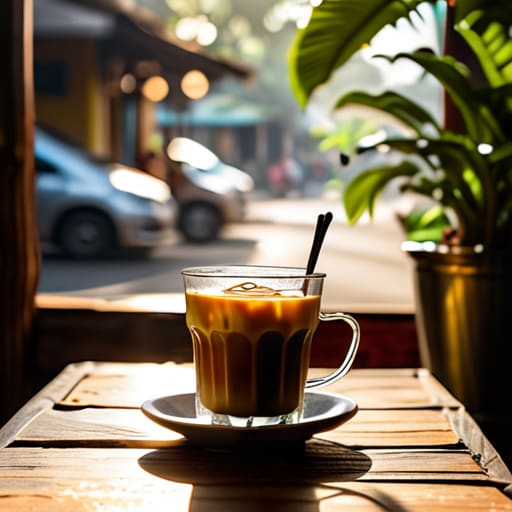
I was sitting on a low, chipped plastic stool in a narrow alleyway in Hanoi last Tuesday, my old Leica resting on the table, when I realized I’d finally found it. Most travel guides will try to sell you on some polished, high-end cafe experience, but that isn’t what vietnamese coffee culture is actually about. It’s about the rhythmic, heavy drip… drip… drip… of a metal phin filter, the humid air, and the way the world seems to pause just long enough for you to catch your breath. There is no rush here, no frantic steaming of milk or complex orders; there is only the slow patience of the brew and the steady hum of the street.
I’m not here to give you a lecture on bean origins or fancy brewing equipment you don’t need. Instead, I want to share what I’ve learned from sitting on those sidewalks and watching the locals. I’ll show you how to find the real soul of the coffee scene, from the best street-side stalls to the simple art of doing absolutely nothing while you wait for your cup.
Table of Contents
Mastering the Patient Phin Coffee Filter Method
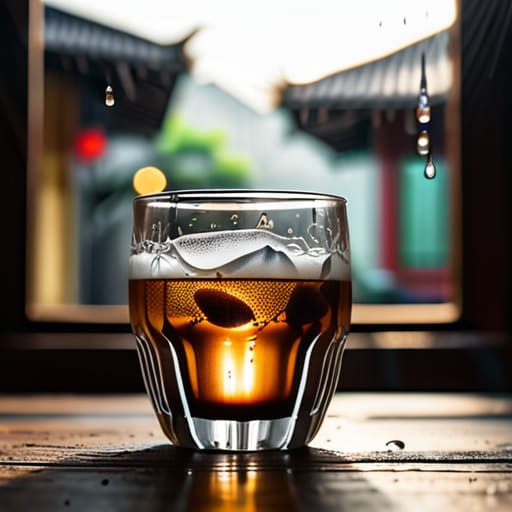
You can’t rush a phin. I learned that quite quickly during my first week in Hanoi. If you try to hurry the process, you lose the very thing that makes the ritual worthwhile. The phin coffee filter method is less about caffeine delivery and more about a lesson in patience. You start with a generous scoop of dark, intense grounds—usually a heavy-bodied Robusta—and press the metal filter gently over them. Then, you wait. You watch those first few dark droplets fall into the glass, one by one, like a slow-motion countdown to a moment of peace.
Once the filter has done its work, the real magic happens with the addition of sweetened condensed milk. I often find myself sitting at one of those weathered street coffee stalls in Vietnam, watching the steam rise against the morning light. When you stir that thick, creamy sweetness into the bitter brew, you create something much more than a drink. It becomes a perfectly balanced ritual that demands you sit still, put down your phone, and simply exist in the present.
The Bold Soul of Robusta Bean Characteristics

If you’re used to the thin, acidic brightness of the Arabica beans we tend to favor back in the States, your first encounter with the robusta bean characteristics found here will come as a bit of a shock. It’s a heavy, unapologetic kind of coffee. There’s a deep, earthy bitterness to it—almost like dark chocolate or toasted grain—that hits you immediately. But it isn’t an unpleasant punch; rather, it’s a sturdy foundation. To my engineer’s mind, it feels like the bedrock of the whole experience. It has a certain structural integrity that allows it to stand up to the heavy elements that follow.
In many of the street coffee stalls Vietnam offers, this boldness is essential. You aren’t just drinking a beverage; you’re engaging with something potent. When you pair this intense roast with a thick pour of sweetened condensed milk, you get that iconic ca phe sua da that defines a morning in Hanoi. The sweetness doesn’t mask the coffee; instead, it dances with that dark, nutty grit. It’s a marriage of opposites that requires you to sit still and respect the strength of the brew.
A Few Lessons Learned from the Sidewalk
- Don’t fight the clock; the Phin filter is designed to be slow, so use that time to watch the street life unfold around you.
- If you find the Robusta too intense, ask for “Cà Phê Sữa Đá”—the thick, sweetened condensed milk is the perfect, creamy companion to that bold bitterness.
- Look for the low plastic stools; they might be uncomfortable for a man of my years, but they put you at the perfect eye level to truly see the city.
- Embrace the humidity; a cold glass of coffee with plenty of ice is more than a treat, it’s a necessary ritual to stay grounded in the heat.
- Keep your eyes off your phone and on your notebook; the best part of Vietnamese coffee isn’t the caffeine, it’s the quiet observation that comes with the wait.
A Few Things I’ve Learned from the Slow Drip
Don’t rush the process; the phin filter isn’t a machine to be mastered, but a lesson in patience that rewards you with a much richer flavor.
Embrace the strength of the Robusta bean—it’s bold, unapologetic, and far more interesting than the watered-down brews we often settle for back home.
The best part of the coffee isn’t just the caffeine, but the permission it gives you to sit still, watch the street life unfold, and just be.
The Art of Waiting
“In my old engineering days, we were always racing against the clock to finish a job, but here, the coffee teaches you a different lesson. You can’t rush a phin filter; you just have to sit there, watch the slow drip, and realize that the best things in life require a little bit of patience and a very comfortable chair.”
Bernard Oyelaran
More Than Just a Caffeine Kick

Looking back on everything we’ve discussed, it’s clear that Vietnamese coffee is so much more than a simple morning ritual. It is a delicate balance between the unyielding strength of the Robusta bean and the quiet discipline required to master the Phin filter. Whether you are navigating the intense, chocolatey depths of a traditional brew or finding solace in the sweetness of condensed milk, you are participating in a tradition that prizes patience over speed. It isn’t just about the caffeine hitting your system; it is about the intentionality of the process and the way it forces you to wait for the very best results.
As I sit here in this small corner cafe, sketching the passing motorbikes in my notebook, I’m reminded that the world is full of these small, beautiful rhythms. We spend so much of our lives trying to optimize every second, rushing from one task to the next without ever truly arriving. But if there is one thing a cup of Vietnamese coffee can teach you, it is that the best things in life are rarely instant. So, the next time you find yourself in a hurry, I hope you’ll choose to sit down, find a sturdy stool, and simply let the coffee drip at its own pace.
Frequently Asked Questions
If I'm traveling through the smaller towns, how can I tell the difference between a quick roadside stall and a proper local coffee spot?
In the smaller towns, don’t look for fancy signs; look for the rhythm. A quick roadside stall is usually all about utility—people standing, drinking fast, and moving on. But a proper local spot? That’s where you’ll see the low stools clustered together and folks lingering over a second or third cup. If you see people watching the street or tucked into a corner with a book, you’ve found the real soul of the place.
Is it common to enjoy these strong brews with milk, or is there a more traditional way to drink it black?
It’s a bit of both, really. If you’re looking for the classic experience, you can’t go wrong with cà phê sữa đá—that rich, dark brew poured over thick, sweetened condensed milk and plenty of ice. It’s indulgent and perfect for a humid afternoon. But don’t overlook the beauty of drinking it black. It’s much more intense, allowing you to truly taste those earthy, chocolatey notes of the Robusta bean without any distraction.
Besides the coffee itself, what's the best way to approach the social etiquette of sitting in these crowded sidewalk cafes?
Don’t worry about being too formal; these sidewalk cafes aren’t fine dining. The best approach is to simply lean into the chaos. Find a stool, tuck your notebook under your arm, and settle in. A polite nod to the server is plenty. Most importantly, resist the urge to hover or look rushed. Just sit, observe the passing motorbikes, and let yourself become part of the city’s living room. It’s more about presence than protocol.
