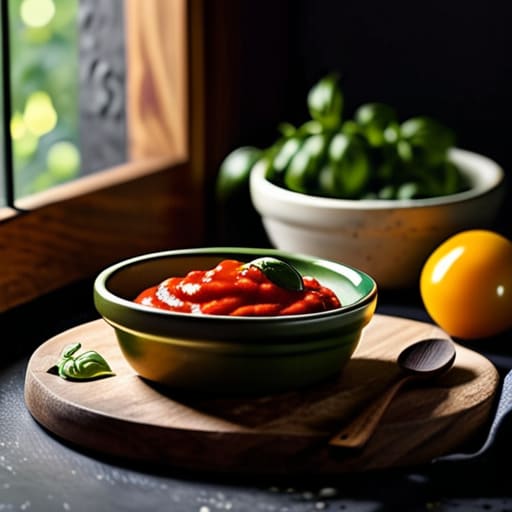
I remember sitting in a cramped site trailer halfway through a bridge project in Michigan, staring at a lukewarm, pre-packaged meal that tasted more like cardboard than food. It was one of those days where everything felt rushed and hollow, and I realized then that a meal is only as good as the soul you put into it. Most people treat cooking like another deadline to meet, reaching for those complicated, ingredient-heavy sauce recipes that require a degree in chemistry and a grocery list longer than a blueprint. They think you need exotic spices and three hours of frantic whisking to make something worthwhile, but they’ve missed the point entirely.
I’m not interested in the culinary theater or the expensive, unnecessary fluff you see on those flashy cooking shows. What I want to share with you are a few honest, reliable ways to bring a dish to life without losing your peace of mind. These are the kinds of sauce recipes I’ve gathered over the years—simple, sturdy, and designed to be savored. I promise to give you nothing but the essentials, focusing on flavors that actually matter so you can spend less time hovering over a stove and more time enjoying the view.
Table of Contents
- Mastering Culinary Sauce Making Techniques One Simmer at a Time
- Base Sauce Recipes That Form the Foundation of a Quiet Evening
- Small Gestures for a Deeper Flavor
- A Few Thoughts to Carry With You to the Kitchen
- ## The Soul in the Simmer
- Finding Your Own Rhythm in the Kitchen
- Frequently Asked Questions
Mastering Culinary Sauce Making Techniques One Simmer at a Time
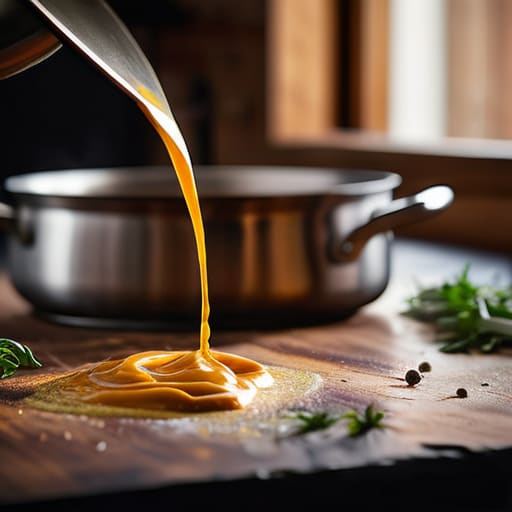
In my years managing construction sites, I learned that a structure is only as reliable as its foundation. Cooking is much the same. You can have the finest cuts of meat or the freshest vegetables, but without a proper base, the meal lacks soul. When I look at different base sauce recipes, I see them as the blueprints of a dish. Whether you are starting with a simple roux or a reduction of stock, the goal is to build layers of flavor that don’t just sit on top of the food, but actually integrate with it.
I’ve found that the real magic happens when you stop watching the clock and start watching the pot. Mastering these culinary sauce making techniques requires a bit of patience—the kind of patience I used to spend waiting for concrete to cure. You have to watch for the way a liquid thickens or how the color deepens from a pale cream to a rich, golden hue. It’s a slow process, but there is a profound peace in watching a sauce transform under a gentle flame. It reminds me that the best things in life require a bit of time.
Base Sauce Recipes That Form the Foundation of a Quiet Evening
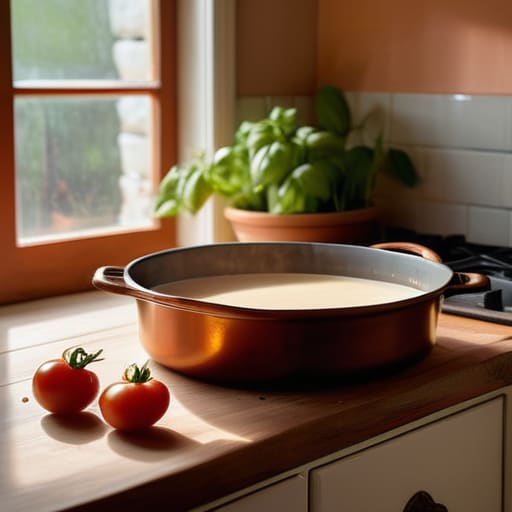
There is a certain comfort in knowing that once you have a few reliable foundations in your pantry, the rest of the evening tends to unfold with much less stress. I often find that starting with a simple, classic tomato reduction or a velvety béchamel can transform a basic meal into something that feels truly intentional. These base sauce recipes aren’t just about flavor; they are about creating a sense of stability in the kitchen. When I’m sitting by the window watching the light fade, I like to think of these sauces as the steady architecture of a good meal—much like the structural beams I used to oversee in my engineering days.
Once you have mastered these basics, you can begin to experiment with easy sauce variations to suit your mood. A dash of smoked paprika in a cream sauce or a handful of fresh basil in a red reduction can completely change the character of the dish without requiring a frantic amount of effort. It’s about finding that balance between simplicity and depth, allowing the ingredients to speak for themselves while you simply enjoy the process of creation.
Small Gestures for a Deeper Flavor
- Don’t be afraid to let things sit. Just like waiting for the right light to capture a landscape with my old Leica, a sauce often needs time to settle. A quick simmer is fine for a Tuesday, but a slow, low heat allows the flavors to truly introduce themselves to one another.
- Keep your pantry stocked with the basics, but look closer at the details. A splash of high-quality vinegar or a pinch of coarse sea salt can be the difference between a sauce that merely coats a meal and one that actually makes you stop and take a breath.
- Watch the texture, not just the clock. I spent years watching how concrete set, and cooking is much the same. Use your spoon to feel the weight of the sauce; it should coat the back of it smoothly, like a gentle mist over a quiet lake, rather than running off like water.
- Trust your senses over a measuring spoon. Recipes are wonderful guides, but they aren’t the law. Taste as you go. If a sauce feels a bit hollow, it might need a touch of fat—a knob of butter or a swirl of olive oil—to give it some soul.
- Clean as you go, but don’t rush it. There is a certain peace in tidying a kitchen while something is simmering on the stove. It prevents the chaos of a messy workspace from stealing the joy out of the meal you’re about to enjoy.
A Few Thoughts to Carry With You to the Kitchen
Don’t let the clock dictate your cooking; the most profound flavors often emerge only when you give a sauce the grace of time and a gentle simmer.
Treat your ingredients like the details in a landscape—each one has a specific role to play, and it’s the careful layering of those small elements that creates a masterpiece.
Remember that a sauce isn’t just a way to coat food, but a way to slow down the meal and turn a simple dinner into a moment worth savoring.
## The Soul in the Simmer
“A recipe is just a set of instructions, but a sauce—that is where the patience lives. It’s the quiet alchemy of watching colors deepen and aromas bloom, reminding us that the most meaningful things in life rarely happen all at once.”
Bernard Oyelaran
Finding Your Own Rhythm in the Kitchen
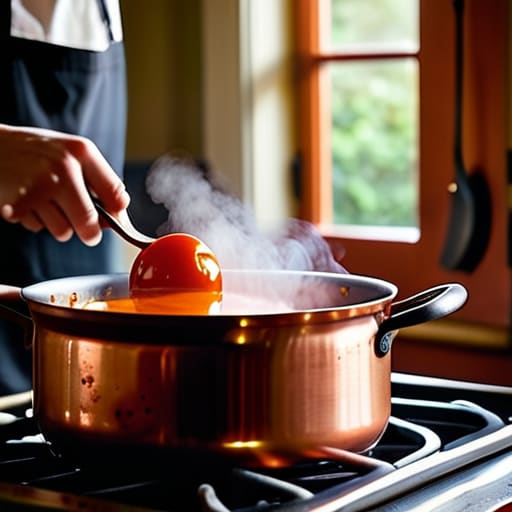
As we pull our chairs up to the table, I hope these recipes serve as more than just instructions on a page. We’ve looked at how a steady simmer can transform simple ingredients into something profound, and how mastering those foundational bases gives you the freedom to wander creatively. Whether you are whisking a silky cream sauce or letting a tomato reduction deepen in color, remember that the goal isn’t perfection; it’s about understanding the patience required to coax out true flavor. Once you grasp the basics of heat and timing, you’ll find that you aren’t just following a recipe—you are building a culinary toolkit that stays with you long after the stove is turned off.
At the end of the day, the best sauce isn’t the one that looks most impressive in a photograph, but the one that makes you pause mid-bite to simply exist in the moment. I’ve spent a lifetime managing rigid structures and deadlines, but I’ve learned that the most rewarding things—much like a well-developed sauce—require a bit of gentle, unhurried attention. So, the next time you find yourself rushing through a meal, I encourage you to slow down. Grab a spoon, taste your progress, and remember that life is best enjoyed one small, flavorful spoonful at a time.
Frequently Asked Questions
Is there a way to make these sauces ahead of time so I don't feel rushed when I sit down to eat?
That’s a wonderful question, and honestly, it’s one of my favorite ways to approach a meal. I’ve found that preparing a batch of sauce on a quiet Sunday afternoon—when there’s no pressure—makes the actual dinner feel much more intentional. Most of these sauces actually settle and deepen in flavor if they sit in the fridge for a day or two. It takes the frantic edge off the evening, leaving you more time to simply sit and enjoy.
How can I tell if a sauce has simmered long enough to get that deep, rich flavor without overdoing it?
It’s a bit like waiting for the light to hit a landscape just right—you can’t force it, you can only observe. I usually look for two things: the scent and the viscosity. When that sharp, raw smell of onions or garlic softens into something sweet and mellow, you’re getting close. Then, watch the surface. When the bubbles slow down and turn heavy, like a lazy summer afternoon, that’s when the soul of the sauce has finally arrived.
If I've made a mistake and the sauce is a bit too thin or too salty, is there a gentle way to fix it?
Don’t let a little mishap sour your evening; even the best meals have their hiccups. If your sauce is running a bit thin, just give it more time over a low flame—letting it simmer slowly allows the flavors to concentrate and the texture to find itself. If it’s turned a bit too salty, try adding a small, peeled potato to simmer with it, or a splash of cream to soften the edge. Just breathe, and keep stirring.
