
I remember sitting on a rusted folding chair outside a construction site in Des Moines back in ’94, my knees throbbing after a twelve-hour shift on a bridge foundation. I was convinced that the only way to “fix” a tired body was to sit perfectly still in a recliner until the ache vanished. But I’ve learned the hard way that total stillness can be just as stiffening as the work itself. People today try to turn active recovery into some high-tech, expensive science involving specialized compression gear and fancy recovery drinks that cost more than a decent steak. Honestly, most of that is just noise.
I’m not here to sell you on a complicated regimen or a gym membership you don’t need. Instead, I want to share what I’ve discovered through years of walking, tinkering with old cameras, and simply listening to what my body actually requires. I’ll be laying out a few straightforward, practical ways to approach active recovery that focus on gentle movement and patience. My goal is to help you find that sweet spot where you aren’t pushing your limits, but you aren’t letting yourself rust over, either.
Table of Contents
Low Intensity Exercise Benefits for a Quiet Mind
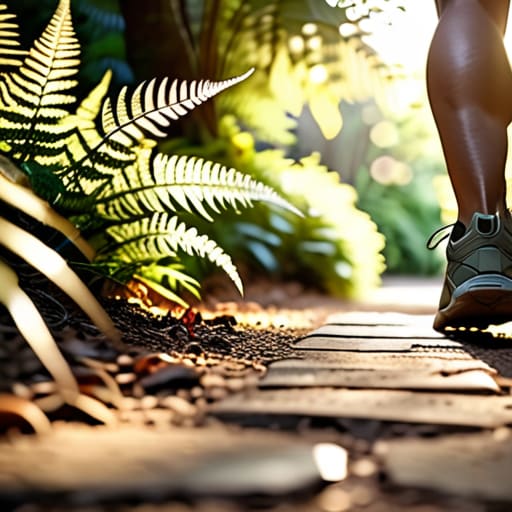
I’ve found that my best thinking doesn’t happen when I’m staring at a blueprint or rushing through a checklist, but rather when I’m mid-stride on a gentle trail. There is a certain magic in these low-intensity exercise benefits that goes far beyond the physical. When I opt for a slow walk through the local botanical gardens instead of a grueling gym session, I notice my thoughts begin to settle. It’s as if the rhythmic movement helps clear the mental cobwebs, turning what could be a stressful day into something much more manageable.
Beyond the mental clarity, there’s the simple, practical reality of how my body feels. I’ve learned that gentle movement is remarkably effective at improving blood circulation, which helps flush out that heavy, sluggish feeling after a more strenuous outing. It’s not about breaking a sweat or hitting a new personal best; it’s about reducing muscle soreness through steady, easy motion. For me, these quiet moments of movement serve as a bridge, helping my mind and body find their way back to center before the next adventure begins.
Improving Blood Circulation While Noticing the View
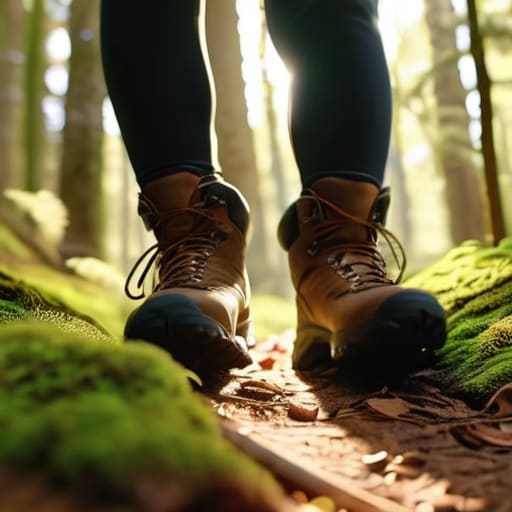
I’ve found that the best way to keep the body moving without the strain of a heavy lifting session is to simply walk. I remember back in my engineering days, I’d spend hours on my feet at construction sites, and I learned early on that a gentle stroll does wonders for improving blood circulation. When I’m out on the trails now, I don’t look at my watch or track my pace. Instead, I focus on the way the light hits the oak trees or the subtle shift in the wind. This gentle movement helps in reducing muscle soreness from my more strenuous days, acting as a natural lubricant for the joints.
There is a certain rhythm to it—a steady, unhurried gait that allows the heart to pump without the frantic urgency of a sprint. I often pull out my little leather notebook during these sessions, pausing by a creek or a stone wall to sketch. These small, deliberate pauses are some of my favorite rest day activities. They turn a simple physical necessity into a moment of genuine connection with the world around me.
Five Ways to Ease Into a Slower Pace
- Don’t mistake movement for a chore; a gentle, twenty-minute stroll through a local park is often more restorative than any high-intensity workout.
- Keep your stretches light and rhythmic, much like the steady pace of a pendulum, focusing on breathing rather than pushing for a new personal record.
- Use your recovery time to engage your hands—whether it’s tending to a small garden or cleaning a camera lens—to help quiet the mind while the body rests.
- Listen to your body’s subtle cues; if your joints feel stiff, opt for a slow swim or a gentle walk rather than forcing yourself through a standard routine.
- Pair your light activity with observation, like sketching a tree or watching the light change, to turn physical recovery into a moment of mental stillness.
Small Lessons from a Slower Pace
Don’t mistake stillness for laziness; giving your body a gentle, low-impact movement is often more productive for long-term health than forcing a grueling workout.
Use your recovery time to reconnect with your surroundings, whether it’s the texture of a leaf or the light hitting a building, to settle a restless mind.
Listen to your body’s quiet signals rather than your ego’s desire to push harder, and remember that a restorative walk can be just as vital as a heavy lift.
On the Value of a Slow Pace
We often mistake stillness for laziness, but there is a profound kind of work found in a gentle stroll or a quiet stretch; it’s not about doing nothing, it’s about giving the body and the mind the grace to catch up with themselves.
Bernard Oyelaran
The Beauty of the Slow Down

When I look back on my years managing construction sites, I realize we spent so much time obsessed with the “push”—the deadlines, the heavy lifting, and the constant forward momentum. But as we’ve discussed, true progress isn’t just about the intensity of the effort; it’s about how we handle the pauses. Whether it’s a gentle stroll to get the blood moving or a light stretch that lets you actually feel your breath, active recovery is about honoring the body’s need to recalibrate. It’s the bridge between the exertion of today and the strength you’ll need for tomorrow, ensuring that you aren’t just moving, but moving with intention.
At the end of the day, I hope you take this to mean more than just a physical protocol. I hope it serves as a reminder that there is profound value in the stillness between the strides. Don’t be so quick to rush through your recovery just to get back to the grind; instead, use that time to notice the way the light hits the trees or the taste of a well-made cup of tea. Life is far too short to spend it only in a state of high-gear tension. Sometimes, the most productive thing you can do is simply learn to linger in the quiet moments.
Frequently Asked Questions
How can I tell if I'm actually practicing active recovery or if I'm accidentally pushing myself too hard again?
It’s a fine line, isn’t it? I used to think more was always better, but my body eventually learned to speak up. If you’re checking your heart rate or feeling a dull ache, that’s one thing. But if you find yourself checking your watch, feeling breathless, or rushing to finish, you’ve veered off course. Real active recovery should feel like a gentle conversation with your surroundings, not a negotiation with your limits.
Is there a specific type of movement that works best if my joints are feeling a bit stiff from a long day of walking?
When my knees start to feel a bit creaky after a long afternoon of exploring, I’ve found that nothing beats a gentle, rhythmic swim or even just some slow, deliberate stretching in the garden. It isn’t about the sweat; it’s about loosening the gears. I like to find a patch of grass, sit quietly, and just move through some basic motions. It’s much like oiling an old camera lens—it just needs a little care.
Can I still call it active recovery if I'm mostly just sitting in a cafe and sketching, or does it have to involve some kind of physical movement?
If we’re being strictly technical, your doctor might disagree. But if we’re talking about the soul? Absolutely. To me, recovery isn’t just about flushing lactic acid out of your muscles; it’s about letting the mental tension drain away. If sitting in a sun-drenched cafe with a sketchbook allows you to breathe deeper and reset your rhythm, then you’ve recovered more than most people do during a heavy gym session. Slow down and enjoy that coffee.
