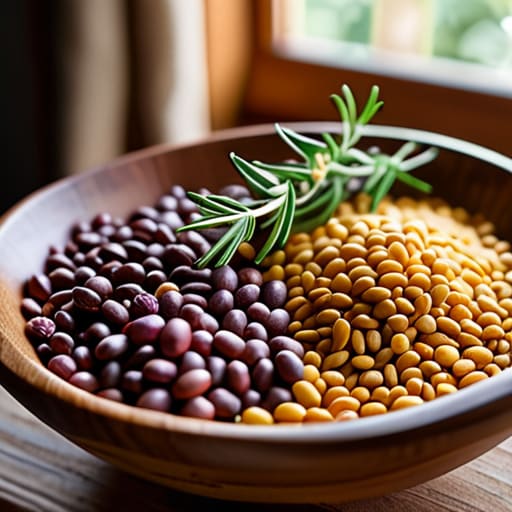
I was sitting in a small, sun-drenched cafe in Florence last Tuesday, watching a young man struggle with a bowl of what the menu called a “superfood medley.” He was staring at his plate as if it were a complex blueprint for a bridge, clearly baffled by the textures and the price tag. It reminded me how much we’ve overcomplicated things lately; we’ve taken simple, honest ingredients like ancient grains and wrapped them in layers of marketing nonsense and pretension. To be honest, I’m tired of seeing these staples treated like some mystical discovery rather than what they actually are: dependable, hardworking food that has sustained people for centuries.
I’m not here to sell you on a lifestyle trend or a way to “optimize” your biology. Instead, I want to share what I’ve learned through years of slow travel and even slower meals. I’ll show you how to recognize the real stuff, how to cook it without making a mess of your kitchen, and why a simple bowl of farro or spelt can be the most grounding part of your entire day. No hype, no jargon—just honest food for a life lived at a better pace.
Table of Contents
Finding Peace in Ancient Grains vs Modern Grains
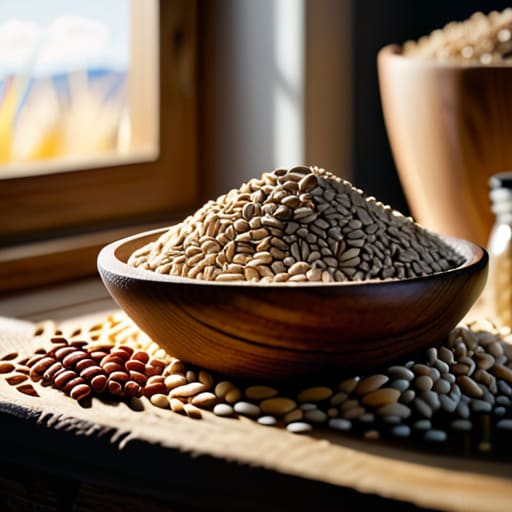
I remember the days on construction sites when everything was about speed—getting the concrete poured, the steel set, and the project finished ahead of schedule. We were always racing against the clock. It’s a bit like how our modern food system works; we’ve traded character for convenience, settling for highly processed, stripped-down flours that get the job done quickly but leave us feeling hollow. When I look at the comparison of ancient grains vs modern grains, I see a similar divide. Modern wheat has been engineered for massive yields and easy processing, but it lacks the soul and the substance of the older varieties.
There is a certain honesty in things that take their time to grow. When I sit down with a bowl of warm millet or a handful of amaranth, I’m reminded that true nourishment isn’t rushed. These older seeds carry a superfood nutritional profile that hasn’t been diluted by industrial demands. They offer a texture that demands you chew, a flavor that demands you notice, and a sense of stability that a piece of white toast simply can’t provide. It’s a small, edible way to reconnect with a slower pace of life.
The Superfood Nutritional Profile of a Gentle Life
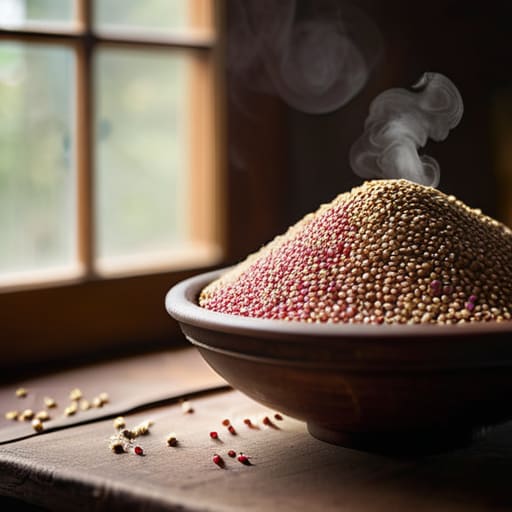
I’ve never been one for the flashy, neon-colored labels you see in the supermarket aisles, promising instant miracles. To me, the true superfood nutritional profile isn’t found in a pill or a processed powder, but in the quiet integrity of a bowl of warm millet. When I sit down with a steaming dish of amaranth, I’m not just eating; I’m fueling myself with something that has survived the test of time. These tiny seeds are packed with more than just calories; they offer a steady, slow-burning energy that keeps my mind clear during a long afternoon of tinkering with my old Leica cameras.
There is a certain honesty in these fiber-rich grain varieties that modern, highly processed wheat simply lacks. I find that choosing these older staples helps me avoid that mid-afternoon slump that used to plague my working years. Whether it’s the earthy depth of quinoa or the subtle sweetness of sorghum, these foods seem to respect the body’s natural rhythm. It’s a way of practicing whole grain health benefits without making it a chore; it’s just about choosing ingredients that feel as substantial and enduring as the landscapes I try to sketch.
A Few Simple Ways to Bring These Grains into Your Daily Rhythm
- Don’t feel you have to overhaul your entire pantry overnight. Start small, perhaps by swapping your morning oatmeal for a bowl of warm, nutty spelt or buckwheat. It’s a gentle way to let your palate adjust to those deeper, more honest flavors.
- Patience is your best friend when cooking these. Unlike the quick-fix grains we’re used to, things like farro or barley take a bit more time on the stove. I find there’s something quite meditative about watching the water simmer while the kitchen begins to smell of earth and grain.
- Use them as a canvas for what’s in season. A handful of quinoa tossed with roasted root vegetables or a bit of wild rice mixed with autumn squash makes for a meal that feels intentional rather than rushed.
- Keep a little jar of toasted amaranth or millet on hand. They add a wonderful, subtle crunch to a simple yogurt or a piece of fruit, making even a quick snack feel like a moment worth pausing for.
- Remember that these grains are meant to be enjoyed, not just “consumed.” When you sit down with a bowl, leave the phone in the other room. Let the texture and the warmth be the focus of your meal.
Small Lessons from the Grain
Choosing ancient grains isn’t just about nutrition; it’s about choosing a slower, more intentional way of eating that honors the time it takes to grow and prepare real food.
Embracing these hearty, unrefined textures helps us reconnect with the earth and find a sense of grounding that modern, processed convenience often strips away.
Let your meals be an invitation to pause—use the simple act of chewing a piece of spelt or farro as a reminder to step out of the rush and back into the present moment.
A Lesson in Patience
“Modern life tries to rush everything, even our food, but these old grains don’t care for our hurry; they demand a bit of patience and a slower simmer, reminding us that the best things in life aren’t built for speed, but for substance.”
Bernard Oyelaran
A Final Thought Before the Next Meal
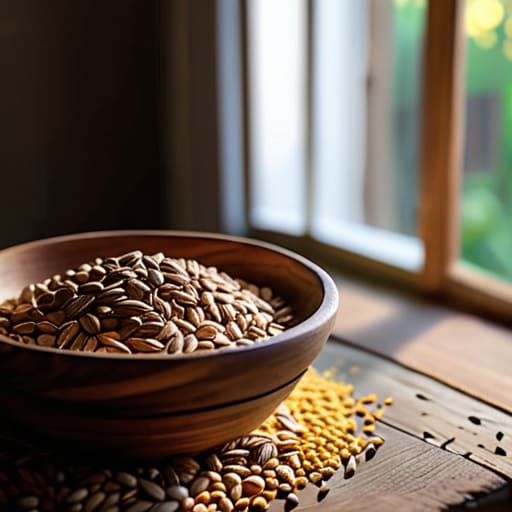
Looking back at what we’ve discussed, it’s clear that choosing ancient grains is about much more than just checking off a nutritional box. It’s a conscious decision to step away from the highly processed, rushed convenience of the modern world and return to something more honest and substantial. By embracing the complex textures of spelt, millet, or farro, we aren’t just feeding our bodies with essential minerals and slow-burning energy; we are reclaiming a connection to the earth and a slower way of living. It is a way to bridge the gap between the frantic pace of today and the steady, reliable rhythms of the past.
As I sit here in this small cafe, watching the light shift across my notebook, I’m reminded that our lives are built from these small, intentional choices. You don’t need to overhaul your entire pantry overnight to make a difference. Just start with one bowl, one meal, and one moment of true presence. Whether it’s the nutty crunch of amaranth or the comforting weight of a hearty grain porridge, let it be an invitation to sit still. After all, we aren’t just consuming fuel; we are gathering the strength to savor the view.
Frequently Asked Questions
Since I'm not used to the heavier texture of grains like farro or spelt, are there any tips for preparing them so they aren't too tough on the teeth?
I remember my first encounter with spelt; I thought I’d bitten into a handful of pebbles. If the texture feels a bit too stubborn, try soaking the grains overnight in cold water before cooking. It softens the outer hull beautifully. Also, don’t be afraid to let them simmer a little longer than the package suggests—a bit of extra time in the pot goes a long way toward a gentle, tender bite.
I find myself wandering into local markets more often these days; is there a simple way to tell if these grains are truly whole and unprocessed?
I’ve learned that the best way to tell is to trust your hands and your eyes. When I’m browsing the stalls, I look for texture; truly whole grains like spelt or rye shouldn’t look uniform or polished like the stuff in a plastic bag. They should have a bit of character—varying shapes, a dusty finish, and a certain weight. If it looks too perfect, it’s likely been stripped of its soul.
For someone who enjoys a slow morning, which of these grains work best for a warm, comforting porridge rather than just being tossed into a salad?
If you’re looking to start your morning with a bit of stillness, I’d steer you toward steel-cut oats or farro. There’s a real, honest satisfaction in the way steel-cut oats bloom on the stove; they take their time, but the texture is worth the wait. Farro is lovely too—it has a wonderful, nutty chew that feels substantial. Both make for a warm, grounding bowl that invites you to just sit and breathe.
