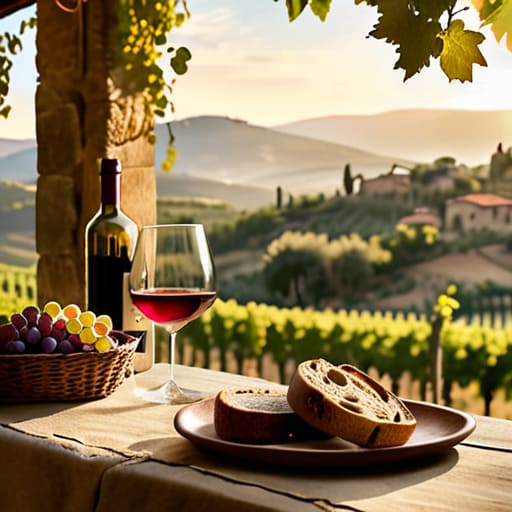
I was sitting in a bustling plaza in Florence last spring, watching a young couple frantically rotate a paper map while checking their watches every thirty seconds. They had “seen” the Duomo, the Uffizi, and the Accademia all before lunch, yet they looked more exhausted than when they started. It struck me then that most people treat slow travel like a competitive sport, a frantic race to check off landmarks as if they were items on a construction punch list. They spend so much time rushing from one monument to the next that they completely miss the soul of the place—the way the light hits the cobblestones at dusk or the specific scent of roasting coffee drifting from a side alley.
I’m not here to sell you on some expensive, curated “mindfulness retreat” or a complicated itinerary. What I want to share is the practical, unvarnished reality of how I actually navigate the world now that I’ve traded project deadlines for intentional wandering. I’ll tell you how to find the best local meals without a guidebook, how to settle into a new city without feeling like a stranger, and why the most memorable parts of a journey are often the ones you didn’t plan for at all.
Table of Contents
Why Mindful Travel Practices Mend a Weary Soul
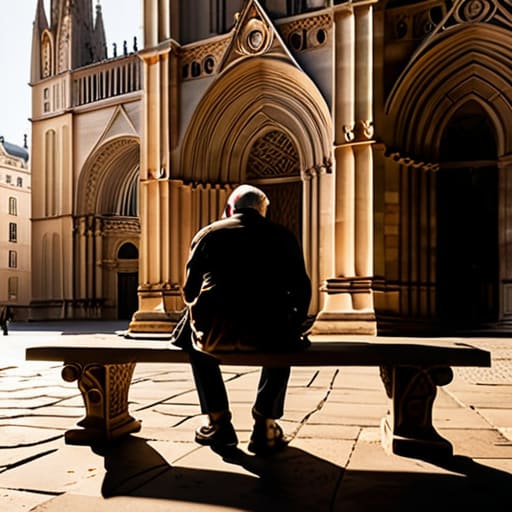
I’ve spent most of my life working against the clock, managing crews and meeting deadlines that felt like life or death. But when you’re constantly chasing the next milestone, you lose the ability to actually be where your feet are. I’ve found that shifting toward mindful travel practices acts as a sort of balm for the spirit. Instead of treating a new city like a checklist of monuments to be conquered, I try to treat it like an old friend I’m finally getting to know. It’s the difference between seeing a cathedral through a bus window and sitting on a stone bench nearby, just watching how the light hits the carvings.
There is a profound quietness that comes when you stop rushing. By seeking out off-the-beaten-path destinations, you strip away the frantic energy of the tourist traps and find something much more substantial. It’s in those unplanned moments—a conversation with a shopkeeper or a long, aimless walk through a residential neighborhood—that the mental fog finally begins to lift. You realize that the goal isn’t to see everything, but to truly feel something in the places you do visit.
Chasing Authentic Travel Experiences Instead of Checklists
I spent most of my career looking at blueprints and strict timelines, where every minute had to be accounted for and every milestone had to be hit. It’s a hard habit to break, even in retirement. We often approach a new city with that same engineer’s mindset—a frantic checklist of cathedrals, museums, and monuments to be ticked off before the sun goes down. But when you’re racing to see everything, you end up seeing nothing at all. You’re just a blur passing through a landscape, never truly touching it.
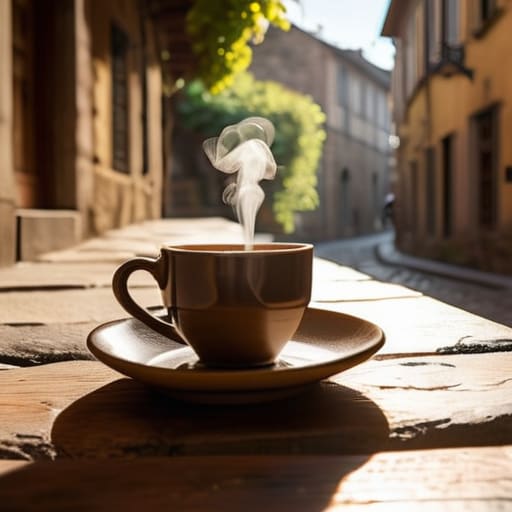
Instead, I’ve found that the real magic happens when you trade the itinerary for a bit of curiosity. I’ve learned to seek out authentic travel experiences by simply following my nose toward a small, crowded bakery or a quiet side street that looks like it hasn’t changed in fifty years. These off-the-beaten-path destinations don’t offer the polished perfection of a tourist brochure, but they offer something much better: a sense of place. When you stop trying to conquer a destination and instead focus on local community engagement—like chatting with a shopkeeper over a coffee—the world starts to feel a lot smaller and much more welcoming.
A Few Ways to Actually Feel the Place You’re Visiting
- Pick one home base and stay put. Instead of hopping between three cities in a week, find a small apartment or a quiet guesthouse in a single neighborhood. When you see the same baker every morning, you stop being a tourist and start feeling like a neighbor.
- Leave the guidebook in your bag for a day. I’ve found that my best afternoons happen when I simply walk in a direction that looks interesting and see where the cobblestones lead. The best views aren’t always on a map; sometimes they’re just around a corner you weren’t looking for.
- Eat like a local, not a critic. Skip the restaurants with the laminated menus and the pictures of the food out front. Find the place where the locals are sitting, the one that smells of garlic and old wood, and take your time. A meal shouldn’t be a task to check off; it should be the highlight of your day.
- Carry a notebook, not just a camera. While I love capturing a landscape with my Leica, there is something about sitting on a bench and sketching a doorway or jotting down the sound of a distant bell that forces you to truly look. It slows your hands down, which in turn slows your mind.
- Embrace the “do nothing” days. It sounds counterintuitive, but some of my most meaningful travel moments have been spent sitting in a sun-drenched plaza with nothing to do but watch the world go by. If you’re too busy trying to see everything, you’ll end up seeing nothing at all.
A Few Things to Carry in Your Pocket
Leave the rigid itinerary at home; allow yourself the grace to change your mind when a cobblestone street or a quiet café catches your eye.
Prioritize the local flavor over the famous landmarks, because a conversation with a baker often tells a better story than a museum guidebook ever could.
Remember that true discovery happens in the pauses, so don’t be afraid to sit still long enough to actually see where you are.
The View from the Sidelines
We spend so much time trying to see everything that we end up seeing nothing at all; true travel isn’t about how many miles you cover, but how much of the world you actually let settle into your bones.
Bernard Oyelaran
The View from the Slow Lane
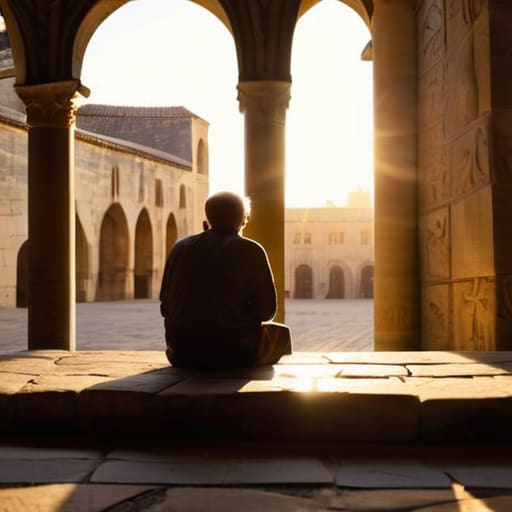
As I look back on these reflections, it becomes clear that slow travel isn’t about being lazy or missing out; it’s about choosing depth over distance. We’ve talked about why mending a weary soul requires more than just a change in scenery, and how trading that frantic checklist for genuine, unscripted moments can change the very fabric of a trip. When we stop treating destinations like items to be checked off a list, we finally give ourselves permission to actually inhabit them. It’s the difference between seeing a monument through a bus window and sitting on a stone bench nearby, watching how the light hits the carvings as the afternoon fades.
So, the next time you find yourself planning a getaway, I urge you to leave a little room for the unplanned. Don’t be afraid to miss the museum if it means you get to spend an extra hour in that little bakery on the corner, or if you find a quiet park that calls to you. At the end of the day, we don’t remember the miles we covered or the stamps in our passports as much as we remember how we felt in those quiet, stolen moments. Pack light, bring your notebook, and remember: the best parts of the journey are often found in the spaces between the landmarks.
Frequently Asked Questions
How do you actually manage to see the "must-see" sights without feeling like you're rushing through a checklist?
I’ve learned to treat the “must-sees” like the main course of a long dinner, not a snack to be gulped down. I pick just one landmark for the morning, then leave the rest of the day wide open. If I find a charming courtyard or a quiet bakery near the site, I stay there. You don’t need to see every monument to understand a city; you just need to see one, deeply.
Is slow travel more expensive since it involves staying in one place for longer, or does it actually save a bit of money?
It’s a common worry, but I’ve found the opposite to be true. When you aren’t rushing from one landmark to the next, you stop paying those “convenience taxes”—the pricey airport shuttles, the rushed tourist lunches, and the frantic taxi rides. Staying put lets you shop at local markets and cook a few meals in a rental kitchen. To me, it’s not about cutting corners; it’s about trading expensive gimmicks for real, affordable living.
How do you deal with the occasional feeling of boredom or restlessness when you aren't constantly on the move?
To be honest, those restless moments used to rattle me. I spent decades chasing deadlines, so stillness felt like failure. Now, when that itch to “do something” kicks in, I reach for my notebook or my Leica. I’ve learned that boredom is often just an invitation to look closer. Instead of rushing to the next landmark, I try to find something small—the way light hits a cobblestone street or the scent of baking bread—and just sit with it.
