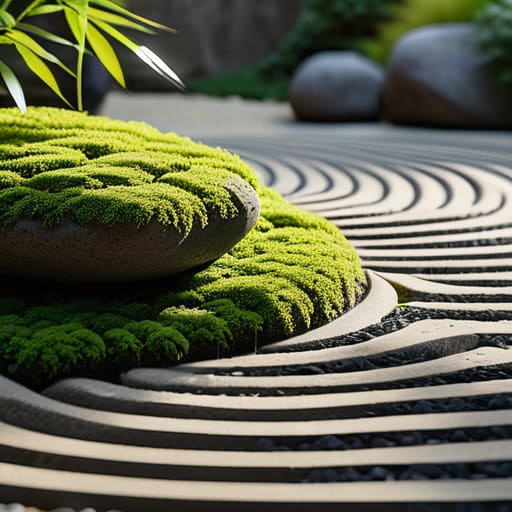
I spent thirty years looking at blueprints and managing massive concrete pours, so I have a low tolerance for anything that feels like unnecessary fluff. Lately, I’ve seen a lot of folks treating zen gardening like it’s some high-priced, mystical ritual that requires expensive imported stones and a degree in philosophy just to get started. It’s a bit ridiculous, isn’t it? You don’t need a mountain retreat or a designer budget to find a bit of peace; you just need a patch of dirt and the willingness to actually sit still for five minutes.
In the pages ahead, I’m not going to sell you on any complicated spiritual enlightenment or overpriced landscaping trends. Instead, I want to share what I’ve learned from my own quiet mornings spent with a rake in hand. I’ll give you the straightforward, practical side of zen gardening—the kind of honest, hands-on approach that focuses on the rhythm of the work rather than the perfection of the result. We’re going to look at how to build a small sanctuary that serves your soul, not your social media feed.
Table of Contents
Finding Mindfulness Through Gardening in the Morning Light
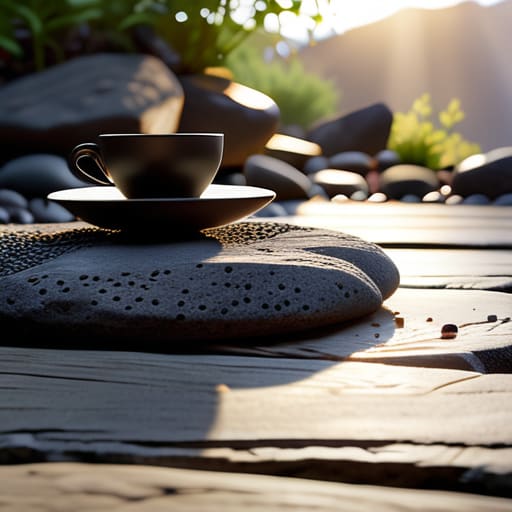
There is a particular kind of stillness that only exists at six in the morning, just as the sun begins to pull the mist off the ground. I usually find myself out there with a cup of black coffee, watching how the light hits the stones. There is something about the way the early rays catch the edges of the rocks that makes you realize why zen garden rock placement isn’t just about aesthetics; it’s about balance. When the world is still asleep, you aren’t rushing to meet a deadline or manage a crew. You are simply present with the earth.
As I begin the work, I find that the repetitive motion of the rake becomes a sort of moving meditation. I don’t aim for perfection, but I do pay attention to the raking sand patterns meaning—the way a single line can represent a ripple in a pond or the steady flow of a river. It’s a way of practicing mindfulness through gardening without ever having to sit still in a formal pose. By the time the sun is fully up, my mind feels as clear and uncluttered as the garden itself.
Minimalist Garden Aesthetics and the Beauty of Less
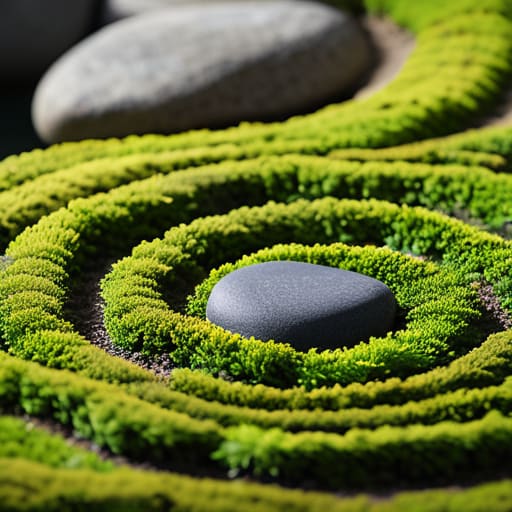
There’s a tendency in our modern world to think that more is better—more gadgets, more noise, more clutter. But as I’ve spent more time sitting by my small garden patch, I’ve realized that there is a profound strength in restraint. When I look at the minimalist garden aesthetics that define these spaces, I don’t see emptiness; I see intention. It’s about stripping away the distractions until only the essential remains.
I’ve been studying some of the traditional dry landscape design principles lately, trying to apply them to my own little corner of the world. It isn’t just about tidiness; it’s about the way a single, weathered stone can command the attention of an entire space. I find myself spending long stretches just considering the zen garden rock placement, wondering how the weight of a stone might balance the lightness of the gravel around it. There is a quiet dignity in a garden that doesn’t feel the need to shout for your attention, but instead waits patiently for you to notice its subtle, steady rhythm.
A Few Lessons from the Rake and the Stone
- Don’t rush the patterns. When I’m working on the gravel, I find that if I try to finish the whole garden at once, the lines end up jagged and frantic. It’s better to focus on one single, sweeping curve at a time.
- Choose your stones with intention. In my engineering days, we looked for stability and function; here, I look for character. Find a rock that looks like it has a story to tell, and place it where it feels like it has always belonged.
- Embrace the imperfections. A perfectly symmetrical garden feels sterile, almost like a blueprint. I’ve learned to leave a little space for the moss to creep in or for a leaf to fall; that’s where the real life is.
- Listen to the silence. Zen gardening isn’t just about what your eyes see, but what your ears pick up. The sound of the rake dragging through the grit is a steady, grounding rhythm that helps clear the mental clutter.
- Keep your tools simple and well-tended. There is a quiet satisfaction in using a wooden rake that fits well in your hands. If you treat your tools with respect, the work itself becomes a much more meditative experience.
Lessons from the Rake and the Stone
It isn’t about the perfection of the pattern, but the steady, rhythmic movement of the work itself that settles the mind.
By stripping away the clutter and focusing on a few well-placed stones or plants, we learn to appreciate the space between things.
True stillness doesn’t come from escaping the world, but from finding a quiet corner within it where we can finally just sit and observe.
The Lesson in the Rake
I used to think engineering was about imposing order on chaos, but sitting here with a rake in hand, I’ve learned that a Zen garden isn’t about controlling nature—it’s about finally learning how to sit still long enough to listen to it.
Bernard Oyelaran
The Quiet After the Rake

Looking back at everything we’ve discussed, it’s clear that Zen gardening isn’t really about the stones or the sand themselves, but about what happens inside you while you’re tending to them. Whether it’s the way the morning light catches the dew on a single moss patch or the intentional choice to leave a space empty rather than filling it with clutter, these practices serve a much larger purpose. We’ve seen how the morning rhythm can ground us and how a minimalist approach allows the true essence of nature to breathe. It isn’t about achieving some perfect, magazine-ready landscape; it is about the deliberate act of slowing down to meet the world exactly where it is.
As I sit here with my notebook, watching the shadows lengthen across my own small garden patch, I’m reminded that we can’t always control the chaos of the world outside our gates. We can, however, control how we cultivate our own small corner of it. I hope that as you step out into your own garden—no matter how large or small—you remember to leave room for the unexpected. Don’t be in such a hurry to finish the task that you forget to simply exist within it. After all, the most important thing we grow isn’t the garden, but the peace we find while we are working.
Frequently Asked Questions
How much space do I actually need to start a small rock garden if I don't have a large backyard?
You don’t need a sprawling estate to find peace in the sand. I’ve seen men try to manage massive landscapes only to lose themselves in the upkeep, and frankly, that’s not the goal. Even a small corner of a patio or a simple wooden planter box on a balcony can hold a world of stillness. It’s about the intention you bring to the space, not the square footage. Just a small, quiet patch is plenty.
Is it necessary to have specific types of stones and sand, or can I use what I find in my own neighborhood?
To be honest, I don’t think you need to go out and buy anything fancy. In my engineering days, we focused on precision, but in the garden, I’ve learned that character matters more than perfection. If you find a smooth river stone or a handful of interesting gravel right in your own backyard, use it. There’s a certain soul in using what’s already there; it makes the garden feel like it truly belongs to the land.
How much time does it really take to maintain these gardens once they are set up?
That’s a fair question, and one I often ask myself before starting any new project. Once the heavy lifting—the digging and the stone placement—is done, the maintenance is surprisingly light. It’s less about “work” and more about a gentle ritual. A bit of raking every few days to smooth the patterns and a quick sweep of the paths is usually enough. It’s a quiet, ten-minute conversation with your garden, rather than a chore.
