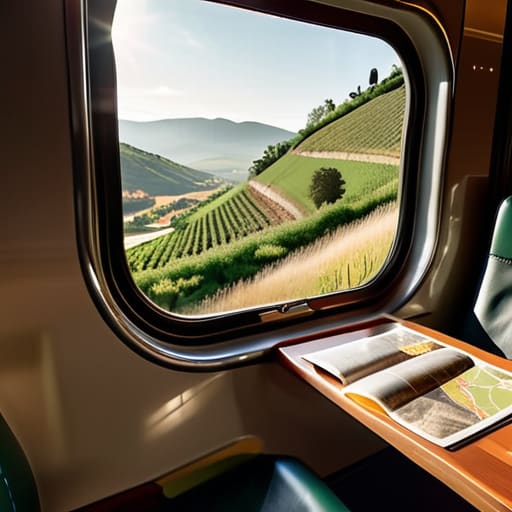
I remember sitting in a bustling station outside of Lyon last autumn, the smell of damp stone and burnt espresso hanging in the air, watching a young man frantically pace beside a pile of luggage. He was staring at his phone, sweating through his shirt, trying to navigate a complicated digital ticket system that seemed designed to frustrate rather than assist. It struck me then that so much of the modern advice regarding train travel europe is focused on the wrong things—efficiency, speed, and “optimizing” every single minute. People treat these journeys like a series of logistical hurdles to be cleared, rather than the actual heart of the trip.
I’m not here to sell you on some high-speed, breathless itinerary that leaves you too exhausted to enjoy your dinner. Instead, I want to share what I’ve learned from years of wandering through these landscapes at a much more deliberate pace. I’ll give you the honest, unvarnished truth about how to navigate the rails without losing your mind, focusing on the quiet connections and the small, overlooked stations that make the journey worthwhile. We’re going to skip the hype and focus on how to actually savor the ride.
Table of Contents
Finding Freedom With Eurail Pass Benefits and Quiet Rhythms

There’s a certain weightlessness that comes with holding a Eurail pass in your hand. For someone like me, who spent decades worrying about project timelines and rigid schedules, the flexibility is a revelation. You aren’t tethered to a specific departure time or a frantic dash to a terminal; instead, you can simply wander into a station and see where the next departure leads. While some travelers debate the merits of Interrail vs point-to-point tickets, I’ve found that the true value lies in the lack of pressure. It allows you to change your mind—to stay an extra afternoon in a sun-drenched village or to hop on a whim because the light looks particularly good for a sketch.
Of course, there is a bit of logic to be applied, much like the old engineering principles I used to live by. When you’re budgeting for European train trips, it’s worth remembering that the pass isn’t just a ticket; it’s an invitation to slow down. I often find myself opting for the best European sleeper trains when the distance is great, turning a long haul into a quiet, rolling night of rest. There is something deeply restorative about waking up to a new landscape rolling past your window, feeling as though the world is unfolding just for you.
Interrail vs Point to Point Tickets Choosing Your Own Pace
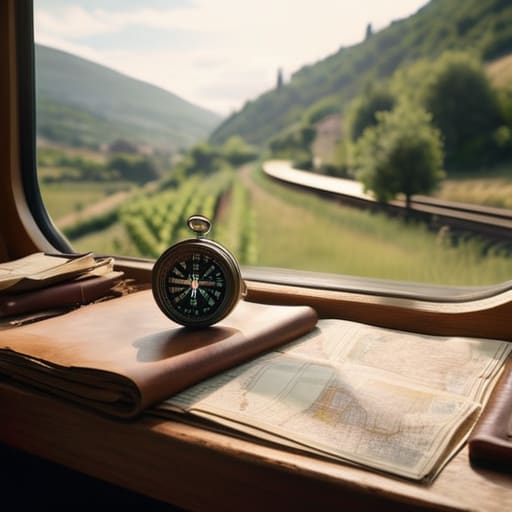
Deciding between an Interrail pass and buying individual tickets is a bit like deciding whether to follow a blueprint or simply let the wind take you. If you’re someone who likes to know exactly where your feet will land each morning, booking specific tickets in advance can be quite efficient. It’s a solid strategy for budgeting for European train trips, as those early-bird fares are often much kinder to the wallet. However, there is a certain rigidity to it that can feel a bit like my old engineering days—everything planned, everything measured, and very little room for a spontaneous detour when a village looks particularly inviting from the window.
On the other hand, weighing Interrail vs point-to-point tickets often comes down to how much you value the freedom to change your mind. With a pass, I find I can sit in a sun-drenched station in Provence, sketch a few lines in my notebook, and decide on a whim to head toward the coast instead of the mountains. You lose a little bit of that granular cost control, but you gain the ability to follow your curiosity without feeling like you’re breaking a schedule.
A Few Small Truths for the Rails
- Pack light, and I mean truly light. I’ve learned the hard way that wrestling a massive suitcase up narrow station stairs is no way to start a morning. A sturdy, well-worn rucksack is your best friend; it keeps your hands free for your camera or a good book.
- Embrace the art of the station cafe. Don’t feel the need to sprint for the platform the moment your train is announced. Find a small table, order a coffee, and watch the world go by for twenty minutes. Those quiet observations are often better than the destination itself.
- Keep a physical map or a printed itinerary tucked in your notebook. Technology is a marvel, certainly, but a phone battery dying in the middle of the French countryside is a stress no one needs. There’s a certain peace in knowing exactly where you are without a glowing screen.
- Don’t be afraid of the “wrong” direction. Sometimes, the most beautiful views aren’t found in the grand capitals, but in the small, unnamed stops where the locals get off to buy fresh bread. If a station looks charming, get off and walk a bit.
- Pack a small kit for the long stretches. A good pair of noise-canceling headphones, a heavy sweater for the air conditioning, and perhaps a small sketchbook. These aren’t just accessories; they are the tools that turn a mere transit period into a moment of genuine reflection.
A Few Reminders for the Road Ahead
Don’t let the schedule dictate your mood; if a particular station feels special, or a view out the window is too beautiful to miss, give yourself permission to linger.
Choose your tickets based on the rhythm you want to keep, whether that’s the flexibility of a pass or the steady certainty of a single, long-planned route.
Pack light, bring a good book, and remember that the most meaningful parts of the trip often happen in the quiet gaps between the destinations.
The View from the Window Seat
There is a particular kind of peace you can only find when you stop checking your watch and start watching the light change over the Alps; on a train, you aren’t just moving between places, you’re finally giving yourself permission to arrive.
Bernard Oyelaran
The View from the Last Station
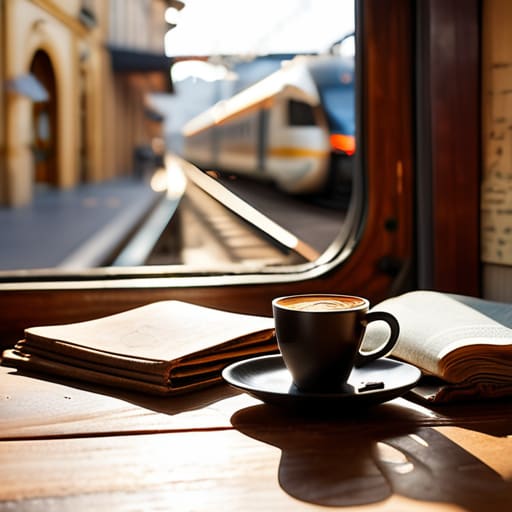
As I sit here in a small café in Lyon, looking over my notes, I realize that choosing between a Eurail pass or individual tickets isn’t just about the math or the logistics of the journey. It’s about deciding how much of yourself you want to leave to chance. Whether you prefer the unfettered flexibility of a pass that lets you wander into a random station when the light looks just right, or the structured certainty of a point-to-point ticket, the goal remains the same. You aren’t just moving from one coordinate to another; you are navigating the delicate balance between planning and presence, ensuring that the mechanics of travel never overshadow the beauty of the destination.
In the end, I hope you remember that the most important part of your European rail adventure won’t be found in a guidebook or a digital itinerary. It will be found in those unplanned moments—the way the golden hour light hits the Tuscan hills through a dusty window, or the shared nod of a stranger in a quiet dining car. Don’t be in such a hurry to check every city off your list that you forget to actually be where you are. Pack your bags, grab a sturdy pair of walking shoes, and remember: the journey is the destination, even if you never quite reach the end of the line.
Frequently Asked Questions
How do I handle the logistics of heavy luggage when moving between different train stations?
I’ll be honest: nothing kills the spirit of a slow journey quite like wrestling a heavy suitcase up a flight of stone stairs. My rule is simple—pack light. If you must bring more, stick to sturdy, four-wheeled spinners that glide. I always try to book stations with elevators or ramps, and I never schedule tight connections. Give yourself an extra thirty minutes just to breathe and move your gear without the frantic rush.
Are there specific times of day or certain routes that are better for avoiding the crowds and finding those quiet moments?
If you want to escape the rush, aim for those early morning departures—around 6:30 or 7:00 AM. There’s a particular stillness in a station before the world wakes up. I’ve found that secondary regional lines, rather than the high-speed corridors, offer the best views and the fewest crowds. They move a bit slower, sure, but that’s exactly the point. It gives you time to pull out your notebook and just… be.
Do I need to make seat reservations in advance for the high-speed lines, or can I just hop on and find a spot?
If you’re planning to hop on those sleek high-speed lines—the TGV or the Eurostar, for instance—you can’t quite just wander on. They do require a seat reservation, and I’d suggest booking those a bit ahead of time. There’s nothing quite as jarring as standing in a crowded vestibule with your camera gear when you were expecting a quiet corner and a view. Secure your seat early; it keeps the journey steady.
