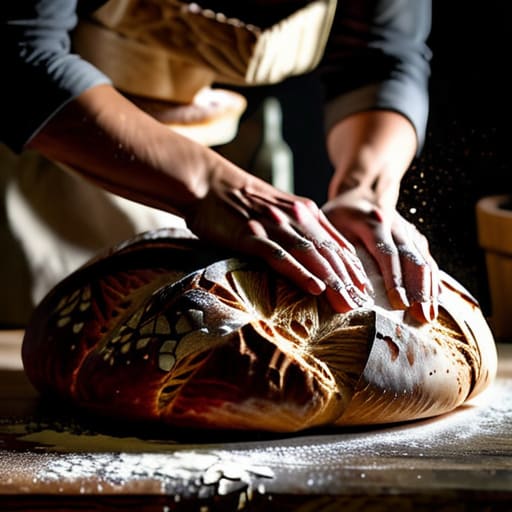
I remember sitting in my workshop last Tuesday, the scent of flour and yeast hanging heavy in the air, much like the dust used to settle over a construction site at the end of a long shift. I was staring at a loaf that looked more like a dense, uninspired brick than anything remotely edible. It’s easy to get discouraged when you realize that artisan bread making isn’t just about following a recipe printed on a glossy page; it’s about the feel of the dough under your palms and the patience to wait when your stomach is telling you to hurry.
I’m not here to sell you on some expensive, high-tech gadget or a dozen specialized tools you’ll never use. My goal is to strip away the pretension and get back to the basics of what actually works. I want to share the honest, unvarnished lessons I’ve learned through trial, error, and a fair amount of wasted flour. We’re going to focus on the steady rhythm of the process, ensuring that when you finally pull that golden, crackling loaf from your oven, it’s a moment of genuine reward rather than a stressful chore.
Table of Contents
Nurturing Wild Yeast Cultivation Like a Quiet Friend
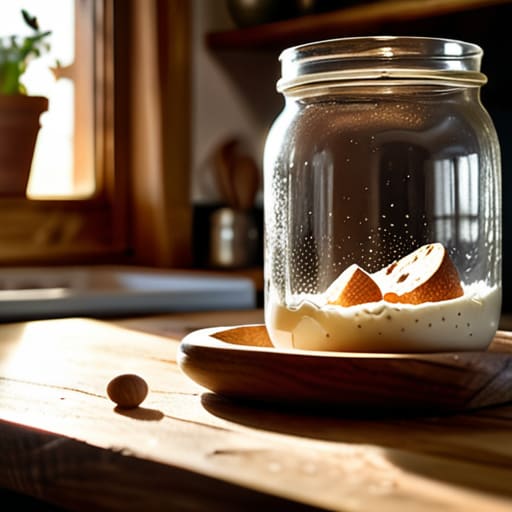
Nurturing a starter isn’t like following a blueprint for a bridge; there’s no rigid set of tolerances to hit. Instead, it feels more like tending to a small, living companion. I’ve found that wild yeast cultivation requires a certain level of patience that my younger, more hurried self would have lacked. You feed it, you watch for those tiny bubbles, and you learn to read its temperament. Some days it seems eager and lively; other days, it’s sluggish, perhaps needing a bit more warmth or a different kind of flour to find its footing.
I often find myself sitting at my kitchen table, sketching the way the light hits the flour dust in the air, thinking about how much this process mirrors the slow rhythm of a good life. There is a profound sense of connection in the long fermentation process, where time does the heavy lifting that no machine could ever replicate. You aren’t just making food; you are participating in a slow, ancient conversation between the air, the grain, and your own steady hands.
The Patience Found in a Long Fermentation Process
There is a particular kind of stillness that settles over a kitchen when you commit to a long fermentation process. In my engineering days, we were always fighting the clock, pushing crews to meet deadlines and beat the elements. But bread doesn’t care about your schedule. It moves at its own pace, dictated by temperature and time. I’ve found that letting the dough sit in the cool of the refrigerator overnight does more than just develop those complex, tangy flavors; it teaches you a lesson in letting go of control.
As the hours pass, you stop checking your watch and start watching the dough. You look for those tiny, rhythmic bubbles signaling life. Dealing with a high hydration dough can be a bit temperamental—it’s sticky, unruly, and seems to have a mind of its own—but there is a profound satisfaction in working with something so alive. It requires a gentle touch and a steady hand, much like the slow restoration of one of my old Leica cameras. You can’t force the result; you can only provide the right environment and wait for the magic to happen.
Small Lessons from a Flour-Dusted Countertop
- Don’t be afraid to get your hands dirty. There’s a certain tactile honesty in feeling the dough; you can sense its strength and its readiness through your fingertips in a way a kitchen timer never could.
- Invest in a decent scale rather than relying on measuring cups. In my engineering days, precision was everything, and I’ve found that bread is much more forgiving when you treat the flour and water with a bit of mathematical respect.
- Learn to listen to the crust. When you pull a loaf from the oven, listen for that faint, rhythmic crackling—the “song” of the bread. It’s a small, fleeting reward for all those hours of waiting.
- Temperature is your silent partner. A drafty kitchen or a sudden heatwave will change the rhythm of your dough, so keep a close eye on the environment; it’s just as much an ingredient as the salt is.
- Forgive yourself when a loaf fails. I’ve had many a dense, heavy brick come out of my oven, but even a failed loaf makes for decent toast. The goal isn’t perfection; it’s the practice.
Lessons from the Flour and the Fire
Respect the clock, but listen to the dough; timing is a suggestion, but the texture of the bread will tell you when it’s truly ready.
Embrace the mess and the unpredictability, for the most beautiful crusts often come from the moments where things didn’t go exactly to plan.
Find joy in the sensory details—the dusting of flour on the counter, the scent of yeast in the air, and the rhythmic sound of a crust crackling as it cools.
The Lesson in the Crust
“In my engineering days, I was always chasing deadlines and rigid tolerances, but a loaf of sourdough doesn’t care about your schedule; it teaches you that true substance only comes when you stop trying to force the result and start listening to the rhythm of the flour and the water.”
Bernard Oyelaran
The Final Crust
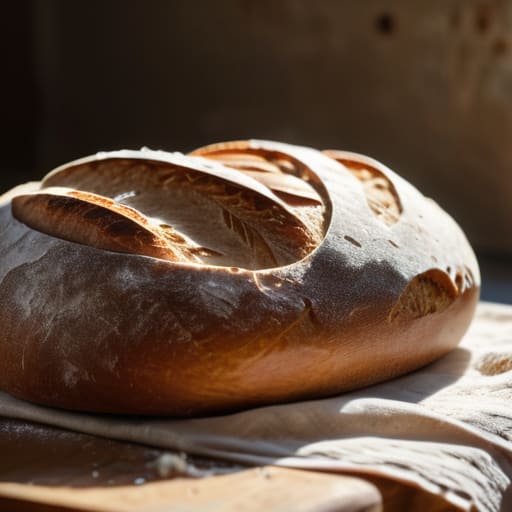
When you finally pull that loaf from the oven, you aren’t just looking at a piece of food; you are looking at the culmination of a slow, deliberate process. From the delicate dance of nurturing your wild yeast to the quiet, necessary hours of a long fermentation, every step has been an exercise in intentionality. It is easy to get caught up in the modern urge to find the fastest route from A to B, but bread teaches us that the shortcuts often lead to a hollow result. By respecting the biology of the dough and the natural rhythm of time, you create something that possesses a depth of flavor and a soul that a store-bought loaf simply cannot mimic.
As I sit here at this small wooden table, watching the steam rise from a fresh slice, I am reminded of why I started writing these notes in the first place. Making bread is a way to reclaim your attention from a world that is constantly trying to steal it. It is a way to practice being present, one fold of the dough at a time. I hope that as you move into your own kitchen, you find more than just a recipe; I hope you find a moment of stillness. Remember, the goal isn’t perfection—it’s the simple joy of a warm crust and a quiet afternoon.
Frequently Asked Questions
How do I know if my sourdough starter is actually healthy enough to bake with, or if it's just sitting there dormant?
It’s a bit like checking the pulse of an old friend. You’re looking for signs of life, not just stillness. I usually look for those tiny, celebratory bubbles clinging to the sides of the jar. If it’s doubled in size after a feeding and smells more like a bright, tangy yogurt rather than something sharp or sour, it’s ready. If it’s active and bubbly, it’s got the spirit to bake.
Is it really necessary to use a Dutch oven, or can I achieve that same crusty texture in a regular home oven?
You don’t strictly need a Dutch oven, though I’ll admit it’s a fine piece of kit. If you’re looking to skip it, the trick is mimicking that trapped steam. I usually place a heavy pan on the bottom rack and pour in some boiling water right after the loaf goes in. It’s a bit more work, and you have to be careful with the steam, but it gets you that lovely, crackling crust.
What should I do if my dough feels too sticky to handle—should I keep adding flour, or is there a better way to manage it?
It’s tempting to reach for the flour bag when things get messy, but resist that urge. Adding too much flour is like over-engineering a bridge with unnecessary weight; you’ll end up with a heavy, dense loaf. Instead, try a few “slap and folds” on the counter or just give it some time. Often, the dough just needs a little more strength and hydration to find its rhythm. Trust the process; let the hands do the work.
