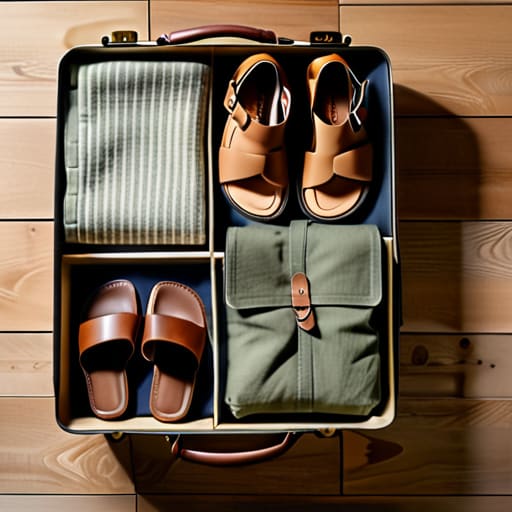
I remember sitting on the edge of a narrow hotel bed in Florence last autumn, staring at a suitcase that looked more like a crime scene than a collection of belongings. I had spent forty minutes digging through a chaotic heap of fabric just to find a single clean pair of socks, feeling my blood pressure rise while the evening light faded beautifully outside my window. It was a frustrating reminder that poor packing organization doesn’t just waste space; it steals your peace of mind right when you should be settling in.
I’m not here to sell you on those expensive, neon-colored plastic cubes or some complicated system that requires a degree in logistics to operate. Instead, I want to share a few practical, tried-and-true methods I’ve gathered from decades of traveling—some learned the hard way on construction sites and others while wandering through quiet European villages. I promise to show you how to arrange your things so that you can spend less time wrestling with zippers and more time noticing the world around you.
Table of Contents
Minimalist Packing Techniques to Lighten Your Burden
I’ve learned over the years, both in engineering and in my travels, that weight is often just a collection of things we don’t actually need. When I’m preparing for a trip, I try to approach my suitcase with the same precision I used for a blueprint, but with much less ego. I’ve found that minimalist packing techniques aren’t about deprivation; they are about freedom. The lighter the bag, the more easily I can wander down a cobblestone alley or find a quiet bench to sketch a passing landscape without feeling tethered to a heavy burden.
One of the most practical habits I’ve picked up is the debate of rolling vs folding clothes. I’ve found that rolling my cotton shirts and linens actually keeps the wrinkles at bay while utilizing every bit of nook and cranny in the bag. If you’re looking to shave off a few pounds, I highly recommend a few travel compression bags for your heavier items like sweaters. They do a marvelous job of squeezing out the excess air, leaving you with more room for that extra book or a small, local trinket you might find along the way.
An Efficient Suitcase Layout for a Calm Arrival
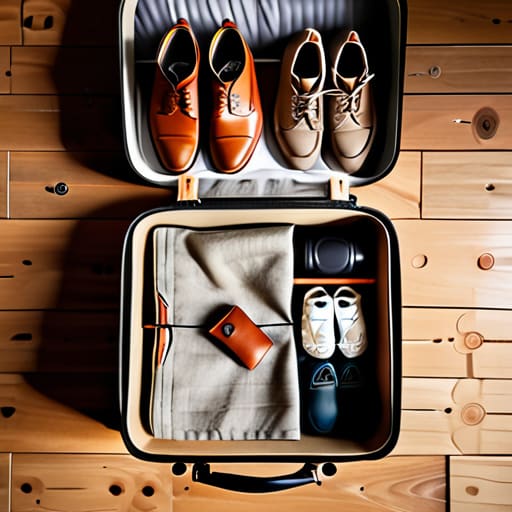
Once you’ve decided on what truly needs to come along, the real work begins: arranging the pieces of your journey. I’ve found that a chaotic suitcase leads to a chaotic mind, especially when you’re navigating a busy train station or a cobblestone street. I like to think of my luggage like a well-planned bridge project—everything needs its proper foundation. I usually start with the heavier items, like my camera gear or a sturdy pair of walking shoes, tucked deep against the wheels. This keeps the weight centered and prevents the bag from tipping awkwardly.
When it comes to the smaller details, I’ve spent quite a bit of time debating the merits of rolling vs folding clothes. While folding looks neater in a drawer, rolling my linen shirts and cotton tees seems to save much more room and keeps the wrinkles at bay. For my more delicate items, I rely on a few travel compression bags to keep things tidy. It’s not about being rigid; it’s about creating an efficient suitcase layout so that when I finally arrive at my destination, I can simply unpack, sit down, and focus on the view rather than digging through a mountain of fabric.
A Few Small Habits for a Lighter Load
- I’ve learned the hard way that a heavy bag is a heavy mind. Before you even touch a suitcase, lay everything out on the bed and ask yourself if that extra pair of shoes is truly worth the strain on your shoulders when you’re walking those cobblestone streets.
- Group your things by the “rituals” of your day. Put your toiletries in one dedicated pouch and your chargers in another; there is a particular kind of peace that comes from knowing exactly where your glasses or your notebook is without having to dig through a mountain of cotton.
- Roll your clothes instead of folding them. It’s a simple trick I picked up years ago, but it keeps things from wrinkling too badly and, more importantly, it lets you see everything you’ve packed at a single glance, like a well-organized blueprint.
- Don’t forget a small, dedicated space for the things you pick up along the way. Whether it’s a smooth stone from a riverbed or a local postcard, having a little nook in your bag prevents your organized system from turning into a cluttered mess by day three.
- Always leave a little “breathing room” in your luggage. I used to pack to the very brim, but now I leave a bit of empty space—not just for souvenirs, but to give my belongings a little room to settle so nothing feels crushed or rushed.
A Few Things to Carry With You
Don’t pack for every possible “what if” that might cross your mind; instead, pack for the person you want to be on this trip—someone who is ready to walk, eat, and observe.
Treat your suitcase like a well-managed project, where every item has its proper place, ensuring you aren’t digging through chaos when you should be looking for a quiet cafe.
Remember that the lightest load isn’t just about physical weight, but about the mental freedom that comes from knowing you have exactly what you need and nothing more.
The Weight of What We Carry
I’ve learned that a suitcase shouldn’t be a cluttered storage unit for everything you might possibly need; it should be a carefully curated collection of what will actually serve you, leaving plenty of room for the unexpected scenery and the quiet moments you haven’t even planned for yet.
Bernard Oyelaran
The Weight We Choose to Carry
As I sit here at this small cafe in Porto, looking over my notes, I realize that organizing a suitcase is about much more than just finding a place for every sock. By embracing a minimalist approach and being intentional about how we layer our belongings, we aren’t just saving space; we are protecting our peace of mind. Whether it’s through the clever use of packing cubes or simply deciding that we don’t need three different heavy coats for a week in the sun, the goal is to arrive at our destination feeling light. When you don’t have to spend your first hour in a new city wrestling with a jammed zipper or digging through a chaotic mess, you have more energy to actually engage with the world around you.
At the end of the day, remember that the most important thing you bring with you isn’t tucked inside a compression bag. It’s your curiosity and your willingness to be present. Don’t let the logistics of travel become a barrier to the experience itself. Pack with care, keep things simple, and then leave the heavy lifting to the journey. Once that bag is zipped, let it go. Your task isn’t to manage your luggage; it’s to savor the view and find the beauty in the quiet, unplanned moments that await you just beyond the hotel door.
Frequently Asked Questions
How do you manage to keep your sketches and delicate camera gear safe from being crushed by your clothes?
I’ve learned the hard way that you can’t just toss a Leica into a pile of linen shirts and hope for the best. I always use a small, padded tech pouch for my lenses, tucked right in the center of my suitcase. For my leather notebook, I slip it into a dedicated side pocket or a sturdy folder. I treat my gear like the foundation of a bridge—it needs a solid, protected place to rest.
When you're traveling for a longer stretch, how do you decide which items are truly essential and which ones are just clutter?
I’ve learned that if I haven’t reached for something in my own house for a month, I certainly won’t need it halfway across the world. I sit with my notebook and make two columns: “Necessities” and “Comforts.” If it’s a “comfort”—like that extra heavy book or a third pair of shoes—it has to earn its spot by being truly vital to my peace of mind. If it’s just clutter, let it stay home.
Do you have a particular way of organizing your things so you aren't constantly digging through your bag in the middle of a quiet meal?
I’ve learned the hard way that digging through a cluttered bag is a quick way to ruin a peaceful moment. I swear by small, clear pouches—one for my camera lenses, one for my notebook and pens, and another for my medications. I keep these in the same spot every time. It keeps the chaos contained, so when I’m sitting at a quiet bistro, I can find exactly what I need without disturbing the stillness.
