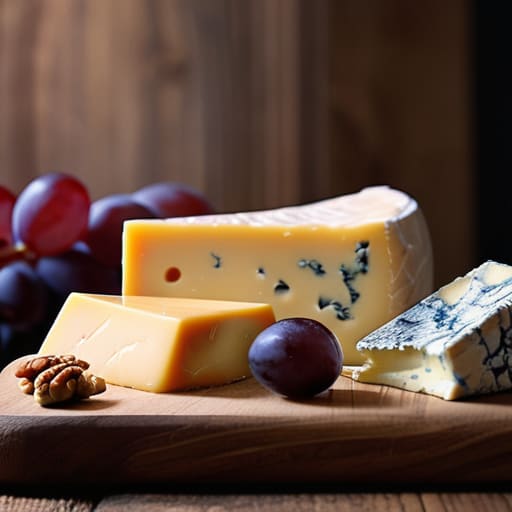
I was sitting in a small, sun-drenched deli in the hills of Tuscany last Tuesday, watching a young man try to explain the “complex molecular structure” of a simple wedge of Pecorino to his companion. It was all sorts of pretentious jargon, the kind of high-flown nonsense that makes a simple pleasure feel like a chore. People have a funny way of making things complicated just to justify a higher price tag, but the truth is, you don’t need a degree to appreciate the vast world of cheese varieties. You just need a bit of patience and a willingness to actually taste what’s in front of you without the lecture.
I’m not here to give you a lecture or a list of overpriced trends that will be forgotten by next season. Instead, I want to share what I’ve learned from years of slow travel and even slower meals: how to recognize the soul of a good cheese. I’ll walk you through several distinct cheese varieties based on how they actually feel on the palate and how they pair with a quiet afternoon. My goal is to help you find those honest, reliable flavors that make a simple cracker and a slice of cheddar feel like a feast.
Table of Contents
The Gentle Rhythm of Milk Types in Cheesemaking
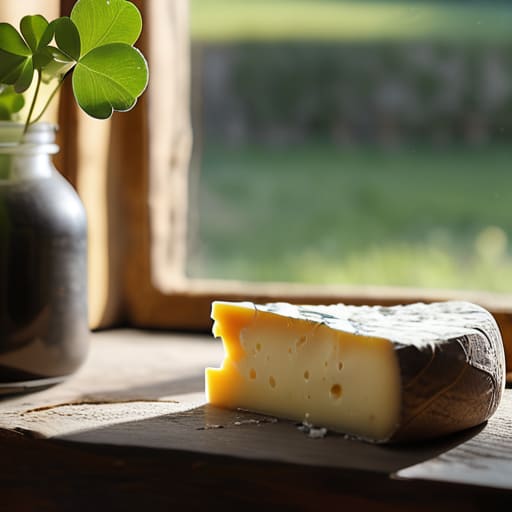
I’ve always found that understanding the foundation of a good wedge starts with the source. When I’m sitting in a quiet cafe, sketching the light hitting a window, I find myself thinking about the subtle shifts in milk types in cheesemaking. It isn’t just about the animal; it’s about the season and the pasture. A cow grazing on lush, spring clover will produce a milk that yields a creamier, more floral result than one eating dry hay in late August.
There is a certain honesty in how the milk dictates the final character. Sheep’s milk, for instance, carries a richness that feels almost heavy on the tongue, perfect for those more robust cheese flavor profiles I enjoy during a long lunch. Goat’s milk offers that bright, tangy snap that cleanses the palate. Whether you are leaning toward the delicate nature of an aged goat cheese or the pillowy softness of a fresh buffalo mozzarella, it’s these fundamental differences that create the beautiful variety we see on our plates. It’s a reminder that even the most complex things have very simple, grounded beginnings.
A Slow Study of Diverse Cheese Flavor Profiles
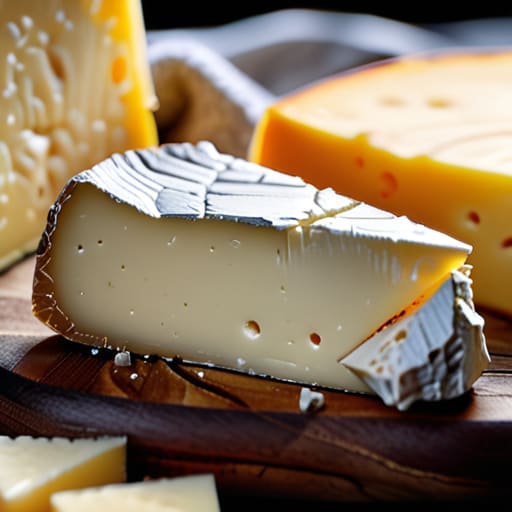
When I sit down with a new wedge, I find it best to start with the extremes. There is a certain honesty in the contrast between aged vs fresh cheese that reminds me of the difference between a sturdy old bridge and a new garden path. A fresh goat cheese is bright and fleeting, almost like a morning mist, while an aged Gruyère demands your full attention with its crystalline crunch and deep, nutty resonance. I’ve learned that you can’t rush through these nuances; you have to let them sit on your palate until the complexity reveals itself.
As I sketch the shadows lengthening across my table, I often find myself contemplating the vast spectrum of cheese flavor profiles. It isn’t just about salt or cream; it’s about the story of the land. Some cheeses carry a sharp, grassy tang that speaks of spring pastures, while others offer a mellow, earthy funk that feels like a warm hearth on a cold Michigan evening. To truly understand them, you have to embrace the slow, deliberate act of tasting, letting each note linger just a moment longer than necessary.
Five Small Ways to Savor Your Next Cheese Board
- Don’t rush the temperature; let your cheese sit out on the counter for about thirty minutes before you dive in. Cold cheese hides its character, but at room temperature, those subtle notes of cream and earth finally find their voice.
- Try to find a bit of contrast to keep your palate awake. If you’ve picked out a sharp, aged cheddar, pair it with something soft like a ripe pear or a dollop of honey to balance that bite.
- Pay attention to the textures. I always find that a good spread needs a mix—something crumbly, something velvety, and perhaps something firm. It makes the whole experience feel more substantial.
- Keep your knife selection simple but intentional. Using the same knife for a soft Brie and a hard Gruyère can muddy the flavors, much like using a heavy-duty wrench when a fine screwdriver is what the job calls for.
- Most importantly, leave the phone in your pocket. Pick a piece, look out the window, and actually taste the nuance. There’s no prize for finishing the plate quickly.
Finding the Heart of the Cheese Board
Don’t rush the tasting; let a piece of cheese sit on your tongue for a moment to see how the flavor shifts from sharp to creamy.
Pay attention to the story behind the milk, whether it’s the richness of a cow’s cream or the distinct tang of a goat’s milk, as it dictates the soul of the cheese.
Use your cheese selection as an excuse to slow down, pairing a simple wedge with a quiet corner and a bit of uninterrupted time.
## The Architecture of a Single Bite
You don’t need a grand banquet to understand the world; sometimes, all it takes is sitting quietly with a wedge of something well-aged and realizing that a single, sharp note of salt or a hint of cream is just as complex and storied as any landscape I’ve ever sketched.
Bernard Oyelaran
Finding the Heart of the Board
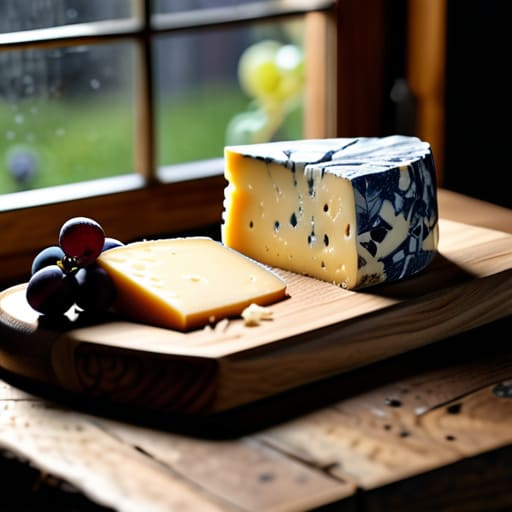
As I sit here by the window, looking over my notes, it becomes clear that choosing a cheese isn’t just about picking a snack; it’s about understanding the entire journey from the pasture to the plate. We’ve looked at how the simple type of milk—be it the creaminess of cow’s milk or the tang of goat’s—sets the foundation, and how those distinct flavor profiles can range from a sharp, biting blue to a soft, yielding brie. It is a complex, beautiful architecture of taste that mirrors the very infrastructure I used to build, only far more delicious and nuanced.
My advice to you is simple: the next time you find yourself standing in the deli aisle, don’t just grab the first thing that looks familiar. Slow down. Pick up a wedge of something you can’t quite name, take it home, and give it the respect of a quiet moment. Whether it’s a hard, crystalline aged cheddar or a velvety Camembert, let it tell you its story. After all, life is far too short to rush through the things that are meant to be truly savored. Just remember, a little patience and a good cracker can make even the simplest afternoon feel like a small triumph.
Frequently Asked Questions
How can I tell if an aged cheese is truly worth the extra time and effort it takes to find a good piece?
Look for the small things. When I’m at a local creamery, I look for those tiny, crunchy crystals—those little bursts of tyrosine that signal a cheese has truly matured. If the texture feels alive, moving from a firm bite to a slow, creamy melt on your tongue, you’re on the right track. If it leaves a lingering, complex finish that makes you want to sit quietly for a moment longer, it’s worth every penny.
Are there certain types of cheese that pair particularly well with a quiet afternoon of sketching or reading?
When I’m sitting with my notebook, I tend to reach for something mellow—a creamy Brie or a mild Gruyère. You don’t want a pungent Roquefort distracting you from the lines of a landscape or a good chapter. I find that a soft, nuttier cheese allows the mind to wander without being overwhelmed. It’s about finding that balance where the flavor complements the silence rather than competing with it.
When I'm at a local market, how can I distinguish between a mass-produced cheese and one that has been made with a bit more soul and intention?
When I’m wandering through a local market, I don’t look at the labels first; I look at the edges. Mass-produced cheese is too perfect, too uniform, like a blueprint with no room for error. But a cheese with soul? It has character. Look for slight irregularities in the rind or a texture that isn’t perfectly smooth. Most importantly, ask the maker about the season. If they can tell you how the pasture changed, you’ve found something special.
