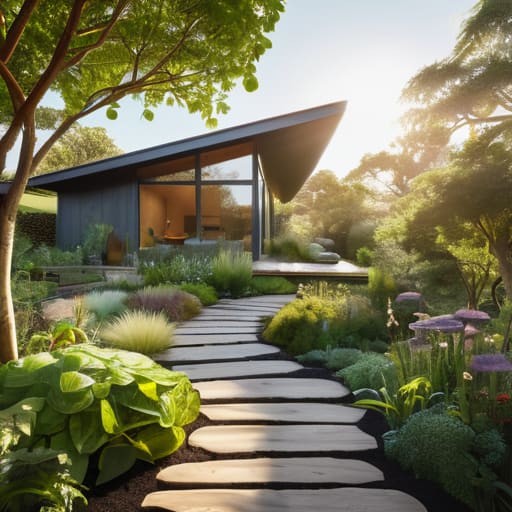
I was sitting on my back porch last Tuesday, watching a heavy rain soak into the flowerbeds, when I saw another one of those glossy, expensive “permaculture kits” being hauled into my neighbor’s yard. It felt a bit like watching someone try to build a skyscraper with nothing but a handful of fancy, pre-packaged bricks and a dream. There is this modern misconception that mastering permaculture principles requires a massive upfront investment in high-tech gadgets or a degree in ecological engineering. To my mind, that’s just noise. We’ve been taught to believe that nature needs to be managed with expensive tools, when in reality, the most profound lessons usually come from simply observing how the water finds its own way home.
I’m not here to sell you on a lifestyle overhaul or a complicated system that requires you to spend every waking hour in the dirt. Instead, I want to share what I’ve learned by watching the seasons turn and the soil settle. I promise to give you some straightforward, practical wisdom on how to work with the land rather than against it. We’ll skip the jargon and focus on the slow, steady rhythms that actually make a garden thrive.
Table of Contents
Finding Peace Through Permaculture Design Ethics

When I first sat down with my notebook in a small community garden outside of Ann Arbor, I realized that these ideas weren’t just about where to plant the tomatoes. At the heart of it all are the permaculture design ethics, which act much like the blueprints I used to rely on in my engineering days—only much more soulful. It isn’t about conquering a piece of land; it’s about tending to a relationship between yourself and the earth. You start by learning to care for the place, then for the people around you, and finally, for the future.
I’ve found that this mindset shifts how you see a simple backyard. Instead of seeing a mess of weeds, you start to see the potential for biodiversity in food forests, where every insect and bird has a purpose. It’s a way of working with nature rather than against it. When you stop trying to force the landscape into a rigid, artificial shape, you finally begin to notice the quiet, steady rhythm of the seasons. It turns a chore into a form of meditation.
The Quiet Art of Permaculture Zone Planning
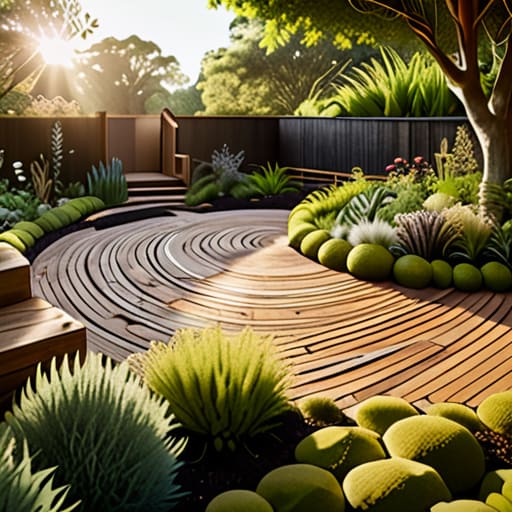
When I first started looking into permaculture zone planning, I’ll admit I approached it like one of my old engineering projects—with a ruler, a blueprint, and a rigid sense of efficiency. I thought I needed to map out every square inch to ensure maximum productivity. But as I sat on my porch watching the way the light hit the garden, I realized that nature doesn’t work in straight lines or strict grids. It works in circles, and more importantly, in layers of frequency.
The real trick isn’t about forcing the land into a specific shape; it’s about placing things where they actually belong in your daily rhythm. I’ve started moving my most finicky herbs and salad greens closer to the kitchen door—what they call Zone 1—so I can check on them while the kettle boils. Meanwhile, the heavier lifting, like the fruit trees and more robust biodiversity in food forests, can stay further out where they can grow undisturbed. It’s less about managing a site and more about designing for ease, ensuring that the garden works with your movements rather than against them.
Five Ways to Listen to the Land
- Stop trying to conquer the terrain. When I was managing construction sites, we always wanted to flatten everything out, but nature doesn’t work that way. Instead, look at how the water naturally flows across your yard and work with those dips and rises rather than fighting them with concrete.
- Observe before you act. It’s tempting to run out and buy a dozen different plants on a whim, but I’ve learned it’s better to sit on the porch with my notebook for a few weeks first. See where the sun actually hits in July and where the wind bites hardest in November.
- Embrace the “messy” edges. We often think a tidy garden is a healthy one, but there’s a lot of life happening in those unkempt borders where the hedge meets the meadow. Those little pockets of wildness are often where the most interesting work gets done.
- Think in cycles, not straight lines. In my old job, everything was about a start date and an end date, but a garden is a circle. What looks like waste today—like fallen leaves or kitchen scraps—is really just the fuel for next year’s growth.
- Start small enough to actually enjoy it. There is no sense in digging up half an acre if it’s just going to become another chore on a list. Pick one small corner, get to know the soil there, and let the rest of the garden grow out of that single, successful spot.
Lessons Learned from the Soil
Don’t try to outsmart nature with heavy machinery or rigid blueprints; instead, spend time observing how the light hits your patch of earth and let the land tell you where it wants to breathe.
True sustainability isn’t about a complex system of gadgets, but about creating small, interconnected loops where nothing is wasted and every element has a quiet purpose.
Approach your garden—and your life—with patience, understanding that the most resilient growth happens when we stop forcing the pace and start working with the natural rhythms already in motion.
## On Listening to the Land
“Permaculture isn’t about imposing your will upon a patch of dirt; it’s more like sitting on a porch and finally learning how to listen to what the wind and the soil have been trying to tell you all along.”
Bernard Oyelaran
The Slow Work of Growing Together

Looking back at what we’ve discussed, it’s clear that permaculture isn’t just a set of technical rules for arranging plants or managing water. It is a way of seeing. By leaning into the ethics of care, respecting the natural zones of our lives, and understanding how every small element connects to the next, we move away from the old way of forcing nature to obey. Instead, we begin to work with the rhythms that are already there. Whether you are planning a small raised bed or just rethinking how you interact with your local environment, the goal is to build a system that is resilient, thoughtful, and deeply integrated with the world around it.
As I sit here in this little cafe, sketching the way the light hits the cobblestones, I’m reminded that nothing worth having happens overnight. A garden, much like a well-lived life, requires patience and a willingness to observe before acting. Don’t feel like you have to transform your entire backyard by the end of the weekend. Just start by noticing the details—the way the wind moves through the trees or how the soil feels between your fingers. If you take it one small, intentional step at a time, you might find that you aren’t just growing a garden; you are cultivating a sense of peace that stays with you long after the sun goes down.
Frequently Asked Questions
How do I start applying these principles if I only have a small patio or a few window boxes rather than a large plot of land?
Don’t let a lack of acreage fool you; permaculture isn’t about the size of the dirt, but the intention behind it. I’ve found that even a few window boxes can become a tiny, thriving ecosystem. Start by observing how the sun hits your patio throughout the day—that’s your first lesson in design. A single pot of herbs or a small container garden is plenty to begin practicing that slow, steady rhythm of working with nature.
Does following these natural rhythms mean I have to give up the traditional look of a manicured garden?
Not at all. I used to think a “good” garden had to look like a blueprint—straight lines and perfectly trimmed hedges. But after years of looking at rigid structures, I’ve learned that nature has its own kind of order. You can certainly have a tidy space; it just looks a bit more intentional and less forced. Think of it as guiding the growth rather than policing it. It’s about grace, not chaos.
How much time and physical energy does it actually take to maintain a system like this once it's established?
That’s the question that usually stops people in their tracks, isn’t it? After thirty years of managing heavy construction, I’ve learned that the hardest work is often the setup. Once the system finds its rhythm, the heavy lifting fades. You aren’t fighting the land anymore; you’re just tending to it. It shifts from grueling labor to a gentle, daily ritual—a bit of pruning here, a check on the soil there. It’s restorative, not exhausting.
