
I remember sitting in a dusty site trailer back in ’94, shoveling lukewarm chili into my mouth while staring at blueprints and listening to the roar of a diesel generator. I wasn’t tasting the cumin or the heat of the peppers; I was just fueling a machine. We’ve been taught that eating is something to be optimized, scheduled, or even managed like a construction deadline, but in our rush to get back to work, we’ve completely lost the soul of the meal. I’m tired of seeing people treat mindful eating habits like some expensive, complicated ritual involving meditation apps and overpriced superfoods.
I’m not here to sell you on a lifestyle overhaul or a list of restrictive rules. Instead, I want to share what I’ve learned from years of slow travels and quiet mornings: how to actually savor the moment without making it a chore. I’ll be sharing a few simple, common-sense ways to reconnect with your food, grounded in the belief that a little bit of intention can turn a basic lunch into a genuine moment of peace.
Table of Contents
Learning How to Practice Mindful Eating Techniques
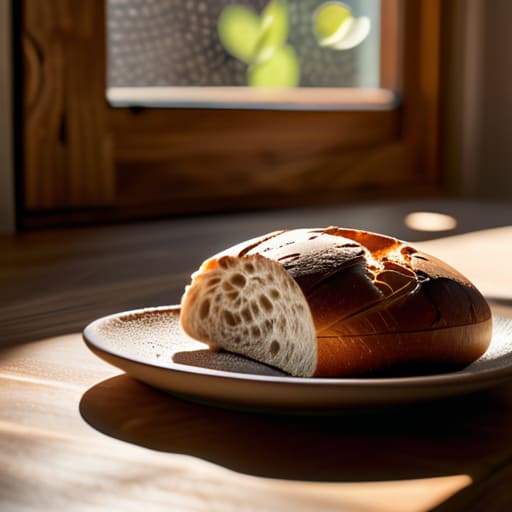
I’ve found that the hardest part isn’t the concept, but the actual execution. It’s easy to talk about being present, but much harder when you’re halfway through a sandwich and realize you haven’t actually tasted a single bite. One way I’ve started to bridge that gap is by focusing on satiety signals and hunger cues. Instead of eating until the plate is bare just because it’s there, I try to pause halfway through. I take a moment to check in with my stomach—asking myself if I’m actually still hungry or if I’m just eating out of habit.
Another trick I use, which helps quite a bit with my digestion, is the simple act of putting my fork down between bites. It feels a bit formal at first, almost like I’m back in a boardroom, but it forces a rhythm of slow eating and food appreciation. When you stop racing against the clock, you start noticing the subtle textures and the way the flavors shift. It turns a mundane lunch into something much more substantial, something worth the time it takes to enjoy it.
Listening to Satiety Signals and Hunger Cues
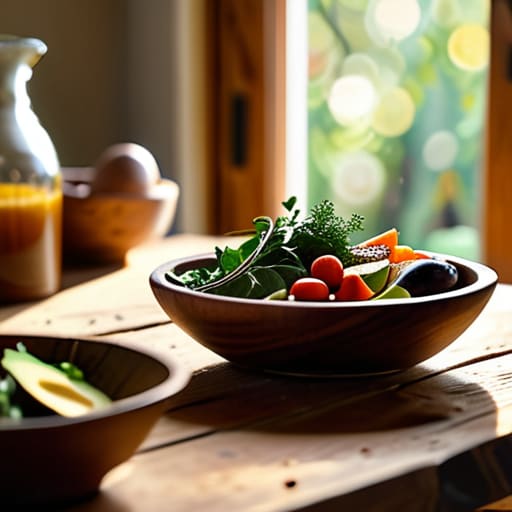
I remember back when I was managing construction sites, lunch was often something I inhaled while looking at blueprints. I wasn’t eating; I was just refueling. It took me years to realize that my body was trying to tell me something, but I was too busy to listen. Now, I try to treat my stomach like a steady compass rather than a noisy alarm. Learning to recognize satiety signals and hunger cues is perhaps the most important part of this whole journey. It’s about distinguishing that true, physical need for nourishment from that restless, hollow feeling we often mistake for hunger.
Sometimes, that restlessness isn’t actually about food at all. I’ve found myself reaching for a snack just because I was feeling a bit unsettled by a long day of travel or a minor frustration. That’s the tricky line between emotional eating vs mindful eating. When I sit down now, I take a moment to check in: “Am I actually hungry, or am I just bored or tired?” By slowing down and paying attention to those internal signals, I find I can enjoy my meals much more without that heavy, overfull feeling that used to ruin my afternoons.
A Few Small Ways to Slow the Clock at the Table
- Put the phone in another room. I used to think I could scroll through the news while eating, but all it did was turn my lunch into a blur. When I leave the screen behind, I actually notice the steam rising from my coffee or the way the light hits my plate.
- Try using smaller utensils. It sounds a bit silly, but using a smaller spoon forces you to take smaller bites. It’s a gentle way to stop the mechanical habit of shoveling food in before you’ve even had a chance to think about it.
- Engage your senses before the first bite. Before I dive in, I like to take a second to look at the colors on the plate and catch the scent of the herbs. It’s like focusing the lens on one of my old Leica cameras; it brings the whole experience into sharper focus.
- Chew more than you think you need to. I’ve found that if I really focus on the texture and the changing flavors as I chew, the meal lasts longer and feels much more substantial, even if the portion isn’t huge.
- Make a ritual of the first and last bite. I try to treat the very first bite of a meal with a bit of reverence, and I make sure the last bite is savored rather than just swallowed to clear the plate. It marks the beginning and the end of a moment worth keeping.
A Few Things to Carry With You
Don’t let the world rush you through a meal; give yourself permission to sit, stay, and actually experience what’s on your plate.
Pay attention to your body’s own quiet wisdom, learning to recognize that gentle signal of fullness before you’ve overindulged.
Treat every meal as a small opportunity to pause and find a bit of stillness in the middle of a busy day.
## A Lesson from the Table
“We spend so much of our lives rushing toward the next thing that we treat our meals like obstacles to be cleared rather than moments to be lived. I’ve found that if you stop treating your plate like a checklist and start treating it like a conversation, you’ll find much more flavor in the quiet spaces between bites.”
Bernard Oyelaran
A Final Seat at the Table
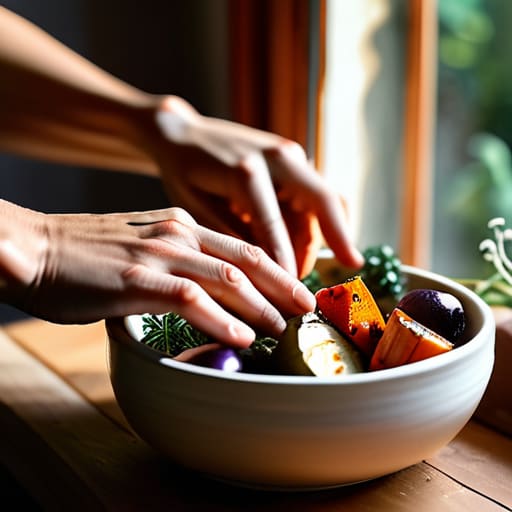
As I look back on everything we’ve discussed, it’s clear that mindful eating isn’t about following a rigid set of rules or counting every single calorie. It’s really about reclaiming your relationship with the food on your plate. We’ve talked about the importance of slowing down, the necessity of tuning into those subtle hunger and fullness signals, and how much we miss when we eat while staring at a screen. By practicing these small, intentional shifts, you aren’t just improving your digestion; you are actually learning to honor the nourishment that keeps you moving through this life.
I’ll leave you with this thought, something I’ve learned from years of watching the seasons change through a camera lens: perfection is overrated. You don’t have to get it right every single meal. Some days you’ll rush, and some days you’ll find yourself distracted, and that’s perfectly alright. The goal is simply to return to the present moment whenever you can. So, the next time you sit down to eat, I encourage you to put the phone away, take a deep breath, and truly taste the world. Life is far too short to eat it in a hurry.
Frequently Asked Questions
How do I stay focused on my food when the world around me—like a busy street or a loud cafe—is so distracting?
I’ve found that when the world gets too loud, I have to create my own little sanctuary. If I’m in a bustling cafe, I’ll pick a corner table or face a wall to limit the visual clutter. I often focus on the weight of my fork or the steam rising from my plate. It’s like focusing a camera lens—you have to intentionally narrow your field of view to find the clarity you need.
Is it possible to practice this during a quick lunch, or do I really need a long, slow meal for it to count?
That’s a fair question, and I’ve certainly been there—stuck behind a desk with a sandwich in one hand and a mouse in the other. You don’t need a three-course banquet to make it count. Even if it’s just ten minutes, try to step away from the screen. Put the phone down, take three slow breaths, and focus entirely on the texture of your food. It’s about the intention, not the duration.
I often find myself eating out of habit or boredom; how can I tell the difference between true hunger and just wanting something to do with my hands?
I used to do the same thing, especially during those long afternoons when the house felt a bit too quiet. Now, when I feel that urge to snack, I pause and ask myself: “Would I eat a plain piece of sourdough or a crisp apple right now?” If the answer is no, and I’m really just craving something salty or sweet, it’s likely just boredom. Grab your notebook instead; it keeps your hands busy.
