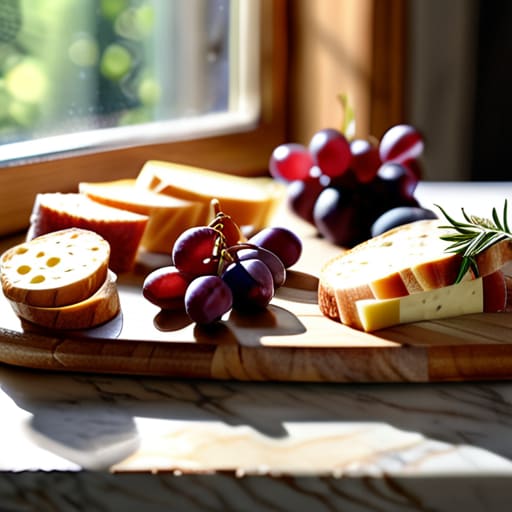
I was sitting in a small cafe in coastal Portugal last Tuesday, watching the light shift across the cobblestones, when I realized how often we rush through the best parts of a gathering. We tend to treat the beginning of a meal as a mere formality—a quick hurdle to clear before the heavy lifting of the main course arrives. But in my experience, the true soul of a dinner party lives in those quiet, lingering moments at the start. Finding the right appetizer ideas isn’t just about filling stomachs; it’s about setting the tempo for the entire evening and giving people a reason to settle in.
In the following notes, I’ve gathered five of my favorite ways to ease into a meal. These aren’t fussy, over-engineered dishes that require you to spend the whole night stuck in the kitchen; rather, they are simple, thoughtful selections designed to spark conversation. I’ll share a few of my personal go-to’s that focus on texture and seasonal flavors, ensuring your guests feel welcomed the moment they take their first bite. Let’s slow things down and start with something small.
Table of Contents
Crusty Bread and Aged Cheese
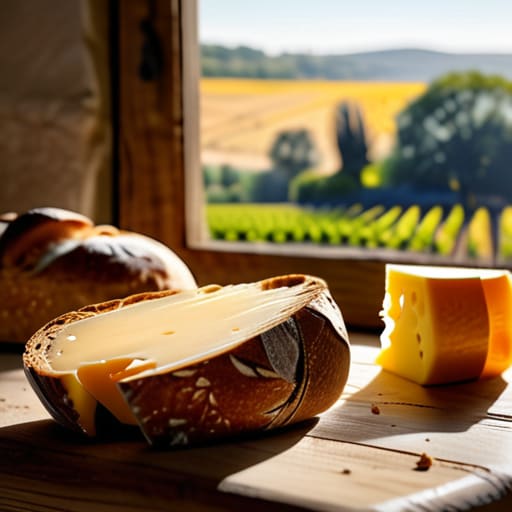
There is something fundamentally honest about a thick slice of sourdough paired with a wedge of sharp, aged cheddar. I remember sitting in a small village in the Loire Valley, watching the light change over the vineyards, and realizing that the simplest things are often the most profoundly satisfying. You don’t need fancy preparations when the ingredients themselves have a story to tell.
Olives and Marinated Lemons
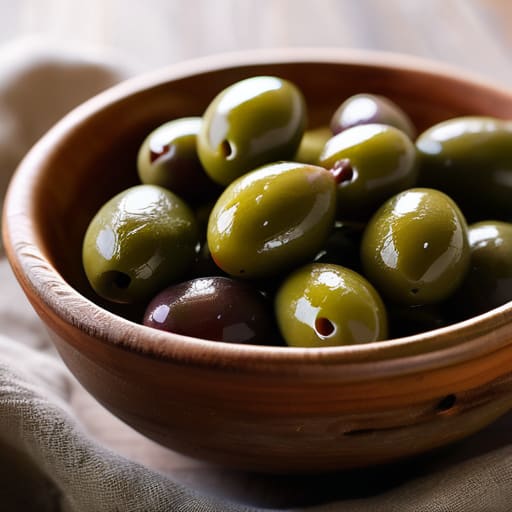
I’ve found that a small bowl of salt-cured olives can act as a wonderful anchor for an evening. They provide that sharp, briny hit that wakes up the palate without overwhelming it. I usually opt for the larger, meaty varieties—the kind that require a bit of intentional eating rather than just swallowing them whole.
Warm Roasted Nuts
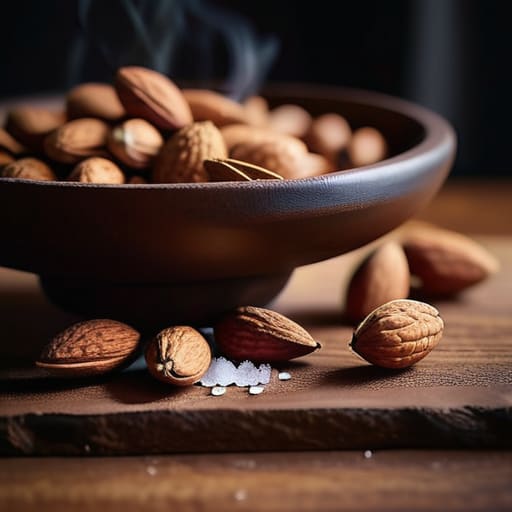
If you want to make a house feel welcoming, the scent of toasted nuts is a secret weapon. A handful of almonds or walnuts, lightly tossed in sea salt and perhaps a touch of smoked paprika, can transform a quiet room. I find that the warmth of the nuts makes people feel immediately at ease, as if they’ve stepped into a well-loved study rather than a formal dining room.
Seasonal Fruit and Honey
Sometimes, the best way to start a meal is to lean into the sweetness of the season. A plate of sliced pears or figs, drizzled with a bit of wildflower honey, is a gentle way to transition from the day into the evening. It’s a delicate balance of flavors that feels unhurried and thoughtful.
Simple Vegetable Crudités
We often overcomplicate things with heavy dips and complicated presentations, but a few crisp radishes or heirloom carrots can be quite striking. I prefer vegetables that still have a bit of their earthiness intact. There is a certain rugged beauty in a garden-fresh vegetable that a supermarket version simply cannot replicate.
A Few Final Thoughts Before You Begin
Don’t let the preparation turn into a chore; the best appetizers are the ones that let you stay at the table with your guests rather than stuck in the kitchen.
Focus on the textures and the simple, honest flavors that invite people to linger over their drinks and their conversation.
Remember that a little bit of care in how you present a small plate can turn a quick snack into a meaningful moment of connection.
The Art of the Prelude
An appetizer shouldn’t be a distraction from the meal to come; it should be a quiet invitation to sit down, stay a while, and finally notice the company you’re in.
Bernard Oyelaran
The Beauty of the Small Bite
Whether you find yourself reaching for the sharp tang of a well-aged cheese or the simple, earthy crunch of toasted crostini, the goal isn’t to fill a plate, but to set a mood. These small bites—from the warmth of a baked brie to the brightness of a seasonal bruschetta—serve as the necessary bridge between the arrival of a guest and the heavy lifting of the main course. They are the quiet signals that tell everyone around the table to finally set down their phones and pick up a conversation. It’s about selecting flavors that invite people to linger, rather than rushing them toward the next course.
As I sit here in this little cafe, sketching the way the light hits the cobblestones, I’m reminded that life’s best moments rarely happen during the grand gestures. They happen in the pauses. They happen in the shared laughter over a plate of olives or the quiet appreciation of a perfectly seasoned cracker. Don’t feel pressured to make your spread look like something out of a glossy magazine; instead, aim for something that feels honest and welcoming. After all, the most important ingredient in any gathering isn’t found in the pantry, but in the intention to slow down and truly be present with one another.
Frequently Asked Questions
How do I balance these small bites so I don't end up too full before the main course actually arrives?
That’s the eternal struggle, isn’t it? I’ve certainly overindulged on cheese and crackers before the roast even hit the table. My rule of thumb is to treat appetizers like a prelude, not the main event. Stick to one or two light bites, and perhaps keep a glass of water nearby to pace yourself. Think of it as a gentle nudge to the appetite, rather than a full-blown feast. Slow down; the main course isn’t going anywhere.
Are there any simple ways to prepare these ahead of time so I'm not stuck in the kitchen instead of sitting with my guests?
I’ve learned the hard way that a host shouldn’t be a ghost in their own home. For most of these, I find the trick is in the assembly. Chop your vegetables or prepare your spreads a few hours early and keep them in the fridge. If it involves heat, do the heavy lifting before the first guest knocks. That way, when the evening arrives, you’re holding a glass of wine, not a spatula.
What kind of drinks would you suggest pairing with these sorts of flavors to keep the evening feeling relaxed?
I’ve always found that the right drink should complement the food, not compete with it. For these lighter bites, I usually reach for a crisp, chilled Sauvignon Blanc or perhaps a dry sparkling cider; the acidity cuts through the richness beautifully. If you prefer something without the alcohol, a simple sparkling water with a squeeze of fresh lime and a sprig of mint is just as refreshing. The goal is to stay hydrated and relaxed.
