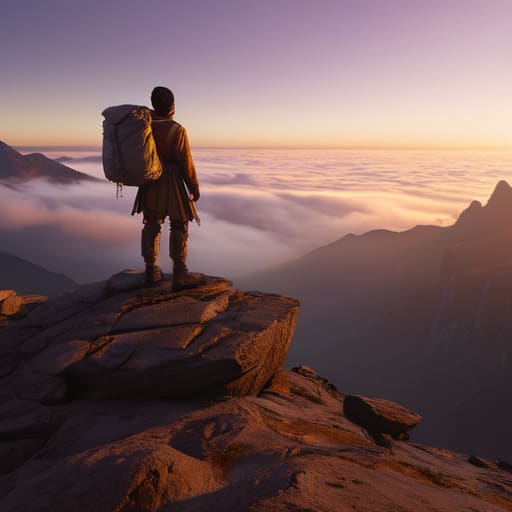
I was sitting in a small, dusty cafe in Kyoto last spring, watching the sunlight hit a chipped ceramic tea bowl, when I realized something. Most people treat spiritual travel like a high-stakes construction project—they arrive with a rigid itinerary, a checklist of sacred sites, and a desperate need to “achieve” enlightenment by Tuesday. They treat peace like a destination you can reach if you just buy the right plane ticket or attend the most expensive retreat. But after thirty years of managing complex infrastructure, I’ve learned that the most important things in life aren’t built with blueprints and deadlines; they are found when you finally stop trying to control the outcome.
In this series, I’m not going to sell you on some mystical, life-altering transformation that requires a pilgrimage to the Himalayas. Instead, I want to share what I’ve learned about finding meaning through the lens of a traveler who prefers a steady pace. I’ll offer you some honest, no-nonsense observations on how to navigate the world with more intention. We’ll talk about how to embrace the quiet, unplanned moments that actually make a journey worthwhile, and why the best kind of spiritual travel usually happens when you finally decide to just sit still and listen.
Table of Contents
Mindful Journey Planning for a Soul Searching Destination
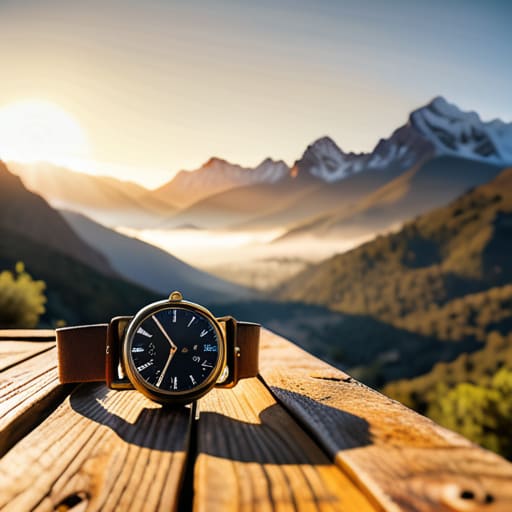
When I was managing construction sites, my planning was all about efficiency—minimizing downtime and hitting deadlines. But when it comes to seeking out soul searching destinations, I’ve learned that the old rules don’t apply. If you pack your itinerary too tight, you’ll find yourself checking your watch instead of checking in with yourself. I’ve found that the most meaningful parts of a trip often happen in the gaps between the “must-see” landmarks. Instead of a checklist, try building in intentional breathing room.
True mindful journey planning isn’t about finding the cheapest flight or the most popular hotel; it’s about choosing places that allow you to be still. Whether you are looking into meditation retreats worldwide or simply a quiet village in the mountains, ask yourself if the pace of the destination matches the pace of your heart. I always keep my notebook handy for this reason. I don’t just plan where I’m going; I try to imagine the quiet moments I might find there—the way the light hits a stone wall or the sound of a distant bell.
Seeking Inner Peace and Exploration in Quiet Corners
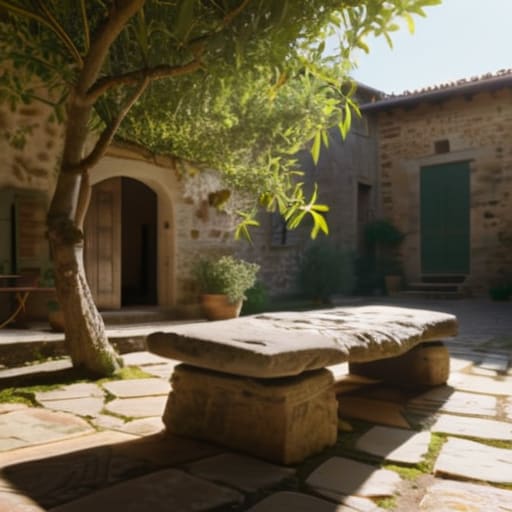
I’ve found that the most profound moments rarely happen at the famous landmarks or the crowded tourist hubs. Instead, they happen when you stumble upon a small, sun-drenched courtyard or a quiet trail that isn’t on any map. For me, it’s about those soul searching destinations that don’t demand your attention with bright lights, but rather invite it with a gentle hush. I remember sitting on a weathered stone bench in a small village in the Tuscan hills, just watching the light shift across the olive groves. There was no itinerary, no ticking clock—just the steady rhythm of the afternoon.
It is in these quiet corners that we truly find the space for inner peace and exploration. When the noise of our daily lives finally fades, we can actually hear our own thoughts again. Whether you are attending one of the many meditation retreats worldwide or simply sitting by a mountain stream with your sketchbook, the goal is the same: to be present. These are the transformative travel experiences that stay with you long after the dust has settled on your boots, reminding us that the world is much larger than our worries.
A Few Lessons Learned from the Slow Road
- Leave the itinerary loose. I used to live by a stopwatch back when I was managing construction sites, but you can’t schedule a moment of clarity. If a particular street corner or a small village chapel calls to you, stay a while. The best parts of a journey are often the ones you didn’t plan for.
- Pack for the soul, not just the suitcase. Bring that notebook I’m always fussing over. There is something about the physical act of putting pen to paper—sketching a weathered stone wall or jotting down how the light hits a valley—that anchors you to the present moment far better than a smartphone ever could.
- Eat where the locals linger. You can tell a lot about the spirit of a place by how people treat their meals. Find those small, family-run spots where the conversation is slow and the bread is fresh. A shared meal is often the shortest distance between being a stranger and feeling at home.
- Embrace the silence of the walk. We spend so much of our lives rushing from point A to point B, but the real magic happens in the transit. Walk without headphones. Listen to the wind in the trees or the rhythm of your own footsteps; it’s in that quiet space that you actually start to hear yourself think.
- Respect the local rhythm. Every place has its own heartbeat, its own way of breathing. Don’t try to force your pace onto a destination. If the town takes a long siesta in the afternoon, take one too. To truly find peace in a new place, you have to learn to move at its speed, not yours.
A Few Thoughts to Carry in Your Pocket
Leave the rigid itinerary at home; the most meaningful discoveries usually happen when you allow yourself the grace to wander off the beaten path without a deadline.
Prioritize presence over landmarks; it is far better to spend an hour sitting on a single stone bench watching the light change than to rush through five cathedrals just to check them off a list.
Pack for the journey, not just the destination; bring that notebook of yours and a comfortable pair of walking shoes, because the soul is best fed when you have the tools to truly notice the world around you.
The True Compass of a Journey
“A spiritual journey isn’t found in the stamps on your passport or the mileage on your odometer; it’s found in those quiet, unscripted minutes when you finally stop rushing long enough to actually hear your own thoughts.”
Bernard Oyelaran
The Journey Home

As I sit here in this little cafe, sketching the way the light hits the cobblestones, I’m reminded that spiritual travel isn’t about checking off a list of famous shrines or mountains. It’s about the intentionality we bring to the path—from the way we plan our departures to the way we sit in silence in a quiet corner of a foreign town. Whether you are seeking clarity through a structured pilgrimage or simply finding yourself in the rhythm of a long, aimless walk, the goal is the same: to unplug from the noise and reconnect with what actually matters. We’ve talked about planning with purpose and finding peace in the stillness, but the true work begins when you realize that the destination is merely a backdrop for the internal shifts occurring within.
Ultimately, I’ve learned that you don’t need a plane ticket to begin this kind of exploration. While there is something profound about seeing a sunrise over an ancient temple, the ability to find the sacred is something you carry in your pocket like a well-worn compass. Don’t wait for the “perfect” trip to start looking for meaning. Instead, try to treat every morning like a new discovery and every meal like a quiet ceremony. Life is far too short to spend it rushing toward the next big thing; instead, I hope you find the courage to slow down and simply be present in the beautiful, ordinary moments that are already waiting for you.
Frequently Asked Questions
How do I balance the desire to see famous landmarks with the need to actually find some quiet time for reflection?
I used to think a trip was a checklist of monuments, but I’ve learned that’s just another way of racing. My rule of thumb? Pick one “big” thing a day. See the cathedral or the ruins in the morning, then leave the crowds behind by noon. Find a small café or a park bench nearby, pull out my notebook, and just sit. The landmarks are for the eyes; the quiet is for the soul.
Is it possible to experience a sense of spiritual connection even if I'm not traveling to a traditionally religious site?
Absolutely. I’ve found that some of my most profound moments didn’t happen in a cathedral, but sitting on a weathered bench overlooking a quiet lake in Michigan. You don’t need a shrine to find something sacred; you just need to be present. Whether it’s the way the light hits a mountain ridge or the steam rising from a morning coffee, connection is found in the stillness, not just the destination.
How much should I plan my itinerary ahead of time versus leaving room for the unexpected moments that seem to define these trips?
I’ve learned the hard way that a rigid schedule is the enemy of discovery. If you over-plan, you’re just managing a project, not traveling. I like to map out the “must-sees”—a specific temple or a certain trailhead—but I leave the afternoons wide open. Leave room for the detour that leads to a hidden bakery or a conversation with a local. Those unplanned detours are usually where the real soul of a trip hides.
