I was sitting in a bustling café in downtown Chicago last Tuesday, watching people march past the window like they were part of some high-speed assembly line. I overheard a young man on his phone talking about “optimizing his emotional wellbeing” through a dozen different expensive apps and subscription services. It struck me how much nonsense we’ve wrapped around such a simple, human necessity. We’ve turned the quiet work of tending to our souls into a competitive sport filled with gadgets and jargon, when in reality, most of that is just noise designed to keep us running.
I’m not interested in selling you a digital cure or a complicated ten-step program. What I want to share instead are the small, unpretentious things that actually hold steady when the world gets heavy—the kind of lessons I learned while managing chaotic construction sites and later, while sitting in silence with a vintage Leica. I promise to offer nothing but honest, lived experience on how to find your footing again. We’ll talk about how a long walk and a decent meal can do more for your spirit than any algorithm ever could.
Table of Contents
Mindfulness Practices for Stability Amidst the Rush
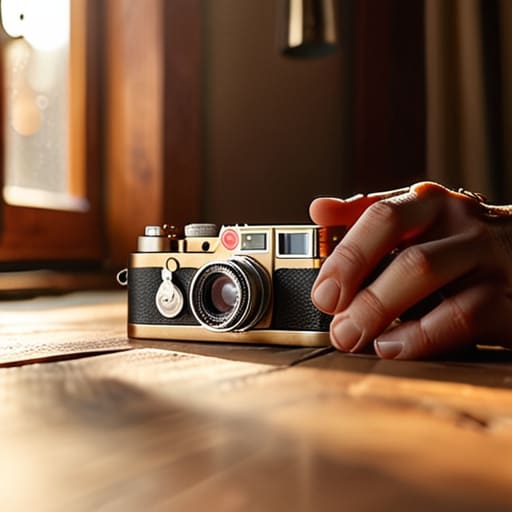
I’ve learned over the years that stability isn’t about stopping the wind from blowing; it’s about how you anchor your boat. For me, that anchor often comes in the form of small, deliberate habits. I’ve found that certain mindfulness practices for stability don’t require a mountain retreat or a special cushion. Sometimes, it’s as simple as the tactile sensation of my old Leica camera in my hands, feeling the mechanical click of the shutter, or the way the sunlight hits the grain of my wooden dining table. These moments act as anchors in a storm, pulling my focus away from the frantic pace of the modern world and back into my own skin.
When the pressure starts to mount, I lean on a few tried-and-true coping mechanisms for stress that I picked up during my years in civil engineering. It’s about rhythm. I’ll take a slow walk through the local park, not to get anywhere in particular, but to notice the specific shade of green in the oaks. This isn’t just a stroll; it is a way of cultivating a steady internal compass. By focusing on the small, physical details of the world around me, I find it much easier to navigate the unpredictable waves of the day.
Managing Emotional Fluctuations Like a Changing Tide

In my years managing construction sites, I learned that you can’t stop a storm from rolling in, but you can certainly check the integrity of your foundations. Our moods are much the same. Some days the sun is out, and other days a heavy fog settles over everything, making even simple tasks feel like wading through knee-deep mud. I’ve come to realize that managing emotional fluctuations isn’t about forcing yourself to be happy when you aren’t; it’s about acknowledging the weather of your own mind without letting it wash you away.
When the tide pulls hard, I find that leaning into certain coping mechanisms for stress helps steady the ship. For me, it’s often the tactile reality of my work—the click of a shutter on an old Leica or the rhythmic motion of sketching in my notebook. There is something about focusing on a single, physical detail that prevents the waves from feeling quite so overwhelming. It’s a way of building mental fortitude, not through sheer willpower, but through the quiet acceptance that some days are simply meant for weathering the storm.
A Few Simple Ways to Steady the Soul
- Keep a small notebook close at hand. I’ve found that when my thoughts start to feel like a tangled mess of construction rebar, sitting down to sketch a tree or jot down the color of the sky helps pull me back to the present moment.
- Don’t skip the ritual of a proper meal. It isn’t just about nutrition; it’s about the deliberate act of sitting down, putting the phone away, and actually tasting the salt and the warmth of what’s on your plate.
- Seek out the rhythm of a long, aimless walk. There is something about the steady cadence of footsteps on a gravel path that helps settle the internal noise in a way that sitting still never quite manages.
- Learn to appreciate the beauty in things that are slightly weathered. Just like the vintage Leica cameras I tinker with, we all carry scratches and dents from our years, and there is a quiet dignity in accepting those imperfections rather than fighting them.
- Find your “quiet corner” and honor it. Whether it’s a specific bench in the park or a worn-in armchair by the window, having a dedicated space where the world is allowed to fade away is essential for any kind of mental maintenance.
A Few Small Reminders for the Road Ahead
Don’t mistake movement for progress; sometimes the most important thing you can do for your soul is to simply sit still and let the world spin without you for a moment.
Treat your emotions like the weather in the Midwest—they are bound to shift, so don’t waste your energy fighting the rain, just find a sturdy shelter and wait for the clouds to break.
Keep your eyes open for the small, unpolished details, because a quiet meal or the way the light hits an old building can offer more steady ground than any grand plan ever could.
## The Architecture of a Quiet Mind
“We spend so much time trying to build these grand, indestructible monuments to our own happiness, but I’ve learned that real stability isn’t found in the heavy lifting. It’s found in the small, steady repairs—the way we tend to our own spirits during the quiet hours, much like how a well-maintained bridge relies more on its smallest rivets than its massive pillars.”
Bernard Oyelaran
Finding Your Own Steady Ground
As I sit here in this small café, watching the afternoon sun stretch across the cobblestones, I’m reminded that emotional wellbeing isn’t about reaching some permanent state of perfection. It’s about the small, practical things we discussed—learning to ride the waves of our moods without letting them capsize us, and finding those quiet moments of mindfulness that act as an anchor when the wind picks up. Whether it’s through a structured routine or simply noticing the texture of a well-made meal, these habits are the scaffolding that holds us up. We can’t control the weather, but we can certainly choose how we prepare for the storm and how we appreciate the sunshine.
If there is one thing I’ve learned from decades of managing heavy machinery and even heavier responsibilities, it’s that the most important work is often the quietest. Don’t feel pressured to fix everything all at once. Instead, just try to savor the small, ordinary details that make up your day. Tomorrow will bring its own set of challenges, but for now, let the world spin on its axis without your help. Take a deep breath, find a comfortable seat, and remember that you are exactly where you need to be.
Frequently Asked Questions
How do you find the patience to slow down when your daily routine or work demands keep pulling you back into that frantic pace?
It’s a constant tug-of-war, isn’t it? When the old habits of rushing take hold, I lean on my notebook. I’ve learned that if I don’t intentionally carve out space, the world will gladly steal it from me. I try to find “micro-pauses”—the thirty seconds it takes to feel the weight of my coffee mug or the rhythm of my own breathing between tasks. It isn’t about stopping the world, just refusing to let it dictate my pulse.
When you’re traveling and things don't go according to plan, how do you keep from letting the frustration ruin your sense of peace?
I’ve learned that when a train is late or a map proves wrong, fighting it is like trying to stop the rain with your hands. It only leaves you wet and angry. Now, when things go sideways, I pull out my notebook. I find a small café, order something local, and watch the world go by. I treat the detour as part of the scenery. After all, the unplanned moments often hold the best stories.
Are there certain simple, everyday rituals you've found that help you steady yourself when you feel an emotional shift coming on?
I’ve found that when the internal weather starts to turn, I need something tactile to ground me. I usually reach for my Leica; there’s something about the mechanical click of the shutter and the deliberate act of focusing a lens that forces my mind to settle. If that isn’t an option, I’ll just sit with a cup of black coffee, feeling the warmth of the ceramic against my palms, and simply watch the steam rise.
