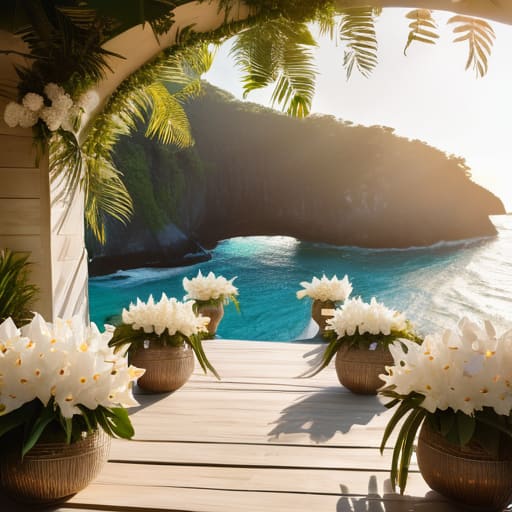
I was sitting in a small cafe in coastal Portugal last spring, sketching the way the light hit a crumbling stone wall, when I overheard a young couple arguing over the logistics of their guest list. They were spiraling into a frenzy of spreadsheets and budget projections, completely losing sight of the very reason they wanted to escape in the first place. It struck me then that the modern industry surrounding destination weddings has become a bit of a circus—a high-pressure machine designed to sell you “luxury” and “exclusivity” while actually stripping away the quiet joy of the occasion. We’ve traded intimacy for Instagram-ready backdrops, and frankly, it’s exhausting.
I’m not here to sell you on a dream or a specific tropical resort brochure. Instead, I want to share what I’ve learned about stripping away the noise to find the actual substance of a meaningful celebration. I’ll be offering some plain-spoken, practical advice on how to navigate the complexities of destination weddings without losing your mind or your sense of wonder. My goal is to help you focus on the essential elements—the good food, the slow afternoons, and the people—so that the wedding becomes a memory you actually want to savor, rather than just another project to manage.
Table of Contents
Finding Peace in Luxury Wedding Venues Abroad
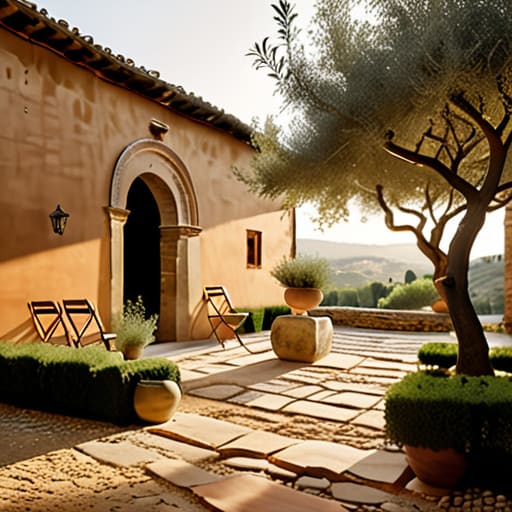
I’ve spent much of my life looking at blueprints and structural integrity, so I tend to appreciate a venue that feels as though it belongs to the earth rather than one imposed upon it. When people talk about luxury wedding venues abroad, they often focus on the gold leaf or the silk linens, but I find the real opulence lies in the silence. There is something profound about standing in a centuries-old villa in Tuscany or a quiet courtyard in Provence, where the only thing competing with the ceremony is the soft rustle of olive trees. It’s in these spaces that the frantic energy of modern life seems to simply evaporate.
Of course, finding that stillness requires a bit of groundwork. While some might find the idea of all-inclusive wedding packages a bit too convenient, I see them as a way to clear the mental clutter. When the logistics are handled, the couple is finally free to actually inhabit the moment. Instead of worrying about the minutiae, they can focus on the way the light hits the table or the specific, salty scent of the sea air. It’s about creating a sanctuary where the only task at hand is to be present.
Navigating Destination Wedding Budget Planning With Ease

When I was managing construction sites, I learned early on that a project without a clear blueprint is just a recipe for a headache. The same holds true for planning a celebration overseas. Effective destination wedding budget planning isn’t about being stingy; it’s about being intentional. It is easy to get swept up in the romance of a seaside ceremony and lose sight of the numbers, but I’ve found that a bit of early structure prevents a lot of late-night worry.
One of the most practical ways to keep things steady is to look closely at all-inclusive wedding packages. These can be a godsend, acting much like a fixed-price contract in my old engineering days. They often bundle the venue, catering, and basic decor into one predictable figure, which helps you avoid those nasty, unexpected costs that tend to pop up when you’re dealing with foreign vendors. Just be sure to read the fine print—much like I do with a set of blueprints—to ensure you aren’t being nickeled and dimed for every extra chair or glass of wine. Focus your resources where they truly matter: the experience itself.
A Few Practical Notes for the Journey Ahead
- Don’t let the grandeur of the location swallow the intimacy of the occasion. It’s easy to get lost in the scale of a seaside villa or a mountain resort, but remember that the most meaningful moments usually happen in the quiet spaces between the big events—a shared glance during a sunset or a quiet toast after the music stops.
- Pack light, even if you think you need it all. I’ve learned through years of travel that a heavy suitcase is just a burden in disguise. For a wedding, focus on the essentials that make you feel like yourself, and leave room in your bag for the small treasures you’ll inevitably find along the way.
- Build in “buffer days” for your guests. Traveling across borders and time zones is taxing work. Instead of rushing straight from the airport to the rehearsal dinner, encourage everyone to arrive a day or two early. It gives the group a chance to settle in, find their footing, and actually enjoy the scenery before the festivities begin.
- Trust the local hands. You might be tempted to micromanage every floral arrangement from thousands of miles away, but there is a certain wisdom in letting the locals lead. The people who live there know the rhythm of the weather and the soul of the landscape; let them guide the details.
- Keep a small notebook handy for the unexpected. In the middle of wedding planning, things will shift—a flight delay, a change in the menu, or a sudden rainstorm. Instead of letting the chaos rattle you, write it down, take a breath, and find the beauty in the detour. The best memories often come from the plans that went slightly awry.
A Few Notes Before You Set Off
Remember that the true heart of a destination wedding isn’t the grand scenery or the expensive decor, but the quiet, unhurried moments shared with those you love most.
Don’t let the logistics overshadow the joy; approach your budget and planning with the same steady hand you’d use to build a bridge—with patience, realism, and an eye on the long term.
Once the planning is done, give yourself permission to actually be present, to taste the local flavors, and to notice the way the light hits the horizon during your celebration.
Beyond the Checklist
A destination wedding shouldn’t be another project to manage or a frantic race to the altar; it’s an opportunity to strip away the noise and let the setting do the talking, turning a ceremony into a shared, slow-moving memory that lingers long after the last toast is made.
Bernard Oyelaran
The Heart of the Matter
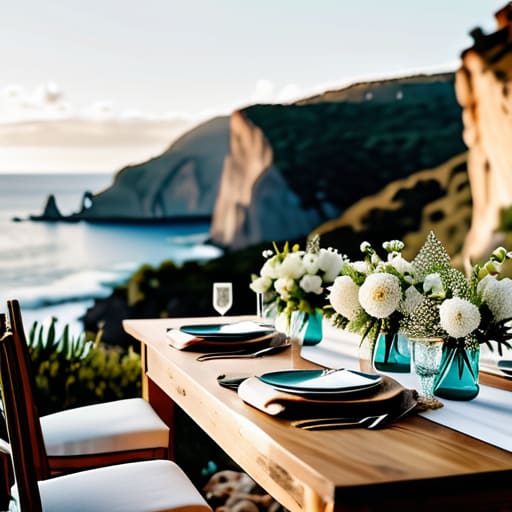
As I sit here in this small cafe, looking over my notes, I realize that planning a wedding across borders is much like managing a complex bridge project back in my engineering days—it requires a steady hand and a clear blueprint. We’ve talked about the importance of choosing a venue that offers more than just a pretty backdrop, and the necessity of keeping a watchful eye on the budget so that the finances don’t overshadow the joy. Whether you are navigating the logistics of international travel or simply trying to find that perfect, secluded coastline, remember that the structural integrity of your celebration rests on how well you balance the grand vision with the practical realities of the trip.
At the end of the day, though, please don’t let the spreadsheets and the guest lists pull you away from the actual reason you are all gathering. A wedding in a far-off land shouldn’t feel like a marathon to be completed, but rather a slow, beautiful stroll through a new landscape. When the sun begins to dip below the horizon and the music starts to play, I hope you find the courage to put down the itinerary and simply be present. After all, the most enduring memories aren’t found in the perfection of the decor, but in the quiet, unscripted moments of connection that happen when you finally decide to slow down and breathe.
Frequently Asked Questions
How do I make sure my older relatives and friends feel comfortable traveling such a long distance for the big day?
It’s a thoughtful question. I’ve learned that travel can feel daunting when the pace is too frantic. To ease their minds, I’d suggest building in some “buffer days”—extra time for them to settle in before the festivities begin. Maybe organize a quiet, low-key dinner near their hotel so they don’t feel rushed. It’s all about removing the friction, ensuring they can focus on the joy of the occasion rather than the logistics of the journey.
What are some ways to keep the celebration feeling intimate and personal rather than just another grand, expensive production?
It’s easy to get swept up in the spectacle, but grandeur can often feel hollow if it lacks a soul. I’ve found that the most meaningful moments happen in the margins. Instead of a massive, choreographed production, try focusing on the small touches—handwritten notes tucked into place settings or a menu featuring a dish from the couple’s first date. When you prioritize these quiet, intentional details over sheer scale, the celebration begins to feel less like a show and more like a shared meal among old friends.
How much time should we realistically set aside for guests to actually explore the local area and enjoy the scenery?
I’ve learned through years of project management that if you don’t build in a buffer, things fall apart. For a wedding, that buffer is breathing room. Don’t pack the itinerary like a frantic commute. I’d suggest setting aside at least two full days—ideally one before and one after the main event—where nothing is scheduled. Let your guests wander, find a quiet café, or just sit and watch the light change over the landscape.
