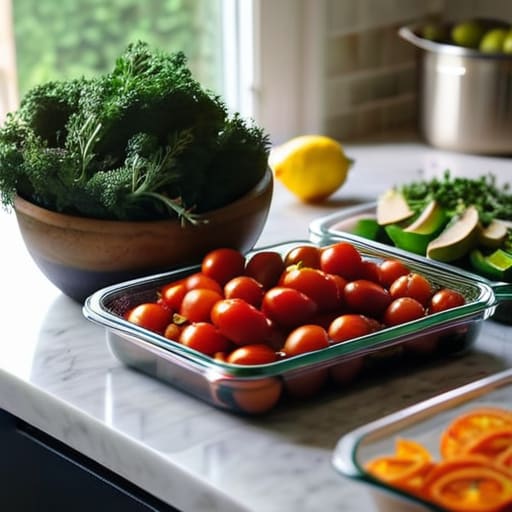
I spent thirty years managing massive bridge and highway projects, so I know a thing or two about structural integrity. Lately, I’ve noticed a lot of nonsense floating around about “optimization” and “biohacking” when it comes to meal prepping for wellness. People make it sound like you need a laboratory and a degree in nutrition science just to avoid eating a greasy burger on a Tuesday night. It’s all so exhausting and unnecessary. To my mind, the whole concept has been hijacked by influencers selling expensive plastic containers and complicated calorie-counting apps that take more time to manage than the actual cooking.
I’m not interested in those shortcuts or the flashy, high-stress methods. Instead, I want to share how I approach this practice from a place of quiet intention. I’ll tell you how I use my Sunday afternoons to set myself up for a week that feels steady, rather than frantic. You won’t find any complicated spreadsheets here—just some honest, practical wisdom on how to prepare simple, nourishing food so that you have more time to actually enjoy your life.
Table of Contents
Batch Cooking for Beginners a Slow Dance With Flavor
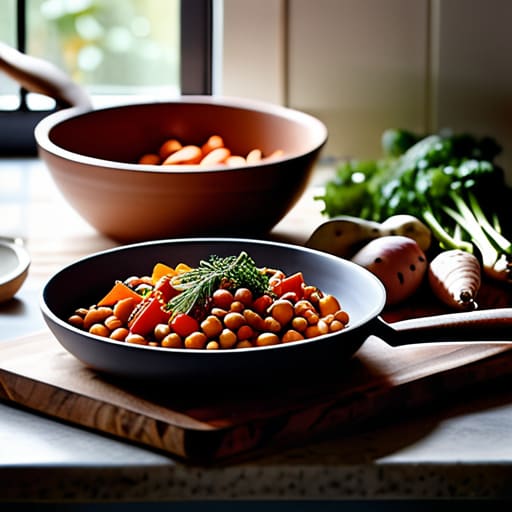
When I first started looking into batch cooking for beginners, I thought it would feel like another construction project—all rigid schedules and heavy lifting. But I’ve learned it’s much more like restoring an old Leica; it’s about patience and finding the right rhythm. Instead of rushing through a dozen different recipes, I find it best to pick one large, hearty base—perhaps a slow-simmered lentil stew or a roasted root vegetable medley—and let it become the foundation for several days. This approach allows you to focus on nutrient dense meal ideas without feeling like you’re constantly staring down a mountain of dishes.
I’ve found that the secret lies in the preparation rather than the assembly. I like to spend a quiet Tuesday evening chopping onions or roasting a tray of seasonal squash, treating the process as a way to settle my mind. Once you have your components ready, you can easily manage a balanced macronutrient distribution just by layering your proteins, fats, and greens into your glass jars. It isn’t about perfection; it’s about creating a little bit of breathing room for your future self.
Weekly Food Planning Strategies to Reclaim Your Afternoon
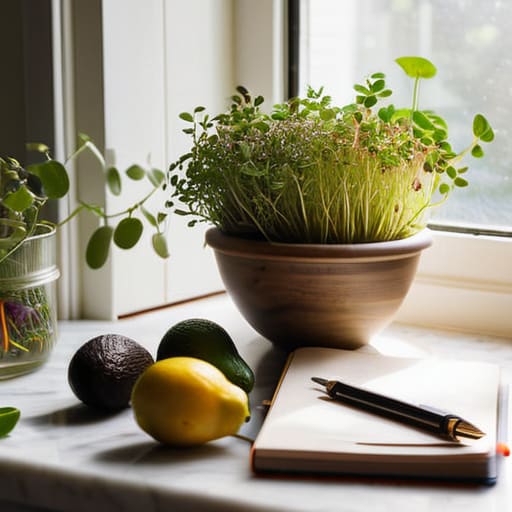
I’ve found that the chaos of a Tuesday afternoon usually stems from that frantic, mid-day decision: what am I actually going to eat? When I was managing construction sites, we had blueprints for everything; now, I apply that same logic to my kitchen. Instead of staring blankly at a fridge full of ingredients that don’t quite go together, I sit down with my notebook on Sunday morning. I use these weekly food planning strategies not to restrict myself, but to create a sense of order. It’s about mapping out a few nutrient dense meal ideas so that when the afternoon slump hits, I’m not reaching for a processed snack, but something that actually fuels me.
The trick isn’t to become a slave to a rigid schedule, but to build a little breathing room into your day. I like to pick two or three versatile proteins and a handful of seasonal vegetables. By thinking ahead, I ensure a better balanced macronutrient distribution across my meals without having to do mental math while I’m tired. It turns a stressful scramble into a quiet, intentional transition from work to rest.
Small Rhythms for a Healthier Week
- Don’t try to overhaul your entire kitchen in one afternoon; start by prepping just one thing, like a big pot of seasoned lentils or a tray of roasted root vegetables, to ease into the habit.
- Invest in a few sturdy, glass containers that feel good in your hands, because there is a quiet satisfaction in opening a well-organized fridge on a Tuesday evening.
- Keep a handful of “emergency” staples—like canned chickpeas or frozen spinach—on hand so that even when your plans go sideways, you aren’t forced to reach for something processed.
- Cook with your senses rather than just a timer, letting the smell of garlic hitting the oil tell you more about the meal than any recipe ever could.
- Leave a little space in your containers for freshness; a bit of breathing room for your greens ensures they stay crisp and vibrant rather than becoming a tired, wilted afterthought.
Finding Your Own Rhythm in the Kitchen
Don’t try to overhaul your entire life in a single Sunday; start by prepping just one component, like a big pot of grains or roasted vegetables, to see how much breathing room it gives you during the week.
View your meal prep not as a chore to be checked off a list, but as a way to respect your future self, ensuring that even on your busiest days, you have something nourishing waiting for you.
Keep your containers simple and your recipes forgiving, because the goal isn’t culinary perfection—it’s creating a steady foundation that allows you to focus on enjoying your food rather than rushing through it.
The Quiet Gift of Preparation
“I’ve found that meal prepping isn’t about checking a box or optimizing a schedule; it’s about setting a table for your future self, ensuring that when the world gets loud and the day feels long, there is already a quiet, nourishing moment waiting for you in the kitchen.”
Bernard Oyelaran
Finding Your Own Rhythm
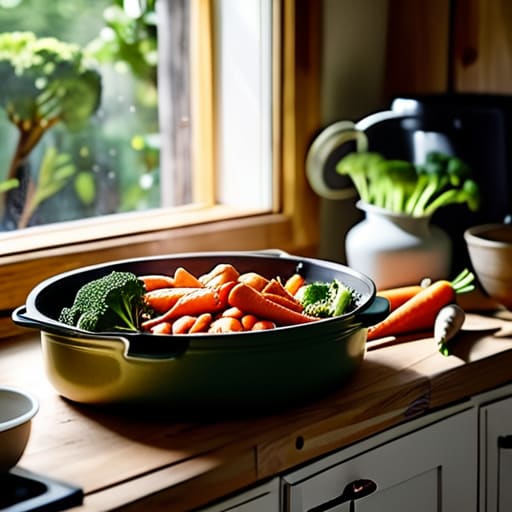
At the end of the day, meal prepping isn’t about achieving some sterile, mathematical perfection in your kitchen. It’s really about the small victories we’ve discussed: the way batch cooking allows you to dance with flavor rather than just fueling up, and how a bit of planning on a Sunday can actually gift you back those precious, quiet hours in the afternoon. Whether you are tucking roasted carrots into a jar or simmering a big pot of stew, you are essentially building a foundation of care for your future self. It’s about moving away from the frantic, last-minute decisions that leave us feeling depleted and toward a way of living that feels intentional and steady.
As I sit here by the window, sketching the way the light hits my half-finished bowl of grains, I’m reminded that the most important ingredient is patience. Don’t feel like you have to overhaul your entire life by Monday morning. Just start with one small change, one extra vegetable, or one extra moment of stillness while the kettle boils. Life is far too short to spend it rushing through every meal just to get to the next task. If you can learn to savor the preparation as much as the eating, you might just find that you’ve mastered the art of living well.
Frequently Asked Questions
How do I keep my prepped meals from tasting like they've been sitting in the fridge for a week?
The secret, I’ve found, is in the finishing touches. I never prep my entire meal to the point of completion. I’ll cook the grains and the proteins, but I save the fresh herbs, a squeeze of lemon, or a drizzle of good olive oil for the very moment I sit down to eat. It’s those bright, living textures that wake up a dish and make it feel like it was just made.
Is there a way to meal prep without spending my entire Sunday stuck in the kitchen?
I used to think meal prepping meant a marathon of chopping and cleaning, but that’s a quick way to ruin a perfectly good Sunday. Now, I prefer the “component” method. Instead of full recipes, I just prep a few versatile basics—a pot of grains, a tray of roasted roots, or a simple protein. It keeps the kitchen tidy and leaves me enough time to sit on the porch with my notebook and just breathe.
How much of my grocery budget should I actually be setting aside for these weekly batches?
I’ve found that if I set aside about 60% of my weekly budget for these staples—the grains, the hearty vegetables, and the proteins—it leaves me enough breathing room for those little spontaneous treats, like a fresh loaf from the bakery or a nice piece of cheese. It’s not about rigid math; it’s about creating a predictable foundation so that when I do treat myself, it feels like a celebration rather than a setback.
