I was sitting in a crowded cafe in Prague last Tuesday, watching a young man struggle with a meditation app that seemed to require more technical skill than my old bridge blueprints. He was hunched over, brow furrowed, trying to master these complex, expensive-sounding breathwork techniques that looked more like a chore than a relief. It struck me then how much we’ve overcomplicated something that is supposed to be our most basic, natural tool. We’ve turned a simple act of living into a performance of wellness, adding layers of stress to a process that should, by its very nature, strip it away.
I’m not here to sell you on any mystical rituals or high-tech gadgets. What I want to share is what I’ve learned from years of navigating high-pressure job sites and, more recently, finding my footing in the quiet corners of the world. I’ll walk you through a few practical, no-nonsense ways to use your breath to steady your hands and calm your mind. No fluff, no complicated jargon—just honest ways to help you catch your second wind when the world feels a bit too loud.
Table of Contents
Finding Stillness With Diaphragmatic Breathing Benefits

I remember back when I was managing bridge construction sites, my chest always felt tight, like I was holding a heavy weight right under my ribs. I used to think that was just part of the job. But lately, I’ve learned that shallow, chest-driven breathing is just another way we carry unnecessary tension. When I sit down with my notebook now, I try to focus on what they call diaphragmatic breathing benefits. It’s a simple shift—moving the breath down into the belly rather than letting it flutter in the upper chest—but the difference is profound. It feels like finally letting a heavy pack slide off your shoulders after a long hike.
This isn’t just about feeling relaxed in the moment; it’s about improving respiratory efficiency on a deeper level. By engaging the diaphragm, you’re essentially tapping into a natural reset button through vagus nerve stimulation. It sends a signal to your system that the crisis has passed and it’s safe to settle. I’ve found that even five minutes of this, perhaps while watching the light change over a quiet meadow, can steady a racing heart better than any frantic rush to get things done.
Controlled Breathing for Anxiety and Quiet Moments
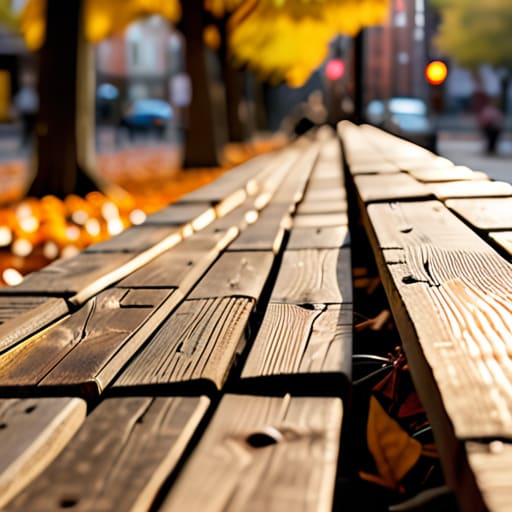
There are those afternoons when the world feels just a bit too loud—perhaps a crowded train station or a particularly frantic morning in a new city. I’ve found that when my mind starts to race ahead of my feet, I need a way to anchor myself. For me, that anchor is controlled breathing for anxiety. It isn’t about some complex ritual; it’s simply about reclaiming the rhythm of my own body. I often sit on a park bench, pull out my notebook, and focus on slowing my inhales until the frantic hum of the street begins to fade into the background.
By consciously lengthening the exhale, you’re doing more than just calming your thoughts; you’re engaging in a bit of biological fine-tuning. I’ve read that this process aids in vagus nerve stimulation, which acts like a gentle hand on a restless shoulder, signaling to your nervous system that it is finally safe to settle. It’s a quiet, invisible way to find your center without needing to move an inch. In those moments, the world doesn’t change, but my ability to witness it does.
A Few Simple Ways to Find Your Rhythm
- Find a quiet corner, perhaps a park bench or a comfortable chair by a window, and let your shoulders drop away from your ears. It’s hard to breathe well when you’re carrying the weight of the world in your neck.
- Don’t try to force it. If you find yourself gasping or feeling short of breath, just stop, reset, and try again. Breathing should feel like a gentle tide coming in and going out, not a chore on a checklist.
- Use your senses to anchor yourself. As you inhale, try to notice the temperature of the air or the faint scent of rain on the pavement; it keeps your mind from racing back to yesterday’s worries.
- Keep a small tally in that leather notebook of mine. Sometimes, just noting that you took five minutes to simply exist can make the practice feel more real and less like a clinical exercise.
- Practice when things are calm, not just when the storm hits. It’s much easier to find your footing in a gale if you’ve already learned how to stand steady during a light breeze.
A Few Thoughts to Carry With You
Don’t treat breathing like another task on your checklist; treat it like a quiet conversation with yourself.
You don’t need a special cushion or a silent room—just a moment to pause, whether you’re sitting on a park bench or waiting for a kettle to boil.
The goal isn’t to master a technique, but to use your breath as an anchor to pull you back into the present moment when the world feels a bit too loud.
The Rhythm of the Moment
I’ve spent my life measuring things in inches and concrete, but I’ve learned that the most important rhythm isn’t found in a blueprint; it’s the steady, quiet rise and fall of your own breath when you finally decide to stop running and just be.
Bernard Oyelaran
A Quiet Way Forward
We’ve spent some time looking at how the simple act of breathing can shift our entire perspective, from the deep, grounding work of diaphragmatic breathing to those smaller, controlled moments that help steady the nerves when anxiety starts to creep in. It isn’t about mastering some complex athletic feat or following a rigid, scientific protocol; it’s really just about reclaiming a sense of agency over your own body. Whether you are sitting in a crowded airport or just watching the light change through your living room window, these techniques serve as a gentle anchor, pulling you back from the frantic rush of the day and into the present moment.
As I sit here in this little café, sketching the way the shadows fall across my notebook, I’m reminded that we often spend our lives waiting for the “big” moments to feel at peace. But peace isn’t something you find at the finish line; it’s something you carry with you in the spaces between. I hope you take these tools with you, not as another task on a checklist, but as an invitation to slow down and simply be. The world will always be loud, and the pace will always be fast, but you can always find your way back to yourself, one steady breath at a time.
Frequently Asked Questions
Is there a specific time of day when these breathing exercises work best, or can I do them whenever the urge to rush hits?
To be honest, I’ve found that there isn’t a perfect clock for it. If you’re feeling that familiar itch of urgency—the kind that makes your chest tighten—that’s exactly when you should stop. But I do like to make a habit of it. I usually find a quiet corner during my mid-afternoon coffee. It’s a way to reset before the evening settles in. Do it whenever you need to find your footing.
Do I need any special equipment or a quiet room, or can I practice this while I'm out on a walk or sitting in a busy cafe?
You certainly don’t need a dedicated meditation room or any fancy gear. In fact, I find that practicing in the middle of a bustling cafe or while walking through a park can be even more rewarding. It teaches you to find that quiet center even when the world is noisy around you. Just find a comfortable way to sit or walk, and let your breath be your anchor amidst the chaos.
How long should I actually be doing this for before I start to feel the benefits in my body?
I used to think everything required a strict schedule—like a construction timeline—but breathing isn’t quite like that. If you’re just looking for a bit of calm, five minutes can work wonders. However, to truly feel that steady shift in your body, try making it a ritual. Even ten minutes a day, consistently, will start to change how you carry yourself. It’s not about the duration; it’s about showing up for yourself.
