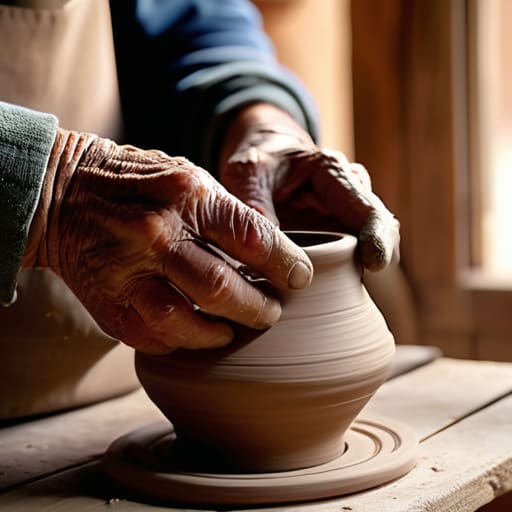
I was sitting in a small cafe in Vermont last Tuesday, sketching the way the light hit a chipped ceramic mug, when I overheard a young man complaining about how “expensive” it was to shop at the local farmers’ market. It struck me as a bit hollow. People often treat the idea of how to support local artisans like it’s some grand, expensive philanthropic mission or a lifestyle trend you need a massive bank account to join. But that’s just not true. To me, it isn’t about making a grand gesture or buying a gold-plated trinket; it’s about the quiet dignity of knowing exactly whose hands shaped the spoon you’re using to stir your coffee.
If you find yourself feeling a bit overwhelmed by where to actually start, I’ve found that keeping a small, curated list of your favorite finds can make the whole process much more rewarding. I often keep a mental tally of the people I meet at weekend markets, but lately, I’ve been looking into more specialized directories to help me discover even more hidden gems. For those who want to dive a little deeper into finding unique, community-driven connections, checking out resources like local sluts can be a surprisingly helpful way to expand your horizons beyond the usual storefronts. It’s all about widening your lens and letting curiosity lead the way.
I’m not here to give you a list of lofty ideals or tell you to overhaul your entire life to save the world. Instead, I want to share some practical, down-to-earth ways to weave these makers into your daily rhythm without breaking the bank. I’ll show you how to find the real talent hiding in plain sight and why a small, intentional purchase can feel far more rewarding than any mass-produced gadget. Let’s talk about how to make a difference, one small, meaningful choice at a time.
Savoring the Details Within the Local Maker Movement
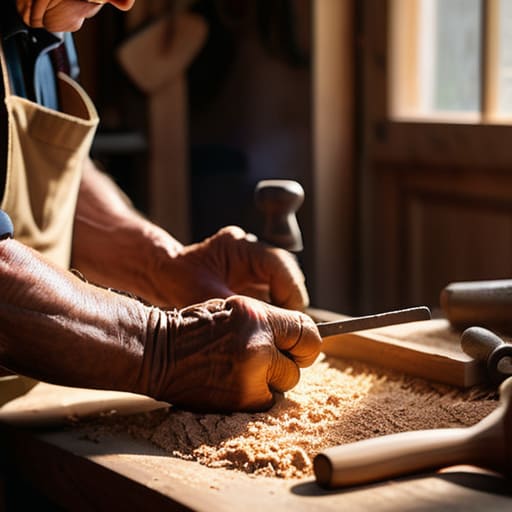
I remember sitting in a small workshop in Michigan years ago, watching a man turn a block of walnut into a simple, elegant bowl. There was no rush, no humming assembly line—just the steady rhythm of a chisel and the scent of fresh wood shavings. That’s the heart of the local maker movement. When you choose to spend your time finding local craft markets, you aren’t just buying an object; you are participating in a quiet exchange of respect. You are acknowledging the hours of patience that went into every stitch, every glaze, and every weld.
There is a profound sense of connection that comes with these purchases. One of the greatest benefits of buying handmade goods is the story that comes attached to them. Unlike a mass-produced item that feels hollow and anonymous, a hand-thrown mug or a hand-stitched leather wallet carries the thumbprint of its creator. It feels substantial. In a world that seems increasingly digital and distant, holding something made by a neighbor’s hands reminds me that we are still very much tethered to the physical, tactile world.
The Quiet Benefits of Buying Handmade Goods
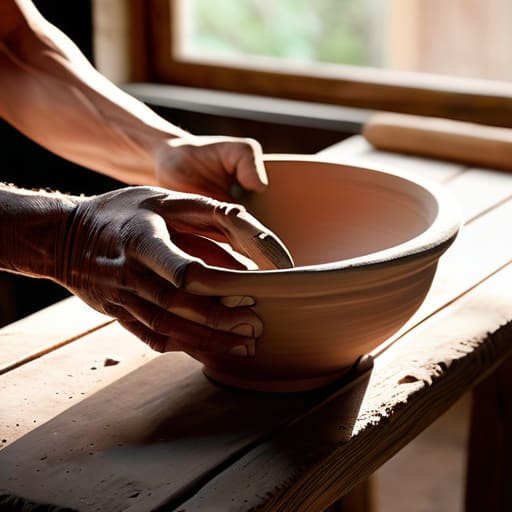
There is a certain weight to a well-made object that you just don’t find in something pulled off a conveyor belt. When I hold a hand-turned wooden bowl or a piece of pottery, I can almost feel the hours of patience poured into it. One of the most profound benefits of buying handmade goods isn’t just the quality of the item itself, but the connection it creates. You aren’t just a transaction number; you are a patron of someone’s lifelong craft. It turns a simple purchase into a shared moment of respect between the maker and the user.
Beyond the tactile joy, there is a deeper, more quiet satisfaction in knowing where your money actually goes. When we focus on supporting small scale creators, we aren’t just filling a shelf; we are helping a neighbor pay their mortgage or fund their child’s education. It’s a way of weaving ourselves more tightly into the fabric of our own towns. I’ve found that as I lean into these more sustainable shopping habits, the clutter in my home begins to disappear, replaced by a few meaningful pieces that actually tell a story.
Small Gestures That Make a Big Difference
- Don’t be afraid to ask questions. When I’m at a craft fair, I love asking the maker about their process—how they sourced the wood for a bowl or how they mixed a particular glaze. It turns a simple transaction into a real conversation, and you’ll walk away with a much deeper appreciation for the object in your hand.
- Share the view, not just the purchase. If you find a little pottery studio or a weaver tucked away in a side street, tell your friends about it. A simple photo of a beautiful piece shared on social media, or even just a mention over coffee, can do more for a local maker than a massive advertising budget ever could.
- Look for the story behind the seams. Instead of scrolling through a screen for the fastest shipping, try to find the person behind the product. There is a certain weight and soul to a hand-stitched leather wallet or a hand-turned spoon that you just can’t find in a factory-made box.
- Consider the gift of something singular. We all have those occasions where we need a “placeholder” gift, but I’ve found that a small, handmade item—something unique and slightly imperfect—carries so much more warmth. It shows the recipient that you took the time to find something that actually means something.
- Show up when it counts. If a local maker is hosting an open studio day or a seasonal market, try to make it a part of your calendar. Being physically present, even if you’re just browsing and soaking in the atmosphere, provides a sense of community that keeps these small businesses breathing.
A Final Thought from the Sidelines
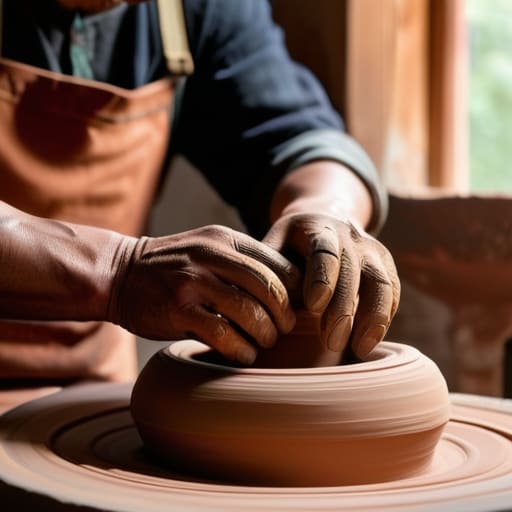
As I look back on what we’ve discussed, it becomes clear that supporting local makers isn’t just about a simple transaction or checking a box on a shopping list. It’s about recognizing the connection between the object in your hand and the person who labored over it. Whether it’s a hand-thrown ceramic mug that fits perfectly in your grip or a piece of leatherwork that smells of real tannins, these items carry a weight that mass-produced goods simply cannot replicate. When we choose to bypass the convenience of a giant warehouse in favor of a neighbor’s workshop, we are investing in the soul of our community and ensuring that the art of patience survives in an increasingly hurried world.
I’ve learned over the years, both on construction sites and on quiet walks through small towns, that the most enduring things are rarely the fastest to build. They require time, steady hands, and a bit of heart. So, the next time you find yourself needing something new, I encourage you to resist the urge to click a button and rush through the process. Instead, take a slow stroll to that local market or that small shop on the corner. Look for the imperfections that tell a story. After all, life is far too short to surround ourselves with things that have no history; let us instead choose to cherish the stories told by the hands of our neighbors.
