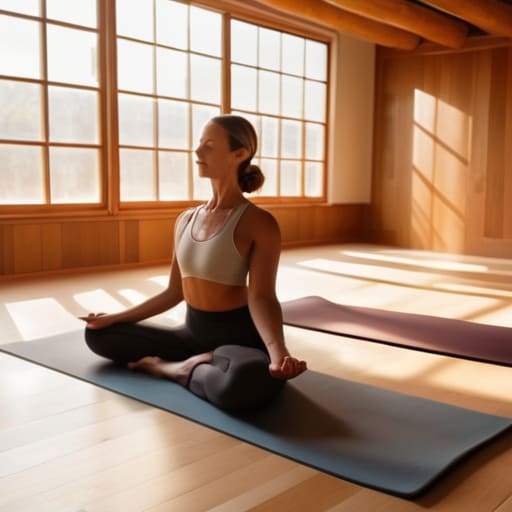
I’ll be honest with you: I used to think the whole yoga scene was just a collection of expensive leggings and people twisting themselves into impossible knots for the sake of a photograph. As a man who spent three decades managing heavy steel and concrete, I had a hard time seeing how a few fancy yoga poses were supposed to do anything more than make my knees ache. I saw these instructors on television acting as if you needed a certain level of grace or a specialized studio to find any real benefit, and frankly, it felt like a lot of unnecessary noise.
But I’ve learned that you don’t need to be an acrobat to find some peace in your own skin. Over the last year, I’ve stripped away all the pretension and focused on what actually works for a body that’s seen its fair share of hard work. I want to share a few simple, grounded movements that helped me trade my morning stiffness for a sense of calm. I’m not here to sell you a lifestyle or a transformation; I just want to offer a few honest ways to breathe and move that actually fit into a regular, unhurried life.
Table of Contents
Mindfulness and Breathwork for a Quieter Mind
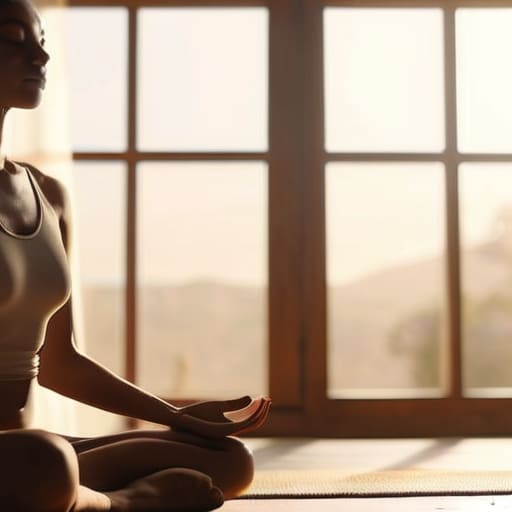
I’ve found that the real magic doesn’t happen in how deep you can bend, but in how still you can remain. During my years managing construction sites, my mind was always three steps ahead, worrying about the next deadline or a structural flaw. It took a lot of practice to realize that my breath was the only thing I could actually control in the middle of a storm. When I sit down for a little mindfulness and breathwork, I’m not looking for a spiritual epiphany; I’m just trying to settle the dust in my own head.
It’s a bit like cleaning a vintage Leica lens—you have to be patient and steady to see clearly again. Instead of rushing through a complex series of movements, I prefer to focus on the rhythm of my lungs. Even a simple daily stretching routine becomes something entirely different when you stop checking the clock and start listening to your body. If you find yourself feeling rushed, just pause. Take a long, slow inhale, let the shoulders drop, and remember that the goal isn’t perfection, it’s simply being present.
A Daily Stretching Routine to Soften the Soul
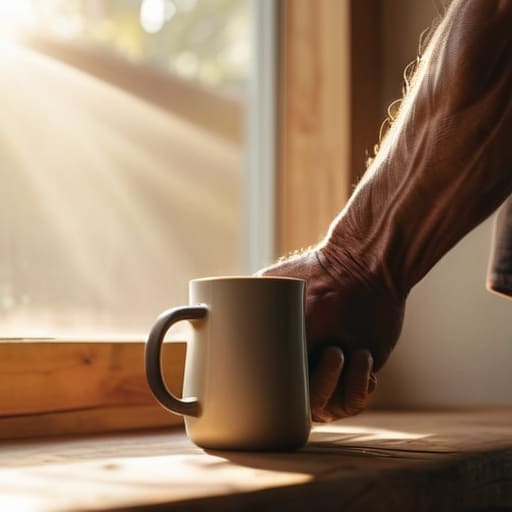
I’ve found that my body doesn’t always agree with my desire to wander through new cities. After years of overseeing construction sites, my joints tend to hold onto the tension of old habits. I’ve started incorporating a simple daily stretching routine into my mornings, right before the coffee finishes brewing. It isn’t about achieving some perfect, pretzel-like shape; it’s more about telling my muscles that the workday is over and it is finally time to settle in.
I usually start with some gentle movements on the floor, focusing on asana for mobility to loosen up my hips and lower back. There is something deeply grounding about feeling the floor beneath you, steady and unmoving, much like the foundations I used to design. I don’t aim for intensity. Instead, I look for those small, subtle releases in my shoulders or neck. If I can find just a little more space in my body through these beginner yoga sequences, I feel better prepared to face whatever the day holds. It’s a quiet way of softening the edges of a restless mind.
A Few Lessons from the Mat: Finding Your Own Rhythm
- Forget about what the person in the front of the class is doing. Your body isn’t a blueprint to be followed perfectly; it’s more like an old bridge that needs a gentle touch. If a pose feels like it’s pulling too hard, back off. There’s no prize for forcing a stretch.
- Listen to the quiet cues your body gives you. Sometimes a dull ache is just part of the work, but a sharp pinch is your body’s way of asking for a break. I’ve learned through years of engineering that if you ignore the structural warnings, things tend to break. The same goes for your joints.
- Use your props like tools in a workshop. Don’t feel like you’re “cheating” by using a block or a strap. Think of them as stabilizers that help you reach the right position without compromising your form. They aren’t crutches; they’re aids for precision.
- Focus on the transition, not just the destination. We often rush to get into a pose and then rush to get out of it, but the real magic happens in the slow movement between them. It’s like the way a camera shutter clicks—the movement is just as important as the still image.
- Keep your practice unpretentious. You don’t need fancy gear or a dedicated studio to make this work. A bit of floor space and a quiet moment are plenty. The goal isn’t to look like an athlete; it’s simply to feel a little more settled in your own skin.
A Few Things to Carry With You
Don’t treat your practice like a checklist or a chore; let the movements be a way to check in with yourself rather than just checking off a box.
Focus more on the rhythm of your breathing than the perfection of your posture—a steady breath does more for the soul than a perfectly straight spine ever could.
Listen to what your body is actually telling you in the moment, and don’t be afraid to slow down or stop altogether if that’s what the day requires.
The Geometry of Stillness
“I spent my career worrying about the structural integrity of bridges and highways, but I’ve learned that the most important architecture is the way we hold ourselves in a moment of stillness; sometimes, a simple stretch is just a way of realigning the soul.”
Bernard Oyelaran
Finding Your Own Pace
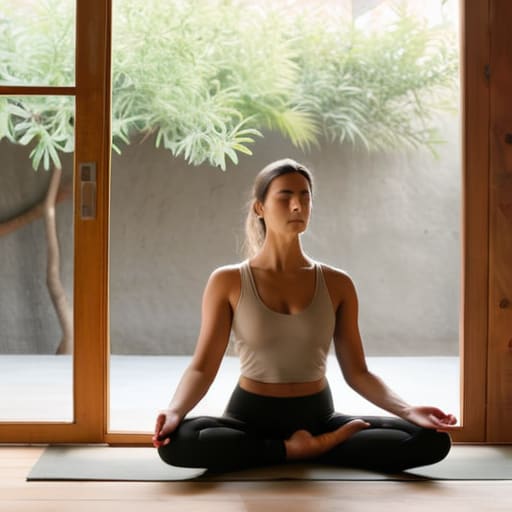
As I sit here in this small café, sketching the way the light hits the cobblestones, I’m reminded that these movements aren’t about achieving a perfect shape or a competitive stance. We’ve talked about how breathwork can steady a racing mind and how a simple, daily stretch can help soften the edges of a long day. Whether you are focusing on the quiet stillness of a seated pose or the slow release of a gentle stretch, the goal is the same: to reconnect with the physical self and quiet the noise of the world. It isn’t about how deep you can sink into a pose, but rather how much presence you can bring to the moment you are currently in.
I’ve learned over the years, both through engineering and through my travels, that the most important structures are the ones we build within ourselves. Don’t let the pressure of “doing yoga right” rob you of the very peace you are seeking. If you find yourself stiff or distracted, just breathe, adjust, and start again. Treat your practice like a long, slow walk through a beautiful landscape—there is no finish line, only the joy of the journey. Take it one breath at a time, and remember that sometimes the most productive thing you can do is simply to be still.
Frequently Asked Questions
I’m a bit stiff from years behind a desk and a steering wheel; do I need to be flexible before I even start?
Not in the slightest. I spent thirty years hunched over blueprints and steering wheels, and I can tell you, that stiffness is just a sign of a life lived. You don’t need to be a contortionist to start; you just need to be willing to move. Think of it like restoring an old camera—you don’t force the gears, you just gently nudge them until they find their rhythm again. Just start where you are.
Is there a way to do these movements without feeling like I’m performing for anyone, even if I'm just in my living room?
I know exactly what you mean. Even when I’m alone, I sometimes feel like I’m being watched, or like I’m “doing it wrong.” My advice? Dim the lights, put on some soft music, and forget the mirror exists. Don’t treat your living room like a studio; treat it like a sanctuary. If you focus on how the stretch actually feels in your muscles rather than how it looks, the performance part just melts away.
How much time do I actually need to set aside each day to feel a difference in my mood?
I used to think everything required a massive project schedule to be worthwhile, but I’ve learned that’s not how the soul works. You don’t need an hour of intense discipline. Honestly, even fifteen minutes—just enough time to let the coffee cool and find a few quiet poses—is plenty. It’s not about the duration; it’s about the intention. Just give yourself that small window to breathe, and you’ll feel the shift.
