I remember sitting in a cramped, drafty tea house in Kyoto last spring, watching a young man struggle with a set of bamboo tools that cost more than my first truck. He was so preoccupied with the “correct” angle of his wrist and the precise temperature of the water that he completely missed the point. People tend to treat the tea ceremony like a high-stakes engineering exam or some rigid, untouchable ritual that requires a PhD to navigate. But if you’re too busy worrying about whether you’ve offended an ancient tradition to actually taste the matcha, then you’ve missed the entire forest for the trees.
I’m not here to teach you how to perform for an audience or how to spend a fortune on ceremonial ceramics. What I want to share is the soul of the practice—how it can act as a quiet anchor in a world that refuses to stop spinning. I’ll walk you through the simple, honest rhythms of the process, focusing on how to find that much-needed stillness in a single cup. My goal is to help you strip away the pretension and discover how a tea ceremony can become your own personal way to slow down and notice the details.
Table of Contents
Finding Zen Meditation Through Tea
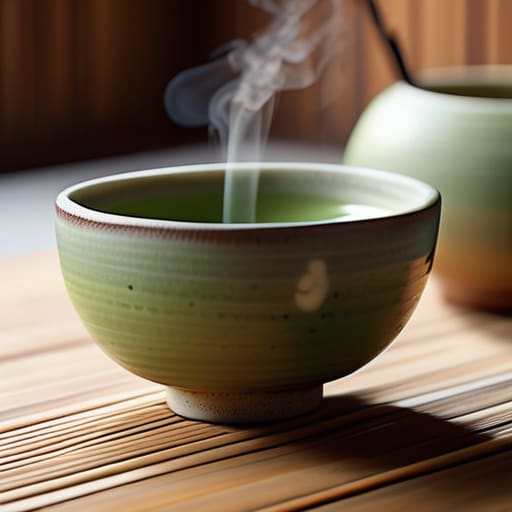
I’ve never been much for sitting perfectly still in a silent room, but I’ve found that the ritual of the steep offers a different kind of quiet. It isn’t about emptying your mind of every thought—that’s a tall order for a man who spent decades calculating bridge tolerances—but rather about anchoring yourself to the present. When I focus on the weight of the ceramic bowl or the specific, rhythmic sound of water hitting the whisk, I am engaging in a form of zen meditation through tea that feels far more natural than sitting on a cushion.
There is a profound shift that happens when you move away from gulping coffee while checking emails and instead embrace mindful tea drinking practices. You begin to notice the subtle shifts in temperature and the way the aroma changes as the leaves unfurl. It’s a slow, deliberate process that forces you to match the pace of the tea rather than the pace of the world. For me, that transition is where the real peace lies; it’s the moment the mental noise finally begins to settle.
The Quiet Beauty of Traditional Tea Ceremony Tools
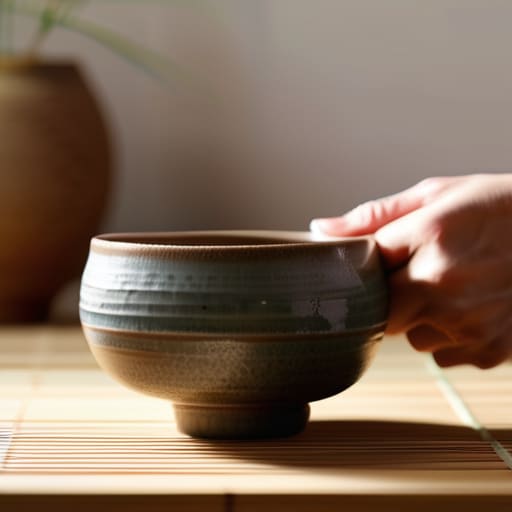
There is something deeply grounding about holding objects that have been shaped by human hands over centuries. As I sit here, I find myself drawn to the weight of the chawan, the tea bowl. It isn’t perfectly symmetrical or polished like something you’d find in a department store; instead, it has these wonderful, intentional imperfections. When I run my thumb over the textured glaze, it reminds me of why I love restoring old cameras—there is a soul in the tactile irregularities. These traditional tea ceremony tools aren’t just utensils; they are anchors that pull you back into the present moment.
Even the bamboo whisk, the chasen, demands a certain level of respect. Watching the fine tines move through the water is a lesson in itself. It’s a slow, rhythmic motion that turns a simple task into a full sensory experience of tea tasting. You hear the soft scrape of bamboo against ceramic, smell the toasted aroma of the matcha, and feel the warmth radiating through the bowl. In my years managing construction sites, everything was about speed and efficiency. But here, with these simple tools, I’m learning that the most meaningful things often require us to move much, much slower.
A Few Small Ways to Bring the Ceremony Home
- Don’t worry about the “correct” way to sit or hold the cup. If you’re too focused on your posture, you’ll miss the steam. Just find a comfortable spot where the world can’t reach you for a few minutes.
- Pay attention to the sound. There’s a specific, rhythmic song to the water boiling in a kettle and the whisking of the tea. It’s a far cry from the constant hum of a television or a smartphone.
- Treat your tools with a bit of respect. You don’t need expensive, museum-grade ceramics, but using a heavy, well-made mug instead of a disposable cup changes how you hold the warmth. It makes the moment feel intentional.
- Slow your breathing to match the pour. I’ve found that if I watch the tea hit the bottom of the bowl, I naturally start to settle my nerves. It’s a simple way to anchor yourself in the present.
- Leave the distractions in the other room. A tea ceremony isn’t a multitasker’s game. If you’re checking your email while you sip, you aren’t really having tea; you’re just hydrating while being busy.
Lessons from the Steep
It isn’t about the perfection of the ritual, but the way it forces you to finally sit still and breathe.
Real beauty is found in the small, tactile details—the weight of a ceramic bowl or the way the steam catches the morning light.
Slowing down isn’t a waste of time; it’s how you actually start living the moments you used to just rush through.
The Rhythm of the Pour
“In my years managing construction sites, I learned that everything has a pace, but we often try to force it. A tea ceremony is the opposite; it’s the realization that the water only boils when it’s ready, and the best moments in life are the ones where you finally stop trying to outrun the clock and just sit with the steam.”
Bernard Oyelaran
The Last Sip
Looking back on everything we’ve discussed, it’s clear that a tea ceremony is so much more than just a way to prepare a beverage. It is a delicate dance between the mindfulness of meditation and the tangible, tactile connection we find in the well-worn tools of the craft. Whether it is the intentionality of the movements or the simple weight of a ceramic bowl in your palms, these elements work together to pull us out of our frantic schedules and back into the present moment. It isn’t about achieving perfection or mastering a complex ritual; it is about the intentional pause that allows us to breathe again.
As I sit here in this small cafe, sketching the way the light hits my cup, I am reminded that we don’t need a formal ceremony to find this kind of peace. We can find it in the steam rising from a morning mug or the quiet rhythm of a long walk. My advice is simple: don’t wait for a special occasion to slow down. Find your own version of a ceremony in the ordinary details of your day. Life moves fast enough as it is; make sure you are actually present to taste it.
Frequently Asked Questions
Is it necessary to have a formal set of tools to start practicing this at home, or can I use what I already have in my kitchen?
Honestly, don’t let the fancy equipment intimidate you. I’ve spent enough years looking at blueprints to know that the foundation is what matters, not the polish. If you have a decent teapot and a couple of ceramic mugs, you’re already halfway there. It’s not about owning a perfect set of matcha whisks; it’s about the intention you bring to the table. Use what you have, find a quiet corner, and just start.
How much time should I actually set aside for a ceremony so that I don't feel rushed or like I'm just going through the motions?
I used to think efficiency was everything—getting from point A to point B as quickly as possible. But with tea, if you try to squeeze it into a fifteen-minute break, you’ve already lost. I try to carve out at least forty-five minutes. You need time for the water to heat, for the whisking, and, most importantly, for your own mind to settle. If you aren’t willing to give it a half-hour, you aren’t making tea; you’re just making a drink.
If I'm feeling particularly restless or distracted, are there specific types of tea that might help me settle into that meditative state more easily?
When my mind starts racing like a construction site during rush hour, I turn to something grounding. I find that a mellow Hojicha—a roasted green tea—is wonderful; its toasty, earthy scent acts like an anchor for my thoughts. If the restlessness is deeper, a simple Chamomile or a gentle Linden flower tea works wonders. They aren’t meant to knock you out, just to soften the edges of a frantic day.
