I remember sitting in a small bistro in Florence last autumn, watching a young man stare despondently at a menu because he couldn’t find a single thing to eat. It struck me then how much we’ve turned gluten free cooking into this high-stakes, expensive ordeal filled with strange powders and laboratory-made substitutes that taste more like cardboard than food. We’ve been told that if we want to eat well without wheat, we have to spend a fortune on specialty aisles and follow recipes that look like complex engineering blueprints. It’s a lot of noise, and frankly, it’s exhausting.
I’m not here to sell you on fancy, processed flour blends that cost a week’s worth of groceries. Instead, I want to share what I’ve learned by slowing down and getting back to the basics of what actually tastes good. I’ll be offering you some straightforward, common-sense approaches to the kitchen—the kind of practical wisdom you can use without needing a chemistry degree. My goal is to help you rediscover the joy of a simple, hearty meal, proving that you don’t need to sacrifice flavor to find peace on your plate.
Table of Contents
Discovering Joy Through Naturally Gluten Free Foods
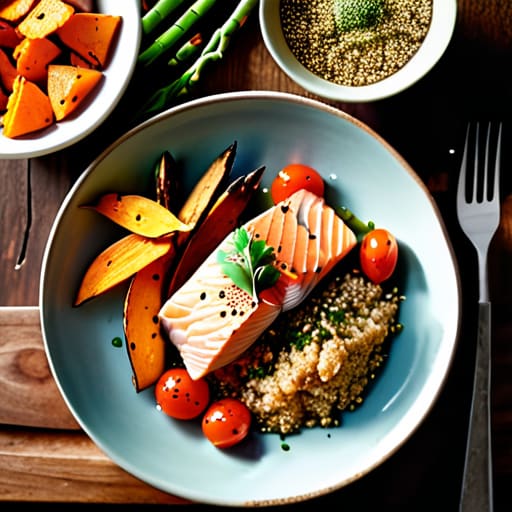
I’ve found that the easiest way to ease into this way of eating is to stop looking for replacements and start looking at what’s already there. For years, I thought a meal wasn’t complete without a heavy roll or a thick slice of bread on the side. But lately, I’ve been leaning into naturally gluten free foods—the kind that don’t require a chemistry degree to understand. There is a certain honesty in a roasted sweet potato, a bowl of steaming quinoa, or a simple pan of seared salmon and seasonal vegetables. These ingredients don’t try to mimic anything else; they simply are what they are.
When I sit down at my small wooden table with my notebook, I find myself appreciating the textures of these whole foods more than I ever did with processed goods. Instead of fussing over complex alternative grains for cooking to replicate a sourdough, I’ve learned to embrace the nutty richness of buckwheat or the lightness of millet. It turns a meal from a chore of substitution into a genuine exploration of flavor. It’s about finding that quiet satisfaction in a plate that feels both nourishing and uncomplicated.
Curating Your Soulful Gluten Free Pantry Staples
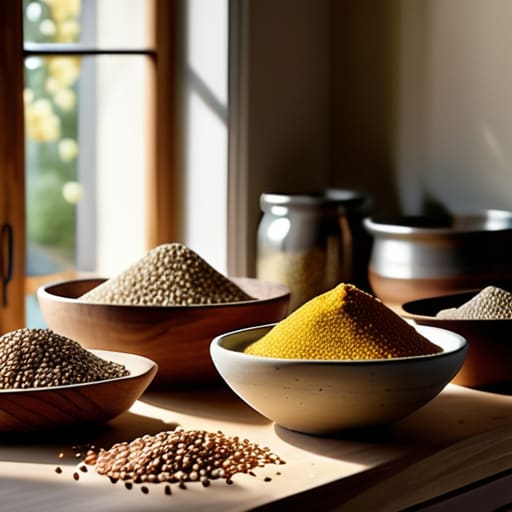
Setting up a kitchen after deciding to step away from wheat can feel a bit like surveying a new construction site; you need a solid foundation before you can build anything meaningful. I’ve found that the secret isn’t in finding perfect replicas of the bread I used to eat, but in gathering a collection of alternative grains for cooking that actually have some character. I keep a steady supply of quinoa, buckwheat, and perhaps a jar of good polenta on hand. These aren’t just substitutes; they are ingredients with their own stories, textures, and histories to tell.
When I’m browsing the local market, I’ve learned to take my time, often sitting on a bench just to observe the rhythm of the aisles. I’ve become quite adept at reading food labels for gluten, looking past the flashy marketing to see what’s truly inside. It’s a slow process, but there is a certain quiet satisfaction in knowing exactly what is going into my body. I also make sure to keep my dedicated wooden spoons and cutting boards tucked away—a little bit of cross contamination prevention goes a long way in keeping the peace in my kitchen.
Small Rituals for a Flour-Free Kitchen
- Don’t go hunting for replacements right away; instead, lean into the ingredients that never needed changing in the first place. A roasted sweet potato or a bowl of hearty lentils doesn’t need a fancy substitute to feel complete.
- Treat your new flour blends like a delicate instrument. When I’m working with almond or coconut flours, I’ve learned you can’t just rush the mixing like you would with standard wheat. It requires a gentler touch and a bit more patience.
- Keep a close eye on the small things, much like I do when I’m cleaning the gears of an old Leica. Check the labels on your spices and broths; sometimes the gluten hides in the most unexpected corners, tucked away in a thickener or a stabilizer.
- Embrace the texture. Sometimes, a gluten-free crust might be a little more crumbly or a bread a bit denser than what we grew up with. Don’t fight it. Sit down, pour a cup of tea, and appreciate the unique character of what you’ve created.
- Season with your heart, not just a recipe. When you aren’t relying on the heavy structure of gluten, the true flavors of your herbs and oils can really sing. Take a moment to smell the rosemary or the garlic before it hits the pan—it’s the best part.
A Few Things to Carry With You
Don’t let the absence of wheat feel like a loss; instead, look at your plate as a new canvas for the vibrant, honest flavors that nature provided from the start.
Treat your pantry like a well-kept workshop—keep only the staples that truly nourish you, and take pride in the quality of the ingredients you choose to bring home.
Above all, remember that the goal isn’t perfection on a plate, but the quiet satisfaction of a meal prepared with intention and eaten without haste.
## A Lesson from the Kitchen Table
“Cooking without gluten isn’t about what you’re stripping away from the plate; it’s about finally having the time to notice the honest, earthy textures of the ingredients that were there all along.”
Bernard Oyelaran
Finding Your Rhythm in the Kitchen
As I sit here in this small cafe in Florence, watching the light shift across the cobblestones, I’m reminded that transitioning to a gluten-free way of life doesn’t have to feel like a series of subtractions. We’ve talked about leaning into the bounty of nature—those vibrant, whole foods that require very little intervention—and the importance of building a pantry that feels like a well-stocked toolkit rather than a collection of restrictions. Whether it’s the earthy richness of quinoa or the simple reliability of a good almond flour, these ingredients are merely new tools to help you build something beautiful. It isn’t about what you’re missing; it’s about relearning the textures and flavors that truly nourish your body.
If there is one thing my years in engineering taught me, it’s that the most enduring structures are built with patience and attention to detail. The same applies to your kitchen. Don’t let a failed loaf of bread or a gritty sauce discourage you. Instead, take a breath, clean your workspace, and try again tomorrow. Cooking is a practice, not a performance. My hope is that you find more than just a way to eat; I hope you find a new kind of peace in the ritual of preparation. Slow down, enjoy the scent of the spices, and remember that the best meals are seasoned with presence.
Frequently Asked Questions
How do I find those hearty, textured grains that don't feel like I'm just eating sawdust?
That’s the million-dollar question, isn’t it? I remember my first few weeks feeling like I was chewing on nothing but cardboard. The secret is to look past the processed “replacement” bags and seek out the whole grains that have lived a real life. Look for buckwheat, quinoa, or even sorghum. They have a wonderful, earthy bite to them. Don’t be afraid of a little texture; that’s where the soul of the meal lives.
Are there any simple ways to make gluten-free bread that actually tastes like something from a real bakery?
The secret, I’ve found, isn’t in a complex recipe, but in patience and moisture. Most gluten-free breads turn out like bricks because we rush them. Try adding a bit of psyllium husk for that chewy, elastic pull, and don’t be afraid of a little extra hydration. Most importantly, let the dough rest. Just like a good landscape, bread needs time to settle before it’s truly ready to be appreciated.
When I'm traveling and away from my own kitchen, how do I find decent, soulful meals that aren't just processed substitutes?
When I’m off the beaten path, I’ve learned to stop looking for “gluten-free” signs and start looking for real food. I steer clear of the modern cafes and head straight for the local markets or family-run bistros. I look for menus that celebrate things like roasted vegetables, fresh fish, or a hearty bowl of rice and beans. If the ingredients look like they came from the earth rather than a factory, you’re usually in good hands.
