I was sitting in a small café in Bruges last Tuesday, watching a young man try to film a sunset with a high-end smartphone, his face tight with frustration because the lighting wasn’t “perfect.” It struck me how much we’ve been sold a bill of goods regarding creative expression. We’ve been led to believe that you need expensive gadgets, a formal degree, or some sort of divine spark to truly make something meaningful. To my mind, that’s absolute nonsense. Real creativity isn’t about the gear you own; it’s about the way you choose to look at the world around you when everyone else is looking at their watches.
I’m not here to give you a lecture on art theory or sell you a course on how to become a master painter overnight. Instead, I want to talk about how we can use simple, tactile hobbies—like sketching in a notebook or tinkering with an old Leica—to reclaim our sense of wonder. I’ll be sharing some honest, unpretentious ways to weave more creative expression into your daily routine, focusing on the process rather than the result. My goal is to help you find that same quiet satisfaction I feel when a shutter clicks just right.
Table of Contents
Finding Your Creative Voice in the Quiet Moments
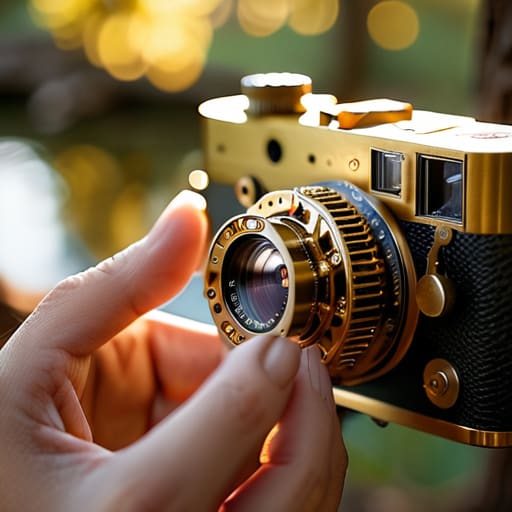
I’ve found that my best ideas rarely come when I’m sitting at a desk, staring intently at a blank page or a complex blueprint. Instead, they tend to arrive when I’m sitting on a weathered park bench, watching the light shift across a lake, or fiddling with the delicate gears of an old Leica camera. There is a profound sense of mindfulness and artistic creation that happens when you stop trying to force an outcome and simply allow yourself to observe. When the world slows down, the noise in your head tends to quiet as well, making room for something much more authentic to emerge.
For me, this isn’t about producing a masterpiece to hang in a gallery; it’s about the simple act of finding your creative voice through the things you love. Sometimes, that voice is found in the scratch of a pencil against my leather notebook or the way a certain shadow falls across a stone wall. It’s a way of processing the world. When life feels a bit too heavy or cluttered, leaning into these small, quiet acts of making can feel like a long, deep breath for the soul.
The Psychological Benefits of Creativity and Calm
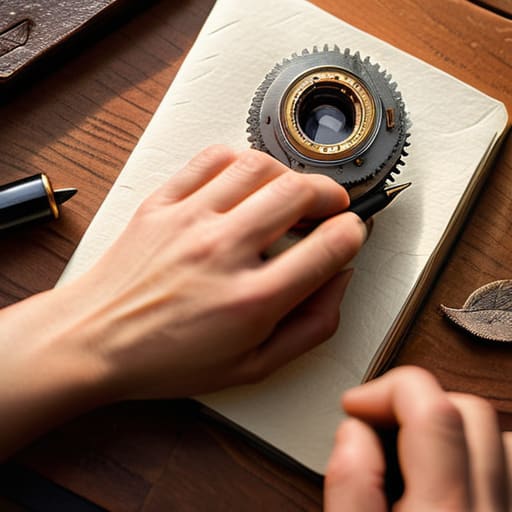
I’ve noticed that when I sit down with my notebook or tinker with the gears of an old Leica, the constant hum of worry in my head just… settles. It’s not that the world stops being noisy, but my internal volume dials down. There is a profound emotional release through art that I didn’t quite appreciate during my years managing construction sites. Back then, I was always looking at the finish line, the deadline, the structural integrity. Now, I realize that the act of making something—even if it’s just a messy sketch of a diner breakfast—serves as a way to process the day without needing a single word.
It isn’t about being a master of any craft; it’s about the quiet rhythm of the process itself. I’ve found that the psychological benefits of creativity often stem from this very lack of pressure. When you aren’t trying to impress anyone, you stumble into a state of flow that feels remarkably like meditation. It’s a way of mindfulness and artistic creation working in tandem, allowing you to anchor yourself in the present moment. For me, that’s where the real healing happens—in the steady, unhurried space between the thought and the stroke.
A Few Simple Ways to Let the Creativity Flow
- Put away the phone and grab something tactile. Whether it’s a charcoal pencil, a piece of wood, or even just a fountain pen, there is a certain magic in the way your hands feel when they are actually making something real.
- Stop worrying about the end result. When I’m working on an old Leica camera, I’m not thinking about the perfect shot; I’m just enjoying the click of the shutter and the way the gears mesh. Do the same with your hobby—let it be messy.
- Find a regular “quiet spot.” For me, it’s a particular bench by the lake. Having a dedicated space where the world slows down helps your mind realize it’s finally safe to wander and dream.
- Observe the small things. Next time you’re sitting at a cafe, don’t just scroll through your newsfeed. Look at how the light hits the coffee steam or the way the shadows stretch across the pavement. Those details are the seeds of every good idea.
- Don’t wait for inspiration to strike like lightning. Creativity is more like a slow-growing garden; you have to show up every day, even if it’s just for ten minutes, to tend to it.
A Few Things to Carry With You
Don’t wait for a grand occasion or a studio to start creating; a simple sketch in a notebook or a thoughtful note can be just as meaningful as a masterpiece.
Let your creative pursuits be a way to slow down rather than another task on your to-do list—the goal is the process, not the finished product.
Use these quiet moments of expression to reconnect with yourself, allowing the rhythm of your hands to quiet the noise of a busy world.
The Art of Noticing
“Creative expression isn’t about producing a masterpiece for a gallery; it’s more like the steady hand required to fix an old Leica—it’s about the patience to look closely, the willingness to get your hands a little dirty, and the quiet joy of seeing something clearly for the very first time.”
Bernard Oyelaran
A Final Thought from the Porch
As I look back on what we’ve discussed, it’s clear that creativity isn’t some lofty, unreachable mountain reserved for the “gifted.” It’s much closer to the ground than that. Whether it’s the way you arrange the vegetables on a dinner plate, the steady rhythm of a morning walk, or the way you carefully sketch a crumbling stone wall in your notebook, you are engaging with the world. We’ve seen how these small acts of expression act as an anchor, providing a much-needed buffer against the noise of a frantic life and offering a way to reclaim our internal sense of calm. It really comes down to the simple realization that creating something is a way of truly seeing.
So, my advice to you is this: don’t wait for a grand inspiration to strike before you begin. Don’t worry about whether your sketches are precise or if your writing is profound. Just pick up the pen, the brush, or the camera, and let yourself be a beginner again. There is a profound, quiet dignity in the attempt. Life moves fast enough as it is; don’t let it blur past you without leaving a mark. Find your own way to slow the clock down, and remember that the beauty is often found in the process, not just the finished piece.
Frequently Asked Questions
How do I start being creative if I feel like I don't have a "natural talent" for it?
I used to think the same thing when I first picked up a camera. I thought you had to be born with an “eye” for it. But honestly? Talent is a bit of a trap. It makes us afraid to be bad at something. Don’t aim for a masterpiece; just aim to notice. Pick up a pencil or a spoon and just play. Creativity isn’t about being good; it’s just about being present.
Is it possible to find time for these quiet, creative moments even when life feels incredibly busy?
I used to think I needed a whole afternoon set aside for something meaningful, but that’s a trap. If I waited for a clear schedule, I’d never pick up my camera or my notebook. The trick is to find the gaps. It’s ten minutes with a sketchpad while waiting for coffee, or noticing the light hitting a brick wall on your walk to the car. Don’t wait for time; just steal it.
Do I need to produce something beautiful, or is the act of creating enough on its own?
I used to think that if a project didn’t result in something polished and structurally sound, it was a waste of time. But after years of sketching in this little notebook, I’ve learned better. The beauty isn’t in the final product; it’s in the way your mind settles when you’re focused on the task. If the act of creating brings you a bit of peace, then you’ve already succeeded. The “result” is just a souvenir.
