The Appeal of Coastal Escapes

I was sitting in a crowded, overpriced bistro in a seaside resort last July, watching a young couple argue over which “must-see” landmark to visit next, and I realized something. Most people approach coastal escapes like they’re checking items off a frantic construction schedule—racing from one crowded viewpoint to the next, desperate to capture the perfect photo before the light fails. They spend a fortune on boutique hotels that feel more like sterile museums than homes, all while missing the very thing they traveled for. It’s a lot of noise and very little soul.

I’m not interested in the tourist traps or the glossy brochures that promise perfection. Instead, I want to share what I’ve gathered from years of slow travel and quiet observation: how to find those rare, tucked-away corners where the only thing on your agenda is a long walk and a decent meal. I’ll be sharing my personal notes on finding the true essence of the coast, focusing on the small, unpretentious spots that actually allow you to breathe. We aren’t here to conquer the coastline; we’re here to finally slow down and enjoy it.

Table of Contents

Finding Quietude in Serene Seaside Retreats

Finding Quietude in Serene Seaside Retreats.

I’ve found that the best way to truly disconnect isn’t through a grand, sweeping itinerary, but by finding a corner of the world where the only schedule is dictated by the tide. Last autumn, I stumbled upon a small village that offered some of the most incredible serene seaside retreats I’ve ever encountered. There was no frantic sightseeing; instead, I spent my mornings sitting on a weathered wooden bench, sketching the way the light hit the dunes. It’s in those quiet, unscripted hours—when you aren’t trying to “see everything”—that you actually begin to feel the place.

When looking for the right spot, I tend to steer clear of the crowded resorts that feel more like transit hubs than sanctuaries. I prefer searching for modest oceanfront accommodation ideas—perhaps an old cottage with a porch that faces the sunrise. There is a profound sort of healing in waking up to the rhythmic, steady pulse of the waves. It reminds me of the structural integrity I used to look for in my engineering days, only this is a different kind of strength: a rhythmic, natural constancy that settles the soul and makes the rest of the world feel very far away.

Savoring Scenic Shoreline Landscapes Over Coffee

Savoring scenic shoreline landscapes over coffee.

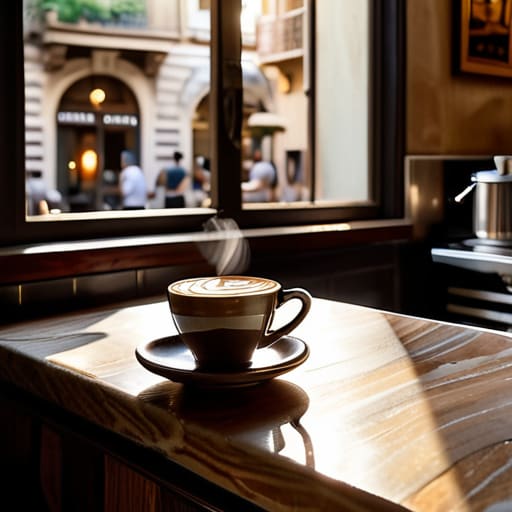
There is a specific kind of magic in that first hour of the morning, before the heat settles in and the tourists begin their daily trek toward the sand. I’ve found that the best way to truly witness scenic shoreline landscapes is to sit still with a heavy ceramic mug of coffee and simply watch the tide turn. There’s no rush to check a map or follow a rigid coastal travel itinerary; instead, I find myself watching the light dance across the crest of a wave, or noting how the mist clings to the dunes.

I often pull out my leather-bound notebook during these quiet moments, not to plan, but to sketch the jagged silhouette of a distant lighthouse or the way the shadows stretch across the boardwalk. It’s a practice in patience. While many people hunt for the most extravagant oceanfront accommodation ideas, I’ve learned that the luxury isn’t in the thread count of the sheets, but in the uninterrupted view of the horizon. A warm cup in hand and the steady rhythm of the surf—that is more than enough to set a steady course for the day.

A Few Simple Ways to Make the Most of the Tide

  • Leave the itinerary at home. I’ve learned that the best moments usually happen when you aren’t looking for them—like finding a tucked-away bakery or a particularly interesting rock formation. Let the coast dictate your pace, not a clock.
  • Pack light, but pack right. A sturdy pair of walking shoes and a reliable raincoat are worth more than any fancy gadget. If you’re anything like me, bring a small notebook; there’s something about the rhythm of the waves that makes you want to jot down a thought or sketch a horizon.
  • Eat where the locals linger. Skip the places with bright neon signs aimed at tourists. Instead, look for the small, weathered spots where the fishermen are grabbing lunch. That’s where you’ll find the real soul of the coast, and usually, the best catch of the day.
  • Embrace the off-season. If you can, visit when the crowds have retreated. There is a profound, heavy kind of peace in a seaside town during the autumn or early spring. The air is crisper, the views are clearer, and you won’t have to fight for a seat by the window.
  • Watch the light change. If you have a camera—even an old analog one—keep it close. The way the sun hits the water just before dusk is a fleeting masterpiece. Don’t just snap a photo; sit there and actually watch the colors shift. It’s good for the soul.

A Few Lessons from the Shoreline

Leave the itinerary behind; the best moments usually happen when you stop trying to check boxes and simply let the tide dictate your pace.

Pack a notebook and a camera, but remember that the most important way to capture a view is to sit with it long enough to actually feel it.

Prioritize the small, sensory details—the temperature of your coffee, the texture of the sand, or the sound of the gulls—as these are what truly anchor you to the present.

The Rhythm of the Tide

The Rhythm of the Tide at coast.

I’ve found that the ocean has a way of stripping away the noise of a busy life; you don’t go to the coast to find something new, but to finally hear the things you’ve been too hurried to notice.

Bernard Oyelaran

The Rhythm of the Tide

As I sit here in this small seaside cafe, watching the light shift across the dunes, I’m reminded of everything we’ve discussed. Whether it was finding that much-needed silence in a secluded retreat or simply sitting still with a warm cup of coffee while the tide rolls in, the goal remains the same. We aren’t looking for grand adventures or checklist destinations; we are looking for those quiet corners of the world where the clock seems to lose its grip on us. A coastal escape isn’t just about the geography of the shore, but about the intentional slowing down that happens when the horizon opens up before you.

If there is one thing I have learned from decades of managing tight schedules and rigid deadlines, it is that the most important moments are rarely the ones we plan for. They are the unplanned pauses—the salt air hitting your face, the taste of a fresh meal, or the way the sun hits the water just before dusk. So, my advice to you is simple: don’t just visit the coast, let the coast settle into you. Take the long way around the pier, leave the itinerary in your bag, and remember that life is meant to be savored, one slow, rhythmic wave at a time.

Frequently Asked Questions

Which coastal towns offer the best spots to sit quietly and sketch without being interrupted by crowds?

If you’re looking to pull out that notebook without a crowd breathing down your neck, I’d suggest heading toward the smaller pockets of the Oregon coast, like Manzanita. It has a certain stillness to it. Alternatively, the quieter corners of coastal Maine in the shoulder season are unmatched. There’s something about those sleepy, salt-crusted harbors that just invites you to sit, steady your hand, and really look at the light.

Are there any specific seaside towns you'd recommend for someone who prefers a slow pace over the usual tourist traps?

If you’re looking to sidestep the crowds, I’d suggest heading toward places like Mendocino up in Northern California or perhaps the smaller, quieter corners of the Maine coast. I found myself in a tiny village near Acadia last autumn, and there was nothing but the sound of the tide and the occasional foghorn. No neon signs or rushed souvenir shops—just old wooden docks, a decent local bakery, and enough silence to actually hear your own thoughts.

What are your favorite ways to pack for a coastal trip when you want to bring along your vintage cameras and sketching gear?

I’ve learned the hard way that overpacking is the enemy of a good walk. I stick to a sturdy, canvas rucksack—nothing flashy, just something that can handle a bit of sand. I keep my Leica and my leather notebook in a padded, dedicated compartment so they don’t jostle against my water flask. It’s about being prepared without being weighed down; if the bag is too heavy, I won’t wander far enough to find the good views.
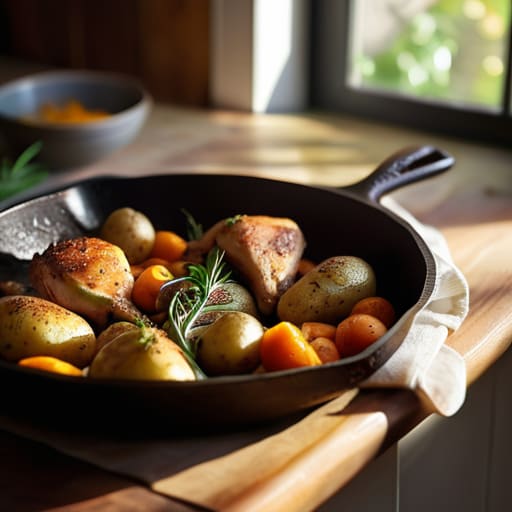

Convenient One Pan Dinner Ideas

I spent most of my career managing construction sites where everything was about efficiency, timelines, and keeping a thousand moving parts in sync. But lately, I’ve realized that the most important part of my day isn’t how much I get done, but how much I actually notice. There is a certain frantic energy in modern cooking—the mountain of pots, the cluttered counters, and the feeling that you’re racing against the clock just to eat. I found myself searching for a way to reclaim my evenings, and that is where I discovered the understated grace of one pan dinners. It turns out, you don’t need a kitchen full of gadgets to make something soulful; sometimes, you just need a single, reliable skillet and a little bit of patience.

In the following notes, I’ve gathered five of my favorite ways to approach these simple meals. I won’t give you complicated recipes that require a degree in chemistry, but rather, I want to share the essence of the meal—the specific combinations that allow you to spend less time scrubbing dishes and more time watching the light change through the window. From hearty seasonal vegetables to proteins that soak up every bit of flavor, these five ideas will show you how to turn a quick meal into a moment of quiet intention.

Table of Contents

Lemon-Thyme Roasted Chicken and Root Vegetables

Lemon-Thyme Roasted Chicken and Root Vegetables.

There is something deeply grounding about the scent of rosemary and thyme wafting through a kitchen as the oven does the heavy lifting. I find that a single heavy cast-iron skillet is all you really need to pull this together. You simply nestle chicken thighs amongst chunks of parsnips and carrots, drizzle them with a bit of olive oil, and let the heat work its quiet magic. It’s a meal that doesn’t demand your constant attention, allowing you to perhaps pick up that old Leica of mine and clean the lens instead.

Mediterranean Shrimp and Zucchini Skillet

Mediterranean Shrimp and Zucchini Skillet pan.

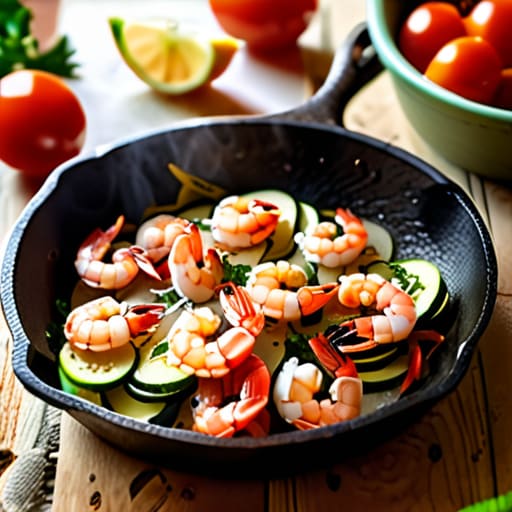
On those afternoons when the sun hangs a little lower and the air feels heavy, I find myself reaching for something lighter, something that doesn’t feel like a chore to prepare. A quick sauté of shrimp, sliced zucchini, and cherry tomatoes in a wide pan is my go-to. It’s a vibrant, colorful affair that reminds me of the small seaside bistros I visited during my travels through Italy. You don’t need much—just a bit of garlic, a squeeze of lemon, and a pinch of sea salt.

Sausage and Autumnal Cabbage Sauté

Sausage and Autumnal Cabbage Sauté in skillet.

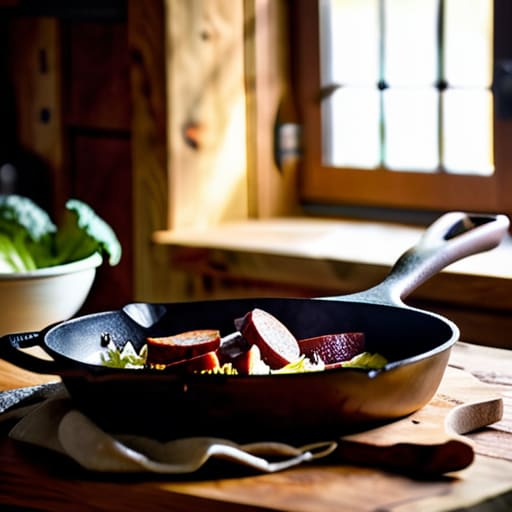
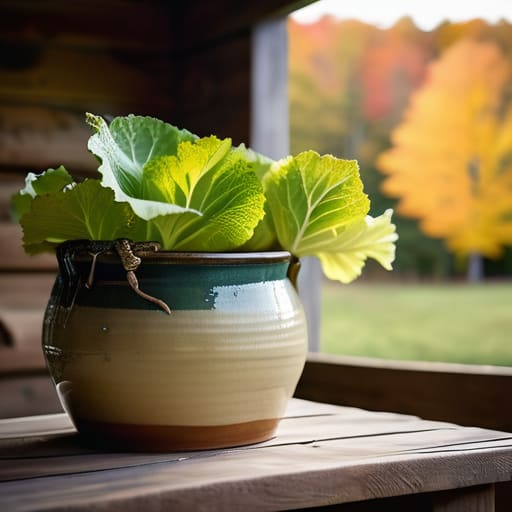
When the wind picks up and the leaves start their descent, my appetite shifts toward something a bit more robust. I often pull out a heavy skillet to brown some thick slices of smoked sausage alongside a heap of shredded cabbage. There is a wonderful, unpretentious satisfaction in watching the cabbage soften and turn golden in the rendered fat. It’s a rustic dish, the kind of meal that feels like it belongs in a small cottage in the Midwest.

Sun-Dried Tomato and Spinach Orzo

Occasionally, I crave something that feels a bit more refined, yet still requires nothing more than a single pot and a steady hand. Cooking orzo directly in the pan with a bit of broth and sun-dried tomatoes creates a texture that is almost creamy, without the need for heavy creams or complicated techniques. It’s a gentle way to cook, letting the starch from the pasta build a rich base that holds everything together.

Beef and Bell Pepper Fajita Skillet

Even in retirement, I find that I still appreciate a bit of texture and a bit of a “crunch.” A quick sear of sliced steak and colorful bell peppers in a hot pan is a wonderful way to shake off a sluggish afternoon. There is a certain auditory joy in the sizzle of the meat hitting the hot metal—a sound that signals something good is on its way. It’s a meal that feels social, even if I’m just eating it alone at my small wooden table.

A Few Final Thoughts Before You Head to the Kitchen

Don’t let the pursuit of a “perfect” meal get in the way of a peaceful one; sometimes the simplest ingredients, when given a moment of your attention, are the most rewarding.

The real benefit of a one-pan dinner isn’t just the lack of dishes, but the extra time it buys you to sit by the window, watch the light change, and actually enjoy your food.

Cooking shouldn’t feel like another project on a checklist—treat it as a way to slow your pace and find a little bit of quiet in the middle of a busy week.

The Beauty of Less

I’ve spent a lifetime managing complex blueprints and heavy machinery, so I’ve learned to appreciate the elegance of simplicity. There is a profound relief in a one-pan meal; it isn’t just about the lack of dishes, but about clearing away the clutter so you can finally focus on the flavor and the quiet of the evening.

Bernard Oyelaran

A Final Thought from the Kitchen

As I look back over these five simple meals, I’m reminded that cooking doesn’t always need to be a grand production or a complicated architectural feat. Whether it’s the way the juices from a roasted chicken soak into a bed of root vegetables or the simple, rhythmic sizzle of shrimp and peppers in a heavy skillet, these one-pan dinners offer a way to nourish ourselves without the exhaustion of a mountain of dishes. We’ve talked about balancing textures, managing heat, and letting the ingredients speak for themselves, but the real secret is that these meals are designed to serve you, not the other way around. They are about stripping away the noise so you can focus on what actually matters: the flavor and the feeling of being fed.

At the end of the day, I hope these recipes give you permission to step away from the frantic pace of the modern world. There is no prize for spending three hours cleaning a kitchen after a meal that was rushed through in twenty minutes. Instead, I invite you to embrace the quiet efficiency of a single pan, pour yourself a glass of something cold, and just be present in your own home. Life is far too short to spend it all standing over a sink. Take a seat, enjoy the warmth of the meal, and remember that sometimes, the most profound moments are found in the simplest of preparations.

Frequently Asked Questions

Do I need to worry about the vegetables getting too soft if I'm cooking them in the same pan as the meat?

That’s a fair concern, and I’ve certainly overcooked a few things in my time. The trick is all in the timing. I usually start with the meat to get that nice sear, then pull it aside or set it on a plate. I’ll toss the harder vegetables—like carrots or potatoes—in first. Once they’ve softened a bit, I add the greens. It’s all about layering the textures so nothing turns to mush.

Is it possible to make these meals a bit more substantial if I'm feeling particularly hungry after a long walk?

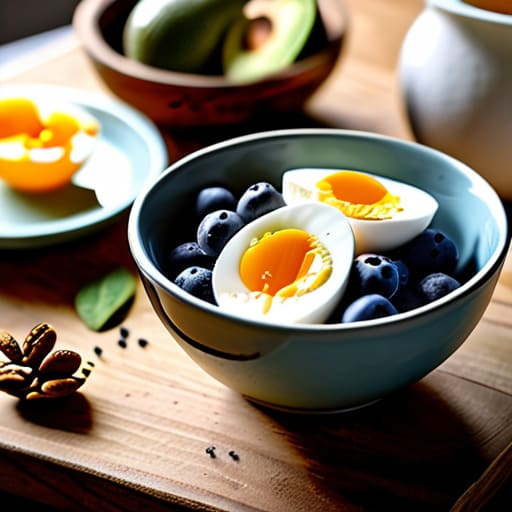
If a long walk has left your stomach growling more than usual, don’t be afraid to lean into the heartiness. I often find that adding a crusty piece of sourdough bread to soak up the juices, or perhaps a dollop of Greek yogurt or a soft-boiled egg on top, makes all the difference. It’s about adding substance without losing that simple, one-pan soul. Just a little extra fuel for the next journey.

What kind of cast iron or heavy-bottomed pans do you find work best for getting that nice, even sear without sticking?

In my years managing job sites, I learned that the right tool makes all the difference, and the same goes for the kitchen. I’ve always found that a well-seasoned Lodge cast iron skillet is hard to beat—it’s rugged and holds heat like a dream. If you prefer something a bit lighter, a heavy-bottomed stainless steel pan works wonders for a sear, provided you don’t rush the temperature. Just let the pan get warm first.

Nutritious Breakfast Ideas for Everyday

I spent thirty years on construction sites, where breakfast was usually a lukewarm coffee and a granola bar shoved into a pocket while rushing to a meeting. Nowadays, I see people making the same mistake, only they’ve swapped the rush for expensive, neon-colored powders and “superfood” smoothies that cost more than a decent steak. Honestly, the modern obsession with complicated wellness trends has made the idea of a healthy breakfast feel like a chore rather than a ritual. We’ve been sold this notion that if it isn’t complicated or overpriced, it isn’t working, but I’ve found that the most nourishing meals are often the simplest ones.

I’m not here to sell you a subscription to a meal kit or a bag of magic dust. What I want to do is share what has actually worked for me during these slower, more intentional years—the kind of food that settles in your stomach and stays with you. I’ll be walking you through a few straightforward, no-nonsense ways to start your day that honor both your body and your time. No hype, no pretension; just real food that helps you find your footing before the world starts rushing past.

Table of Contents

Nourishing the Soul With Balanced Macronutrients for Breakfast

Nourishing the Soul With Balanced Macronutrients for Breakfast

I’ve learned over the years, much like I did with structural integrity in my engineering days, that a foundation is only as good as its components. You can’t build a lasting bridge on sand, and you certainly can’t sustain a morning on nothing but caffeine and a prayer. When I think about balanced macronutrients for breakfast, I’m not thinking about calorie counting or rigid spreadsheets; I’m thinking about stability. A bit of protein to steady the nerves, some healthy fats to keep the mind sharp, and just enough complex carbohydrates to fuel a long walk through the park.

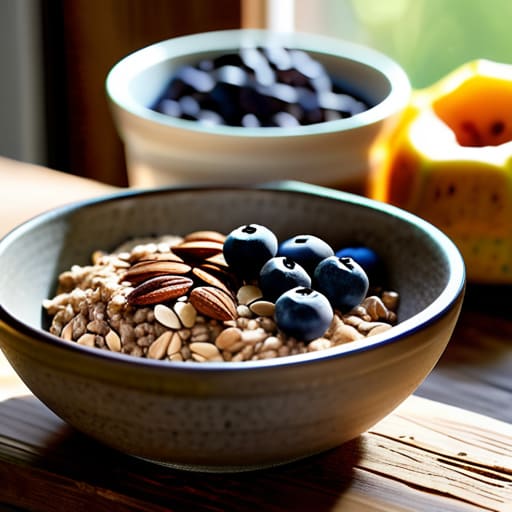
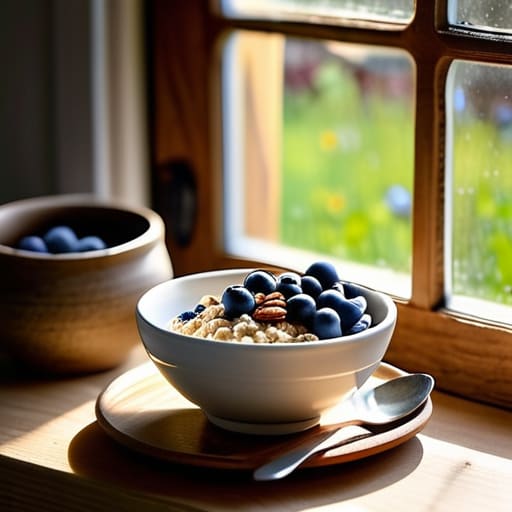
I often find myself leaning toward low glycemic index meals because they prevent that mid-morning crash that leaves me feeling restless. A bowl of steel-cut oats topped with a handful of walnuts and some fresh berries does more than just fill my stomach; it settles my spirit. It’s about choosing foods that release their energy slowly, much like the steady, rhythmic ticking of one of my vintage Leica cameras. When you get the proportions right, you aren’t just eating; you are preparing yourself to actually be present for the day ahead.

Finding Steady Peace Through Low Glycemic Index Meals

Finding Steady Peace Through Low Glycemic Index Meals

I’ve learned over the years that the mid-morning crash is often just a consequence of how we start our day. Back when I was managing construction sites, I used to grab a quick pastry or a sugary coffee, only to find my focus splintering by ten o’clock. I realized then that my body was reacting to a spike and a subsequent fall. Now, I lean toward low glycemic index meals to keep things steady. There is a certain quiet dignity in choosing foods like steel-cut oats or rye bread—things that take a little longer to digest but offer a slow, reliable release of energy.

It isn’t about restriction; it’s about intentionality. When I sit down with a bowl of Greek yogurt topped with walnuts and berries, I’m not just eating; I’m setting a tempo for the hours ahead. These high protein breakfast options act like an anchor, preventing that restless, jittery feeling that comes from refined sugars. It’s much easier to appreciate the light hitting a landscape or the texture of a well-worn camera lens when your blood sugar isn’t riding a roller coaster.

Small Rituals for a Better Morning

  • Don’t let the clock dictate your hunger; try to wake up just fifteen minutes earlier so you aren’t shoving a granola bar into your mouth while searching for your keys.
  • Seek out real, whole foods that require a bit of preparation, like cracking a fresh egg into a pan, rather than reaching for something that comes out of a crinkly plastic wrapper.
  • Keep a bowl of seasonal fruit nearby—there is something deeply grounding about the simple, bright taste of a peach or a handful of berries when the morning light is just hitting the table.
  • Hydrate before you caffeinate; I’ve found that a tall glass of cool water before that first cup of coffee makes the whole morning feel much more steady.
  • Use your breakfast as a moment of quiet reflection, perhaps with that little notebook of mine, to set an intention for the day instead of immediately checking the news.
A Few Small Reminders for Your Morning

Don’t view breakfast as just fuel for a race; treat it as a quiet ritual that sets the tone for how you’ll see the rest of your day.

Focus on the balance of proteins and fats rather than just rushing through carbs, so you aren’t left searching for energy by mid-morning.

Choose foods that linger on the palate and keep your energy steady, allowing you to move through your morning with a sense of calm rather than a frantic rush.

The First Ritual of the Day

A healthy breakfast isn’t about counting numbers on a label; it’s about giving yourself the quiet respect of a slow start and a meal that actually fuels the person you want to be today.

Bernard Oyelaran

A Final Thought Before the Day Begins

A Final Thought Before the Day Begins

As I sit here by the window, watching the light shift across my sketchbook, I’m reminded that a healthy breakfast isn’t just about counting grams of protein or checking off a list of micronutrients. It’s about the intentionality behind the choice. We’ve talked about the importance of balancing your macronutrients to fuel your body and the steady, reliable energy that comes from choosing low-glycemic foods. When you prioritize these elements, you aren’t just eating; you are building a foundation. You are deciding that your body deserves a stable start rather than the frantic, sugar-fueled rollercoaster that so many of us have grown accustomed to in our rush to get nowhere fast.

Ultimately, I hope you find that as you refine what you put on your plate, you also find a bit more peace in the process. Don’t let the pursuit of “perfect nutrition” become another chore on an already crowded list. Instead, treat your morning meal as a small, sacred ritual—a moment to breathe, to taste, and to simply be before the world starts demanding things of you. Whether it’s a bowl of steel-cut oats or a simple piece of rye with avocado, make it a moment worth savoring. After all, life is lived in these small details, and a well-nourished morning is the best way to honor them.

Frequently Asked Questions

I've always been a fan of a hearty breakfast, but how do I balance that feeling of fullness without feeling sluggish by mid-morning?

It’s a fine line to walk, isn’t it? I used to think a heavy plate meant a successful morning, but I’d end up staring blankly at my sketches by ten. The trick is to lean into fiber and healthy fats rather than just heavy starches. Think of a soft-scrambled egg with a bit of avocado or some thick Greek yogurt with walnuts. It keeps you anchored and satisfied without that heavy, foggy feeling.

Is it really worth the extra effort to prep these kinds of meals, or can I find a way to keep things simple when I'm traveling?

I’ll be honest—there are mornings when the extra effort feels like a mountain I just can’t climb. But when I’m traveling, I’ve learned that simplicity doesn’t have to mean compromise. You don’t need a gourmet spread; a handful of walnuts and a piece of fruit from a local market can be just as grounding. It’s about finding those small, easy wins that keep you steady without turning your breakfast into a chore.

Since I'm trying to slow down and enjoy my mornings, are there certain foods that help keep my mind steady rather than just fueling my body?

I’ve found that what we eat does more than just fuel our muscles; it settles the mind, too. When I’m sitting with my notebook, I reach for things like walnuts or a bit of Greek yogurt. Those healthy fats and proteins act like an anchor, keeping that morning brain fog at bay. It’s less about a quick sugar hit and more about choosing foods that let you sit quietly with your thoughts.

The Cultural Importance of Traditional Fermentation Methods

I remember sitting in my workshop last autumn, the smell of damp earth and old leather thick in the air, when I pulled a jar of kraut from the back of the pantry. Most folks today treat traditional fermentation like some high-stakes chemistry experiment, convinced they need expensive glass vessels, laboratory-grade salts, and a degree in microbiology just to make a decent pickle. They’ve turned a simple, ancient way of preserving life into a frustratingly complicated hobby filled with unnecessary gadgets. I’ve spent my life building bridges and managing complex systems, and if there is one thing I’ve learned, it’s that the most enduring structures are often the simplest ones.

I’m not here to sell you on a lifestyle brand or a set of overpriced kits. Instead, I want to share what I’ve learned through years of trial, error, and plenty of salty mistakes. I’ll guide you through the uncomplicated reality of working with living foods, focusing on the rhythms of nature rather than the rules of a textbook. My goal is to show you that with a little patience and a bit of grit, you can master the art of the jar without losing your mind—or your sense of peace.

Table of Contents

Mastering the Quiet Lacto Fermentation Process

Mastering the Quiet Lacto Fermentation Process.

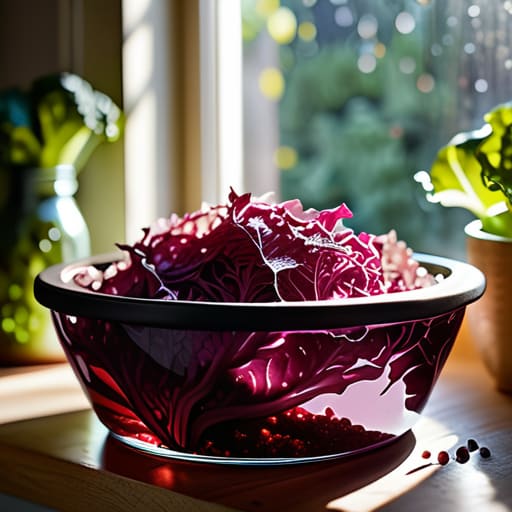
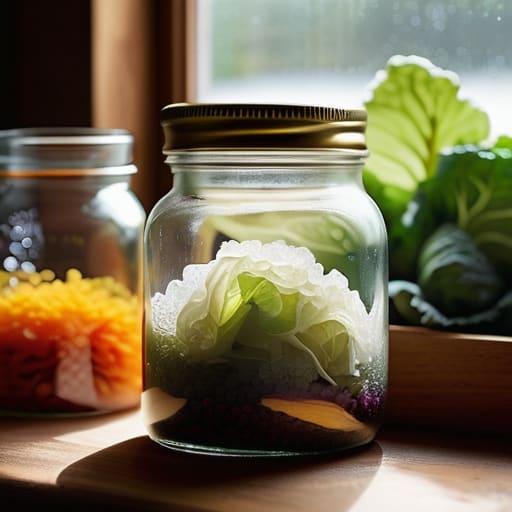
I remember my grandfather telling me that you don’t actually “make” a ferment; you simply create the right conditions and then step back to let nature take the lead. That’s the heart of the lacto-fermentation process. It isn’t about complex machinery or high-tech gadgets—though my engineering brain occasionally wants to overcomplicate things—it’s about salt, water, and time. I usually start with a simple brine, making sure my vegetables are tucked snugly beneath the surface. There is a certain meditative quality to pressing down those cabbage leaves, knowing that beneath the surface, wild fermentation techniques are quietly at work, transforming something simple into something profound.

Once the jar is sealed, the real work begins, which is mostly just waiting. I’ve learned that patience is a requirement here. As the days pass, you’ll see tiny bubbles rising to the surface—a sign that the beneficial bacteria are thriving. It’s a small, domestic miracle. I find that these natural probiotic sources do more than just add a sharp tang to a midday sandwich; they seem to settle my own restless mind, too. There’s a deep, quiet satisfaction in knowing that something so nourishing is happening entirely on its own schedule.

Wild Fermentation Techniques for a Slower Life

Wild Fermentation Techniques for a Slower Life.

While the controlled environment of a brine-based jar is a fine place to start, there is a different kind of magic found in true wild fermentation techniques. I’ve found that when you step away from the measured salt ratios and let the air and the ingredients themselves do the work, you’re engaging in a much older conversation with nature. I remember sitting on my porch in Michigan, watching the seasons shift, and realizing that a sourdough starter or a crock of wild cabbage is much like a well-tended garden; it requires a watchful eye rather than constant interference.

There is a certain humility in letting the local microbes take the lead. By leaning into these natural probiotic sources, you aren’t just making food; you are inviting the environment into your kitchen. It’s a slow, unpredictable dance that offers incredible microbiome diversity benefits, though it requires a bit more patience than the standard methods. I’ve learned that you can’t force a wild ferment to hurry along. You simply set the stage, provide the warmth, and wait for the beneficial bacteria for microbiome health to settle in and work their quiet wonders.

A Few Lessons Learned from the Jar

  • Don’t be afraid of a little imperfection. I used to think everything had to be surgically precise, like the blueprints I used to sign off on, but fermentation doesn’t care about straight lines. If a cabbage leaf looks a bit wonky or the brine is slightly cloudy, don’t panic. It’s just the life inside the jar doing its work.
  • Trust your senses over a timer. You can follow a recipe to the letter, but the real magic happens when you stop looking at the clock and start using your nose. That sharp, bright tang is your cue. If it smells clean and acidic, you’re on the right track; if it smells anything else, listen to your gut and start over.
  • Keep your tools simple and honest. You don’t need a laboratory of high-tech gadgets. A heavy stone to weigh down your vegetables or even a small glass weight will do just fine. I find that the more complicated the equipment, the more I tend to rush. The best tools are the ones that get out of the way.
  • Patience is the most important ingredient. I’ve learned that you can’t bully a ferment into finishing early. If you try to rush it by keeping it in a warm spot just to speed things up, you often lose that complex depth of flavor. Let it sit in the cool dark, just as nature intended.
  • Watch the bubbles, not the news. There is a quiet, meditative joy in seeing those tiny bubbles rise to the surface of a brine. It’s a small, living sign of progress. In a world that’s always shouting, watching something grow so silently is a wonderful way to center yourself.

Lessons from the Jar

Don’t fight the clock; fermentation is a lesson in letting go, teaching us that the most rewarding results come to those who can sit still and wait.

Trust your senses over a recipe, because the true magic is found in the subtle shift of a scent or the slight change in a vegetable’s texture.

Embrace the imperfection, whether it’s a slightly cloudy brine or a crookedly cut cabbage, as these small details are what make a handmade life feel real.

The Lesson in the Jar

“I spent decades trying to force structures into place with steel and concrete, always fighting against the clock; but with a fermenting crock, I’ve learned that the most profound transformations happen when you finally stop interfering and simply let time do its work.”

Bernard Oyelaran

The Beauty of the Wait

Fermenting food: The Beauty of the Wait.

Looking back on everything we’ve discussed, from the structured rhythm of lacto-fermentation to the more unpredictable, wild methods, it becomes clear that fermentation is much more than just a way to preserve food. It is a lesson in controlled patience. Whether you are carefully weighing salt for a batch of sauerkraut or simply letting the local microbes do their mysterious work in a jar of brine, you are participating in an ancient cycle. We’ve seen how mastering the basics provides a sense of stability, while wild fermentation invites us to embrace the beautiful, messy unpredictability of nature. It really comes down to respecting the process and understanding that you cannot force the microbes to hurry on your schedule.

As I sit here at this small cafe table, sketching the way the light hits my half-empty jar of kimchi, I’m reminded that our lives often feel like they are moving at a breakneck speed. We try to manufacture results instantly, but the most nourishing things—much like a well-aged ferment—require time and stillness to reach their full potential. I hope you’ll take a moment this week to start your own small jar, not just for the flavor, but for the quiet satisfaction of watching something grow. Remember, the best things in life aren’t found in the rush; they are discovered in the slow transformation.

Frequently Asked Questions

How do I know if my ferment has gone "off" versus just developing a strong, natural scent?

It’s a question that kept me up at night when I first started. There’s a fine line between that sharp, vinegary tang and something truly unpleasant. Generally, a strong, funky scent is just the microbes doing their work. But if you notice fuzzy mold—especially colorful ones like black or pink—or if the texture turns unpleasantly slimy, trust your gut and toss it. When in doubt, better to start fresh than to risk it.

Are there specific types of heirloom vegetables that tend to hold up better during the long wait?

I’ve found that the sturdier the vegetable, the better it handles the wait. I usually reach for heirloom carrots or thick-skinned radishes; they have a certain structural integrity that holds up beautifully. Purple heirloom carrots, in particular, keep such a lovely color. Even cabbage, if you find a dense, old-fashioned variety, stands up well to a long soak. It’s all about choosing something with a bit of backbone to weather the transformation.

Do I need to invest in specialized glass jars, or will my old kitchen containers do the trick?

Honestly, don’t go out and buy a whole set of fancy, matching jars just yet. I’ve found that my old Mason jars and even some sturdy glass Tupperware work just fine. The real trick isn’t the brand; it’s ensuring they have a tight seal and are easy to clean. Just make sure they’re glass—plastic can sometimes pick up those strong, fermented scents. Start with what you have in the cupboard.

How Italian Coffee Culture Shapes Daily Social Life

I remember sitting in a cramped, sun-drenched piazza in Florence last spring, clutching my leather notebook and watching a man in a linen suit stand at a marble counter. He didn’t have a laptop, a smartphone, or even a newspaper; he just had a tiny white cup and a moment of absolute, unshakeable stillness. It hit me then that most people treat italian coffee culture like a checklist of expensive beans and complex brewing gadgets, but they’re missing the entire point. To the locals, it isn’t about the chemistry of the roast or the price of the cafe; it’s about the sacred pause between one task and the next.

I’m not here to sell you on some overpriced espresso machine or a list of pretentious brewing techniques that require a degree in fluid dynamics. Instead, I want to share what I’ve learned from my travels and my own slow-paced observations about how to truly embrace the ritual. I’ll show you how to find that same sense of quiet contentment in a simple cup, whether you’re sitting on a cobblestone street or at your own kitchen table.

Table of Contents

A Walk Through the History of Italian Coffee Bars

A Walk Through the History of Italian Coffee Bars.

I’ve always found that understanding the bones of a place helps you appreciate its soul. Just as I used to study the blueprints of a bridge before crossing it, I find myself looking into the history of Italian coffee bars to understand why they feel so vital. These spaces weren’t just built for caffeine; they evolved from the grand, social hubs of the 18th century into the compact, efficient sanctuaries we see today. They became the “third place”—that essential spot between the home and the workplace where the community gathers to breathe.

As I sit here with my notebook, I realize that the architecture of the bar itself dictates the rhythm of the day. There is a certain unspoken choreography to the way people move. You see it in the traditional espresso etiquette that governs the room: the quick, standing sip at the counter for the worker in a hurry, versus the lingering conversation at a small table for the dreamer. It isn’t just about the bean; it’s about a centuries-old ritual of connection that has remained remarkably steady, even as the world outside begins to move much too fast.

Understanding the Gentle Art of Traditional Espresso Etiquette

Understanding the Gentle Art of Traditional Espresso Etiquette.

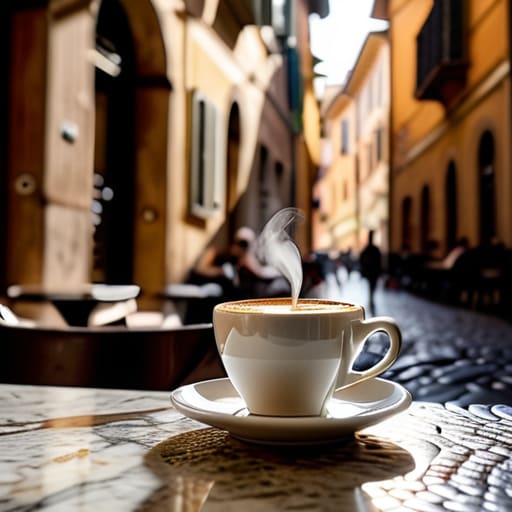
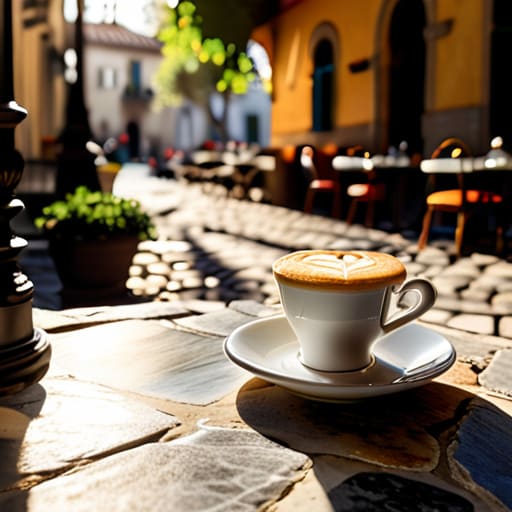
Now, if you find yourself sitting at a marble counter in a bustling piazza, you might feel a bit out of place if you don’t quite know the rhythm of the room. There is a certain grace to traditional espresso etiquette that isn’t written in any guidebook, but you feel it in the air. It’s about the tempo. You’ll notice most locals stand at the bar to drink their coffee, a quick, efficient ritual that keeps the energy moving. However, if you want to linger—perhaps to sketch the architecture or simply watch the sunlight hit the cobblestones—it is perfectly acceptable to sit. Just be aware that sitting at a table often comes with a small premium, a little extra cost for the luxury of space and service.

One thing that caught me off guard early on was the timing of your order. In Italy, milk-heavy drinks are strictly for the morning. If you try to order a cappuccino after a heavy lunch, you’ll likely get a polite, puzzled look from the barista. It’s not that they’re being unkind; it’s just that Italian coffee drinking customs dictate that milk is a breakfast affair, meant to start the day, while espresso is the companion to every meal thereafter.

Five Small Ways to Savor the Ritual

  • Stand at the bar like a local. There is a certain, quiet energy in the bustle of a standing crowd; it’s a way to participate in the rhythm of the morning without needing to own the space.
  • Leave your phone in your pocket. An espresso is meant to be a momentary pause, not a background for a digital distraction. Let your eyes wander to the street instead.
  • Respect the morning rule. If you find yourself craving a cappuccino, try to keep it to the early hours. After a heavy lunch, the Italians prefer a simple, dark espresso to settle the stomach.
  • Don’t be afraid of the “Caffè Sospeso.” In some neighborhoods, there’s a beautiful tradition of paying for an extra coffee for someone in need. It’s a small way to connect with the community you’re passing through.
  • Take your time with the vessel. Even if you’re standing, feel the weight of the porcelain and the heat of the cup against your palms. It’s a tactile reminder to stay present in the moment.

Lessons from the Counter

Don’t treat coffee as fuel for a race; treat it as an invitation to sit, observe, and let the world spin without you for a few minutes.

Embrace the ritual of the standing espresso—it’s not about being rushed, but about joining a shared, momentary community at the bar.

Pay attention to the small things, from the weight of the ceramic cup to the hiss of the machine, and find the quiet beauty in those simple textures.

The Rhythm of the Bar

“In the States, we treat coffee like fuel for a race we’re losing, but here, it’s the anchor that holds you steady. An espresso isn’t just a drink; it’s a brief, necessary pause that reminds you the world can wait five minutes while you find your footing.”

Bernard Oyelaran

The Last Sip

Enjoying The Last Sip in Italian piazza.

As I sit here in this small piazza, watching the light shift across the cobblestones, I’m reminded that Italian coffee is so much more than just a caffeine fix. It is a tapestry woven from centuries of history, a shared set of unspoken rules of etiquette, and a profound respect for the ritual itself. We’ve looked at how the humble coffee bar became the heartbeat of the community and why standing at the counter is more than just a convenience—it’s a way of connecting with the rhythm of the street. Whether you are navigating the nuances of a morning cappuccino or simply observing the quiet elegance of a perfectly pulled shot, you are participating in a tradition that values quality over haste.

If there is one thing I hope you take away from these reflections, it is this: don’t be afraid to linger. In our modern world, we are constantly pressured to move faster, to optimize, and to conquer the day before we’ve even truly arrived. But the Italians have mastered a secret we often forget. They know that the most meaningful moments are often found in the pauses between the busyness. So, the next time you find yourself with a warm cup in hand, I encourage you to put your phone away, breathe in the aroma, and simply be present. Life is far too short to drink your coffee in a rush.

Frequently Asked Questions

If I'm traveling through smaller towns outside the big cities, will I still find these traditional espresso bars, or is it mostly a city thing?

Honestly, that’s where the real magic happens. While the big cities have their grand, marble-clad cafes, it’s in the smaller towns—the ones where the pace of life seems to settle into a comfortable rhythm—that you’ll find the most authentic soul. Look for the tiny, unassuming bars tucked between a bakery and a cobbler. They might not be fancy, but the espresso is consistent, the locals are friendly, and the sense of community is palpable.

Is it truly considered strange to order a cappuccino after noon, or is that just one of those old-fashioned rules that people don't mind anymore?

Now, I’ve heard the debate quite a bit. Technically, yes, the old guard will tell you a cappuccino is strictly a breakfast affair—something to fuel your morning. But honestly? I’ve sat in more than a few sun-drenched piazzas well past midday, enjoying a frothy cup while sketching the architecture. If it brings you a moment of peace, don’t let a rigid rule spoil your enjoyment. Just don’t be surprised if a local gives you a curious look.

When I'm standing at the bar like the locals do, is there a specific way I should settle up with the barista, or do I pay at the end?

It’s a bit different than our quick drive-thrus back home. Usually, you’ll find it’s best to pay right at the counter when you order, or sometimes just before you head out. Don’t be surprised if there’s a little machine sitting right there on the marble. Just a quick tap or a few coins, a nod to the barista, and you’re set. No need to overthink it; just keep that steady, easy pace.

The Importance of Morning Sunlight for Health

I remember sitting on a rusted folding chair back in ’84, watching the sun creep over the skeleton of a new bridge project in Michigan. The air was biting, but that first sliver of morning sunlight hitting the steel felt like a quiet, steady handshake from the world. It wasn’t about some complicated wellness routine or a high-tech gadget; it was just the simple, unfiltered warmth of a new day beginning. Lately, I see people spending a fortune on specialized light therapy lamps and expensive “circadian-optimizing” apps, as if nature requires a subscription fee to work its magic.

I’m not here to sell you on a miracle cure or a complicated biological hack. Instead, I want to share what I’ve learned from a lifetime of watching the light change across different landscapes. I’ll tell you exactly how I use those first few minutes of the day to ground myself before the world starts its frantic rushing. This isn’t about perfection; it’s about finding a simple rhythm that makes the rest of the day feel a little more manageable and a lot more meaningful.

Table of Contents

Finding Rhythm in Your Cortisol Awakening Response

Finding Rhythm in Your Cortisol Awakening Response

I’ve spent a lot of my life working by the clock—strict deadlines, blueprints, and the rigid schedules of construction sites. But lately, I’ve been learning that the body has its own internal clock, one far more reliable than any digital watch. There’s this biological phenomenon called the cortisol awakening response, which is essentially your body’s way of sounding a gentle, natural alarm to get you moving. When I step out onto the porch and let that early light hit my eyes, I feel that internal gear shift happening. It isn’t a sudden jolt, but rather a steady, rhythmic rising of energy that prepares me for the day ahead.

It’s funny how much our modern habits disrupt this. We spend our evenings staring at glowing screens, which messes with our melatonin production cycle and leaves us feeling groggy when the sun finally comes up. By prioritizing a bit of early light, I’ve found I can actually settle into a more predictable pattern. It’s not about being productive or checking off a list; it’s about aligning my internal tempo with the world around me. When I find that rhythm, the rest of the day just seems to flow a little more smoothly.

How Natural Light Exposure Benefits the Soul

How Natural Light Exposure Benefits the Soul

It isn’t just about the biology of it all, though I’ve learned enough to know that our bodies crave that connection to the sky. For me, it’s more about a sense of grounding. When I sit on my porch, watching the shadows stretch across the garden, I feel a profound shift in my temperament. There is something about the gentle, golden quality of the early rays that acts as a balm for a restless mind. It’s a form of morning sun for mood regulation that no amount of artificial lighting can replicate.

In my engineering days, I was always chasing deadlines and living under fluorescent hums. I didn’t realize how much that drained my spirit. Now, I understand that prioritizing natural light exposure benefits is less about a checklist and more about a way of being. It’s an invitation to step out of the digital haze and back into the real world. When you let that light hit your eyes, you aren’t just waking up your brain; you are reminding your soul that it is alive and part of something much larger than a daily schedule.

A Few Simple Ways to Bring the Light Into Your Morning

  • Don’t reach for the phone first. I’ve learned the hard way that scrolling through news or emails is a thief of peace. Instead, leave the screen in another room and head straight for the window or the porch.
  • Keep it brief but consistent. You don’t need an hour-long hike; just ten or fifteen minutes of standing there, letting the light hit your eyes, is enough to tell your body the day has truly begun.
  • Step outside if the weather allows. There is a particular kind of clarity you get from the air outside that a windowpane just can’t replicate. Even if there’s a bit of a chill, wrap yourself in a sweater and go out there.
  • Let yourself be still. Use this time to simply exist. I often find myself pulling out my little notebook to sketch the way the shadows stretch across the grass, rather than rushing through the ritual just to check it off a list.
  • Avoid the sunglasses for a moment. While I’m a fan of protecting my eyes, you need that natural, unfiltered light to reach your system. Just be careful not to stare directly at the sun—there’s a fine line between soaking up the light and being reckless.

A Few Small Reminders for the Road Ahead

Don’t feel the need to rush into your day; instead, treat those first few minutes of sunlight as a quiet appointment you keep with yourself.

Keep your eyes off the phone and look toward the horizon—letting your gaze wander across the landscape is just as good for your spirit as it is for your eyes.

Whether it’s a porch swing or a park bench, find a consistent spot where you can simply sit, breathe, and let the morning light settle in.

A Simple Way to Wake Up

“I used to think productivity was about how fast you could start your engine, but after years of watching the sun climb over the horizon, I’ve realized that true clarity comes from simply sitting still and letting the morning light find you first.”

Bernard Oyelaran

A Simpler Way to Start

A Simpler Way to Start each day.

When I look back at everything we’ve discussed, it really boils down to something quite fundamental. Whether it’s the way that early light helps steady your internal clock or the profound sense of peace that comes from simply being present in the dawn, the benefits are undeniable. We don’t need complicated gadgets or expensive supplements to find our footing each day; we just need to step outside and let the world wake up around us. It’s about aligning our biology with the natural rhythm of the earth, ensuring that our bodies and minds aren’t just surviving the rush, but are actually tuned into the cadence of life.

As I sit here in my garden, watching the light catch the edge of a dewdrop on a leaf, I’m reminded that we spend so much of our lives looking toward the next big thing. We chase deadlines, milestones, and achievements, often forgetting that the most vital nourishment is often free and waiting right outside our front door. My advice to you is simple: tomorrow morning, don’t reach for your phone the moment you open your eyes. Instead, reach for your coffee, find a patch of sun, and just sit a while. You might find that the most important part of your day isn’t what you do, but how you choose to receive it.

Frequently Asked Questions

Is there a specific time of day when the light is most effective, or does it matter if it's a bit cloudy outside?

I’ve learned through plenty of slow mornings that the clock matters less than the intention. Ideally, that first hour after waking is best, but don’t let a gray sky discourage you. Even on those overcast days in Michigan, that diffused light still carries enough magic to steady the nerves. Whether it’s a piercing golden beam or a soft, cloudy glow, just get outside. The light will find you, even through the clouds.

Should I be looking directly toward the sun, or is just being out in the open enough to get the benefits?

Now, please, don’t go staring directly into the sun—I’m a retired engineer, not a madman, and I certainly don’t want you damaging your eyes. You don’t need to look at the bright orb itself. Just being out in the open, letting that soft, ambient light wash over you while you sit on the porch or walk the path, is more than enough. It’s about the presence of the light, not the glare.

How long do I actually need to sit out there to feel the difference in my mood or energy?

I’m not one for timers or rigid schedules—that’s a habit from my engineering days I’ve had to leave behind. But I’ve noticed that if I linger for even fifteen or twenty minutes, something shifts. It’s just enough time to finish a cup of coffee and watch the shadows stretch. You don’t need an hour; you just need enough time to stop rushing and actually let the warmth settle into your bones.

The Calming Ritual of Drinking Tea

I remember sitting in a cramped, drafty tea house in Kyoto last spring, watching a young man struggle with a set of bamboo tools that cost more than my first truck. He was so preoccupied with the “correct” angle of his wrist and the precise temperature of the water that he completely missed the point. People tend to treat the tea ceremony like a high-stakes engineering exam or some rigid, untouchable ritual that requires a PhD to navigate. But if you’re too busy worrying about whether you’ve offended an ancient tradition to actually taste the matcha, then you’ve missed the entire forest for the trees.

I’m not here to teach you how to perform for an audience or how to spend a fortune on ceremonial ceramics. What I want to share is the soul of the practice—how it can act as a quiet anchor in a world that refuses to stop spinning. I’ll walk you through the simple, honest rhythms of the process, focusing on how to find that much-needed stillness in a single cup. My goal is to help you strip away the pretension and discover how a tea ceremony can become your own personal way to slow down and notice the details.

Table of Contents

Finding Zen Meditation Through Tea

Finding Zen Meditation Through Tea ritual.

I’ve never been much for sitting perfectly still in a silent room, but I’ve found that the ritual of the steep offers a different kind of quiet. It isn’t about emptying your mind of every thought—that’s a tall order for a man who spent decades calculating bridge tolerances—but rather about anchoring yourself to the present. When I focus on the weight of the ceramic bowl or the specific, rhythmic sound of water hitting the whisk, I am engaging in a form of zen meditation through tea that feels far more natural than sitting on a cushion.

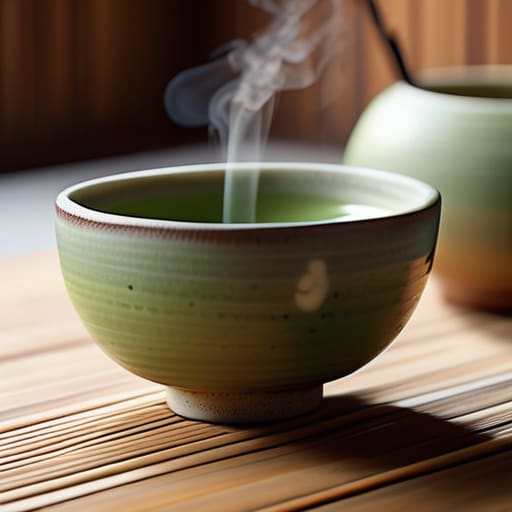
There is a profound shift that happens when you move away from gulping coffee while checking emails and instead embrace mindful tea drinking practices. You begin to notice the subtle shifts in temperature and the way the aroma changes as the leaves unfurl. It’s a slow, deliberate process that forces you to match the pace of the tea rather than the pace of the world. For me, that transition is where the real peace lies; it’s the moment the mental noise finally begins to settle.

The Quiet Beauty of Traditional Tea Ceremony Tools

The Quiet Beauty of Traditional Tea Ceremony Tools.

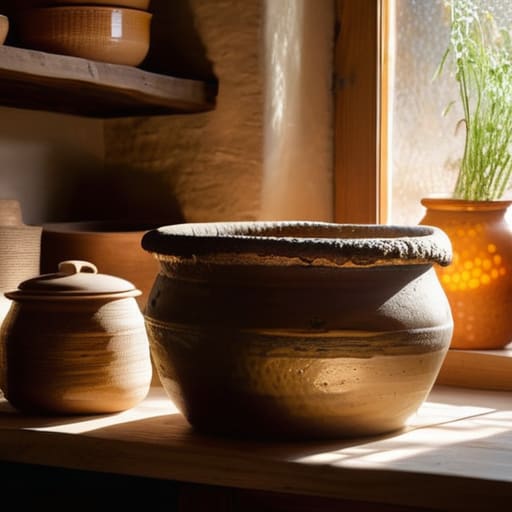
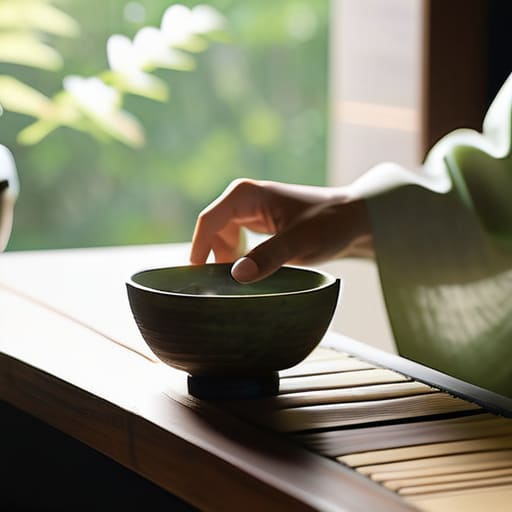
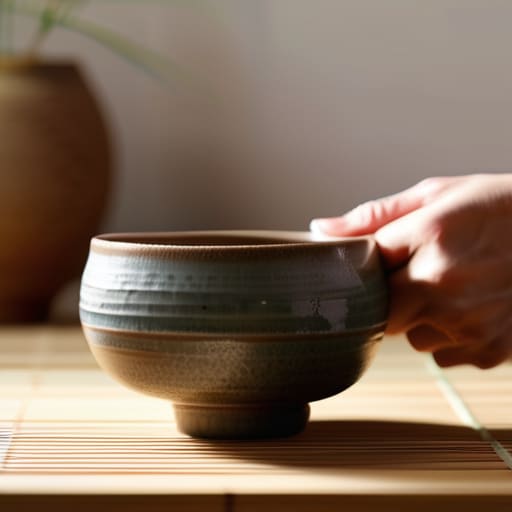
There is something deeply grounding about holding objects that have been shaped by human hands over centuries. As I sit here, I find myself drawn to the weight of the chawan, the tea bowl. It isn’t perfectly symmetrical or polished like something you’d find in a department store; instead, it has these wonderful, intentional imperfections. When I run my thumb over the textured glaze, it reminds me of why I love restoring old cameras—there is a soul in the tactile irregularities. These traditional tea ceremony tools aren’t just utensils; they are anchors that pull you back into the present moment.

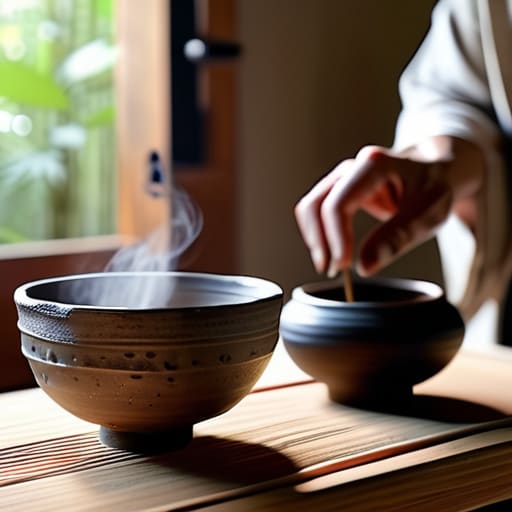
Even the bamboo whisk, the chasen, demands a certain level of respect. Watching the fine tines move through the water is a lesson in itself. It’s a slow, rhythmic motion that turns a simple task into a full sensory experience of tea tasting. You hear the soft scrape of bamboo against ceramic, smell the toasted aroma of the matcha, and feel the warmth radiating through the bowl. In my years managing construction sites, everything was about speed and efficiency. But here, with these simple tools, I’m learning that the most meaningful things often require us to move much, much slower.

A Few Small Ways to Bring the Ceremony Home

  • Don’t worry about the “correct” way to sit or hold the cup. If you’re too focused on your posture, you’ll miss the steam. Just find a comfortable spot where the world can’t reach you for a few minutes.
  • Pay attention to the sound. There’s a specific, rhythmic song to the water boiling in a kettle and the whisking of the tea. It’s a far cry from the constant hum of a television or a smartphone.
  • Treat your tools with a bit of respect. You don’t need expensive, museum-grade ceramics, but using a heavy, well-made mug instead of a disposable cup changes how you hold the warmth. It makes the moment feel intentional.
  • Slow your breathing to match the pour. I’ve found that if I watch the tea hit the bottom of the bowl, I naturally start to settle my nerves. It’s a simple way to anchor yourself in the present.
  • Leave the distractions in the other room. A tea ceremony isn’t a multitasker’s game. If you’re checking your email while you sip, you aren’t really having tea; you’re just hydrating while being busy.

Lessons from the Steep

It isn’t about the perfection of the ritual, but the way it forces you to finally sit still and breathe.

Real beauty is found in the small, tactile details—the weight of a ceramic bowl or the way the steam catches the morning light.

Slowing down isn’t a waste of time; it’s how you actually start living the moments you used to just rush through.

The Rhythm of the Pour

“In my years managing construction sites, I learned that everything has a pace, but we often try to force it. A tea ceremony is the opposite; it’s the realization that the water only boils when it’s ready, and the best moments in life are the ones where you finally stop trying to outrun the clock and just sit with the steam.”

Bernard Oyelaran

The Last Sip

Mindful tea ceremony ritual: The Last Sip.

Looking back on everything we’ve discussed, it’s clear that a tea ceremony is so much more than just a way to prepare a beverage. It is a delicate dance between the mindfulness of meditation and the tangible, tactile connection we find in the well-worn tools of the craft. Whether it is the intentionality of the movements or the simple weight of a ceramic bowl in your palms, these elements work together to pull us out of our frantic schedules and back into the present moment. It isn’t about achieving perfection or mastering a complex ritual; it is about the intentional pause that allows us to breathe again.

As I sit here in this small cafe, sketching the way the light hits my cup, I am reminded that we don’t need a formal ceremony to find this kind of peace. We can find it in the steam rising from a morning mug or the quiet rhythm of a long walk. My advice is simple: don’t wait for a special occasion to slow down. Find your own version of a ceremony in the ordinary details of your day. Life moves fast enough as it is; make sure you are actually present to taste it.

Frequently Asked Questions

Is it necessary to have a formal set of tools to start practicing this at home, or can I use what I already have in my kitchen?

Honestly, don’t let the fancy equipment intimidate you. I’ve spent enough years looking at blueprints to know that the foundation is what matters, not the polish. If you have a decent teapot and a couple of ceramic mugs, you’re already halfway there. It’s not about owning a perfect set of matcha whisks; it’s about the intention you bring to the table. Use what you have, find a quiet corner, and just start.

How much time should I actually set aside for a ceremony so that I don't feel rushed or like I'm just going through the motions?

I used to think efficiency was everything—getting from point A to point B as quickly as possible. But with tea, if you try to squeeze it into a fifteen-minute break, you’ve already lost. I try to carve out at least forty-five minutes. You need time for the water to heat, for the whisking, and, most importantly, for your own mind to settle. If you aren’t willing to give it a half-hour, you aren’t making tea; you’re just making a drink.

If I'm feeling particularly restless or distracted, are there specific types of tea that might help me settle into that meditative state more easily?

When my mind starts racing like a construction site during rush hour, I turn to something grounding. I find that a mellow Hojicha—a roasted green tea—is wonderful; its toasty, earthy scent acts like an anchor for my thoughts. If the restlessness is deeper, a simple Chamomile or a gentle Linden flower tea works wonders. They aren’t meant to knock you out, just to soften the edges of a frantic day.

Exploring Local Life Through Street Markets

I was sitting at a small, rickety wooden table in a village square outside of Lucca last Tuesday, sketching the way the light hit a crate of bruised peaches. I realized then that most people approach local markets like they’re checking items off a frantic grocery list, rushing through the aisles to get back to their “real” lives. They miss the soul of the place—the rhythmic call of the vendors, the scent of crushed basil, and the way a conversation with a cheesemonger can actually change your entire perspective on a day. We’ve become far too obsessed with efficiency and far too little with the actual experience of living.

I’m not here to give you a polished travel brochure or a list of the most “Instagrammable” spots in town. Instead, I want to share what I’ve learned from years of wandering through these stalls, from the bustling hubs of the Midwest to the quiet corners of Europe. I’ll show you how to navigate the crowds, how to spot the real gems hidden behind the tourist traps, and how to simply sit, eat, and observe. This is about finding the heartbeat of a community, one stall at a time.

Table of Contents

Savoring the Season Farmers Market Seasonal Produce

Savoring the Season Farmers Market Seasonal Produce

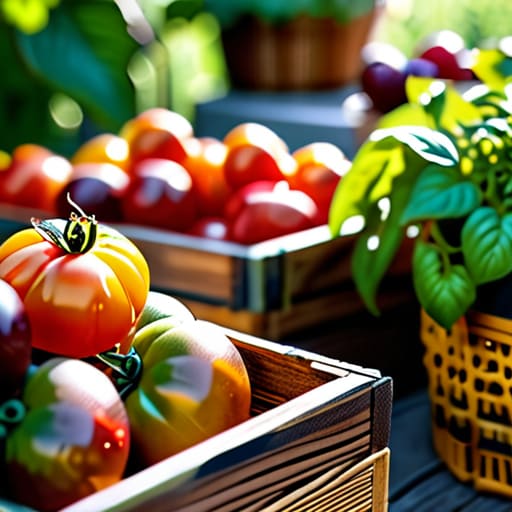
There is a specific kind of magic in the way a stall changes from week to week. When I first started my weekend market tours, I didn’t realize how much I would come to rely on that rhythm. One week, it’s the deep, earthy scent of heirloom carrots still dusted with soil; the next, it’s the bright, citrusy snap of early summer berries. There’s no substitute for farmers market seasonal produce when you’ve actually seen it grow. You can tell by the weight of a tomato or the firmness of a peach that it hasn’t spent a week sitting in a shipping container.

I find myself lingering longer at the vegetable stands these days, more out of curiosity than hunger. I like to watch the hands of the people selling the goods—hands that look like they’ve spent a lifetime working the earth. It’s a quiet way of supporting local vendors that feels much more meaningful than a quick trip to the supermarket. It’s about more than just groceries; it’s about connecting to the cycle of the seasons, one basket at a time.

Weekend Market Tours and the Art of Wandering

Weekend Market Tours and the Art of Wandering

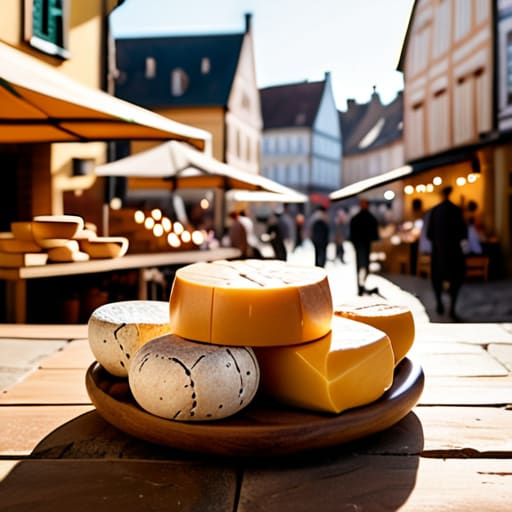
I’ve learned that the best way to experience a new town isn’t by following a GPS, but by letting my feet lead the way. When I set out on my weekend market tours, I leave my itinerary at the hotel. There is a certain rhythm to the way a crowd moves through these stalls—a slow, undulating wave of people pausing to inspect a wheel of cheese or chat with a potter. I often find myself drifting toward the back corners of the square, where the noise of the main thoroughfare fades into a gentle hum.

It’s in these quiet pockets that I truly discover the soul of a place. I might stumble upon a small stall filled with hand-carved wooden spoons or intricate textiles, realizing that supporting local vendors is about much more than just a transaction; it’s about connecting with the hands that made them. I usually end up sitting on a weathered bench, notebook in hand, trying to capture the way the shadows fall across a display of artisan goods and crafts. It’s a slow process, but that’s exactly the point.

A Few Notes from My Leather-Bound Notebook

  • Bring a sturdy canvas bag and a bit of extra patience. These stalls aren’t built for speed, and you’ll want something reliable to carry your finds without the crinkle of plastic getting in the way of the experience.
  • Arrive early, but not too early. There’s a sweet spot about an hour after the initial rush when the light is soft, the vendors are settled, and you can actually strike up a real conversation with the person who grew your tomatoes.
  • Keep a little extra cash tucked away in your pocket. While many folks take cards these days, there’s a certain simple dignity in handing a vendor a few bills; it keeps the transaction quick and keeps the connection personal.
  • Don’t be afraid to ask questions. I always ask about the soil or how long a certain peach has been ripening. Most growers are more than happy to share their craft, and it turns a simple purchase into a small lesson in history.
  • Leave room for the unexpected. If you see a stall selling something you’ve never heard of, or a baker with a tray of warm, unidentifiable pastries, buy a little. The best parts of a market are often the things you didn’t plan to find.

A Few Lessons from the Market Aisles

Don’t be afraid to let your feet lead the way; the best treasures are usually found when you stop following a list and start following your nose.

Talk to the folks behind the stalls; there’s a wealth of knowledge in a vendor’s hands that you won’t find on any grocery store label.

Buy what is in season, even if it looks a little dusty or odd-shaped; that’s usually where the real flavor is hiding.

The Heartbeat of the Town

A grocery store is a place to check off a list, but a local market is a place to feel the pulse of a community; it’s where you realize that a bruised peach or a hand-knit scarf carries more soul than anything wrapped in plastic under fluorescent lights.

Bernard Oyelaran

A Final Thought from the Sidewalk

A Final Thought from the Sidewalk.

Looking back on the morning, I realize that these markets offer so much more than just a basket of heirloom tomatoes or a jar of wildflower honey. They provide a rhythm that our modern, digital lives so often lack. Between the seasonal bounty that tells us exactly what time of year it is, and the simple, aimless joy of wandering through the stalls without a checklist, we find a way to reconnect. It isn’t just about the groceries; it’s about the human connection found in a brief chat with a grower or the way the air smells of fresh basil and damp earth. When we make the effort to show up, we aren’t just shopping—we are participating in the heartbeat of the community.

As I sit here now, sketching the way the shadows fall across my empty coffee cup, I’m reminded that the best things in life rarely require a reservation or a high-speed connection. They require presence. So, the next time you feel the world moving a little too fast, I encourage you to find your local market. Don’t go with a frantic list of errands; go with an open mind. Take the long way, talk to a stranger, and let yourself linger. After all, life is far too short to rush through the very moments that make it truly worth living.

Frequently Asked Questions

Are there certain days of the week when the markets are less crowded, if I'm looking for a quieter experience?

If you’re looking to avoid the mid-morning rush, I’ve found that arriving just as the stalls are being set up—usually right when they open—is the secret. Most folks don’t roll out of bed until later, so that first hour is wonderfully still. Alternatively, aim for the final hour before they pack up. It’s much quieter then, though you might have to hunt a bit more for the best heirloom tomatoes.

Do I need to bring plenty of cash, or are most of the vendors able to take cards these days?

I’ve learned the hard way that a bit of cash goes a long way. While many of the larger stalls have embraced card readers lately, there’s still something about the smaller, family-run booths—the ones tucked in the corners—that prefers the old-fashioned way. I always keep a few folded bills in my pocket. It keeps things simple, and frankly, there’s a certain quiet satisfaction in handing over a note for a perfect peach.

What are some good ways to keep fresh produce from wilting if I'm planning to spend the afternoon wandering around?

I’ve learned the hard way that a heavy bag of greens can turn to mush by lunchtime. I usually tuck a small, insulated cooler bag into my rucksack—nothing fancy, just something to keep the chill in. For things like herbs or leafy greens, I find a damp kitchen towel works wonders if you wrap them loosely. It’s all about protecting those delicate details so they’re still vibrant when I finally sit down to cook.

Delicious Ways to Use Avocado

I’ve spent most of my life looking at blueprints and structural steel, things that are rigid, heavy, and demand your absolute attention. But lately, I’ve found myself drawn to the opposite—the soft, the fleeting, and the simple. There is a certain frustration in the modern rush, isn’t there? We often find ourselves standing in the grocery aisle, staring at a pile of avocados, wondering how to make something so humble feel like a proper event rather than just another chore on a checklist. It’s easy to let breakfast become a mindless habit, but I’ve found that searching for the right avocado recipes is actually a search for a way to reclaim those quiet, stolen moments of the morning.

In the following notes, I want to share five ways I’ve learned to treat this fruit with the respect it deserves. I won’t be giving you anything overly complicated or fussy; my kitchen has never been one for theatrics. Instead, I’ll walk you through five distinct avocado recipes that focus on texture, timing, and true flavor. Whether you’re looking for a way to fuel a long walk or simply want to sit by the window and watch the world go by, these ideas will help you turn a simple ingredient into a small, delicious sanctuary.

Table of Contents

The Simple Perfection of Smashed Toast

The Simple Perfection of Smashed Toast.

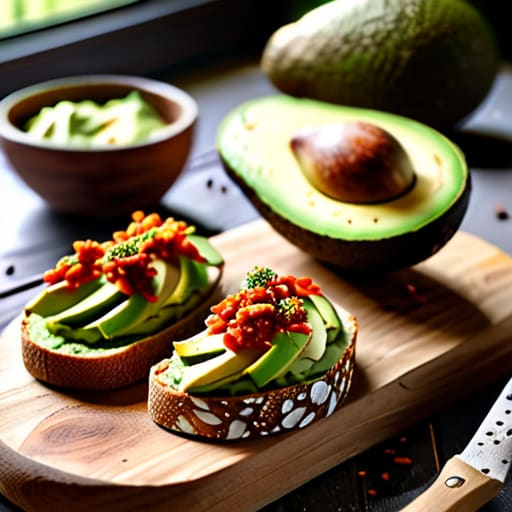
There is something profoundly grounding about the ritual of making toast in the early hours. I find that when I take the time to select a truly ripe avocado, the process becomes almost meditative. I like to mash it roughly in a small ceramic bowl, leaving some chunks intact for texture, and then spread it thick over a slice of sourdough that has been toasted until it’s just the right shade of golden brown.

A Creamy Avocado and Lime Salad

A Creamy Avocado and Lime Salad.

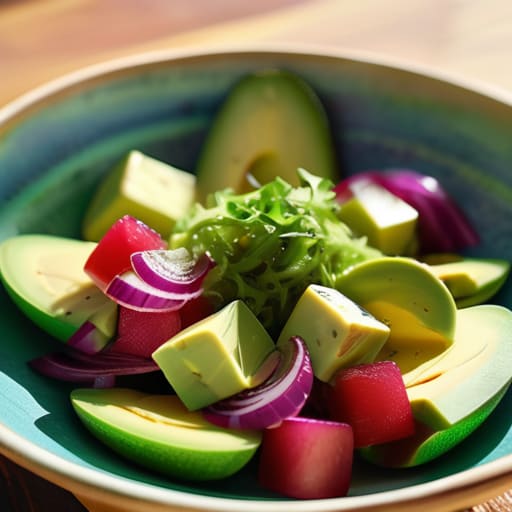
When I was traveling through the coastal towns last summer, I noticed how much a bit of acidity could transform a heavy meal. I’ve started making a small avocado salad to accompany my lunches, especially when the weather turns warm. I dice the fruit into neat cubes—a habit left over from my engineering days where precision always mattered—and toss them with thinly sliced radishes and red onion.

Avocado and Poached Egg Breakfast Bowls

Avocado and Poached Egg Breakfast Bowls.

On those mornings when I have a bit more time to linger over a book, I prepare a breakfast bowl that feels a little more substantial. I start with a base of warm quinoa or even just a handful of bitter greens. Then, I add thick slices of avocado and a perfectly poached egg. There is a particular kind of visual satisfaction in watching that golden yolk break and run into the creamy green of the fruit.

The Guacamole That Takes Its Time

I’ve learned that you can’t rush a good guacamole; it’s a dish that demands you pay attention to the details. I avoid the pre-made tubs you see in the grocery stores; they lack the soul of something made by hand. I prefer to use a stone mortar and pestle to crush garlic and chilies before adding the avocado. This method releases the essential oils and creates a much deeper flavor profile.

Avocado and Smoked Salmon Rye

Occasionally, I’ll prepare something that feels a bit more elegant, even if I’m just eating it alone at my kitchen table. A thick slice of dark, dense rye bread topped with smashed avocado and a ribbon of smoked salmon is a combination I never tire of. The saltiness of the fish plays so well against the buttery texture of the avocado, creating a balance that is quite sophisticated.

A Few Final Thoughts for the Road

Don’t worry about perfection; a slightly bruised avocado often makes for the creamiest spread, and there is a certain charm in a meal that isn’t “picture perfect.”

Use these recipes as an excuse to sit still for ten minutes—turn off the radio, put down the phone, and just enjoy the texture and the quiet.

Remember that the best ingredients don’t need much help; a pinch of sea salt and a squeeze of lemon are often all the company a good avocado needs.

## The Simple Geometry of a Good Meal

“I’ve spent a lifetime looking at blueprints and structural integrity, but there is a different kind of perfection found in a simple avocado toast—the way the creamy texture meets the crunch of the bread, reminding you that the best things in life don’t need much engineering, just a bit of patience and the right moment to enjoy them.”

Bernard Oyelaran

A Final Thought Over Coffee

Whether you found yourself drawn to the crunch of avocado toast on sourdough or the creamy, cooling comfort of a classic guacamole, I hope these ideas have given you a bit of culinary inspiration. From the quick, bright flavors of a morning breakfast to the more substantial, savory preparations that can anchor a lunch, the beauty of the avocado lies in its remarkable versatility. It isn’t just a fruit; it is a canvas. By playing with simple additions like a pinch of sea salt, a squeeze of lime, or a drizzle of good olive oil, you can transform a basic ingredient into something that truly feels like a small, intentional feast.

As I sit here in this little café, watching the shadows lengthen across the cobblestones, I am reminded that the best things in life rarely require a complicated blueprint. Much like the vintage cameras I spend my afternoons tinkering with, the most rewarding experiences often come from working with simple, reliable tools and taking the time to get the details right. Don’t feel the need to rush through your meal or follow a recipe to the letter. Instead, let the flavors guide you, and remember that savoring the moment is just as important as the food on your plate. Slow down, enjoy the texture, and find the joy in the quiet bite.

Frequently Asked Questions

How can I tell if an avocado is perfectly ripe without bruising it while I'm at the market?

When I’m at the market, I never go for the squeeze. That’s how you end up with a bruised mess. Instead, I look for the color—a deep, dark forest green is usually a good sign. But the real secret is the stem. If you can gently flick the tiny little nub at the top and see a hint of bright green underneath, it’s perfect. If it’s brown, it’s likely gone too far.

Are there any good ways to keep sliced avocado from turning that unappetizing brown color if I don't use it all at once?

It’s a bit of a heartbreak, isn’t it? You prepare something beautiful, only to find it looking a bit weathered by the time you return to it. I’ve found that a quick squeeze of lime juice works wonders—the acidity acts like a shield. If you’re saving half an avocado, leave the pit in, press a bit of plastic wrap directly against the flesh to keep the air out, and tuck it in the fridge.

What are some simple ways to use avocado in a warm meal, rather than just on cold toast or in salads?

I’ve found that avocado actually plays quite nicely with heat, provided you don’t overdo it. I often slice a few pieces into a bowl of steaming congee or a hearty lentil stew right before serving; the warmth softens the fruit into a silky, buttery texture that coats the spoon. You might also try folding diced avocado into a warm omelet or topping a spicy bowl of ramen. It adds a lovely, cooling richness to the heat.

Using Sensory Grounding Techniques During Stress

I was sitting in a bustling café in Florence last Tuesday, trying to sketch the way the light hit a weathered stone fountain, when the noise of the espresso machine and the chatter of tourists suddenly felt like they were pressing against my temples. My mind started racing toward a dozen different things—deadlines I no longer have, old projects, the sheer velocity of modern life—and I felt myself slipping away from the moment. I didn’t need a meditation app or a specialized retreat; I just needed to remember the basics of sensory grounding. It’s about pulling yourself back by the collar and forcing your brain to acknowledge the weight of the chair beneath you or the bitter, honest warmth of a dark roast on your tongue.

I’m not here to sell you on some expensive, complicated psychological ritual that requires a quiet room and an hour of your time. Instead, I want to share what I’ve learned from decades of navigating both chaotic construction sites and quiet landscapes: how to use the world around you to find your center again. I’ll be sharing a few practical, no-nonsense ways to use your five senses to steady yourself when things get too loud, because sometimes, the best way to quiet the mind is simply to notice the details.

Table of Contents

The 5 4 3 2 1 Grounding Method for Quiet Minds

The 5 4 3 2 1 Grounding Method for Quiet Minds

I’ve found that when my mind starts racing—usually when I’m trying to focus on a delicate piece of a Leica camera or navigating a crowded terminal—it helps to use a simple bit of mental arithmetic. I call it my way of tethering myself back to the earth. The 5-4-3-2-1 grounding method is something I’ve tucked into my notebook for those moments when the world feels a bit too thin or distant. It isn’t about complex meditation; it’s just about acknowledging the reality right in front of you.

You start by scanning your surroundings to name five things you can see, like the grain of a wooden table or the way light hits a windowpane. Then, you move to four things you can touch, two things you can smell, and one thing you can taste. It’s one of those quietly effective sensory regulation strategies that doesn’t require any special equipment. For me, it’s a way to stop the drift. By forcing my brain to catalog the physical world, I find that the internal noise begins to settle, leaving me much more present in the moment.

Gentle Sensory Regulation Strategies for a Restless Soul

Gentle Sensory Regulation Strategies for a Restless Soul

Sometimes, when my mind starts racing faster than a construction site during a deadline, I find that the structured approach of the 5-4-3-2-1 grounding method isn’t quite enough. In those moments, I lean toward something a bit more tactile. I’ve found that working with my hands—perhaps adjusting the delicate aperture ring on an old Leica or feeling the grain of a piece of cedar—serves as one of my most effective sensory regulation strategies. There is something profoundly stabilizing about focusing on a physical texture; it pulls you out of the fog and back into the room.

If you find yourself feeling untethered, I often suggest looking for a “heavy” sensation to anchor you. For me, that’s the weight of my leather notebook or the warmth of a ceramic mug against my palms. These aren’t just simple distractions; they act as vital grounding tools for emotional regulation when the world feels a bit too thin or distant. It’s about finding those small, physical anchors that remind you that you are right here, right now, exactly where you belong.

A Few Simple Ways to Find Your Footing

  • Keep a small, textured object in your pocket—maybe a smooth river stone or a piece of old brass. When your thoughts start racing like a runaway train, just reach in and feel its weight and surface. It’s a quiet way to remind yourself that you’re right here, right now.
  • Don’t just drink your coffee; actually taste it. Notice the warmth of the mug against your palms and the way the steam hits your face. It’s a small ritual, but it forces you to slow down and inhabit the moment.
  • When the air feels heavy, step outside and just listen. Try to pick out the furthest sound you can hear—a distant car, a bird, or even just the wind in the trees. It pulls your focus away from the noise inside your head and back to the world around you.
  • I often find myself sketching in my notebook when things feel a bit much. Even if you aren’t an artist, just tracing the outline of a leaf or the pattern on a tablecloth with your eyes can act as an anchor.
  • Use the scent of something familiar to steady yourself. A bit of lavender, the smell of old books, or even the earthy scent of rain on pavement can act like a gentle hand on your shoulder, telling you that everything is alright.

A Few Things to Carry With You

Don’t feel like you need to master these techniques all at once; just try to catch one small detail, like the weight of a ceramic mug in your hand, when things feel a bit heavy.

Remember that grounding isn’t about making the noise go away entirely, but about finding a steady place to stand while the storm passes.

Keep a little notebook or even just a quiet moment in mind to remind yourself that you are here, you are present, and there is no need to rush to the next thing.

## The Anchor in the Storm

“When my mind starts racing ahead to next week’s worries or last year’s regrets, I’ve found that the simplest way back to myself is to stop and really listen to the hum of the refrigerator or feel the weight of my pen in my hand; it’s those tiny, physical truths that remind you that you are right here, and right now, you are okay.”

Bernard Oyelaran

Finding Your Way Back to the Present

Finding Your Way Back to the Present.

At the end of the day, whether you are using the structured 5-4-3-2-1 method to steady your breathing or simply letting the scent of a cedar forest settle your nerves, the goal remains the same. It isn’t about performing a task perfectly; it is about reclaiming your attention from the noise of the world. We’ve talked about how small, intentional shifts—like the weight of a warm mug in your hands or the rhythmic sound of rain against a window—can act as an anchor. These aren’t just distractions; they are essential tools for navigating the storms that inevitably blow through our lives.

As I sit here by the window, sketching the way the light hits the oak tree outside, I am reminded that we don’t always need a grand solution to find our peace. Sometimes, the most profound thing you can do is simply stop and exist within your own skin for a few minutes. Don’t be too hard on yourself if your mind wanders; just gently guide it back to the texture of the moment. Life moves fast enough as it is, but you have the power to choose your own pace. Take a breath, look around, and remember that there is beauty in the stillness if you only take the time to look for it.

Frequently Asked Questions

Is it possible to practice these techniques in a crowded place, like a busy cafe or a train station, without drawing unwanted attention to myself?

That’s a fair question, and I’ve certainly found myself in those exact spots—trying to find my footing in a bustling terminal or a loud cafe. The beauty of these methods is that they’re entirely internal. You don’t need to close your eyes or move a muscle. Just quietly observing the steam rising from your cup or the rhythmic sound of the train tracks is enough. To anyone else, you just look like someone enjoying a quiet moment.

How can I tell the difference between just being distracted and actually feeling more grounded and calm?

It’s a fine line, isn’t it? Distraction is usually a flight—your mind is racing toward the next thing, trying to outrun the noise. It feels jittery, like a motor running too high. Grounding, though, feels like coming home. When you’re truly grounded, you aren’t just avoiding thoughts; you’re actually present. You’ll notice the weight of your feet on the floor or the specific warmth of your tea. It’s a settled feeling, not a frantic one.

Do these methods work if I'm feeling particularly overwhelmed by noise, or do they sometimes make the sensory overload feel even more intense?

That’s a fair question, and honestly, it’s one I’ve wrestled with myself. If the noise is truly deafening, forcing yourself to focus on it can feel like adding fuel to a fire. In those moments, don’t fight the noise—lean into the opposite. Close your eyes and focus solely on something soft, like the texture of your sweater, or something steady, like the weight of your feet on the ground. It’s about finding a quiet anchor, not making the storm louder.