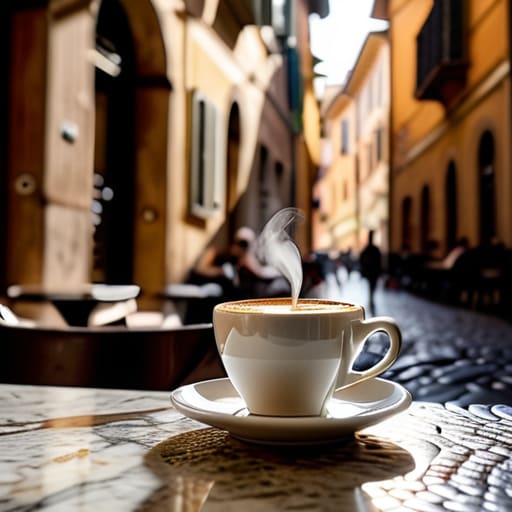
I remember sitting in a cramped, sun-drenched piazza in Florence last spring, clutching my leather notebook and watching a man in a linen suit stand at a marble counter. He didn’t have a laptop, a smartphone, or even a newspaper; he just had a tiny white cup and a moment of absolute, unshakeable stillness. It hit me then that most people treat italian coffee culture like a checklist of expensive beans and complex brewing gadgets, but they’re missing the entire point. To the locals, it isn’t about the chemistry of the roast or the price of the cafe; it’s about the sacred pause between one task and the next.
I’m not here to sell you on some overpriced espresso machine or a list of pretentious brewing techniques that require a degree in fluid dynamics. Instead, I want to share what I’ve learned from my travels and my own slow-paced observations about how to truly embrace the ritual. I’ll show you how to find that same sense of quiet contentment in a simple cup, whether you’re sitting on a cobblestone street or at your own kitchen table.
Table of Contents
A Walk Through the History of Italian Coffee Bars
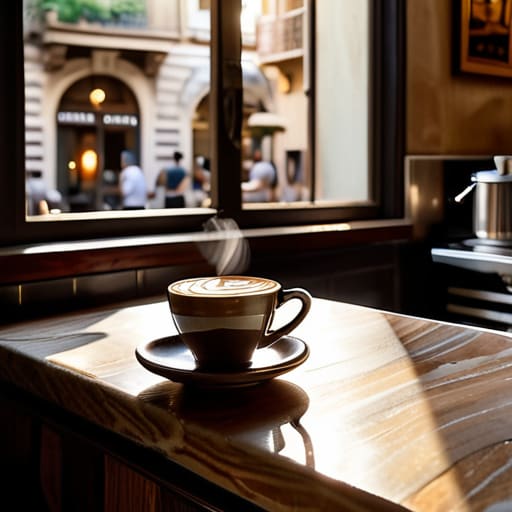
I’ve always found that understanding the bones of a place helps you appreciate its soul. Just as I used to study the blueprints of a bridge before crossing it, I find myself looking into the history of Italian coffee bars to understand why they feel so vital. These spaces weren’t just built for caffeine; they evolved from the grand, social hubs of the 18th century into the compact, efficient sanctuaries we see today. They became the “third place”—that essential spot between the home and the workplace where the community gathers to breathe.
As I sit here with my notebook, I realize that the architecture of the bar itself dictates the rhythm of the day. There is a certain unspoken choreography to the way people move. You see it in the traditional espresso etiquette that governs the room: the quick, standing sip at the counter for the worker in a hurry, versus the lingering conversation at a small table for the dreamer. It isn’t just about the bean; it’s about a centuries-old ritual of connection that has remained remarkably steady, even as the world outside begins to move much too fast.
Understanding the Gentle Art of Traditional Espresso Etiquette
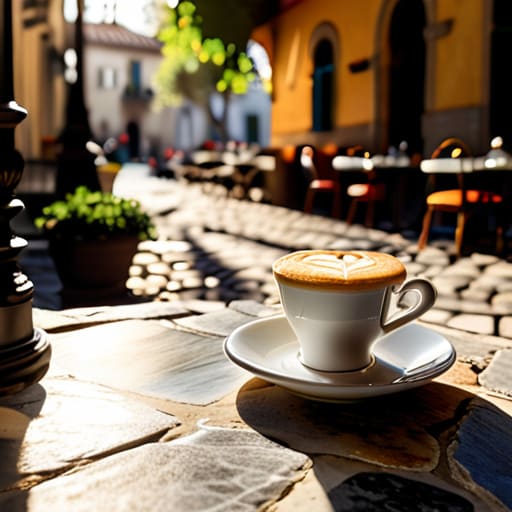
Now, if you find yourself sitting at a marble counter in a bustling piazza, you might feel a bit out of place if you don’t quite know the rhythm of the room. There is a certain grace to traditional espresso etiquette that isn’t written in any guidebook, but you feel it in the air. It’s about the tempo. You’ll notice most locals stand at the bar to drink their coffee, a quick, efficient ritual that keeps the energy moving. However, if you want to linger—perhaps to sketch the architecture or simply watch the sunlight hit the cobblestones—it is perfectly acceptable to sit. Just be aware that sitting at a table often comes with a small premium, a little extra cost for the luxury of space and service.
One thing that caught me off guard early on was the timing of your order. In Italy, milk-heavy drinks are strictly for the morning. If you try to order a cappuccino after a heavy lunch, you’ll likely get a polite, puzzled look from the barista. It’s not that they’re being unkind; it’s just that Italian coffee drinking customs dictate that milk is a breakfast affair, meant to start the day, while espresso is the companion to every meal thereafter.
Five Small Ways to Savor the Ritual
- Stand at the bar like a local. There is a certain, quiet energy in the bustle of a standing crowd; it’s a way to participate in the rhythm of the morning without needing to own the space.
- Leave your phone in your pocket. An espresso is meant to be a momentary pause, not a background for a digital distraction. Let your eyes wander to the street instead.
- Respect the morning rule. If you find yourself craving a cappuccino, try to keep it to the early hours. After a heavy lunch, the Italians prefer a simple, dark espresso to settle the stomach.
- Don’t be afraid of the “Caffè Sospeso.” In some neighborhoods, there’s a beautiful tradition of paying for an extra coffee for someone in need. It’s a small way to connect with the community you’re passing through.
- Take your time with the vessel. Even if you’re standing, feel the weight of the porcelain and the heat of the cup against your palms. It’s a tactile reminder to stay present in the moment.
Lessons from the Counter
Don’t treat coffee as fuel for a race; treat it as an invitation to sit, observe, and let the world spin without you for a few minutes.
Embrace the ritual of the standing espresso—it’s not about being rushed, but about joining a shared, momentary community at the bar.
Pay attention to the small things, from the weight of the ceramic cup to the hiss of the machine, and find the quiet beauty in those simple textures.
The Rhythm of the Bar
“In the States, we treat coffee like fuel for a race we’re losing, but here, it’s the anchor that holds you steady. An espresso isn’t just a drink; it’s a brief, necessary pause that reminds you the world can wait five minutes while you find your footing.”
Bernard Oyelaran
The Last Sip
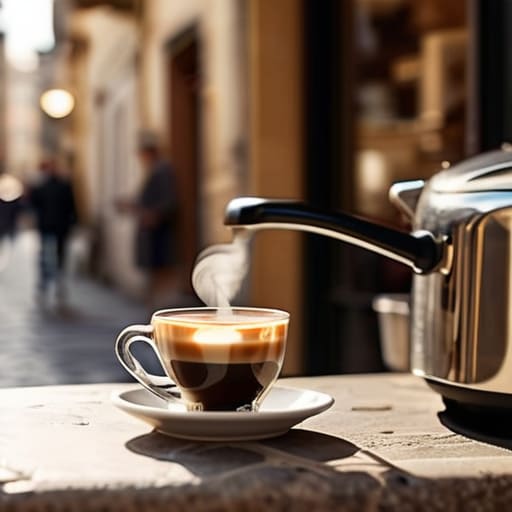
As I sit here in this small piazza, watching the light shift across the cobblestones, I’m reminded that Italian coffee is so much more than just a caffeine fix. It is a tapestry woven from centuries of history, a shared set of unspoken rules of etiquette, and a profound respect for the ritual itself. We’ve looked at how the humble coffee bar became the heartbeat of the community and why standing at the counter is more than just a convenience—it’s a way of connecting with the rhythm of the street. Whether you are navigating the nuances of a morning cappuccino or simply observing the quiet elegance of a perfectly pulled shot, you are participating in a tradition that values quality over haste.
If there is one thing I hope you take away from these reflections, it is this: don’t be afraid to linger. In our modern world, we are constantly pressured to move faster, to optimize, and to conquer the day before we’ve even truly arrived. But the Italians have mastered a secret we often forget. They know that the most meaningful moments are often found in the pauses between the busyness. So, the next time you find yourself with a warm cup in hand, I encourage you to put your phone away, breathe in the aroma, and simply be present. Life is far too short to drink your coffee in a rush.
Frequently Asked Questions
If I'm traveling through smaller towns outside the big cities, will I still find these traditional espresso bars, or is it mostly a city thing?
Honestly, that’s where the real magic happens. While the big cities have their grand, marble-clad cafes, it’s in the smaller towns—the ones where the pace of life seems to settle into a comfortable rhythm—that you’ll find the most authentic soul. Look for the tiny, unassuming bars tucked between a bakery and a cobbler. They might not be fancy, but the espresso is consistent, the locals are friendly, and the sense of community is palpable.
Is it truly considered strange to order a cappuccino after noon, or is that just one of those old-fashioned rules that people don't mind anymore?
Now, I’ve heard the debate quite a bit. Technically, yes, the old guard will tell you a cappuccino is strictly a breakfast affair—something to fuel your morning. But honestly? I’ve sat in more than a few sun-drenched piazzas well past midday, enjoying a frothy cup while sketching the architecture. If it brings you a moment of peace, don’t let a rigid rule spoil your enjoyment. Just don’t be surprised if a local gives you a curious look.
When I'm standing at the bar like the locals do, is there a specific way I should settle up with the barista, or do I pay at the end?
It’s a bit different than our quick drive-thrus back home. Usually, you’ll find it’s best to pay right at the counter when you order, or sometimes just before you head out. Don’t be surprised if there’s a little machine sitting right there on the marble. Just a quick tap or a few coins, a nod to the barista, and you’re set. No need to overthink it; just keep that steady, easy pace.
