I remember sitting in my workshop last autumn, the smell of damp earth and old leather thick in the air, when I pulled a jar of kraut from the back of the pantry. Most folks today treat traditional fermentation like some high-stakes chemistry experiment, convinced they need expensive glass vessels, laboratory-grade salts, and a degree in microbiology just to make a decent pickle. They’ve turned a simple, ancient way of preserving life into a frustratingly complicated hobby filled with unnecessary gadgets. I’ve spent my life building bridges and managing complex systems, and if there is one thing I’ve learned, it’s that the most enduring structures are often the simplest ones.
I’m not here to sell you on a lifestyle brand or a set of overpriced kits. Instead, I want to share what I’ve learned through years of trial, error, and plenty of salty mistakes. I’ll guide you through the uncomplicated reality of working with living foods, focusing on the rhythms of nature rather than the rules of a textbook. My goal is to show you that with a little patience and a bit of grit, you can master the art of the jar without losing your mind—or your sense of peace.
Table of Contents
Mastering the Quiet Lacto Fermentation Process
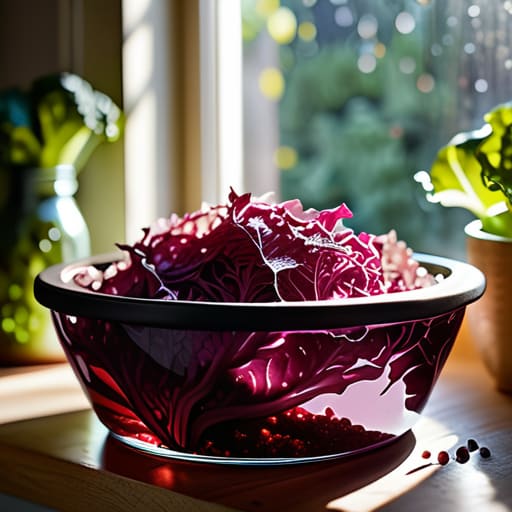
I remember my grandfather telling me that you don’t actually “make” a ferment; you simply create the right conditions and then step back to let nature take the lead. That’s the heart of the lacto-fermentation process. It isn’t about complex machinery or high-tech gadgets—though my engineering brain occasionally wants to overcomplicate things—it’s about salt, water, and time. I usually start with a simple brine, making sure my vegetables are tucked snugly beneath the surface. There is a certain meditative quality to pressing down those cabbage leaves, knowing that beneath the surface, wild fermentation techniques are quietly at work, transforming something simple into something profound.
Once the jar is sealed, the real work begins, which is mostly just waiting. I’ve learned that patience is a requirement here. As the days pass, you’ll see tiny bubbles rising to the surface—a sign that the beneficial bacteria are thriving. It’s a small, domestic miracle. I find that these natural probiotic sources do more than just add a sharp tang to a midday sandwich; they seem to settle my own restless mind, too. There’s a deep, quiet satisfaction in knowing that something so nourishing is happening entirely on its own schedule.
Wild Fermentation Techniques for a Slower Life
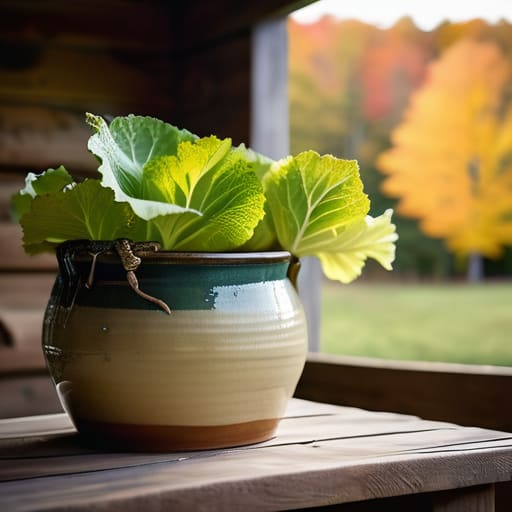
While the controlled environment of a brine-based jar is a fine place to start, there is a different kind of magic found in true wild fermentation techniques. I’ve found that when you step away from the measured salt ratios and let the air and the ingredients themselves do the work, you’re engaging in a much older conversation with nature. I remember sitting on my porch in Michigan, watching the seasons shift, and realizing that a sourdough starter or a crock of wild cabbage is much like a well-tended garden; it requires a watchful eye rather than constant interference.
There is a certain humility in letting the local microbes take the lead. By leaning into these natural probiotic sources, you aren’t just making food; you are inviting the environment into your kitchen. It’s a slow, unpredictable dance that offers incredible microbiome diversity benefits, though it requires a bit more patience than the standard methods. I’ve learned that you can’t force a wild ferment to hurry along. You simply set the stage, provide the warmth, and wait for the beneficial bacteria for microbiome health to settle in and work their quiet wonders.
A Few Lessons Learned from the Jar
- Don’t be afraid of a little imperfection. I used to think everything had to be surgically precise, like the blueprints I used to sign off on, but fermentation doesn’t care about straight lines. If a cabbage leaf looks a bit wonky or the brine is slightly cloudy, don’t panic. It’s just the life inside the jar doing its work.
- Trust your senses over a timer. You can follow a recipe to the letter, but the real magic happens when you stop looking at the clock and start using your nose. That sharp, bright tang is your cue. If it smells clean and acidic, you’re on the right track; if it smells anything else, listen to your gut and start over.
- Keep your tools simple and honest. You don’t need a laboratory of high-tech gadgets. A heavy stone to weigh down your vegetables or even a small glass weight will do just fine. I find that the more complicated the equipment, the more I tend to rush. The best tools are the ones that get out of the way.
- Patience is the most important ingredient. I’ve learned that you can’t bully a ferment into finishing early. If you try to rush it by keeping it in a warm spot just to speed things up, you often lose that complex depth of flavor. Let it sit in the cool dark, just as nature intended.
- Watch the bubbles, not the news. There is a quiet, meditative joy in seeing those tiny bubbles rise to the surface of a brine. It’s a small, living sign of progress. In a world that’s always shouting, watching something grow so silently is a wonderful way to center yourself.
Lessons from the Jar
Don’t fight the clock; fermentation is a lesson in letting go, teaching us that the most rewarding results come to those who can sit still and wait.
Trust your senses over a recipe, because the true magic is found in the subtle shift of a scent or the slight change in a vegetable’s texture.
Embrace the imperfection, whether it’s a slightly cloudy brine or a crookedly cut cabbage, as these small details are what make a handmade life feel real.
The Lesson in the Jar
“I spent decades trying to force structures into place with steel and concrete, always fighting against the clock; but with a fermenting crock, I’ve learned that the most profound transformations happen when you finally stop interfering and simply let time do its work.”
Bernard Oyelaran
The Beauty of the Wait
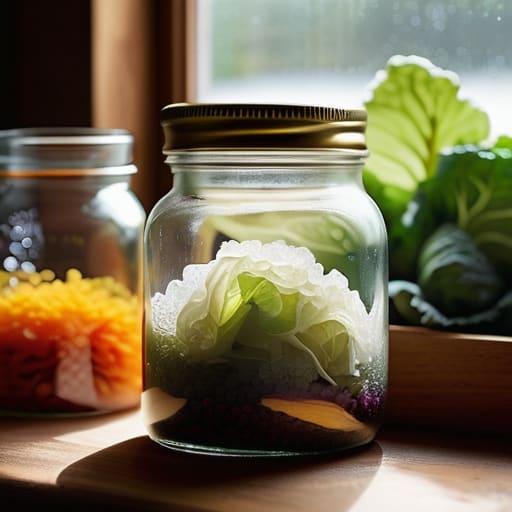
Looking back on everything we’ve discussed, from the structured rhythm of lacto-fermentation to the more unpredictable, wild methods, it becomes clear that fermentation is much more than just a way to preserve food. It is a lesson in controlled patience. Whether you are carefully weighing salt for a batch of sauerkraut or simply letting the local microbes do their mysterious work in a jar of brine, you are participating in an ancient cycle. We’ve seen how mastering the basics provides a sense of stability, while wild fermentation invites us to embrace the beautiful, messy unpredictability of nature. It really comes down to respecting the process and understanding that you cannot force the microbes to hurry on your schedule.
As I sit here at this small cafe table, sketching the way the light hits my half-empty jar of kimchi, I’m reminded that our lives often feel like they are moving at a breakneck speed. We try to manufacture results instantly, but the most nourishing things—much like a well-aged ferment—require time and stillness to reach their full potential. I hope you’ll take a moment this week to start your own small jar, not just for the flavor, but for the quiet satisfaction of watching something grow. Remember, the best things in life aren’t found in the rush; they are discovered in the slow transformation.
Frequently Asked Questions
How do I know if my ferment has gone "off" versus just developing a strong, natural scent?
It’s a question that kept me up at night when I first started. There’s a fine line between that sharp, vinegary tang and something truly unpleasant. Generally, a strong, funky scent is just the microbes doing their work. But if you notice fuzzy mold—especially colorful ones like black or pink—or if the texture turns unpleasantly slimy, trust your gut and toss it. When in doubt, better to start fresh than to risk it.
Are there specific types of heirloom vegetables that tend to hold up better during the long wait?
I’ve found that the sturdier the vegetable, the better it handles the wait. I usually reach for heirloom carrots or thick-skinned radishes; they have a certain structural integrity that holds up beautifully. Purple heirloom carrots, in particular, keep such a lovely color. Even cabbage, if you find a dense, old-fashioned variety, stands up well to a long soak. It’s all about choosing something with a bit of backbone to weather the transformation.
Do I need to invest in specialized glass jars, or will my old kitchen containers do the trick?
Honestly, don’t go out and buy a whole set of fancy, matching jars just yet. I’ve found that my old Mason jars and even some sturdy glass Tupperware work just fine. The real trick isn’t the brand; it’s ensuring they have a tight seal and are easy to clean. Just make sure they’re glass—plastic can sometimes pick up those strong, fermented scents. Start with what you have in the cupboard.
