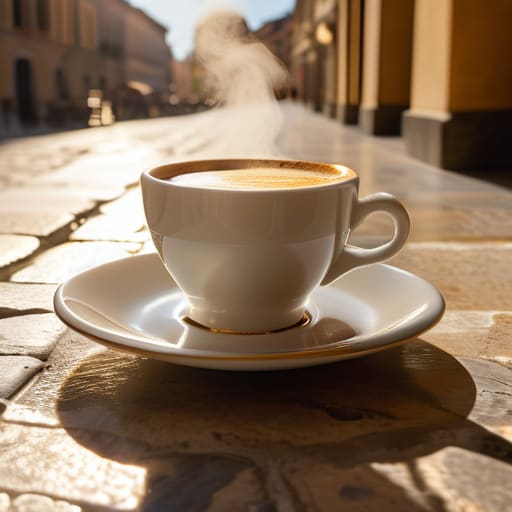
I remember sitting in a cramped, sun-drenched piazza in Florence last spring, watching a young man spend ten minutes photographing his cup while the steam vanished into the breeze. It struck me then that we’ve turned something profoundly simple into a high-stakes performance. We get caught up in the pretension of expensive bean origins and complex brewing gadgets, forgetting that true italian coffee isn’t about the gear or the price tag; it’s about that first, heavy warmth hitting your palate while the morning is still quiet. It’s a ritual of presence, not a checklist for social media.
I’m not here to sell you on some overpriced espresso machine or a complicated science experiment in a mug. Instead, I want to share what I’ve learned from years of wandering through small towns and sitting at dusty counters. I’ll guide you through the honest, unvarnished ways to appreciate a proper brew, focusing on the small details that actually matter. My goal is to help you find that same sense of stillness, one sip at a time, so you can finally stop rushing and start savoring.
Table of Contents
Tracing the Soul of Italian Coffee History
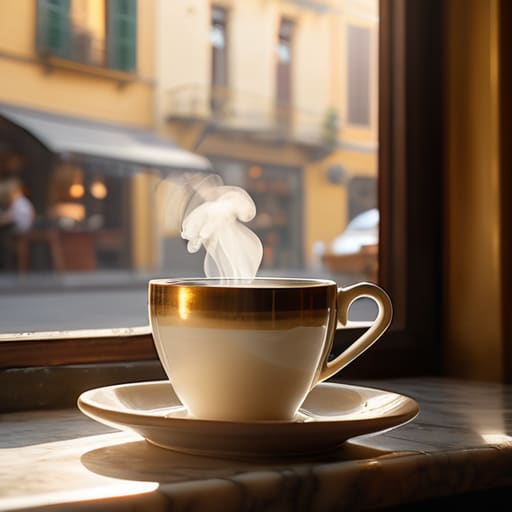
I spent a good portion of my career looking at blueprints and structural integrity, but there is a different kind of architecture found in the history of a simple cup of coffee. It isn’t just about the beans; it’s about the evolution of a culture. When you look into italian coffee history, you see a timeline shaped by social connection rather than just caffeine consumption. It started in the bustling ports and eventually moved into the heart of every neighborhood bar, becoming the rhythmic heartbeat of daily life.
I often find myself thinking about how much the tools have changed, yet the soul remains the same. Whether it’s the mechanical precision of early espresso machines or the nostalgic, rhythmic gurgle of moka pot brewing techniques in a family kitchen, the goal hasn’t shifted. We aren’t just looking for a stimulant; we are looking for a moment of pause. It’s a legacy built on the idea that the way we prepare our drink is just as important as the drink itself. To understand the brew, you have to understand the patience behind it.
The Quiet Magic of Traditional Italian Coffee Rituals
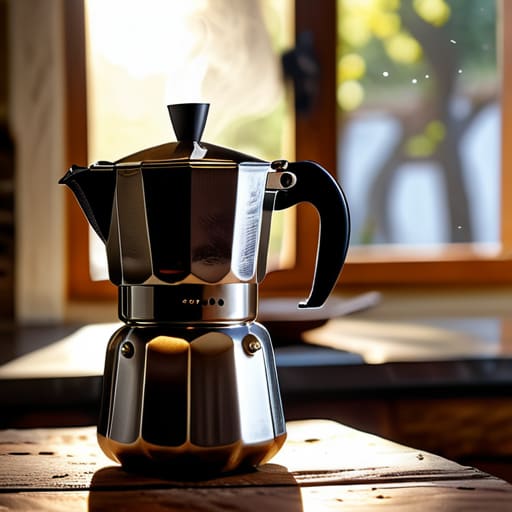
There is a certain rhythm to the morning in a small Italian village that no high-speed espresso machine can truly replicate. It’s found in the steady, rhythmic hiss of a stovetop, where the moka pot brewing techniques passed down through generations turn a simple kitchen into a sanctuary. I’ve spent many mornings sitting by a window, watching the dark liquid slowly rise into the aluminum chamber, realizing that the wait is just as important as the caffeine itself. It’s a slow, deliberate process that demands you step away from the clock and simply exist.
In these moments, the distinction between an authentic cappuccino vs latte becomes less about the milk ratio and more about the intention behind the cup. A cappuccino is a brief, frothy companion to a morning pastry, meant to be enjoyed standing at a bar, while a latte might linger longer over a book. Whether it’s the intense punch of a dark roast or the smoother notes of a lighter bean, these traditional italian coffee rituals serve as a gentle reminder that the best things in life aren’t rushed. They are brewed, poured, and savored.
Small Rituals for a Better Cup
- Don’t rush the process. Whether you’re using a Moka pot at home or sitting at a bar in Rome, the coffee is meant to be a pause, not a fuel injection. Let the aroma fill the room before you take that first sip.
- Respect the equipment. Much like the vintage Leica I tinker with, a good espresso machine or a sturdy Moka pot requires a gentle hand and regular care. A well-maintained tool makes for a much more soulful brew.
- Watch the temperature. If you’re brewing at home, avoid using water that’s just off the boil; it’s too aggressive and can scorch the beans. You want a heat that coaxes the flavor out, not one that burns it away.
- Embrace the simplicity. You don’t need a mountain of syrups or complicated additives. A truly great Italian coffee stands on its own; sometimes, a tiny splash of whole milk is all the company it needs.
- Savor the setting. I’ve found that coffee always tastes better when you aren’t looking at a screen. Find a window, a quiet corner, or a small park bench, and let your eyes wander while you drink.
Lessons from the Espresso Bar
It isn’t about the caffeine kick or the rush to the next meeting; it’s about the deliberate pause that a well-made cup demands of you.
True quality isn’t found in fancy labels, but in the simple, honest respect for the bean, the water, and the ritual of the pour.
To truly understand Italian coffee, you have to stop looking at your watch and start looking at the steam rising from the cup.
A Lesson in Patience
“I’ve spent my life measuring things in millimeters and concrete pours, but an Italian espresso taught me a different kind of precision—one that isn’t about speed or efficiency, but about the exact moment when the steam meets the soul and the rest of the world finally goes quiet.”
Bernard Oyelaran
A Final Sip of Stillness
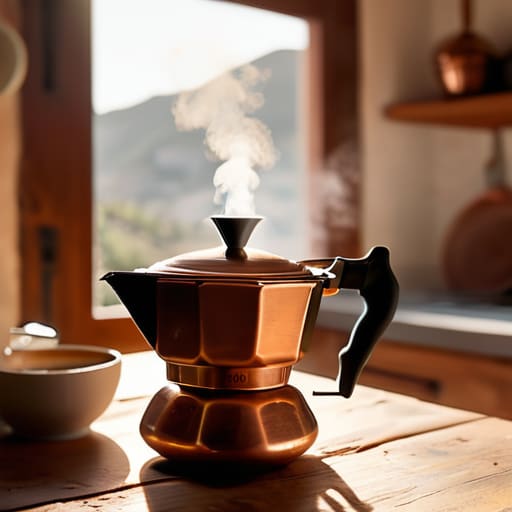
Looking back on everything we’ve discussed, it becomes clear that Italian coffee is far more than just a caffeine delivery system or a quick morning fix. It is a tapestry woven from centuries of history, a set of precise rituals that demand our presence, and a shared cultural language that transcends borders. Whether it is the dark, syrupy weight of a traditional espresso or the patient steam of a moka pot in a quiet kitchen, these moments serve as a tether to the present. We have seen how the history of the bean meets the intentionality of the pour, creating something that is as much about the soul as it is about the flavor.
As I sit here in this small café, sketching the light hitting the cobblestones and feeling the warmth of my cup against my palms, I am reminded of why I travel this way. We spend so much of our lives sprinting toward the next deadline or the next milestone, often forgetting to breathe. I hope that the next time you find yourself with a cup of coffee in hand, you don’t just drink it—you truly inhabit the moment. Let the steam rise, let the world rush on without you for a few minutes, and remember that sometimes, the most profound discoveries are found in the simplest of cups.
Frequently Asked Questions
Is there a significant difference in taste between a traditional espresso and the coffee I brew at home with a standard drip machine?
To my engineering mind, it’s a question of pressure and precision. A drip machine relies on gravity, pulling water gently through the grounds to create something light and clean. But an espresso? That’s a different beast entirely. It’s forced through the coffee under intense pressure, creating that thick, syrupy body and the golden crema that sits on top like a velvet blanket. It’s the difference between a gentle summer rain and a concentrated, powerful surge.
How do I navigate an Italian café without feeling like I'm breaking some unwritten social rule?
Don’t let the bustle intimidate you. The secret is to lean into the rhythm rather than fighting it. If you want to blend in, stand at the bar like the locals do; it’s quicker and more social. If you’re looking for a moment of stillness, find a small table outside, but don’t expect to linger for hours over a single espresso. Just order, enjoy the warmth, and let the scene wash over you.
What are the specific differences between a cappuccino, a latte, and a macchiato when I'm ordering at a local bar?
When you’re standing at that polished marble counter, don’t let the menu overwhelm you. Think of it in terms of texture. A cappuccino is all about balance—equal parts espresso, steamed milk, and a thick, pillowy head of foam. A latte is much more milk-forward and mellow, perfect for lingering over. Then there’s the macchiato; it’s just a shot of espresso “marked” with a tiny dollop of foam. It’s small, sharp, and honest.
