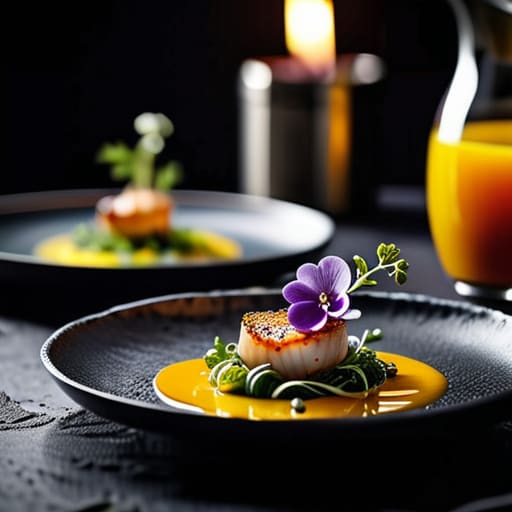
I’ve sat through enough of those overly formal dinners to know that sometimes, a meal feels more like a lecture than a pleasure. You sit there, stiff as a board, while a server in a starched waistcoat explains the “concept” of a single micro-green for five minutes, and before you know it, you’ve spent a small fortune on tasting menus that leave you feeling more interrogated than fed. It’s a lot of theater for very little soul, and frankly, I think we can all agree that food should be about the flavor, not the performance.
I’m not interested in the pretension or the frantic rush to keep up with the next course. Instead, I want to talk about how to approach these meals as a way to actually slow down. Over the next few pages, I’ll share my honest, no-nonsense guide to finding the real gems—the places where the rhythm of the meal allows you to actually sit, breathe, and savor the craft. I’ll show you how to spot the difference between a culinary masterpiece and a hollow gimmick, so you can focus on what truly matters: the joy of the bite.
Table of Contents
Understanding the Chefs Tasting Menu Explained Through Patience
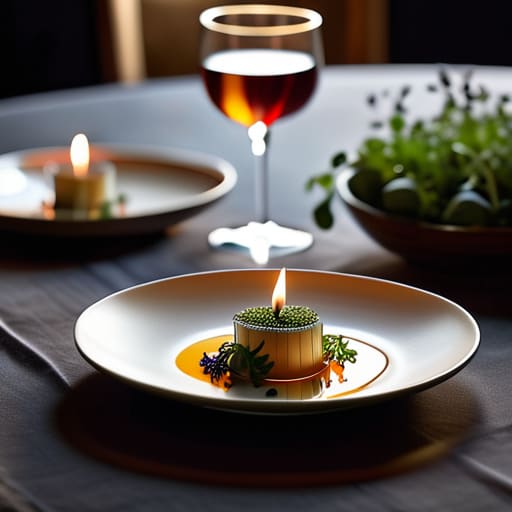
I’ve spent most of my life looking at blueprints—straight lines, rigid structures, and things that need to be built quickly to meet a deadline. But sitting in a quiet dining room, I’ve realized that a degustation menu structure is much more like a well-composed landscape than a construction project. It isn’t about the speed of service; it’s about the intentionality of the sequence. Each plate is a deliberate step in a larger story, requiring you to set aside your watch and simply exist in the moment.
When you look at a chef’s tasting menu explained through the lens of time, you see it as a study in seasonal ingredient curation. The chef isn’t just feeding you; they are presenting a timeline of what the earth is offering right now. You might start with something bright and acidic to wake up the palate, eventually moving toward something deep and earthy. It forces a certain kind of disciplined presence. You can’t rush through a dozen small, thoughtful bites without missing the subtle shift in texture or the way a specific herb changes the entire mood of the meal.
The Degustation Menu Structure as a Gentle Guide
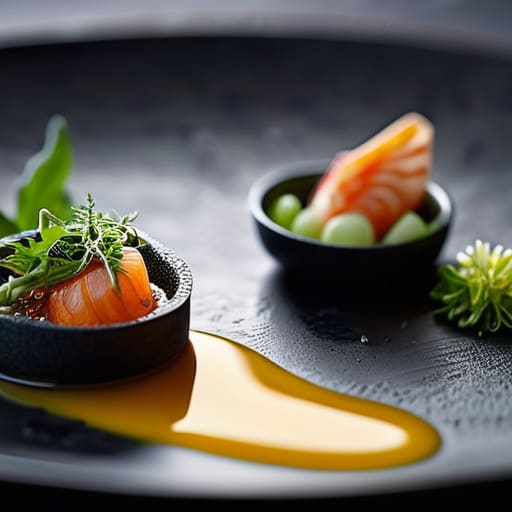
When I first sat down at a table for a full degustation menu structure, I’ll admit I felt a bit like an apprentice on a new job site—uncertain of the sequence and wondering how long the “shift” would last. But there is a comforting logic to it. Much like the blueprints I used to study, each course serves a specific purpose in the larger design. You start with something light, perhaps a delicate amuse-bouche to awaken the palate, before moving through increasingly complex layers of flavor. It isn’t just about eating; it’s a carefully choreographed progression that prevents you from feeling overwhelmed.
The beauty lies in the rhythm of the multi-course dining experience. You aren’t just being fed; you are being led through a story. There is a certain grace in how the kitchen manages the transition from bright, acidic starters to the richer, more soulful centerpieces. I’ve found that this cadence encourages a natural pause between bites, making it much easier to actually taste the nuances of the seasonal ingredient curation rather than just swallowing your food in a hurry.
A Few Small Ways to Make the Most of the Evening
- Don’t be afraid to ask questions. When the server brings a dish, take a moment to ask about the origin of the ingredients or the inspiration behind the plate. It turns a simple meal into a conversation, and usually, the stories are just as nourishing as the food.
- Leave the clock at home. A tasting menu isn’t something you can rush through like a quick lunch at a construction site. If the courses come slowly, let them. Use that extra time to watch the light change in the room or to simply enjoy the company across the table.
- Keep your palate clean, but keep your mind open. I’ve learned that if you go in expecting a specific flavor, you might miss the subtle nuance the chef intended. Approach each dish with a bit of curiosity, like I do when I’m peering through the viewfinder of an old Leica.
- Consider the wine, but don’t let it dictate the pace. While pairings are a wonderful guide, there’s no shame in sticking to what you know and love. The goal is to enjoy the rhythm of the meal, not to pass some sort of sommelier exam.
- Bring a companion who appreciates the quiet. Tasting menus are best shared with someone who isn’t checking their phone every five minutes. It’s much easier to savor the details of a delicate sauce when you have someone to turn to and say, “Did you notice that hint of lemon?”
Lessons from the Table
View a tasting menu not as a marathon of food, but as a deliberate invitation to sit still and let the world wait for a while.
Treat each course like a single frame in an old film; don’t rush to the next one, but instead, linger on the details of the flavor and the presentation.
Remember that the true value of a degustation lies in the rhythm of the experience, teaching us that some of life’s best rewards require patience and a willingness to slow down.
## A Lesson in Slowing Down
“A tasting menu isn’t just a meal; it’s a quiet agreement between you and the chef to stop checking your watch and finally start noticing the world, one small, perfect bite at a time.”
Bernard Oyelaran
A Final Seat at the Table
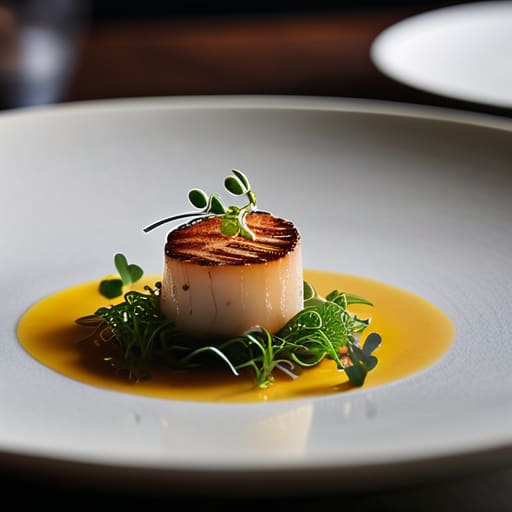
Looking back at everything we’ve discussed, it’s clear that a tasting menu is much more than just a sequence of expensive plates brought to your table. It is a structured lesson in intentionality. We’ve seen how the chef uses these courses to tell a story, much like the way a well-designed bridge relies on every individual bolt and beam to hold its form. Whether it is the careful progression of flavors or the way a single ingredient is elevated through multiple preparations, the goal is to move us away from the mindless habit of eating for fuel and toward the art of appreciation. It requires us to set aside our watches and our phones, allowing the rhythm of the kitchen to dictate our pace.
As I sit here in this little cafe, sketching the way the light hits my coffee cup, I am reminded that the best things in life rarely happen in a hurry. A tasting menu is a rare permission slip to simply be present. It teaches us that there is profound value in the small, quiet intervals between the big events. So, the next time you find yourself facing a long, multi-course meal, don’t look for the exit or check the time. Instead, lean in, breathe deeply, and savor the slow unfolding of the moment. After all, we aren’t just consuming food; we are gathering memories, one bite at a time.
Frequently Asked Questions
How much time should I actually set aside to make sure I don't feel rushed during the meal?
I’d say aim for at least two and a half, maybe even three hours. If you try to squeeze a tasting menu into a quick lunch hour, you’re doing a disservice to both the chef and your own peace of mind. Treat it like a long afternoon walk; you wouldn’t rush through a scenic trail just to get to the end. Give yourself the grace to linger over the wine and the conversation.
Is it better to go into a tasting menu with a specific craving, or should I just let the chef take the lead?
If you walk in with a specific craving, you’re essentially trying to steer a ship that’s already set its course. It’s like trying to dictate the view while you’re already halfway through a scenic hike. My advice? Leave your expectations at the door. Let the chef take the lead. There’s a quiet joy in being surprised by a flavor you didn’t know you needed—that’s where the real magic happens.
What is the best way to handle dietary restrictions without disrupting the flow of the experience?
It’s a common worry, but there’s no need to let it cast a shadow over your evening. The best approach is simple: mention it when you make the reservation. A bit of foresight goes a long way. When you arrive, a quiet word with your server is all it takes. Most chefs view this as a creative challenge rather than a burden. Just be clear, be early, and then—let it go. Don’t let the logistics steal your appetite.
