I was sitting in a cramped, windowless cafe in downtown Chicago last Tuesday, watching people rush past the glass with their heads buried in glowing screens, and it hit me. We’ve turned the idea of environmental wellness into this expensive, complicated chore—something you have to buy in a fancy bottle or achieve by spending thousands on a “smart” home system. It’s all nonsense. You don’t need a high-tech air purifier or a subscription service to feel better; you just need to stop treating your surroundings like a series of problems to be solved and start seeing them as a place to actually live.
I’m not here to sell you on any lifestyle trends or complicated checklists. What I want to do is share what I’ve learned from decades of watching how structures and nature interact, and more importantly, how a simple change in my own surroundings can steady a restless mind. I’m going to offer some plain-spoken, no-nonsense ways to reconnect with the world around you, whether that’s through the light in your living room or the dirt in your garden. Let’s skip the hype and find some real peace.
Table of Contents
Finding Calm Through Biophilic Design Principles
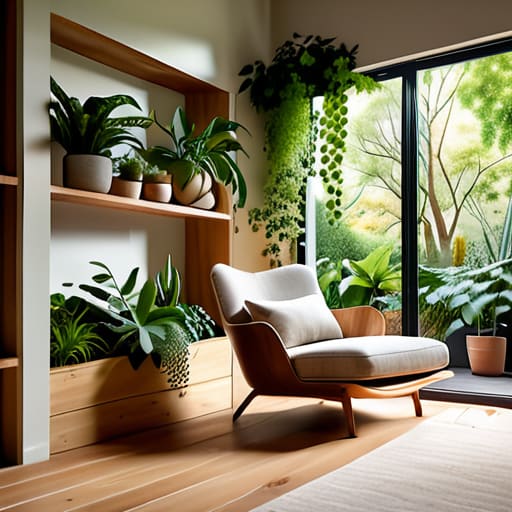
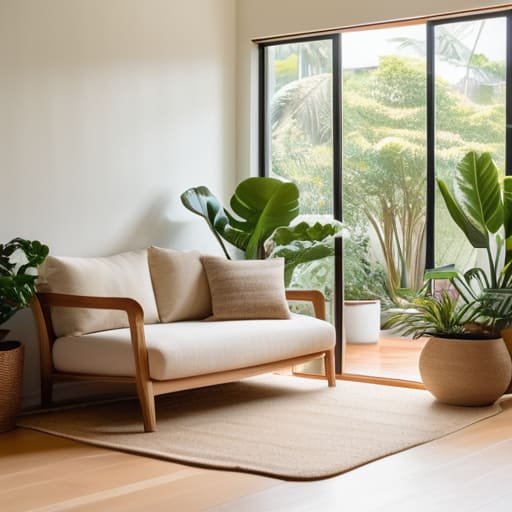
I’ve spent most of my life looking at blueprints and steel, but lately, I’ve realized that the structures we live in matter just as much as the ones we drive over. It’s not just about the walls; it’s about how those walls let the world in. I’ve been looking into biophilic design principles, which sounds a bit academic, but to me, it’s really just about inviting nature back into our living rooms. It might be as simple as moving a chair closer to a window to catch the morning sun or bringing in a few potted ferns to help with indoor air quality improvement.
When I’m working on one of my old Leica cameras, I notice how much the light changes everything. The same goes for a home. You don’t need a massive renovation to feel a difference; sometimes, it’s just about sensory environment optimization. I’ve found that placing a small water feature near a reading nook or simply arranging my desk to face a patch of garden can turn a frantic afternoon into a quiet one. It’s about creating a space that breathes with you, rather than one that just boxes you in.
Indoor Air Quality Improvement for Quiet Mornings
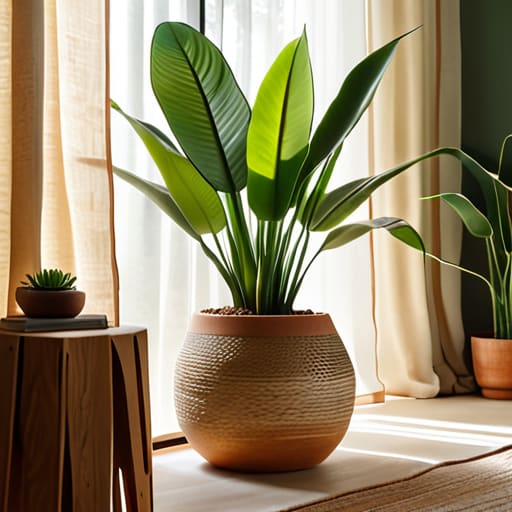
There is a particular kind of stillness that only exists at six in the morning, before the rest of the world starts its frantic engine. I’ve found that the quality of that stillness is deeply tied to the air in the room. For years, I worked on construction sites where the air was thick with dust and diesel, so I’ve grown to be quite particular about my own space. Lately, I’ve been focusing on indoor air quality improvement not as a technical chore, but as a way to honor the quiet. I’ve traded synthetic air fresheners for a few well-placed snake plants; they don’t just look lovely in the morning light, they actually seem to help the room breathe.
It’s a small part of a larger shift toward more sustainable living habits that I’ve embraced in my retirement. I’ve learned that opening a window for just twenty minutes, even when there’s a chill in the air, can completely reset the energy of a room. There is something profoundly grounding about breathing in air that hasn’t been sitting stagnant behind closed doors. It makes the simple act of sipping my coffee feel less like a routine and more like a true moment of clarity.
A Few Simple Ways to Bring the Outside In
- I’ve found that even a single, well-placed potted fern on a windowsill can change the entire energy of a room. There’s something about the way a living thing breathes that makes a house feel less like a structure and more like a home.
- Try to find a “rhythm of light” in your daily routine. Instead of keeping the overhead lights humming all evening, use a few small lamps with warm bulbs. It mimics the soft descent of the sun and tells your body it’s finally time to settle.
- Don’t underestimate the power of a bit of texture. I like to surround myself with things that feel real—a heavy linen curtain, a wooden bowl, or a stone coaster. It pulls you out of your head and back into your senses.
- If you can, make it a point to step outside without your phone. Just five minutes standing on the grass or watching the wind move through the trees can reset your internal clock in a way a screen never could.
- Keep your workspace clear of the clutter that weighs on the mind. A clean, organized desk isn’t about being a perfectionist; it’s about creating a little pocket of mental space where you can actually think.
Small Shifts for a Calmer Life
You don’t need a massive garden or a complete home renovation to feel better; sometimes, just bringing a single leafy plant onto your desk or opening a window for ten minutes of fresh air is enough to shift your mood.
Pay attention to the light and the air in your living spaces, as these quiet, often overlooked elements act as the foundation for how much peace you actually feel when you sit down to rest.
Make a conscious effort to reconnect with the natural world through your immediate surroundings, treating these small moments of greenery and fresh air as essential nourishment rather than mere decorations.
The Quiet Architecture of Peace
We spend so much time building walls to keep the world out, that we forget the most important part of a home isn’t the structure itself, but how much room we leave inside for the light, the air, and the quiet grace of the natural world.
Bernard Oyelaran
A Final Note on Finding Your Pace
Looking back at everything we’ve discussed, it’s clear that environmental wellness isn’t about making grand, sweeping changes to your life overnight. It’s much more subtle than that. Whether it’s the way you bring a bit of greenery into your living room to tap into those biophilic instincts, or simply making sure the air you breathe during those quiet morning hours is crisp and clean, these small adjustments add up. We’ve talked about how our surroundings act as a silent partner in our mental health, shaping our moods and our ability to find a moment of peace amidst the noise. It really comes down to intentionality—the simple act of curating your space to serve your soul rather than just your schedule.
As I sit here in this small cafe, sketching the way the light hits the cobblestones outside, I’m reminded that we often spend so much energy trying to conquer the world that we forget to inhabit it. You don’t need a sprawling estate or a mountain retreat to find wellness; you just need to pay attention. Take a moment today to notice the texture of a leaf, the scent of the rain, or the way the sun settles into a corner of your room. If you can learn to savor the small details of your immediate environment, you’ll find that the world becomes a much kinder, more restful place to live.
Frequently Asked Questions
How can I bring more of that natural feeling into a small apartment if I don't have a backyard or much space for plants?
I used to think you needed an acre of land to feel connected to the earth, but I’ve learned that’s not true. In a tight space, it’s about the small touches. I keep a few hardy succulents on my windowsill and a small bowl of smooth river stones on my desk. Even something as simple as opening the curtains to let the morning light hit your face can make a studio feel like a sanctuary.
Are there specific types of lighting that can help me feel more connected to the natural rhythm of the day, especially during those long, grey winters?
I’ve found that during those heavy, grey Michigan winters, the wrong light can make a room feel clinical and cold. I’ve started leaning into “circadian lighting.” In the mornings, I try to get some bright, cool light to wake the senses, but as the sun dips, I switch to warm, amber-toned lamps. It mimics the soft glow of a sunset and tells my body it’s okay to finally settle down.
I've always found peace in the woods, but how do I practically bring that sense of "outdoors" into my daily routine when I'm stuck at a desk all day?
I know that feeling well. When I was managing construction sites, I’d spend hours staring at blueprints, feeling miles away from the actual earth. Now, I keep a small, weathered piece of driftwood on my desk—it’s a tactile reminder of the riverbanks I love. Try bringing in a few hardy ferns or even just a small bowl of river stones. It’s about those small, sensory anchors that pull your mind back to the wild.
