
I was sitting in a bustling café in Florence last Tuesday, trying to sketch the way the light hit a weathered stone fountain, when the noise of the espresso machine and the chatter of tourists suddenly felt like they were pressing against my temples. My mind started racing toward a dozen different things—deadlines I no longer have, old projects, the sheer velocity of modern life—and I felt myself slipping away from the moment. I didn’t need a meditation app or a specialized retreat; I just needed to remember the basics of sensory grounding. It’s about pulling yourself back by the collar and forcing your brain to acknowledge the weight of the chair beneath you or the bitter, honest warmth of a dark roast on your tongue.
I’m not here to sell you on some expensive, complicated psychological ritual that requires a quiet room and an hour of your time. Instead, I want to share what I’ve learned from decades of navigating both chaotic construction sites and quiet landscapes: how to use the world around you to find your center again. I’ll be sharing a few practical, no-nonsense ways to use your five senses to steady yourself when things get too loud, because sometimes, the best way to quiet the mind is simply to notice the details.
Table of Contents
The 5 4 3 2 1 Grounding Method for Quiet Minds

I’ve found that when my mind starts racing—usually when I’m trying to focus on a delicate piece of a Leica camera or navigating a crowded terminal—it helps to use a simple bit of mental arithmetic. I call it my way of tethering myself back to the earth. The 5-4-3-2-1 grounding method is something I’ve tucked into my notebook for those moments when the world feels a bit too thin or distant. It isn’t about complex meditation; it’s just about acknowledging the reality right in front of you.
You start by scanning your surroundings to name five things you can see, like the grain of a wooden table or the way light hits a windowpane. Then, you move to four things you can touch, two things you can smell, and one thing you can taste. It’s one of those quietly effective sensory regulation strategies that doesn’t require any special equipment. For me, it’s a way to stop the drift. By forcing my brain to catalog the physical world, I find that the internal noise begins to settle, leaving me much more present in the moment.
Gentle Sensory Regulation Strategies for a Restless Soul
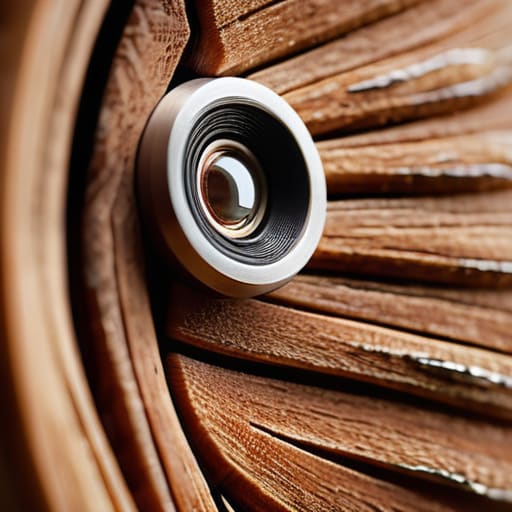
Sometimes, when my mind starts racing faster than a construction site during a deadline, I find that the structured approach of the 5-4-3-2-1 grounding method isn’t quite enough. In those moments, I lean toward something a bit more tactile. I’ve found that working with my hands—perhaps adjusting the delicate aperture ring on an old Leica or feeling the grain of a piece of cedar—serves as one of my most effective sensory regulation strategies. There is something profoundly stabilizing about focusing on a physical texture; it pulls you out of the fog and back into the room.
If you find yourself feeling untethered, I often suggest looking for a “heavy” sensation to anchor you. For me, that’s the weight of my leather notebook or the warmth of a ceramic mug against my palms. These aren’t just simple distractions; they act as vital grounding tools for emotional regulation when the world feels a bit too thin or distant. It’s about finding those small, physical anchors that remind you that you are right here, right now, exactly where you belong.
A Few Simple Ways to Find Your Footing
- Keep a small, textured object in your pocket—maybe a smooth river stone or a piece of old brass. When your thoughts start racing like a runaway train, just reach in and feel its weight and surface. It’s a quiet way to remind yourself that you’re right here, right now.
- Don’t just drink your coffee; actually taste it. Notice the warmth of the mug against your palms and the way the steam hits your face. It’s a small ritual, but it forces you to slow down and inhabit the moment.
- When the air feels heavy, step outside and just listen. Try to pick out the furthest sound you can hear—a distant car, a bird, or even just the wind in the trees. It pulls your focus away from the noise inside your head and back to the world around you.
- I often find myself sketching in my notebook when things feel a bit much. Even if you aren’t an artist, just tracing the outline of a leaf or the pattern on a tablecloth with your eyes can act as an anchor.
- Use the scent of something familiar to steady yourself. A bit of lavender, the smell of old books, or even the earthy scent of rain on pavement can act like a gentle hand on your shoulder, telling you that everything is alright.
A Few Things to Carry With You
Don’t feel like you need to master these techniques all at once; just try to catch one small detail, like the weight of a ceramic mug in your hand, when things feel a bit heavy.
Remember that grounding isn’t about making the noise go away entirely, but about finding a steady place to stand while the storm passes.
Keep a little notebook or even just a quiet moment in mind to remind yourself that you are here, you are present, and there is no need to rush to the next thing.
## The Anchor in the Storm
“When my mind starts racing ahead to next week’s worries or last year’s regrets, I’ve found that the simplest way back to myself is to stop and really listen to the hum of the refrigerator or feel the weight of my pen in my hand; it’s those tiny, physical truths that remind you that you are right here, and right now, you are okay.”
Bernard Oyelaran
Finding Your Way Back to the Present

At the end of the day, whether you are using the structured 5-4-3-2-1 method to steady your breathing or simply letting the scent of a cedar forest settle your nerves, the goal remains the same. It isn’t about performing a task perfectly; it is about reclaiming your attention from the noise of the world. We’ve talked about how small, intentional shifts—like the weight of a warm mug in your hands or the rhythmic sound of rain against a window—can act as an anchor. These aren’t just distractions; they are essential tools for navigating the storms that inevitably blow through our lives.
As I sit here by the window, sketching the way the light hits the oak tree outside, I am reminded that we don’t always need a grand solution to find our peace. Sometimes, the most profound thing you can do is simply stop and exist within your own skin for a few minutes. Don’t be too hard on yourself if your mind wanders; just gently guide it back to the texture of the moment. Life moves fast enough as it is, but you have the power to choose your own pace. Take a breath, look around, and remember that there is beauty in the stillness if you only take the time to look for it.
Frequently Asked Questions
Is it possible to practice these techniques in a crowded place, like a busy cafe or a train station, without drawing unwanted attention to myself?
That’s a fair question, and I’ve certainly found myself in those exact spots—trying to find my footing in a bustling terminal or a loud cafe. The beauty of these methods is that they’re entirely internal. You don’t need to close your eyes or move a muscle. Just quietly observing the steam rising from your cup or the rhythmic sound of the train tracks is enough. To anyone else, you just look like someone enjoying a quiet moment.
How can I tell the difference between just being distracted and actually feeling more grounded and calm?
It’s a fine line, isn’t it? Distraction is usually a flight—your mind is racing toward the next thing, trying to outrun the noise. It feels jittery, like a motor running too high. Grounding, though, feels like coming home. When you’re truly grounded, you aren’t just avoiding thoughts; you’re actually present. You’ll notice the weight of your feet on the floor or the specific warmth of your tea. It’s a settled feeling, not a frantic one.
Do these methods work if I'm feeling particularly overwhelmed by noise, or do they sometimes make the sensory overload feel even more intense?
That’s a fair question, and honestly, it’s one I’ve wrestled with myself. If the noise is truly deafening, forcing yourself to focus on it can feel like adding fuel to a fire. In those moments, don’t fight the noise—lean into the opposite. Close your eyes and focus solely on something soft, like the texture of your sweater, or something steady, like the weight of your feet on the ground. It’s about finding a quiet anchor, not making the storm louder.
