I was sitting in a crowded, overpriced bistro in a seaside resort last July, watching a young couple argue over which “must-see” landmark to visit next, and I realized something. Most people approach coastal escapes like they’re checking items off a frantic construction schedule—racing from one crowded viewpoint to the next, desperate to capture the perfect photo before the light fails. They spend a fortune on boutique hotels that feel more like sterile museums than homes, all while missing the very thing they traveled for. It’s a lot of noise and very little soul.
I’m not interested in the tourist traps or the glossy brochures that promise perfection. Instead, I want to share what I’ve gathered from years of slow travel and quiet observation: how to find those rare, tucked-away corners where the only thing on your agenda is a long walk and a decent meal. I’ll be sharing my personal notes on finding the true essence of the coast, focusing on the small, unpretentious spots that actually allow you to breathe. We aren’t here to conquer the coastline; we’re here to finally slow down and enjoy it.
Table of Contents
Finding Quietude in Serene Seaside Retreats
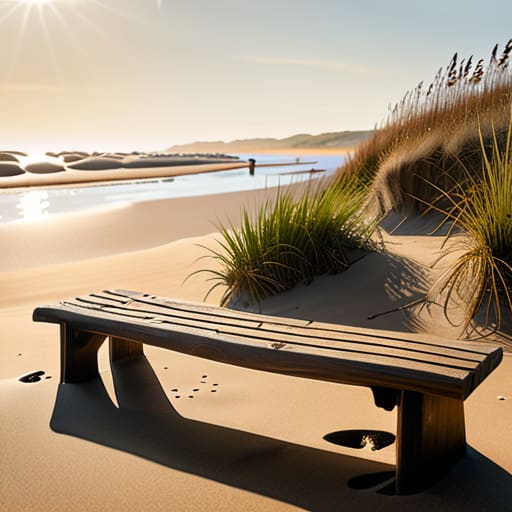
I’ve found that the best way to truly disconnect isn’t through a grand, sweeping itinerary, but by finding a corner of the world where the only schedule is dictated by the tide. Last autumn, I stumbled upon a small village that offered some of the most incredible serene seaside retreats I’ve ever encountered. There was no frantic sightseeing; instead, I spent my mornings sitting on a weathered wooden bench, sketching the way the light hit the dunes. It’s in those quiet, unscripted hours—when you aren’t trying to “see everything”—that you actually begin to feel the place.
When looking for the right spot, I tend to steer clear of the crowded resorts that feel more like transit hubs than sanctuaries. I prefer searching for modest oceanfront accommodation ideas—perhaps an old cottage with a porch that faces the sunrise. There is a profound sort of healing in waking up to the rhythmic, steady pulse of the waves. It reminds me of the structural integrity I used to look for in my engineering days, only this is a different kind of strength: a rhythmic, natural constancy that settles the soul and makes the rest of the world feel very far away.
Savoring Scenic Shoreline Landscapes Over Coffee

There is a specific kind of magic in that first hour of the morning, before the heat settles in and the tourists begin their daily trek toward the sand. I’ve found that the best way to truly witness scenic shoreline landscapes is to sit still with a heavy ceramic mug of coffee and simply watch the tide turn. There’s no rush to check a map or follow a rigid coastal travel itinerary; instead, I find myself watching the light dance across the crest of a wave, or noting how the mist clings to the dunes.
I often pull out my leather-bound notebook during these quiet moments, not to plan, but to sketch the jagged silhouette of a distant lighthouse or the way the shadows stretch across the boardwalk. It’s a practice in patience. While many people hunt for the most extravagant oceanfront accommodation ideas, I’ve learned that the luxury isn’t in the thread count of the sheets, but in the uninterrupted view of the horizon. A warm cup in hand and the steady rhythm of the surf—that is more than enough to set a steady course for the day.
A Few Simple Ways to Make the Most of the Tide
- Leave the itinerary at home. I’ve learned that the best moments usually happen when you aren’t looking for them—like finding a tucked-away bakery or a particularly interesting rock formation. Let the coast dictate your pace, not a clock.
- Pack light, but pack right. A sturdy pair of walking shoes and a reliable raincoat are worth more than any fancy gadget. If you’re anything like me, bring a small notebook; there’s something about the rhythm of the waves that makes you want to jot down a thought or sketch a horizon.
- Eat where the locals linger. Skip the places with bright neon signs aimed at tourists. Instead, look for the small, weathered spots where the fishermen are grabbing lunch. That’s where you’ll find the real soul of the coast, and usually, the best catch of the day.
- Embrace the off-season. If you can, visit when the crowds have retreated. There is a profound, heavy kind of peace in a seaside town during the autumn or early spring. The air is crisper, the views are clearer, and you won’t have to fight for a seat by the window.
- Watch the light change. If you have a camera—even an old analog one—keep it close. The way the sun hits the water just before dusk is a fleeting masterpiece. Don’t just snap a photo; sit there and actually watch the colors shift. It’s good for the soul.
A Few Lessons from the Shoreline
Leave the itinerary behind; the best moments usually happen when you stop trying to check boxes and simply let the tide dictate your pace.
Pack a notebook and a camera, but remember that the most important way to capture a view is to sit with it long enough to actually feel it.
Prioritize the small, sensory details—the temperature of your coffee, the texture of the sand, or the sound of the gulls—as these are what truly anchor you to the present.
The Rhythm of the Tide

I’ve found that the ocean has a way of stripping away the noise of a busy life; you don’t go to the coast to find something new, but to finally hear the things you’ve been too hurried to notice.
Bernard Oyelaran
The Rhythm of the Tide
As I sit here in this small seaside cafe, watching the light shift across the dunes, I’m reminded of everything we’ve discussed. Whether it was finding that much-needed silence in a secluded retreat or simply sitting still with a warm cup of coffee while the tide rolls in, the goal remains the same. We aren’t looking for grand adventures or checklist destinations; we are looking for those quiet corners of the world where the clock seems to lose its grip on us. A coastal escape isn’t just about the geography of the shore, but about the intentional slowing down that happens when the horizon opens up before you.
If there is one thing I have learned from decades of managing tight schedules and rigid deadlines, it is that the most important moments are rarely the ones we plan for. They are the unplanned pauses—the salt air hitting your face, the taste of a fresh meal, or the way the sun hits the water just before dusk. So, my advice to you is simple: don’t just visit the coast, let the coast settle into you. Take the long way around the pier, leave the itinerary in your bag, and remember that life is meant to be savored, one slow, rhythmic wave at a time.
Frequently Asked Questions
Which coastal towns offer the best spots to sit quietly and sketch without being interrupted by crowds?
If you’re looking to pull out that notebook without a crowd breathing down your neck, I’d suggest heading toward the smaller pockets of the Oregon coast, like Manzanita. It has a certain stillness to it. Alternatively, the quieter corners of coastal Maine in the shoulder season are unmatched. There’s something about those sleepy, salt-crusted harbors that just invites you to sit, steady your hand, and really look at the light.
Are there any specific seaside towns you'd recommend for someone who prefers a slow pace over the usual tourist traps?
If you’re looking to sidestep the crowds, I’d suggest heading toward places like Mendocino up in Northern California or perhaps the smaller, quieter corners of the Maine coast. I found myself in a tiny village near Acadia last autumn, and there was nothing but the sound of the tide and the occasional foghorn. No neon signs or rushed souvenir shops—just old wooden docks, a decent local bakery, and enough silence to actually hear your own thoughts.
What are your favorite ways to pack for a coastal trip when you want to bring along your vintage cameras and sketching gear?
I’ve learned the hard way that overpacking is the enemy of a good walk. I stick to a sturdy, canvas rucksack—nothing flashy, just something that can handle a bit of sand. I keep my Leica and my leather notebook in a padded, dedicated compartment so they don’t jostle against my water flask. It’s about being prepared without being weighed down; if the bag is too heavy, I won’t wander far enough to find the good views.
