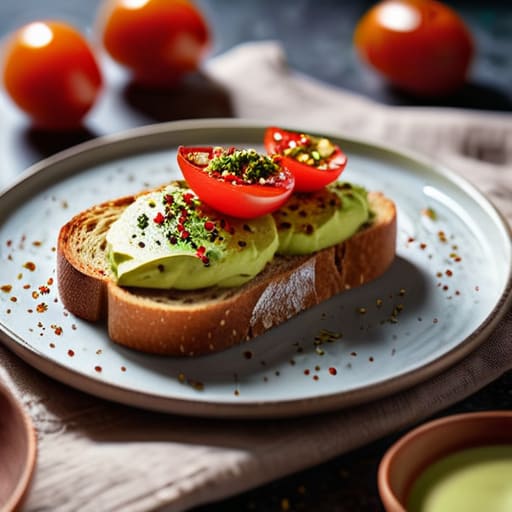
I was sitting in a small, sun-drenched cafe in Tuscany last autumn, watching a young man spend twenty minutes rearranging his pasta dish with tweezers just to get the perfect shot. He was so preoccupied with the lighting and the angle of his smartphone that by the time he actually took a bite, the sauce had congealed and the steam had long since vanished. It struck me then that we’ve turned food photography into this high-stakes, sterile performance, when it should really be about capturing the soul of a moment. We get so caught up in the technical perfection that we forget the meal was meant to be eaten, not just curated for an audience.
I’m not here to tell you which thousand-dollar lens to buy or how to master complex studio lighting in your kitchen. Instead, I want to share what I’ve learned from years of looking through old analog viewfinders and sketching in my notebook: how to capture the honest beauty of a meal. I’ll show you how to work with the light you already have and how to find the story in the crumbs and the shadows. We’re going to focus on the simple, steady way to take photos that actually make you feel the warmth of the kitchen.
Table of Contents
- Mastering Composition in Food Photography to Capture Quiet Moments
- Finding the Perfect Depth of Field in Food Shots
- A Few Lessons Learned Between Bites and Shutter Clicks
- A Few Reminders Before You Set Down Your Camera
- ## Beyond the Surface
- The Last Bite and the Final Frame
- Frequently Asked Questions
Mastering Composition in Food Photography to Capture Quiet Moments
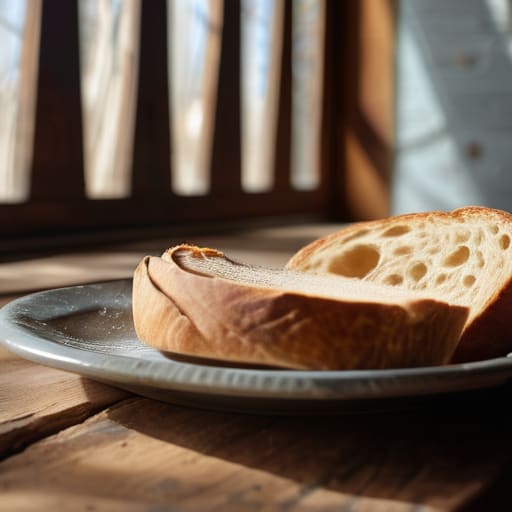
When I’m sitting at a small bistro table, I’ve learned that the best shots rarely come from a perfectly staged set. Instead, they come from observing how the light interacts with the objects around me. To get that sense of intimacy, I often lean into composition in food photography by looking for natural lines—the curve of a spoon or the way a napkin falls casually across the wood. It isn’t about being perfect; it’s about finding a sense of balance that feels earned rather than manufactured.
I find that playing with the depth of field in food shots is the quickest way to pull a viewer into the moment. By blurring out the bustling cafe in the background and focusing solely on the texture of a crusty piece of sourdough, you invite people to experience the meal as you are. You don’t need fancy equipment to achieve this; sometimes, just moving a little closer and letting the focus soften around the edges is enough to capture that quiet, solitary feeling of a midday meal.
Finding the Perfect Depth of Field in Food Shots
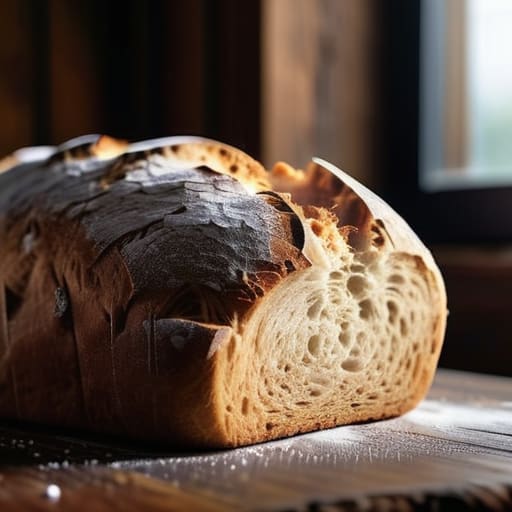
When I first started tinkering with my old Leica, I learned that not everything needs to be sharp to be meaningful. In fact, sometimes the blur is where the magic lives. When you’re playing with depth of field in food shots, you aren’t just choosing what to focus on; you’re telling the viewer where to rest their eyes. If you’re photographing a crusty loaf of sourdough, you want that focus to land right on the jagged, flour-dusted edge, letting the rest of the table melt into a soft, creamy haze.
It can be a bit finicky at first, especially when you’re dialing in your camera settings for food. I’ve found that opening up your aperture—getting that f-stop number as low as your lens will allow—is the best way to isolate a single, beautiful detail, like a stray crumb or a bead of condensation on a glass. It creates a sense of intimacy, as if you’re leaning in close to share a secret with the plate. Don’t be afraid of a little softness; it’s often the quietest parts of the frame that provide the most comfort.
A Few Lessons Learned Between Bites and Shutter Clicks
- Don’t be afraid of a little mess. A few stray crumbs on a wooden table or a slight smudge of sauce on the rim of a plate tells a story. It shows that the food was actually enjoyed, rather than just being a sterile prop for a picture.
- Watch the light, but don’t chase it too hard. I’ve found that the best shots happen when you find a patch of soft, indirect sunlight near a window. Avoid that harsh, midday glare; it’s too unforgiving and tends to wash out the very textures you’re trying to celebrate.
- Think about the hands that prepared the meal. Sometimes, a shot feels hollow until you add a human element—a hand reaching for a piece of bread or a pitcher pouring tea. It reminds us that food is a connection between people, not just an object.
- Pay attention to the colors of the season. If I’m eating a hearty stew in November, I want my frame to feel warm and heavy. If it’s a crisp summer salad, let the greens pop against a bright, airy background. Let the palette match the mood of the meal.
- Slow down and look at the small things before you press the button. Is there a wisp of steam rising from the coffee? Does the glaze on the fruit catch the light? Take a moment to really see the details with your own eyes first; your camera will be better for it.
A Few Reminders Before You Set Down Your Camera
Don’t get so caught up in the technicalities of aperture and shutter speed that you forget to actually taste the food; the best shots come when you’re truly connected to the meal.
Always look for the light, but don’t fight it—if a window provides a soft, natural glow, let that be your guide rather than reaching for a harsh, artificial flash.
Keep your eyes moving between the plate and the surroundings, because sometimes the most telling part of a story is the worn wooden table or the half-empty coffee cup sitting just out of focus.
## Beyond the Surface
“When you’re holding that camera, try to remember that you aren’t just documenting a plate of food; you’re trying to capture the warmth of the room, the steam that tells of a kitchen in motion, and the quiet dignity of a meal shared. A photograph should feel less like a technical achievement and more like a memory you can almost taste.”
Bernard Oyelaran
The Last Bite and the Final Frame
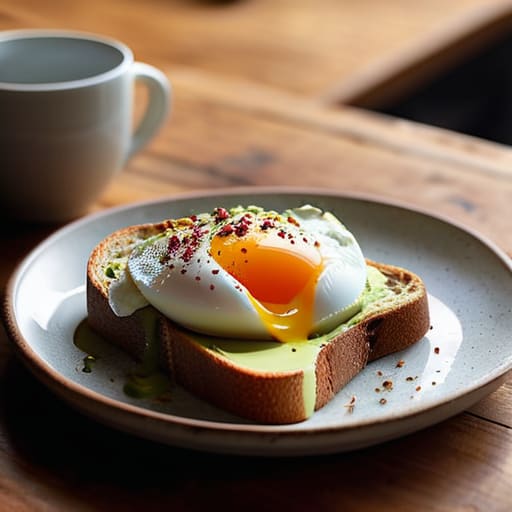
As I sit here in this little café, looking back at the notes in my leather notebook, I’m reminded that good food photography isn’t about technical perfection or expensive gear. It’s about how we’ve learned to see the subject. We’ve talked about how a thoughtful composition can guide the eye, how the right depth of field can pull a single, steaming morsel out of a cluttered table, and how the light—that fickle, beautiful light—can make or break a shot. When you combine these elements, you aren’t just documenting a meal; you are capturing the essence of an experience that would otherwise vanish the moment the last bite is taken.
At the end of the day, my advice is simple: put the camera down every once in a while. Use these techniques to honor the chef and the ingredients, but don’t let the pursuit of the “perfect shot” rob you of the actual flavor. The most meaningful photographs are often the ones where you were truly present in the moment. So, go out there, find a quiet corner, and tell the story of your meal with patience and grace. After all, the goal isn’t just to feed the eyes, but to nourish the soul through the lens.
Frequently Asked Questions
How do I capture the texture of a meal without making the photo look overly processed or artificial?
The trick is to stop chasing that hyper-real, plastic look you see on social media. I’ve found that side-lighting—using a window instead of a bright flash—is your best friend. It casts soft shadows that reveal the crags in a crusty loaf or the glisten of oil without blowing out the details. Let the natural imperfections show. A little bit of grit and shadow is what actually makes a meal feel real.
What can I do when I'm eating at a crowded restaurant and don't have the space to set up a proper scene?
When the table is cramped and the waiter is hovering, don’t fight the chaos—lean into it. I’ve found that a tight, top-down shot (what the kids call “flat lay”) works wonders in tight quarters. It turns a cluttered table into an intentional pattern of plates and glasses. Or, just focus on one small detail—a single fork resting against a bowl. It keeps the shot intimate and avoids the mess of the crowd.
Is it better to rely on the natural light coming through a window, or should I invest in a little extra lighting for those dim, cozy evening meals?
If you’re just starting out, lean into that window light. There’s a softness to it—a way it catches the rim of a coffee cup or the texture of a crusty loaf—that artificial lights struggle to mimic. It feels honest. But if you find yourself sitting down for a quiet dinner as the sun dips low, don’t be afraid to pick up a small, warm lamp. Just keep it soft; we’re looking for atmosphere, not a spotlight.
