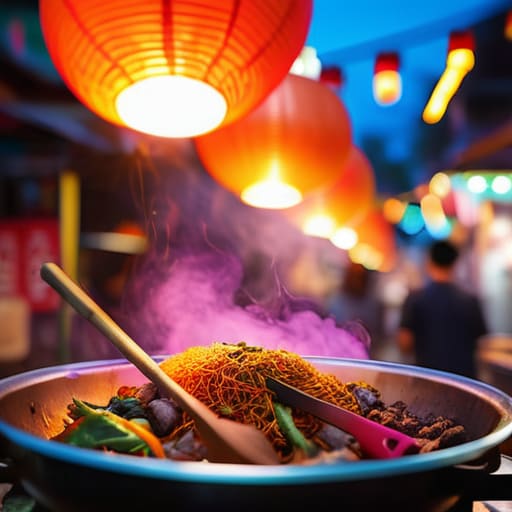
I remember standing on a humid corner in Bangkok last autumn, my old Leica hanging heavy around my neck, watching a man work a seasoned wok with the precision of a master craftsman. There was no white tablecloth, no polished silver, and certainly no pretension—just the rhythmic clack-clack of metal on iron and the intoxicating scent of garlic hitting hot oil. People often mistake street food for a mere convenience or a cheap way to fill a gap between sightseeing stops, but they couldn’t be more wrong. To me, it is the true heartbeat of a city, a way to taste the history and the soul of a place without the filtered nonsense of a tourist trap.
I’m not here to give you a glossy list of the trendiest, most Instagrammable stalls that everyone and their cousin is talking about. Instead, I want to share what I’ve learned from years of wandering, focusing on how to find those quiet, honest corners where the flavors actually tell a story. I promise to guide you through the sensory chaos so you can learn to seek out the real thing—the kind of meal that makes you sit down, breathe, and finally notice the world around you.
Table of Contents
Savoring the Best Street Food Destinations One Step at a Time
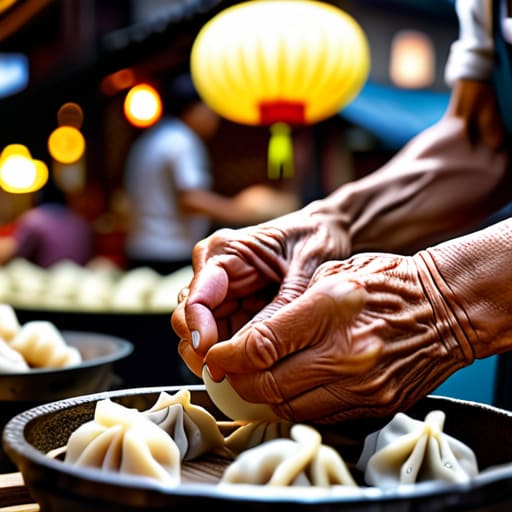
I’ve found that the most rewarding culinary travel experiences don’t happen in a white-tablecloth restaurant, but rather while standing on a humid street corner in Bangkok or a cobblestone alley in Mexico City. There is a certain rhythm to the night market food culture that pulls you in; it’s a symphony of sizzling woks, shouting vendors, and the rhythmic chopping of knives. I remember sitting on a plastic stool in Taipei last autumn, watching an elderly woman fold dumplings with a precision that reminded me of the fine gears in my old Leica cameras. It wasn’t just about the food, though the pork buns were divine; it was about witnessing a craft passed down through generations.
When you’re navigating these bustling hubs, I always suggest following a few simple safe street food eating tips—look for the stalls with the longest lines and high turnover. That’s where the magic is. You aren’t just looking for a quick bite; you’re hunting for those traditional snack varieties that tell the story of a place better than any museum ever could. Take your time, let the flavors settle, and don’t be afraid to wander a little further from the main tourist drags.
Finding Affordable Gourmet Eats in a Paper Bowl
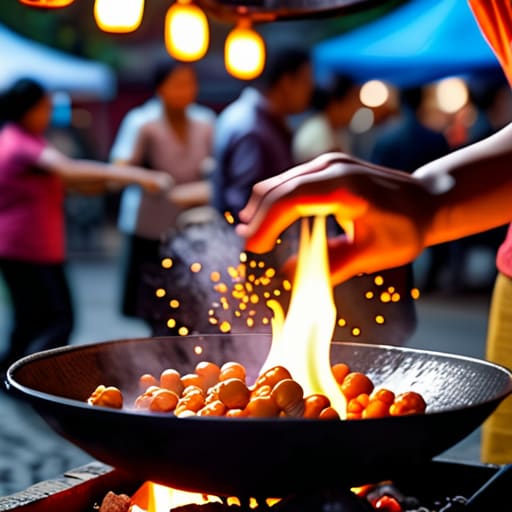
There is a specific kind of magic that happens when you stop looking for a white tablecloth and start looking for a wooden stool. I’ve found that some of the most profound culinary travel experiences don’t happen in a dining room, but rather right there on a humid corner, balanced precariously on a plastic crate. You see it in the way a vendor moves—a rhythmic, practiced dance with a heavy wok or a steaming bamboo basket. It’s not about the presentation; it’s about that first, honest bite of something prepared with decades of muscle memory.
When I’m hunting for these affordable gourmet eats, I tend to follow the steam. I look for the stalls where the locals are congregating, those small pockets of warmth amidst the city’s bustle. There’s no pretension here, just the raw, delicious reality of a recipe passed down through generations. You might find yourself tucked into a corner of a bustling night market, nursing a paper bowl of something spicy and fragrant, realizing that the simplest ingredients often tell the deepest stories. It’s a reminder that luxury isn’t a price tag; it’s a matter of presence.
A Few Old Engineer’s Rules for Navigating the Sidewalk Buffet
- Follow the crowd, but not the loud ones. If you see a queue of locals standing patiently under a faded awning, that’s your cue. A line of people waiting is the best structural integrity test a food stall can pass.
- Let your nose be your compass. Don’t worry about the fancy signage or the polished menus. Just walk slowly and find where the scent of toasted garlic or simmering broth hangs heavy in the air. That’s where the soul of the city is hiding.
- Embrace the mess. Forget the heavy linen napkins and the silver service; when you’re eating something wonderful out of a paper tray, a little bit of sauce on your thumb is just a souvenir of a good moment.
- Bring a little extra cash and a lot of patience. These small vendors aren’t built for the high-speed transaction of a modern cafe. Take a breath, wait your turn, and use that time to watch the world go by.
- Keep your eyes on the details. Notice the way the vendor handles the knife or how the steam rises from the pot. There is a quiet, rhythmic beauty in the way these small kitchens operate, and it’s just as important as the flavor itself.
A Few Small Reminders for the Road
Don’t be afraid of the queue; sometimes the longest line is just nature’s way of telling you that something worthwhile is happening right behind that steam.
Leave the map in your pocket for an hour and let your nose lead the way—the best flavors rarely come with a polished sign or a predictable address.
Treat every paper plate and plastic fork like a fine dining experience, because the magic isn’t in the silverware, but in the patience you take to truly taste it.
The Soul in the Steam
You won’t find the true heart of a city in a white-tablecloth dining room; you’ll find it standing on a crowded corner, leaning against a brick wall, letting the heat from a paper bowl remind you that you’re very much alive.
Bernard Oyelaran
The Last Bite and the Long Walk Home
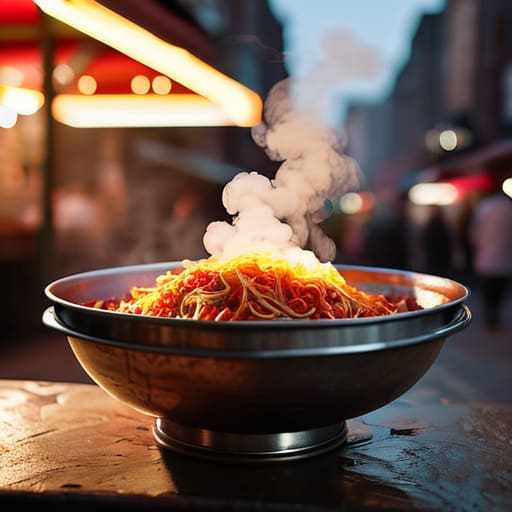
As I sit here, cleaning a bit of stray spice from my thumb, I realize that street food is about so much more than just a quick, inexpensive meal. We’ve talked about finding those hidden gems in bustling city corners and learning how to appreciate a gourmet experience served in a simple paper bowl. Whether it’s the way the steam rises from a vendor’s cart or the unpretentious joy of eating standing up among strangers, these moments remind us that the best flavors aren’t always found behind white tablecloths. It’s about the connection to the craft and the honesty of a recipe passed down through generations, served right there on the sidewalk.
So, the next time you find yourself rushing through a new city, I urge you to pause. Don’t just look for the most famous landmark or the most efficient route; look for the smoke rising from a corner stall or the sound of a rhythmic chopping on a wooden block. Let the scent of toasted spices pull you in. Life moves far too quickly to skip over these small, delicious interruptions. Take a seat, grab a napkin, and remember that savoring the moment is the only way to truly travel. After all, the most profound memories are often found in the simplest of bites.
Frequently Asked Questions
How do you know which stalls are safe to eat at when you're wandering through a crowded market for the first time?
I always tell myself to look for the crowd—not the tourists, but the locals. If you see a line of people in work clothes or students huddled around a small table, that’s your green light. It means the turnover is high and the food is fresh. I also keep a keen eye on the setup; a clean workspace and a vendor who handles money and food separately tells me they respect the craft as much as I do.
Are there any particular spices or ingredients I should look out for to truly understand the local flavor of a region?
If you really want to get under the skin of a place, don’t just look for the heat; look for the aromatics. In Southeast Asia, keep an eye out for galangal or lemongrass—they have a brightness that cuts right through the humidity. If you’re in Mexico, it’s all about the different dried chilies, like the smoky chipotle. I always keep my notebook handy to jot down these scents. They’re the true fingerprints of a culture.
Is it better to follow the big crowds, or is there a special kind of magic in finding those tucked-away carts that only the locals know about?
Now, there’s nothing wrong with a crowd—sometimes the bustle is part of the charm. But if you ask me, the real soul of a city lives in those quiet corners. I’ve found that the best meals often come from a vendor tucked between two buildings, where the only audience is a few locals finishing their lunch. It’s in those unhurried, hidden spots that you truly find the flavor of a place.
